Quantum Computers model Quantum Matter

Study this , Quantum simulations match real-world data. from the inimitable Nature Briefing. For you are seeing into the future, at a quantum level.

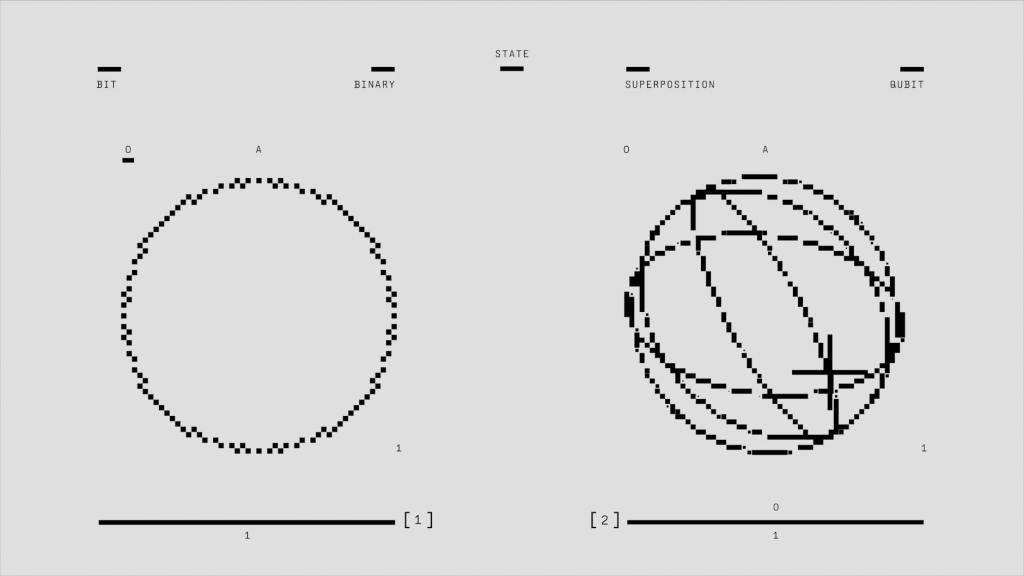
For the first time, physicists have matched detailed quantum-computer simulations to experimental data gathered from work with solid materials. Two teams of physicists achieved the feat independently: one simulated the physical properties of a magnetic material, such as its heat capacity, and the other modelled a different material’s response to being excited into a range of energy states. Both agreed with experimental data. The work “sets the stage for a new standard in the application of quantum simulation to materials science,” says theoretical physicist Daniel González-Cuadra.Nature | 5 min read
Reference: arXiv preprint 1 & preprint 2 (not peer reviewed)

And our thoughts? Well, for the first time, quantum computers have reproduced the real, experimentally measured behaviour of solid materials, not toy models or idealised systems. That matters because it turns quantum computing from a theoretical promise into a scientific instrument — one that can interrogate nature at its own level, rather than approximating it from above. It also signals that quantum tech is advancing faster and more quietly than the AI hype cycle suggests, edging into domains where classical intuition simply can’t follow. And in doing so, it blurs the old boundary between “understanding” and “emulating” reality, letting us use a human‑built quantum device to explore quantum structures our minds were never evolved to picture — all powered, in my case and yours, by nothing stronger than coffee.

LSS is about much more than antibiotics and Allosauruses, gentle readers. We do IT and computing too. If you want the real cutting edge stuff in many fields, all neatly wrapped up in espresso-sized cups, then this is where to place your order.

#IT #quantum computers #AI #materials science #sub atomic #technology #science
Do the Twistronics-and change the world

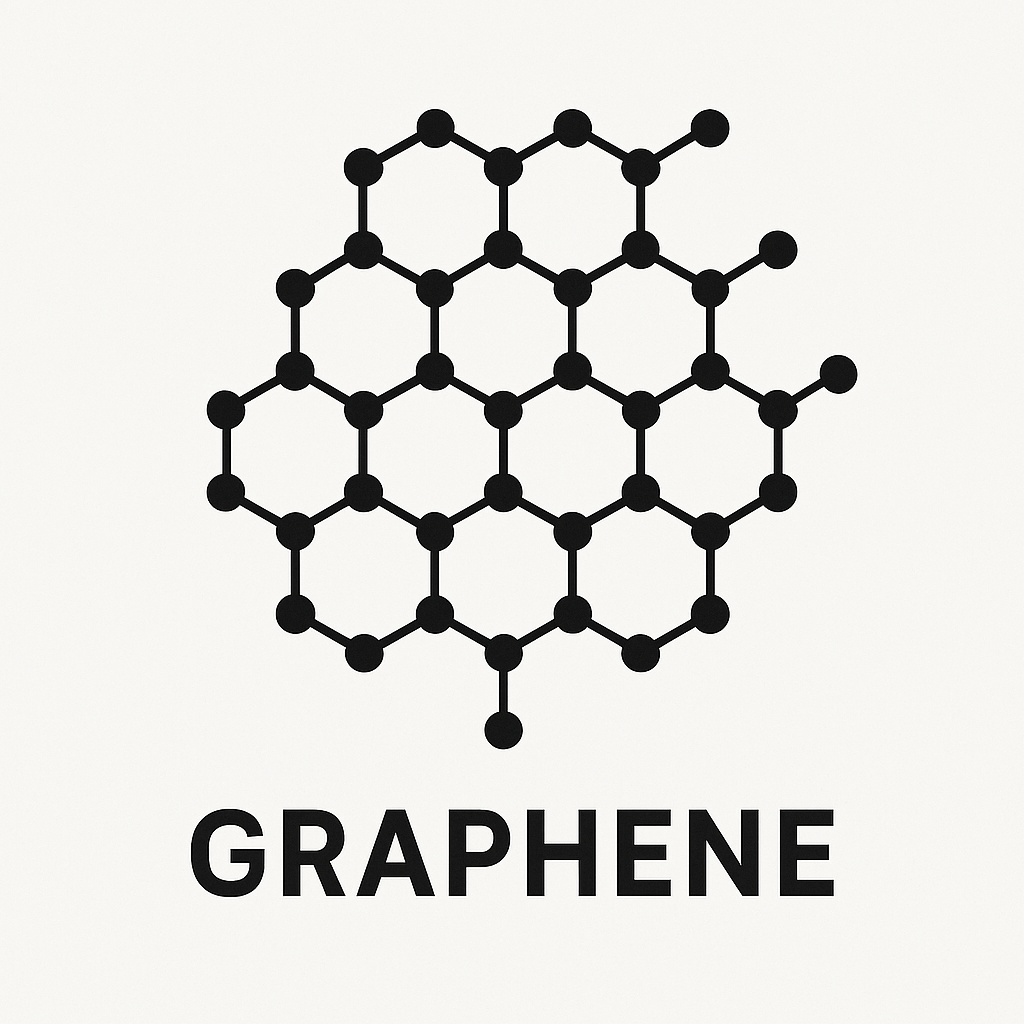
What happens if you take two sheets of graphene and rotate one slightly relative to the other?” It’s a question all of us must have asked ourselves at one point or another (it is?-ed) but never really found time to answer. But two remarkably intelligent  men did: Allan MacDonald, a theoretical physicist who posed it; and Pablo Jarillo‑Herrero who answered it by building ultra‑clean, precisely controlled graphene heterostructures –you know: the kind of devices where quantum subtleties become visible. Well, we said they were clever! Their work, and the prize which they won for it are admirably summarised by the erudite Selva Vargas Reátegui for El País [1]

Her excellent article contains much more on the details, so read it. Suffice it to say, the discovery not only revealed all sorts of weird and wonderful properties in graphene. It actually created a whole new field of learning: Twistronics.  Because researchers soon learned to twist not just bilayers as in graphene, but trilayers, multilayers, and heterostructures of many 2D materials. The field exploded because twist angle becomes a new starting point for designing quantum matter. While still early, the work hints at possibilities such as: designer superconductors, quantum simulation platforms, ultra‑sensitive sensors and  novel electronic devices based on correlated phases. Ok we are a tad shaky on one or two of these ourselves, but if it helps build something to do the ironing, we’re all in.

But the real point for us is conceptual. Changing the geometry alone can utterly change the properties of a material. It feels a bit like the time when some unknown genius in Old Mesopotamia started mixing tin with copper. As small, as unexpected and as potentially world changing. Oh, and another point: economics. The more you spend on basic science and research, the more your chances rise of repeating the trick somewhere else. Leaders of the world, you have nothing to lose but your accountants.

Premio Fronteras para los descubridores del ‘ángulo mágico’ que genera supermateriales | Ciencia | EL PAÍS English speakers: you need to hit the translation button

#Twistronics #graphene #quantum physics #geometry #bronze age #materials science