

“You can’t stop me smoking! It’s an assault on my liberty!” It was a common cry in the early days of trying to save the world from tobacco pollution. Somehow the smokers never considered that that the toxic fumes they spread might inflict upon the liberties of others. Smoking is the world in miniature. For the same self-centred mindset may be found in those who cannot think beyond the boundaries of their own religious or ethnic group. So here are 6 problems which affect us all, and each of which will only be solved by deliberate acts of collective action, however cognitively difficult that may prove for some people.
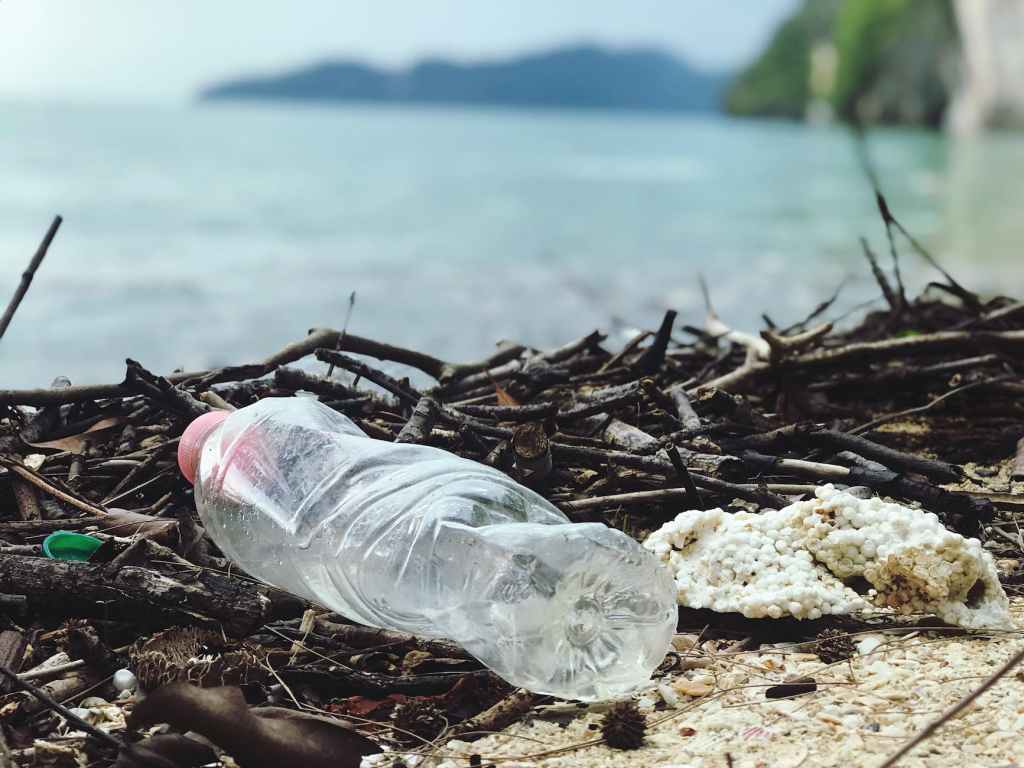
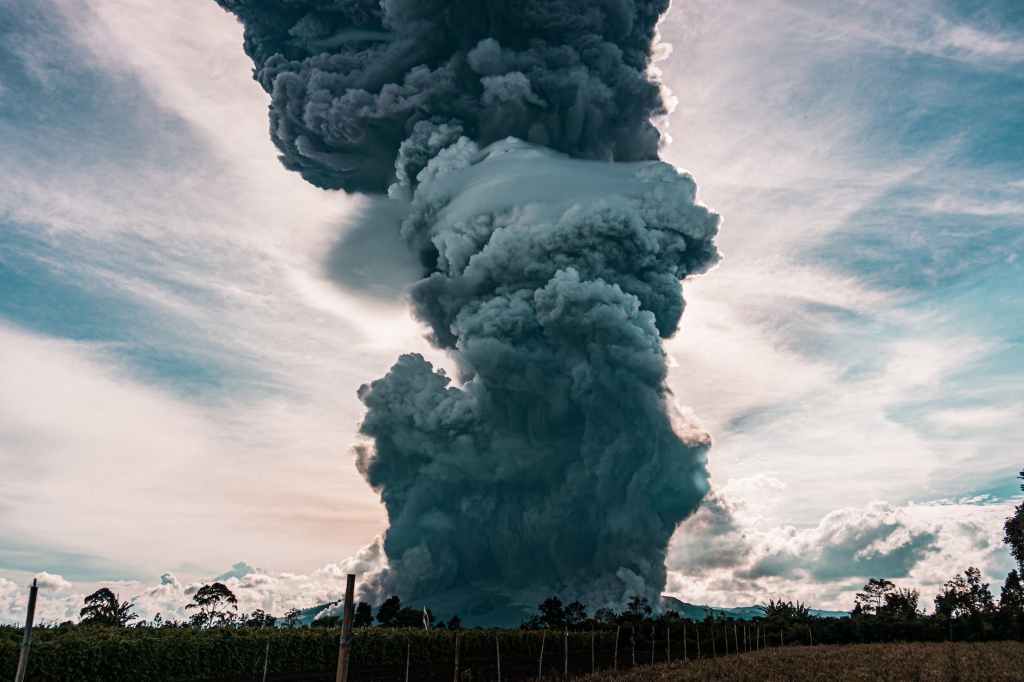
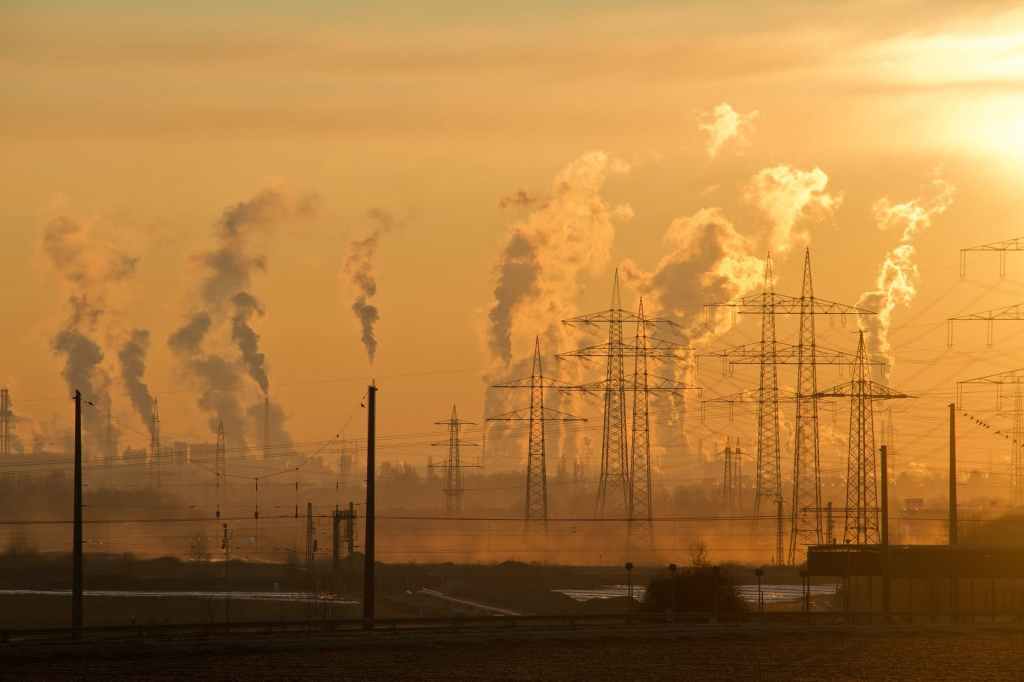
1 Pollution As my country pumps out toxic metals, sh*t, plastics or whatever, it will get into the water, air and land of surrounding countries, poisoning their unfortunate inhabitants. If you don’t want to breathe someone else’s smoke, ways will be have to be found of asking people to stop. And to keep them stopped. Agreements, anyone?
2 Global Warming A subset of pollution really, except that we are only talking about carbon dioxide and methane. But as the water levels rise and the ocean currents collapse, you will have the comfort of blaming someone else. And they can blame you. Will you feel better?
3 Migration As we have said before, the real cause of this is imbalances in living standards between different parts of the planet. Successful transfers of wealth to the areas where migrants come from will slowly but surely eliminate the problem. How many Germans migrate to Iraq, for example?
4 Knowledge and fakery Since the invention of the Interweb and the subsidiary technologies that feast upon it, the world has been plagued by a deluge of fakes. Fake news stories, fake scientific papers, fake images and the utterly uninformed opinions thereby generated. Only a single world reference library with the veracity of its contents contents carefully agreed by all will allow a single reliable point of reference. This won’t be perfect, but will allow a fresh starting point, and mimics the way that single standards of things like currencies and weights and measures slowly ameliorated the human condition
5 The next pandemic Everyone agrees it’s coming, the question is where and when does it start. IT will probably be a virus. But could our hoary old favourite, an antibiotic-resistant superbug, be the killer?
6 Inequality As long as the super-rich can move their money and their yachts from jurisdiction to jurisdiction, the rest of us will never see a fair share of the wealth which we have created. Hence the shortages of things like hospital beds, school places, decent roads, etc.A single world taxation and financial authority would not only eliminate this problem, it would rapidly provide the resources to deal with those discussed above.
National sovereignty, tribal identity or whatever are extremely powerful forces in human affairs. And we ignore them at our peril, as we have oft-times warned on these pages. But they are also licences to pollute. Are we clever enough to reconcile the the conflict?
#pollution #global warming #climate change #antibiotics #pandemic #poverty

 Learning, Science and Society