Lung cancer rising again Plus: is all that plastic in your brain doing you any good?

One of the great achievements that we progressives can still chalk up is the gradual elimination of smoking. Ok it’s still out there. But in western countries it’s in steep decline, and cases of lung cancer were falling accordingly. Or so it seemed. But since about 2020 it seems to be on the rise again. Among non smokers. Among women non-smokers in fact. Odd, isn’t it? The reasons are discussed by Dr Pinar Oysal Ongoner of the prestigious University of Westminster[2] *for the Conversation.[1] She is particularly interested in the rise in adenocarcinoma. The cause ? It looks as if air pollution is a strong candidate, with a strong pointer to our old friend PM2.5 which is spewed out daily by millions of cars, lorries taxis and vans. Clean air zones, anyone?

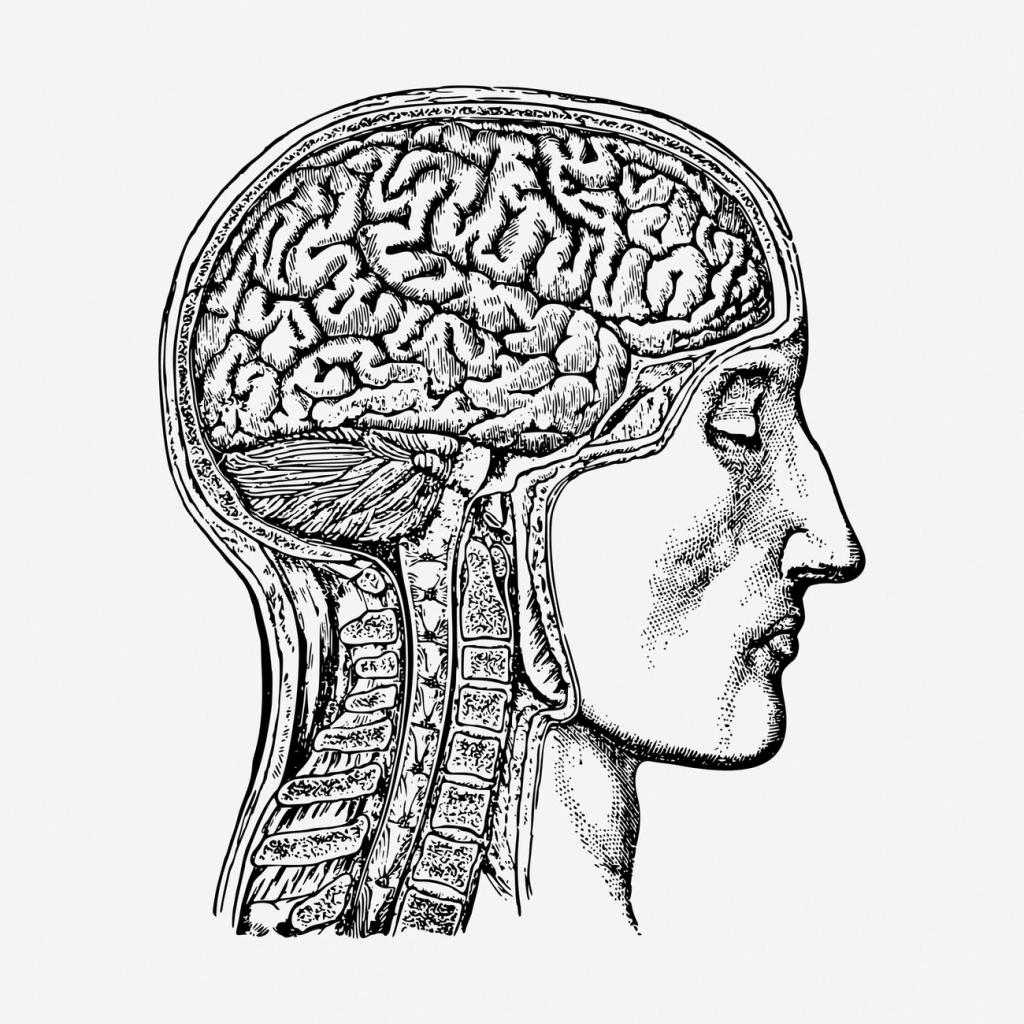
As if one pollution story wasn’t bad enough, here’s another that may be worse. Ten years ago the idea of plastic micropollution getting into the brain was either ignored or scoffed at. Now we know better: Our Brains are full of plastic bits from Nature Briefings

Toxicologist Matthew Campen estimates that he can isolate about 10 grams of microplastics from a donated human brain; that’s about the weight of an unused crayon. Scientists are scrambling to understand how these tiny fragments, which have been found in every recess of our planet and our bodies, affect our health. They need clear data to communicate potential risks to policymakers, and with plastic production reaching new highs every year, they’re in a race against time. “It’s very scary to think the concentration of plastics in my brain will go up several percentage points before we have answers,” says Campen.Nature | 11 min read

A whole crayon’s worth of plastic in your brain? isn’t that, like, rather a lot? It took decades to discover the link between tobacco and lung cancer. And many more to overcome the vested interests and start saving lives. At that rate, how soon are we going to cope with this new plastic threat?

*The University of Westminster is not only famed for its academic excellence but also for the production of graduates of outstanding charm, good looks and modesty. Well, Postgraduates, actually

[1]https://theconversation.com/why-is-there-an-increase-in-lung-cancer-among-women-who-have-never-smoked-249406?utm_medium=email&utm_campa

[2]https://www.westminster.ac.uk/

#cancer #pollution #traffic #pm2.5 #plastic #drinking straws

Mura Technology brings real hope on plastic pollution

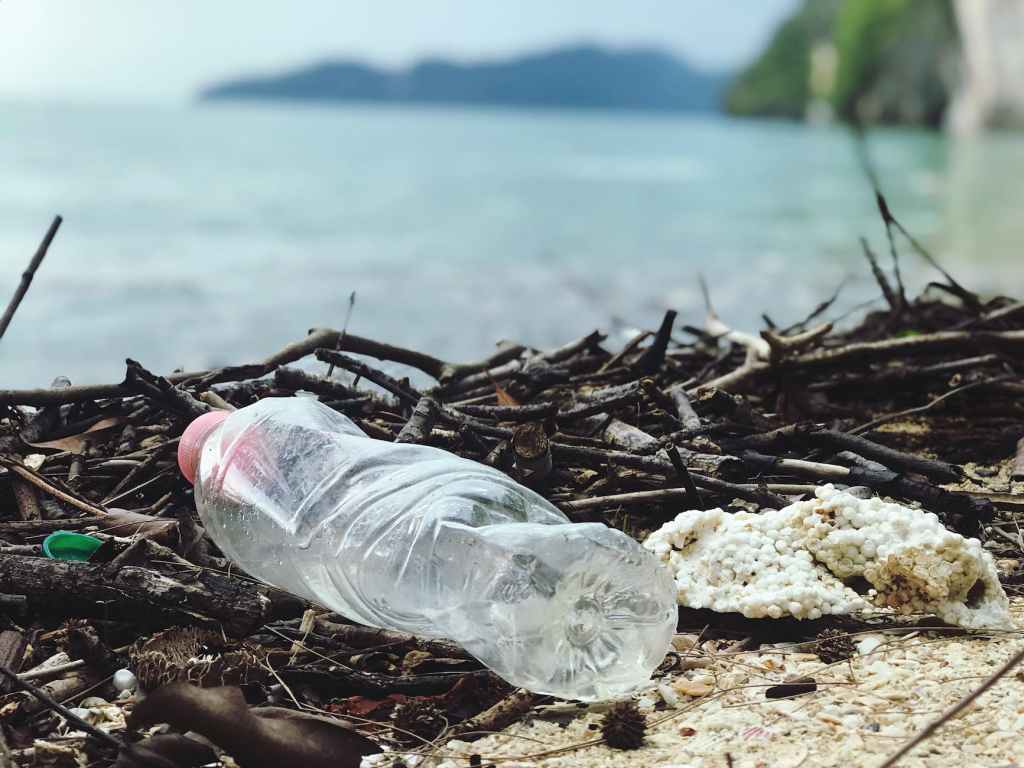
The other day, someone on the Board suggested a reprise piece on Plastics Pollution. But when we looked back to the archives, we’d done so many of them! Choking up the system like the plastics themselves. Unlike the plastics however, the old articles don’t choke up the waterways, poison the seas, kill wild life and damage our health. Real plastic waste does all of this and more, as this article from Wikipedia makes clear.[1]

There is no realistic, practicable way to ask mankind, particularly the more-erm, intellectually challenged-members of our species to give up plastics. Yet they are slowly but steadily killing us. So what is to be done. Mura Technology[2]think that the answer is to recycle them. They think what? Yes, we didn’t believe it at first. But with the right combination of heat and pressure they think they can resolve any plastic waste back to the original oily products they were made from. To be used again. Humankind imitating nature. Circular manufacturing and all that. It won’t get rid of all the horrible plastic already in the sea; but it will stop anymore going in. and that’s a start.

Now, we owe this infographic to the amazing website Nature Briefings. It’s our go-to website for up to date clearly explained developments in Science, technology and of course their impacts on society. We think you should too. so once again we have put in their link[3[ in the hope you will sign up. Because the more people that do it, the quicker reason and learning will re assert themselves and we will move from this dark place [3] And get this-it’s free!

Good, isn’t it?

[1]https://en.wikipedia.org/wiki/Plastic_pollution

[2]https://muratechnology.com/

[3]Enjoying this newsletter? You can use this form to recommend it to a friend or colleague — thank you!

#plastic pollution# #recycle #environment #nature #ecosystem

The Hidden Dangers #3: Microplastics

It’s hard to convey now what plastics meant to us Space-Age children of the 1960s. Bright, cheap, coloured, light, clean and multipurpose, they were the material of choice for a democratic age. They were what your new Fireball XL5 rocket was made of. The tape recorder for your Beatles songs. The beakers for your free school milk. The fittings in your Dad’s new Ford Anglia. With them we would create a new heroic age, and get to The Moon.

Sixty years on? Well, they’re just everywhere, aren’t they? Up on the top of Mount Everest. Deep at the bottom of the Marianas Trench. And everywhere, everywhere, in between. In the blossom in your garden. Blowing in the wind between the trees. In your water. In your food. In your bodies. And that last should afford pause for thought. Because the effects of all this plastic are not really understood. According to Anne Pinto-Rodrigues of Science News,[1] microplastics particles can be found in the gut biome; in the reproductive system; in breast milk; and in blood. What’s worse, some of the additives, such as BPA can act as endocrine disruptors (see LSS 26 3 24). There is even a chance that they may have a harmful effect on the immune system.

There’s lots more. Instead of summarising all the literature, which astute LSS readers will do for themselves, we’ll just point to one case study. It comes from Sue Hughes of Medscape, and though its primary focus is on cardio vascular disease, we think it’s a pretty good representative of what is to come, as more is found out in the next few years. And one other thought: how on earth do we clean this lot up?

with thanks to Gary Herbert

[1]https://www.sciencenews.org/article/microplastics-human-bodies-health-risks

[2]https://www.medscape.com/viewarticle/plastic-particles-carotid-plaques-linked-cv-events-2024a10004ge

#plastic #BPA #microplastics #health #pollution #contamination