Heroes of Learning: Svante Pääbo

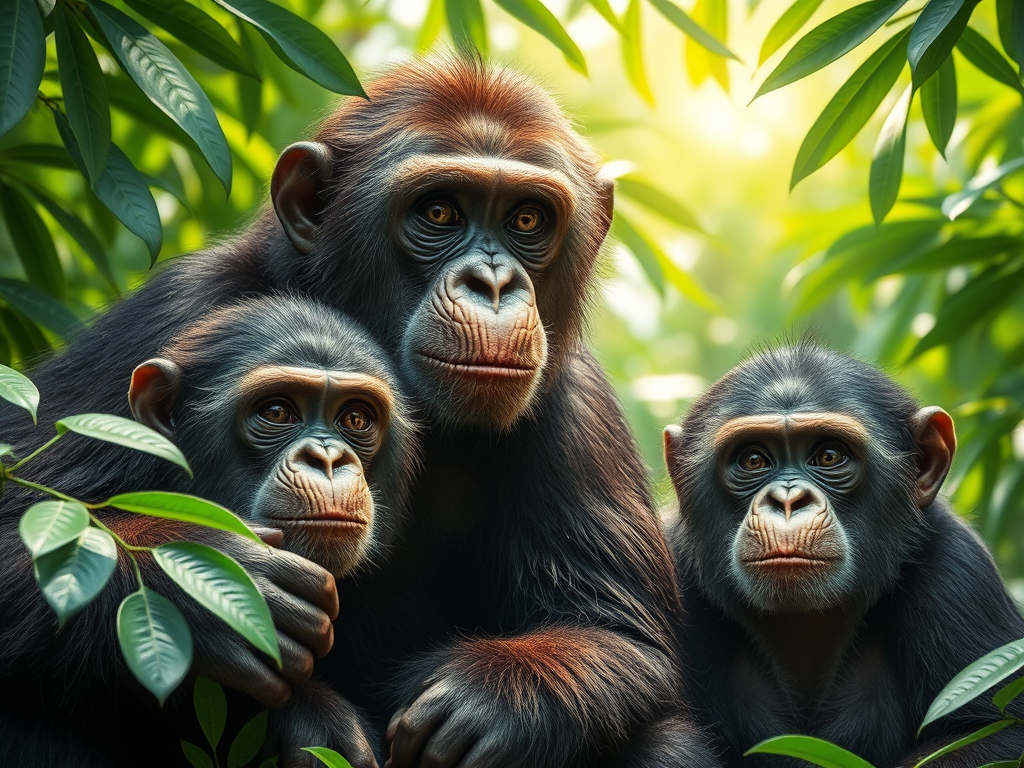
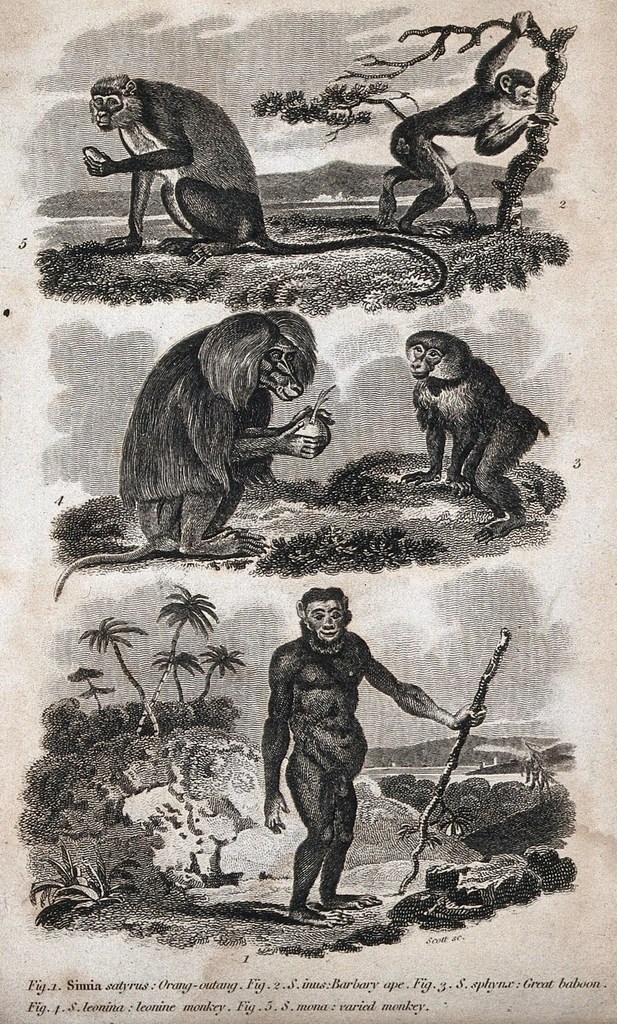
It’s hard to remember how different human evolution was before Svante Pääbo and his transformative discoveries in genetics. There were some bones, but they were bit few and fragmentary. People argued interminably over them like so many medieval nominalists and realists. There were tools, and heroic studies of the scratches thereon. People spent lifetimes following various primates in and out of the rain forest: but it is hard to say whether a chimpanzee is really like a human ancestor, or a baboon is : or is not.

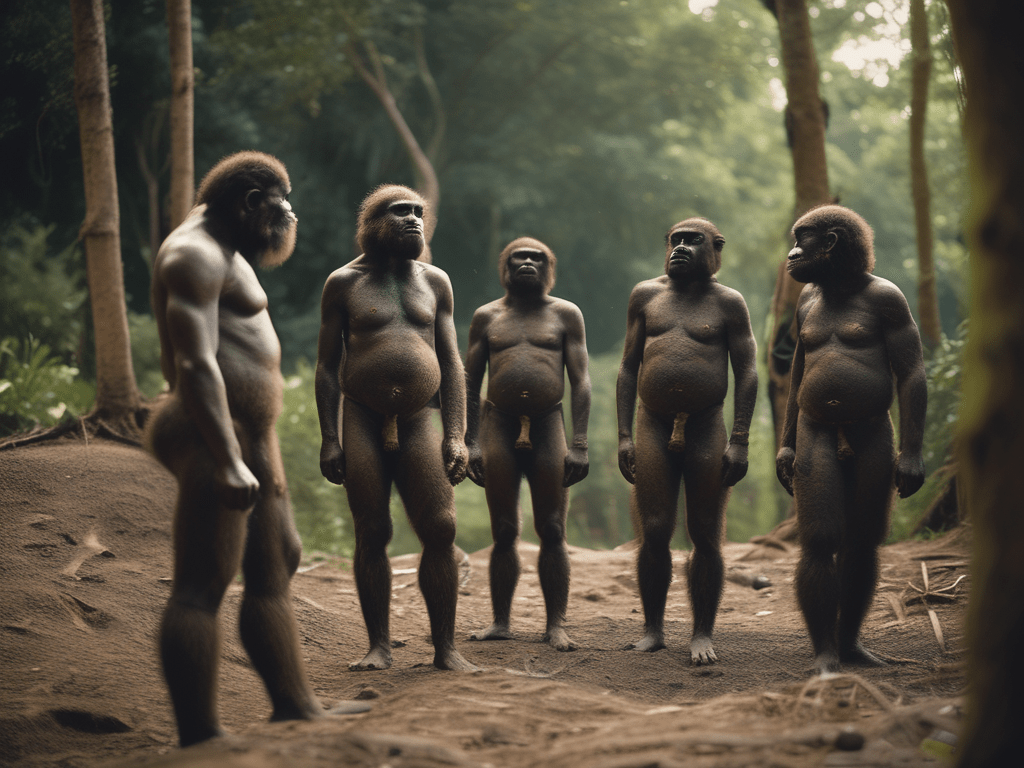
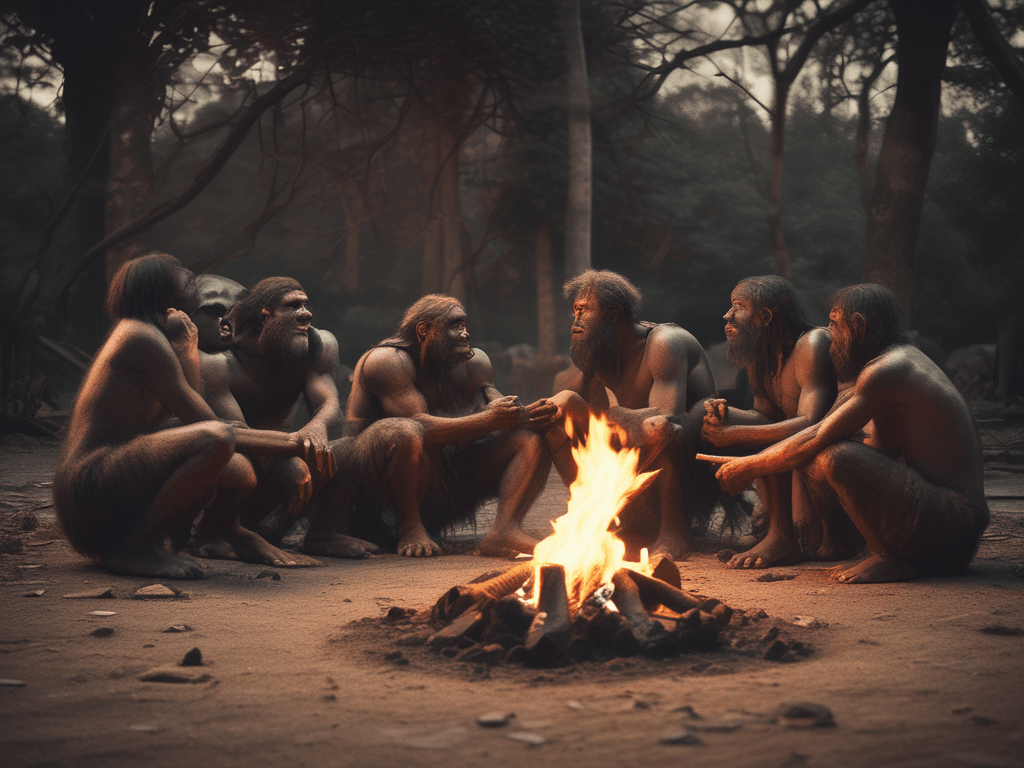
Then in 1997 at the Max Planck Institute in Leipzig, Svante Paabo announced a breakthrough: the actual DNA from inside the mitochondrion of a real (dead) neanderthal. For the very first time here was something tangible, data rich, and available for statistical scrutiny. Now we knew who we were, and who they were. As if that were not enough, in 2009 his team announced a whole Neanderthal genome. Then came immortality: on the floor of a cave in distant Siberia came a tiny bone which Pääbo showed to be a third type of human: the Denisovans. The utter. twisted, anastomosing complexity of the modern human story became clear: and with it the implication that it had always been thus. Giving him the Nobel Prize in 2022 must have been the easiest decision since that monkey in 2001: a space odyssey thought a horse skull might be a good place to land a good thwack.

But the real significance of Svante Pääbo lies deeper. It’s in the observable phenomenon that every so often some genius comes along and turns a field upside down. That every debate, however heated and angry, will one day become futile as more gets found out. It’s like that in all sciences, and a good many non sciences too. The biggest mistake any of us can make is to think we have all the answers. Thanks Svante Pääbo for showing there’s always something new around every corner.

[1]https://en.wikipedia.org/wiki/Svante_P%C3%A4%C3%A4bo

#genome #dna #human #neanderthal #anthropology #evolution science

Is human evolution a mess? Depends how you look at it

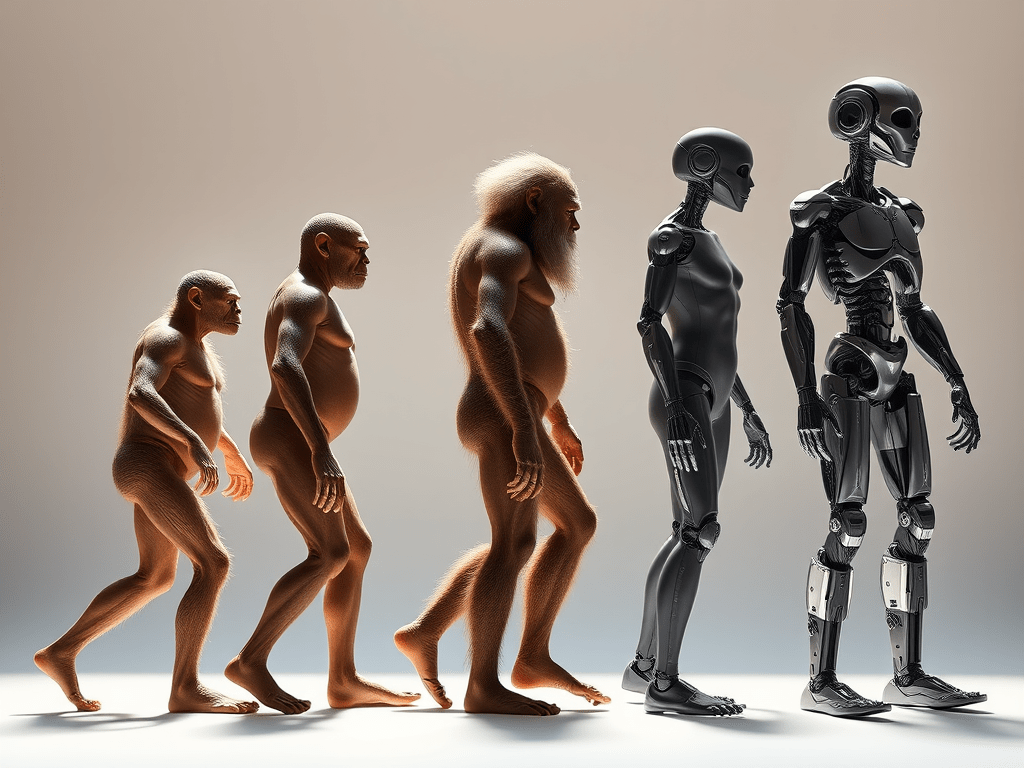
When we were young, we believed in a Story. First there was Australopithecus, a toolless, speechless, walking chimp. He begat a brave pioneer called Homo erectus, a handy sort of chap who at least had decent looking tools and invented fire. He begat two sons: a hairy, primitive savage one called Neanderthal Man, who deservedly came to a sticky end. And a tall, cool handsome one which called itself Homo sapiens (“the wise man”), in one of the most outrageous acts of vanity and self-delusion in history.

The truth turned out to be far more complicated. Even looking at the story of the last 500 000 years , when everyone was about as modern as you can get. First Neanderthals have been getting steadily cleverer for the last forty years or so. They probably had language, clothes and y even art, goddammit. Along came another relative, the Denisovans who were similarly equipped. And then came the geneticists lead by the inimitable Professor Paabo, whose discoveries have upended everything , blurred every category and wiped every line. Latest instalment in this trope comes from the discoveries of the learned Professor Cousins of Cambridge University which we channel both from Jonathan Chadwick of the Mail[1] and for those with a little more time, the original paper itself [2] The story of the last million years or so is not of some heroic hero on a quest for self-improvement. But bunches of largely helpless bipeds pushed hither and thither by the vagaries of climate and geology, splitting, meeting and breeding; spawning a mishmash of different types which their distant descendants come along and label with important- sounding names. And we think we see a pattern in all this.

Firstly :you know a lot less than you think you do. We have been tracking human evolution for nearly sixty years now, so we can be fairly confident about that statement. Secondly: there is always something buried out there which is going to upend everything you know; so stay cautious. Thirdly: someone in another field is going to park their intellectual tanks on your lawn sooner or later, reducing your omniscient learning to at most part of things, not the whole of it. And finally:-human evolution makes a pretty good paradigm for all other learning. Not just hard sciences, not just social sciences but also things like history and economics. Beware of anyone who knows the answers, because they are not telling the truth.

[1]https://www.dailymail.co.uk/sciencetech/article-14508089/Scientists-hidden-chapter-human-evolution.html

[2]https://www.nature.com/articles/s41588-025-02117-1

#homo sapiens #dna #genetics #neanderthal #anthropology #science #knowledge #evolution

A whole herd of hominins. But how different are they really?

Fans of human evolution have more to contend with than the followers of any football team. For every one of the competitions they’re in ( Champions League, La Liga, Copa del Rey, whatever) We have six new skulls and four new DNA analyses every week. Or so it seems, and just about every one leads to a new species. Or so that seems too..

Proof of this comes from two new articles we have for you today. William Hunter of The Daily Mail (despite all their other deficiencies, a great Science Desk) waxes lyrical on recent discoveries in China [1] which suggests a fourth late-to modern population of hominins who lived alongside Homo sapiens, Neanderthals and Denisovans about 100 000 years ago. But how different were they-and how different were the other three? Our thoughts on that one below. Meanwhile Nature Briefings offers us this, An Ancient Encounter Frozen in Time

Some 1.5 million years ago, two ancient hominin species crossed paths on a lake shore in Kenya. Their footprints in the mud were frozen in time and lay undiscovered until 2021. Now, analysis of the impressions reveals that they belonged to Homo erectus, a forebear of modern humans, and the more distant relative Paranthropus boisei. The two individuals walked through the lake area within hours or days of each other — leaving the first direct record of different archaic hominin species coexisting in the same place.Nature | 5 min read
Reference: Science paper

No one would take away from the dedication and professional work of the team who made this discovery. It’s just that, with so many different hominin species hurrying about, and so few with mobile phones with which to record each other, can we really be sure who planted their feet in that long ago bed of sand?

Which leads us to recall the case of the Red Deer Cave people. Who, until recently, were a bit of a mystery in the human story. They looked very archaic and odd. But they dated very recently (maybe about 14000 years BCE) They were in the right place at the right time, Could they, might they, be real Denisovans, maybe, huh? To which recent DNA analysis gave the resounding answer: no, they were fully and completely 100% human. If they were alive today you’d have to give them a vote, a credit card and a driving licence. They couldn’t be worse than some other users of the road. All of which leads us to the following conclusions

1 Keep digging in China (look what they did for dinosaur research)

2 Let’s stand one step back from all claims and remember what happened to some of them in the past

3 What if the whole business of species labelling is missing the point, and there’s really only been one human line for three million years, with startling local changes in gene frequencies due to ecological pressures and tiny population sizes?

Only we can say that, because we don’t belong to any institution. Occasionally, that’s a freedom worth having.

[1]https://www.dailymail.co.uk/sciencetech/article-14152203/big-head-people-lost-species.html

[2]https://en.wikipedia.org/wiki/Red_Deer_Cave_people

#human evolution #paleoanthropology #dna #hominin #china #africa #paranthropus

A quick round up: Plastic Pollution just got worse, Computers just got faster…and who were the Denisovans?

a few stories that caught our eye

Plastic pollution just got worse Remember those old movies where hard-pressed producers stared combining other movies? Think Godzilla and King Kong or Jesse James and Frankenstein’s daughter. The results were nearly always worse than the original. Well, it’s the same in the ocean PFAs do quite a bit of damage, So do microplastics, all things considered. But when you consider the two together, as Tom Perkins does in this Guardian article, you are in for a whole lot more trouble.

https://www.theguardian.com/environment/2024/nov/25/pfas-microplastics-toxic

Quantum Computers just got faster Just when someone comes up with the-best-thing-ever-yet, someone else supersedes it. Remember CRISPR-Cas-9 and Base pair editing? Well now it looks as if AI may be going the same way. Read this:Giant Quantum Computers built from Light, in Nature Briefings

By the end of 2027, researchers at the private quantum-computing firm PsiQuantum aim to be using light in silicon chips to build a giant, programmable quantum computer. That ambitious goal is far ahead of major rivals such as Google and IBM. PsiQuantum researchers say they hope to also show that such a computer can run commercially useful programmes. The company has raised US$1 billion but has shown relatively little compared to its competitors, leaving some scientists worried it’s promising more than it can deliver.Nature | 13 min read

Who were the Denisovans anyway? One of the most intriguing puzzles in paleontology is the nature of the Denisovans, that mysterious third cousin of the modern human family. Since their discovery through the truly remarkable achievements of Professor Paabo and his teams, their details remain sketchy. A few scraps of bone, some DNA, and a few artefacts. So-hats off Linda Ongaro of The Conversation who pulls together what is known now, in November 2024. We are sure that she shares our wish that one day this excellent article will have been superseded.

https://theconversation.com/their-dna-survives-in-diverse-populations-across-the-world-but-who-were-the-denisovans-244441?utm_medium=email&utm_campaign=Latest%

#dna #pollution #microplastics #PFA #denisovan #quantum computer