Stories we liked but never had time to cover this week
Every Immigrant an Emigrant If you’re really serious about migration, tackle the causes, we say. This article from the Conversation makes our point rather well. Economics and ecology: tackle those and you will have solved the problem.
Wandering whale The immense migrations that some animals make have always impressed us none more so than the journeys of this remarkable humpback whale as chronicled by The Guardian. Incidentally, cetacean fans will be delighted by the forthcoming edition of that remarkable magazine Sussex Local, which carries a tour de force of in-depth reporting on dolphins and other large mammals in the English Channel. Don’t miss it!
Was T Rex fairly armless? Sorry we couldn’t think of a single Marc Bolan gag that we could decently publish here, so we’ll let you read this article about one of the more famous unsolved puzzles in science.
How long can a civilisation last anyway? If you’re one of those types who thinks “I don’t give a monkey’s about climate change, I’ll be dead before it happens” then this article from EL País may give pause for thought.(note-in Spanish)
Fortress Britain People in Britain used to sneer at the disasters-climatic, political, economic-which befell less fortunate countries. Not any more, as climate change erodes their complacency in many forms, including biting insects, burning summers and flashing floods. Even in cool green Wales, as this link from the BBC makes clear
Basically, it’s reckless indulgence in our beastly pleasures that have brought the climate crisis upon us. Shakespeare had this to say
“Thou art so fat-witted with drinking of old sack… that thou hast forgotten to demand that which thou wouldst truly know.”— Henry IV, Part 1 (Act 1, Scene 2)
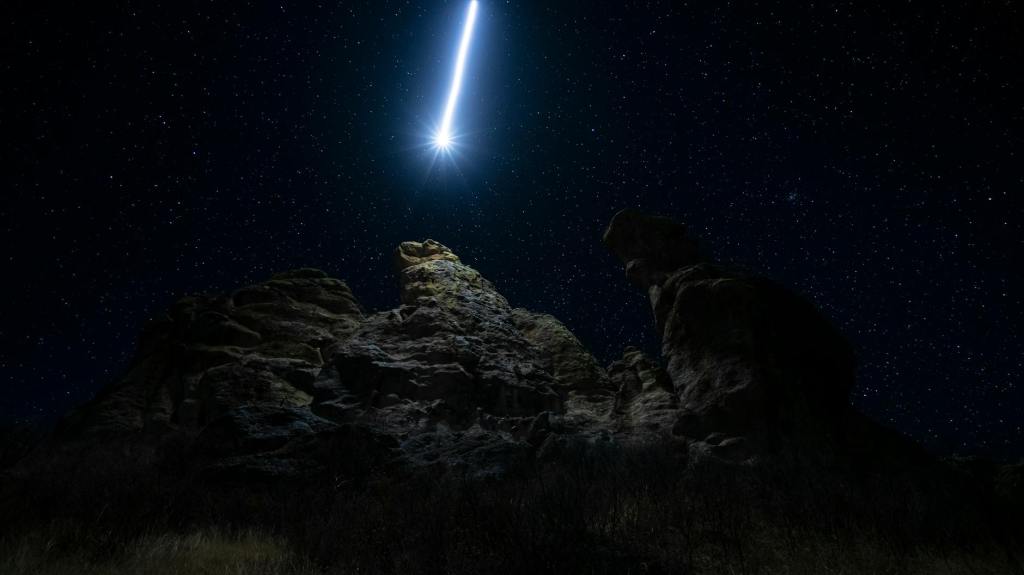
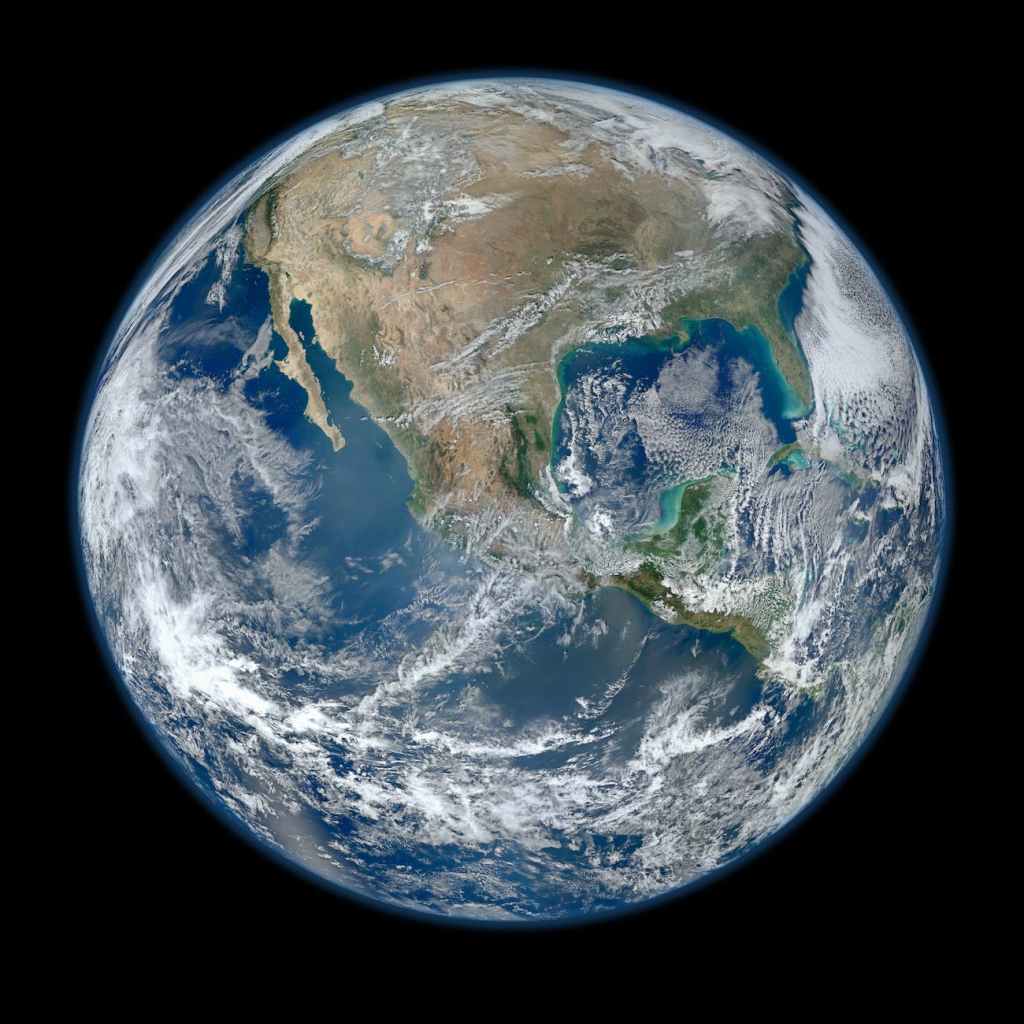
For anyone who thinks dinosaurs are extinct you should try living near vast colonies of seagulls, where we do, and try to keep your car clean. But, as every schoolchild knows, most dinosaurs, especially the big scary ones, really did go extinct one day 66 million years ago when a rather large asteroid landed in the Gulf of Mexico(or do we now call it the Golf of Trump?-check before publishing-ed) But what was it like to live through that momentous day in the history of the world? Now erudite Professors Michael J Benton and Monica Grady, writing in the Conversation, have made a stab at recreating the colossal impact, through the eyes of the creatures that lived through it, from the day before until many years later when everything had played out.[1]
Well, imagine it for yourself, gentle reader. A warm Cretaceous day like many others, a Friday perhaps, with the prospect of a sunny weekend ahead…. Ankylosaurs scuttling through the undergrowth, Triceratops and T. rex vying for number one spot at the watering hole, all normal and above board, until…..well, we won’t spoil it, gentle reader. Click on the link and read for yourself.
And remember this thought. However urgent your latest report seems to be, however late the train is for the next meeting, or how long you have to wait to park at Sainsburys, trouble- unexpected, unforewarned, undeserved even- may suddenly come at you from out of a clear blue sky. And change things round more than somewhat. And finally: if we had lived there at that time, it really would have been a Friday, because everything bad happens to us twice.[2]
Opponents of evolution and natural selection are fond of quoting the eye as an example of irreducible complexity which they imagine will wash away all objections to their creeds: “How could anything so complex have evolved without a very clever chap like God being behind it?” they ask, “and why would it have evolved as it only works when it’s completed?” Aside from the logical error which astute readers will have spotted at once, the story of how eyes evolved not only demonstrates how it happened, but answers so many other questions,that it’s actually rather more interesting than the stories offered as an alternative. Read this beautifully explained article in the Conversation by George Kafetzis and Dan Nillson [1] for a full exposition. Our humble summary appears below.
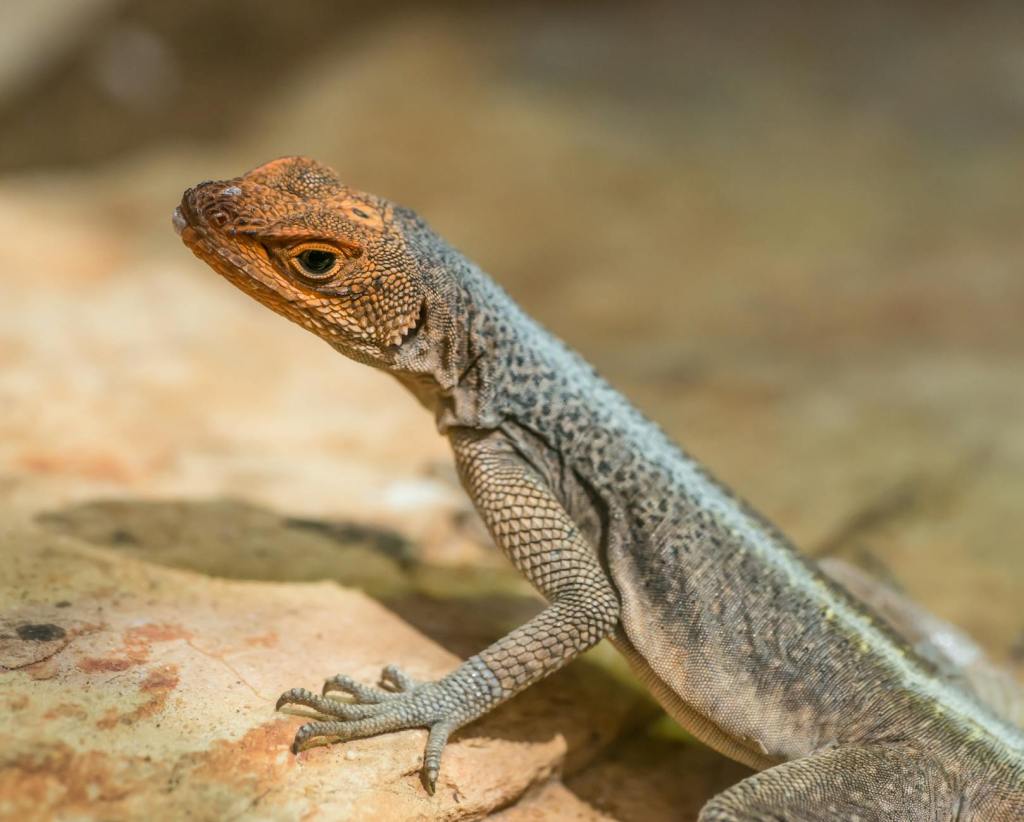
About 620 million years ago there lived an animal that was ancestral to all animals that would ever have two sides and move forward. It needed to steer as it swam: so it had two light sensitive areas symmetrically up front on either side. Another patch on top told light from dark, and which way up it was. And there it might have ended except for two things One group of these animals went to live in the mud as filter feeders. Having no need to swim they lost the steering eyes. Of course they kept the middle eye as it as still important to know if the Sun was shining. But when some of their descendants in turn started swimming again they needed to steer. Slowly the sides of the top eye moved apart, developed lenses and became eyes. These were the vertebrates. And this is why the eyes of all vertebrates-fish, lizards, birds and humans are so very very different from all other animals :invertebrates, such as scorpions, flies, octopuses and so on . Never giving up moving, their ancestors needed those original bilateral side eyes which slowly became more and more complex. Look at a fly if you don’t believe us. For the record the vertebrates kept the third top eye, its just that in mammals it has shrunk to the internal pineal gland where it still controls lots of light-related things like sleep and melatonin release
Its funny to think of eyes starting simple, evolving, un-evolving in some groups, and then evolving again, all according to the needs of those animals at the time. Its refreshing to find our basic LSS beliefs confirmed. Truth, or knowledge worth knowing, is complex and requires a lot of patient exposition to tease out. And it shows that simple, this-explains-it -all tales only end up obfuscating any real understanding.l. Nice to think that what happened 600 million years ago still has lessons for us today.
Photo by Yogendra Singh on Pexels.comPhoto by Samet u00c7olakou011flu on Pexels.com
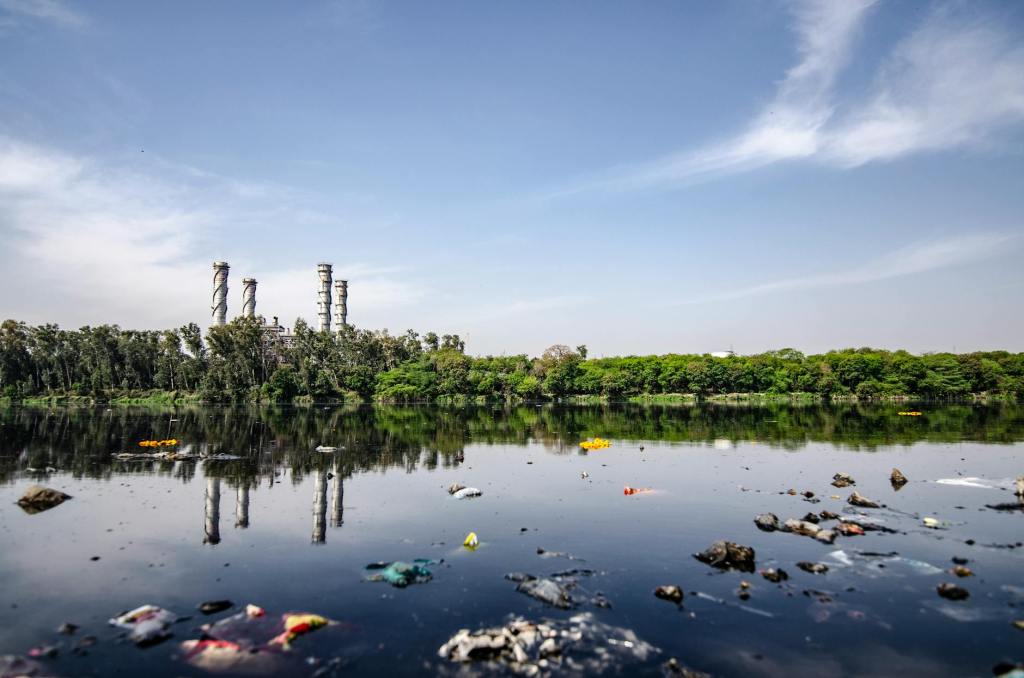
We kicked off this series with a blog about global warming: if that’s not a pollution story, we don’t know what is. But as several of you pointed out, there are many other forms of pollution in the world, all equally insidious and all resistant to efforts to clean them up. So here we go.
Pollution is the purest demonstration of the nation state’s irrelevance. PFAS don’t recognise sovereignty. Microplastics don’t stop for border guards. Nitrates don’t care who won the last election. They move through the world according to the laws of physics, chemistry, and biology, not geopolitics. And yet we persist with a governance model that is incapable of addressing a problem so acute it threatens basic survival.
Meaning companies have every incentive to dump where enforcement is weakest. Meaning diplomatic stalemates ensure treaties — if they exist at all — move at the speed of the slowest government. Meaning a jungle equilibrium of absolute economic self‑interest prevails, and no state wants to, or can afford to, be the first to tighten rules.
Take mercury. The Minamata Convention (2013)[1] was meant to curb global pollution from this utterly unpleasant and dangerous substance. But it is a broken reed, riddled with exemptions, get‑out clauses and pulled punches. National opt‑outs, slow phase‑outs, feeble enforcement and zero penalties for non‑compliance. Global mercury emissions have not meaningfully declined since the treaty was signed — and in some sectors have increased — seeping into rivers, seas and oceans, and contaminating supposedly healthy foods with a potent neurotoxin.
And alongside mercury we could list such fracases as PFAS (no treaty at all), the Asian brown‑cloud smogs, [2] the Basel Convention on plastic waste (more holes than Emmental cheese), not to mention our own bête noire of antibiotic resistance, where a total failure of international co‑ordination may yet lead to the most deadly health emergency of all.
At no point do we blame individuals, nor look for sinners against whom we may throw stones. Everyone caught in this trap is acting in their own rational self‑interest. Governments, by definition, measure themselves against other governments. The system has worked reasonably well up to now — at least it allowed copying from better practitioners. And companies are simply obeying the iron economic rules of profit and loss, buy and sell.
The trouble is that these rules now operate globally, while regulation remains national. And all the pollutants we have mentioned fall into those gaps — where they will continue to accumulate with deadly effect.
The greatest problem in conservation and pollution control is that as soon as someone introduces a new measure, however reasonable, someone else pushes back. Try to control traffic pollution(demonstrably toxic) and all the van drivers get up in arms. Try to restrict smoking, and there’s a huge uproar crying freedom, autonomy and the right to die in peace. Yes, progressive ideas may be rational and based on scientific evidence and of long term benefit. But all too often, they can give people something to lose here, now, in the short term. Everyone really, truly need conservation and pollution projects to succeed quickly, here, now as well. The answer suggests Jonathan Watts of the Guardian, is lying on the banks of the Yangtse river in China and its called Evolutionary Game Theory [1]
The Yangtse had got into a pretty sorry state over the 70 or so years up to 2020. Too much fishing, too many dams. too much pollution. An iconic species called the Baiji dolphin (Lipotes vexillifer) was even driven to extinction, a heart-breaking tragedy if ever there was one. Something had to be done. And instead of just imposing bans and top down heavy handedness, the authorities boxed clever Check this out form Jonathan:
[the policy}t was designed according to the principles of evolutionary game theory, to assess how the three main bodies affected – communities, local governments and central government – would behave depending on different applications of punishments and rewards……The government spent about $3bn on compensating and finding alternative employment for about 200,000 fishers, scrapping many of the 100,000 boats involved.
In other words ordinary people were not treated as reckless ignoramuses, but just strugglers like the rest of. They were both brought in and bought in. a lesson many governments and well meaning reformers could do well to learn from. Now the great river, one of the undoubted wonders of the world, is starting to recover. Albeit a little groggily in places. Combine that with China’s CO2 emissions starting to flatten out, and their huge lurch towards renewable power, and you may get a glimmer of hope indeed.
With the current tensions in the Middle East flooding the channels, you could be forgiven for thinking that benighted region is the only part of the planet that counts. It isn’t. It soon won’t count for much at all. And once again we are indebted to that most erudite of writers, George Monbiot of the Guardian[1] for telling us why. George has got hold of a report called the UK National Security Assessment, written by some of the sharpest minds in the country- MI5, GCHQ, that lot. And when we say they’re bright, trust us -they are. We won’t deprive you of the pleasure of reading all of George’s article. But the essence is simple: rapidly accelerating climate change is completely upending the normal relationships between nations, and taking us all to a dark and dangerous place
Let’s take one example. The glaciers of the mighty Himalaya-Karakoram system supply the water to some of the largest and most economically important rivers in the world. Among them are the Yangtse, the Mekong, the Brahmaputra and Ganges. All in all, they are the lifeblood of about 2 billion people in some of the world’s most progressive economic areas. And now those glaciers are melting-fast.[2] Leading to both short term floods and long term water shortages. At the moment this region is divided among three major powers_ Pakistan, India and China. All are nuclear-armed. All, being nations will attempt to defend their own local interest and local potentials, for that is what nations do. Each will reach for the water it must have to survive. And sooner or later these interests will clash. Mightily.
Now there will be a temptation among some of our readers, particularly those who hang out in the Dog and Duck, to say “let them get on with it- we can just sit it out” (That is a very polite way of conveying what they will say). But you can’t, gentle readers. As you may have noticed from your History, world wars are like beach parties, they tend to draw everyone in. Powers like Russia the USA and the EU will be forced to choose sides if only to protect their supply chains. Add to that the effects on migration numbers from all those refugees, world prices, supply chains and collapsing currencies and you have a mess to make the financial crash of 2008 look like, like-well one of those beach parties we alluded to above, really. Here then at last will come the consequences of doing nothing serious or substantail about global warming. And it will be well deserved by us all.
We think we owe you a truly massive overwhelming apology, gentle reader. And this is why.
“Will the world end with a bang or a whimper?” is a question we’ve covered before here. We’ve even mentioned a few possibilities such as magnetic flips ,exploding volcanoes and more insidious effects like pollution and pandemics. (LSS passim)Yet it was while researching another topic entirely that we came across a wholly unexpected and entirely man-made problem that we thought you should know about: Nitrogen, [1] [2]and its derivative compounds which has been unleashed on an unprepared world in uncontrolled quantities for over a century. The reason it’s rising so fast is simple: we are manufacturing and releasing unprecedented quantities of reactive nitrogen—fertilisers, manure emissions, industrial by‑products—far beyond anything the planet’s natural nitrogen cycle ever evolved to handle.
Why so much? Because the Haber–Bosch process unlocked a torrent of synthetic nitrogen, and agriculture embraced it as a miracle. Global production of reactive nitrogen has soared to many times its pre‑industrial level. Locally, this can boost yields, but it comes with a hidden price: soils become chemically dependent, losing the microbial communities that once fixed nitrogen naturally. Excess nitrogen washes into rivers, fuelling algal blooms and dead zones; it volatilises into nitrous oxide, damaging the ozone layer; it accumulates in ecosystems, favouring a few aggressive species while starving others. And things are never so bad that they don’t get worse. Nitrous oxide is the quiet heavyweight of greenhouse gases. molecule for molecule, it traps far more heat than carbon dioxide and lingers in the atmosphere for over a century. It’s also the single largest ozone‑depleting emission humanity still produces. And yet most people barely register it. So what looks like abundance at the farm gate is, at planetary scale, a metabolic overload.
And this is the deeper tragedy: millions of farmers, each trying to solve a local problem—how to feed crops, how to secure a harvest—collectively drive a global destabilisation of the nitrogen cycle. We’ve built a civilisation addicted to excess nitrogen, and the system now expects those inputs just to function. The long‑term risk is that we push soils, waterways, and atmospheric chemistry past thresholds that cannot easily be reversed. What began as a triumph of human ingenuity has become a planetary dependence, and the bill for that dependence is only just beginning to arrive. A silent catastrophe of soil degradation, desertification, wetland collapse (LSS 28 5 24),biodiversity loss from nutrient overload, and fisheries collapse.
And now for our apology, gentle readers. For several years now we have been repeatedly warning you of the dangers posed by antibiotic resistant bacteria and climate change. We had not a single idea about this nitrogen crisis building up all around us. None whatsoever, We profoundly and unreservedly apologise to all of you-readers, contributors researchers and hard working staff, even the ones in HR. And we say this-never will such an oversight happen again in this mighty organisation. But do not be alarmed. From now on we will search the world ceaselessly to bring you news of fresh perils, unexpected lethal dangers which may be lurking ready to wipe us all out Or if not that, at least reduce the handful of survivors to subsistence-level barbarism in a lawless, violent post-apocalyptic world. We think we may even have uncovered a few already. Follow us if you want to know more about what they are.
Ihave lived long enough, my way of life is fall’n into the sere, the yellow leaf…..Macbeth Act V scene 3)
Most of us would pretty much agree with the Thane of Glamis. But up to now, achieving that Pan-like state of eternal youth has been no more than a dream, whatever the cosmetics companies say. Until today, when recent discoveries of a protein in the Bowhead whale suggests that this same eternal dream may actually come true. We’ve two takes on the story: a popular one from Ashleigh McCaul of the Mail: and a more in-depth view from Nature BriefingsSecrets of a 200 year old whale which carries, as ever, links to deeper coverage (no whale pun intended)
A cold-activated protein that helps to repair broken DNA could be the bowhead whale’s secret to living sometimes for more than 200 years. Researchers travelled to northern Alaska to collect samples of tissue from the whales (Balaena mysticetus) from Iñupiaq Inuit communities. The team found that the whale’s cells produce a protein called CIRPB, which helps to mend potentially cancerous DNA mutations. The results show that an efficient DNA repair system is “a very effective strategy to confer this extreme longevity”, says molecular biologist Zhiyong Mao.Nature | 4 min read Reference: Nature paper
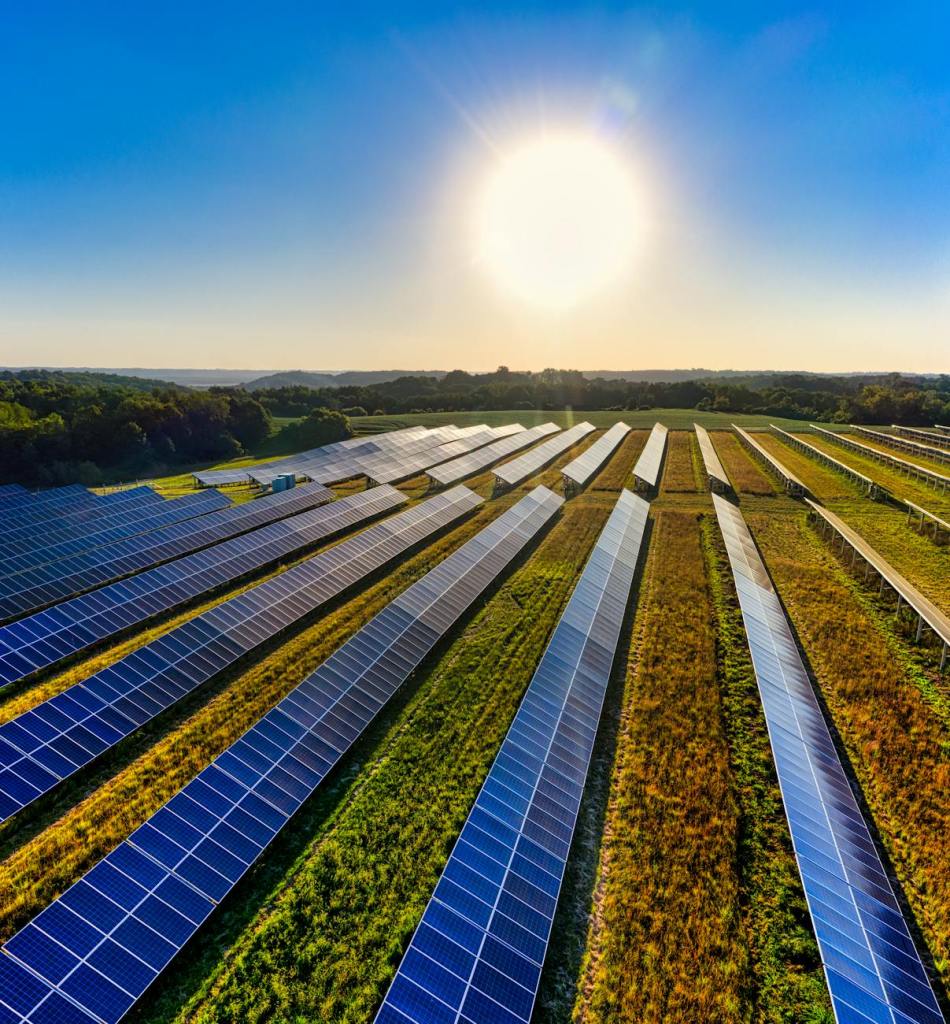
And our opinion? it’s interesting how science is fine when its discoveries coincide with the deepest wishes of the population. Yet science is not so convenient when it reminds of certain uncomfortable truths, such as the imminence of catastrophic climate change, The response of some is to launch culture wars, wherein the conclusions and recommendations of the educated must not only be resisted, they must be actively torn down if at all possible. This article by Alex Heffron and Tom Carter-Brooks for the Conversation chronicles how this is currently playing out in the English countryside., where some persons are trying to foment opposition to the installation of solar panels on private land. Of course, motives will be mixed: and not all of us think an array of panels is quite as pretty as a meadow of waving wheat. But we must have clean power: or we will surely die, young and old alike.
We are certain you will find a comparable example near to where you live, gentle reader Yet it’s the psychology of all this that gives us this thought, for what it may be worth. Now, It was said of Peter Pan than he never grew up. The best definition of growing up is to realise not all your wishes can come true at once. It seems some people must do more to recognise that, however many decades they have accumulated.
We have a of a confession here. We’ve always neglected fungi, that third mighty kingdom of life in favour of their more photogenic relatives, the animals and the plants. It’s a stupid oversight, as anyone who has enjoyed a glass of beer along with a bite of cheese can tell you. Not to mention Penicillium which was, after al the raison d’etre, the very fons et origio of these blogs which we so selflessly pen every day for your common benefit, gentle readers. Well now that’s all going to change. Fungi are on their way in from the cold starting with this intriguing piece from Emily Stern of the Daily Mail. Intriguing because it turns a bit of a baddie into a very Good Thing indeed.[1]
For many years researchers into old things like dead Pharaohs and dead Kings of Poland had a problem. A number of them kept dropping dead, due to the activities of a fungus called Aspergillus flavus[2] that lived in the shrouds and wrappings on the bodies of the extinguished rulers. Normally it performs a useful role in places like gardens and allotments by breaking down plant matter of all kinds. But get too close, breathe it in-and you could be a goner. So it has always been treated with a a wary circumspection. However, the ingenious Dr Sherry Gao and her co workers have discovered something else. Hidden inside the tissues of the meek mould are chemicals called asperigimycins. They seem to have anti leukaemia potentialities on their own: but, if combined with certain classes of lipid, they can get very good at it indeed. Read this from Emily’s matchless prose
They then added a lipid that’s also found in royal honey to another variant of asperigimycins and found the method killed just as many cancer cells as the drugs cytarabine and daunorubicin.
There’s a few lessons here for those who like a good moral tale. Firstly that Nature is full of hidden goodies about which we have no clue. Secondly even dangerous things can be turned to our advantage if you handle them with due care and caution(remember our old blog on Komodo dragons and antibiotics?) And thirdly, as in nature as in people: you never know which one is the one who saves your life. Treat them all with respect.And stop chopping down all the forests.
They’re new and they spread fast. They mutate, jumping species barries with ease. Many of them are new, meaning there are no vaccines and no established treatments. They seem to come in many forms- prions, viruses, bacteria, whatever. What are they? Panzootic diseases. They may turn out to be the most significant health risk of this decade, making it time we all thought more about them. So here are two articles which we hope will give you, gentle reader, a sort of jump-off point from which can can know more.
Let’s start with the eloquent Luke Andrews of the Mail, who concentrates specifically Chronic Wasting Disease, or CWD for short.[1] It is caused by our old friends Prions (remember CJD?) and seems to be fatal to every animal it infects. Infection is by simple contact with any body fluid; and as deer are widely hunted from Wyoming to Pennsylvania, Luke identifies a growing problem, at least in the United States. More worrying for us is Luke’s report that it has jumped to wild pigs (that’s it displaying panzootic behaviour); it causes us to worry what may come next,
Pulling back for a broader view, we come to the erudite Phoebe Weston of the Guardian.[2] Unsurprisingly to well-informed LSS readers, her classic example of a Panzootic is H5N1, the avian flu which is currently ripping through hecatombs of our most iconic species of mammals and birds. If you think in terms of hard cash, how good is that for the tourist trade? Intriguingly, she sees COVID-19 as a classic Panzootic disease as well, as it seems to have spread to 48 species (no, we didn’t know that either). Best of all, Phoebe praises a book by a man called Mark Honigsbaum called The Pandemic Century; we link to a quick review here.[3] Because the causes of this are actually quite simple: uncontrolled development. destructive short-term farming and an insatiable hunger for things which bring instant, short-term gratification. That is the real sickness.