
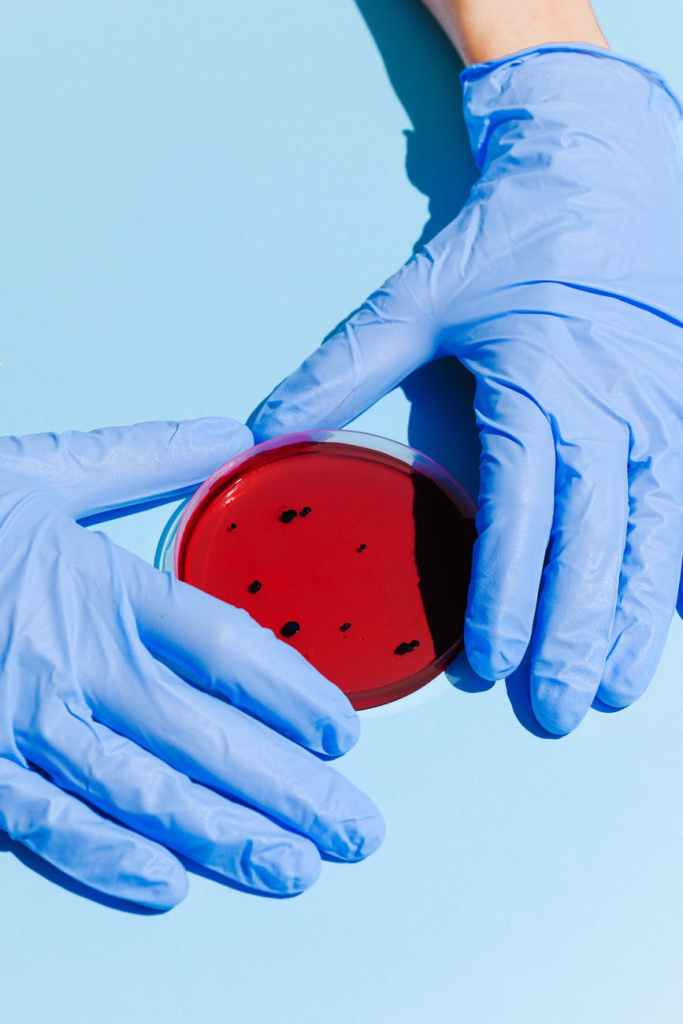

We have always hoped that AI would do for antibiotics what it has already done for protein design. (LSS 1 12 20; 26 3 23) Now there is a real possibility that these hopes may come true. Eric Berger of the Guardian covers a truly remarkable set of research by Professor de la Fuente and his team at the University pf Pennsylvania. [1] They have used an algorithm to mine vast sets of data to sieve out any compounds with potential anti microbial properties. As any reader will know, it would have taken years, if not decades, if they had just used teams of scientists in labs. Click on to Eric’s article, its very easy on the eye. But we’ll leave you with these thoughts:
Is this a game changer? Potentially, yes. It could allow the construction of a vast library of potential antibiotic compounds. The real problem of the last forty years has been, not just the steady failure of existing antibiotics, but the lack of a stream of potential replacements as resistance builds up. But we see a deeper lesson, good for all science. There is nothing so cooperative, so international, as a library or a database. Its contents cut across divisions of nationality, race, class, time even. If we are to survive the antibiotics crisis, and many other looming threats, we will need this approach more. Something to think about when some journalist or politician turns a group of people into “others”. Maybe we can learn something from them, instead.
[1]https://www.theguardian.com/society/article/2024/jun/05/ai-antibiotic-resistance
#antibiotics #AI #microbiology #research #database



 Learning, Science and Society