No more plants, no more antibiotics

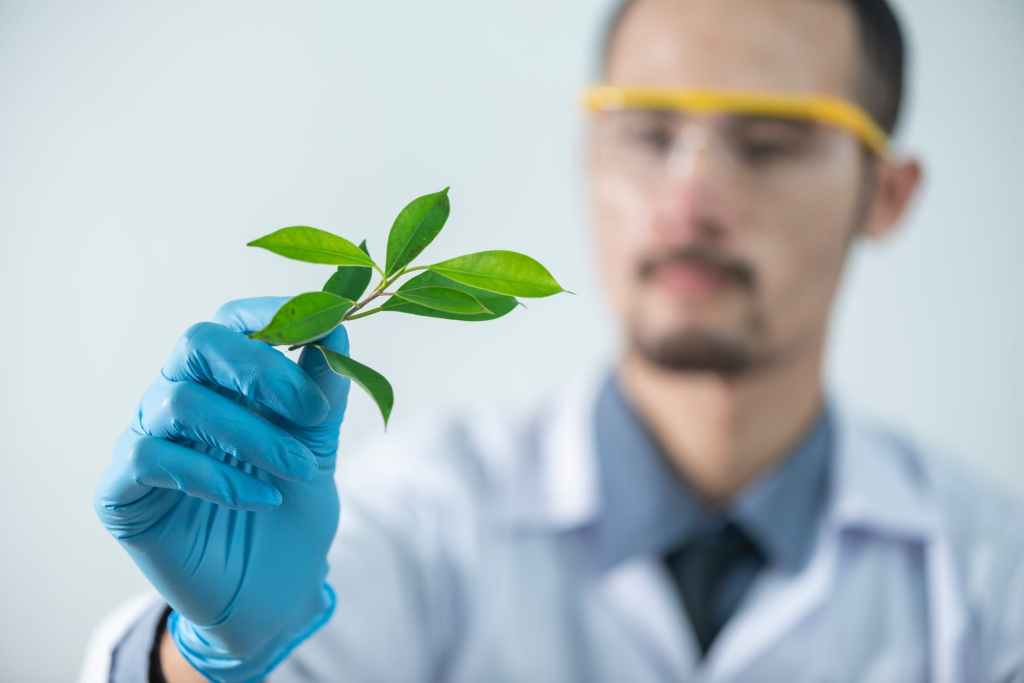
Losing plants and fungi to climate change is a quiet catastrophe for antibiotics and medical research in general because these organisms are our undiscovered pharmacy. A huge share of existing drugs — from penicillin to paclitaxel — came from obscure species that someone happened to find before they vanished. As habitats heat, dry, burn, or shift faster than species can move, we’re not just losing biodiversity; we’re losing chemical ingenuity that evolution spent millions of years perfecting. Every extinct fungus is a potential new antibiotic gone forever, every vanished plant a missed anti‑cancer compound, every collapsed ecosystem a library burned before we even opened the first book. The tragedy is not only what we lose now, but what we will never get the chance to discover.

Fortunately, the Royal Botanic gardens at Kew in London (one of the world’s most enlightened and learned places) is on the case as the erudite Damien Carrington makes clear for this article in the Guardian. The vital, almost neuralgic need, is to identify new plants before they are destroyed forever under a concrete miasma of shopping malls, motorway interchanges and cheap hotels. To say nothing of climate change: if you want proof of that, the flowering time for plants has been changing by 2.5 days a decade for the last hundred years or so, according to this article But the RBG are at last deploying the wonders of AI to speed up identification and classification, so the task of exploring the pharmaceutical cornucopia can be made much easier

Digitisation and online access to millions of specimens that were until now only accessible in archives is also producing new insights, especially in the global south, reports Damian They are even getting genomic data from 180 year old fungi, potentially opening a completely new line of research  But read the lot for yourselves gentle readers, by clicking on Damian’s lucid article

Now we could tell you much about how the foregoing cheers us on behalf of our pet project, antibiotic research or even for medical science in general; for we know some of you have wider concerns and interests. But we won’t. Instead we shall close with a naked, unashamed plug for that self-same Royal Botanic Gardens in Kew.[2]  Easily reached by bus , train or licenced London Taxi, it contains a formidable treasure of plants from the entire globe cunningly arranged in some spectacular displays Plus some delightful lakes full of fish and water fowl, pleasant lawns and excellent cafes and souvenir shops. If in London, visit it we say. Personal note: we remember from more than 30 years ago an excellent bar on Kew Gardens station where they sold excellent cold lager to compensate for the hard slog around the tropical greenhouses Does anyone know if it is still there?

[1] AI could help win ‘race against extinction’ of vital plants, say botanists | Plants | The Guardian

[2] https://www.bing.com/alink/link?url=https%3a%2f%2fwww.kew.org%2f&source=serp-local&h=9bhqK4eCioVZh7YfDibjFqdXtmBATJUp73lhpA8kti0%3d&p=lw_magsmlt&ig=

#botany #pharmacology #medical research #royal botanic gardens kew #ecology #plants #fungi
Our thoughts for the New Year: a little works better than a lot

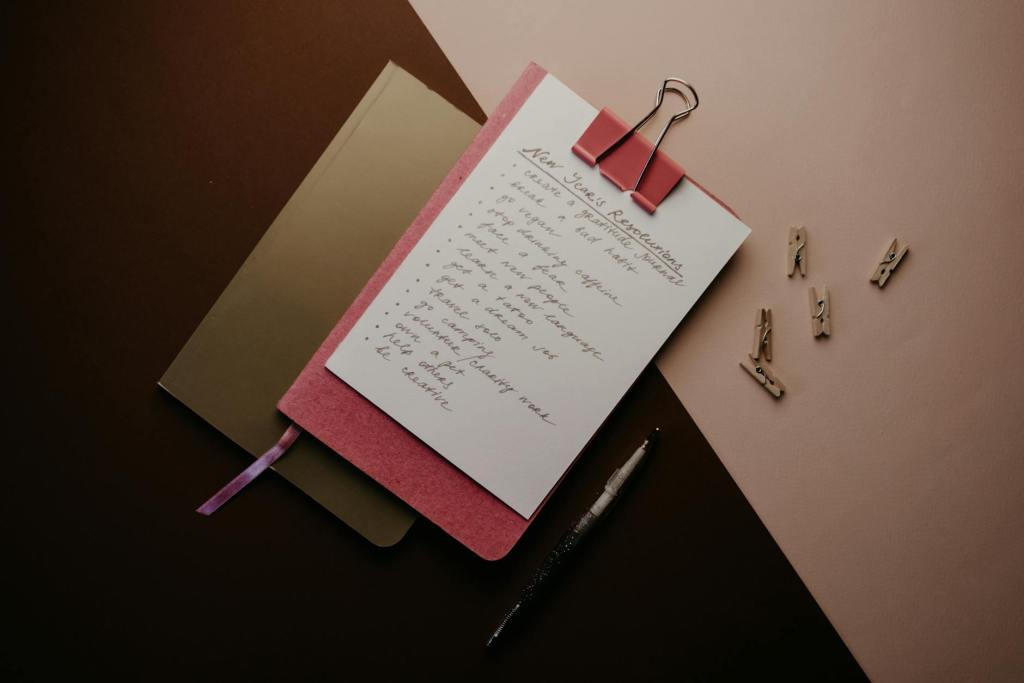
The first few days of the year are always filled with a media barrage of advice. You can’t go on the interweb, open a magazine or turn on the telly, without some omniscient panjandrum telling you to do a dozen worthy things. Eat less, until you look like a prisoner in the Soviet Gulag. Run like a marathon athlete. Fill your mind with worthy moral projects and take on so many new tasks that you become a Different Person. All by January 10th. We know none of this ever works, because if it did the experts would not have to repeat themselves every year. And the reason it doesn’t work is because it’s asking too much of people.

It was the late great Dr Michael Mosley who realised this. In his eminently readable work Just One Thing: How simple changes can transform your Life [1] He sets out a whole slew of small ideas which people can achieve rather than big things which they can’t. If you want to discover what they are read the book. But it inspired us to go around the mighty offices of the Learning Science and Society Headquarters here in beautiful Croydon and ask people about their ideas for New Years resolutions which will stick. Here are our findings:

Commuting get off one stop earlier than normal, and walk. OK if your stops are only a quarter of a mile apart But what if you live in Haywards Heath and work in Croydon? You’d have to walk from Gatwick. Our verdict: good if sensibly applied

Dry January which most people interpret as no booze from New Years day until Valentines Day. Feasible and- we have actually done it. But what if your local Toby Carvery is offering a crazy special at £6 a head? Are you really going to sit there and drink water?

Declutter a cupboard Makes space and is exercise of a sort provided you don’t gash your head on an exposed door and have to have the splinters removed in Croydon General Hospital. Plus the local charity shops will just love all those old mini discs, pencils, tatty files , keyboards, adding machines, unused 1997 diaries, abacuses and stone tools which you find. But what if you don’t have a cupboard?

Learn the name of a colleague whose monniker you have forgotten/never knew anyway Ok as far as it goes but could be creepy. Being on the Board, we are used to this all the time and with practice it’s not as tricky as it looks.

Read one page from a book each day Ok slows you down and broadens the mind But what if the book is Mein Kampf or the Croydon Trades Directory for 1989 ? Verdict: choose carefully

Give someone your full intention for 60 seconds Oh come on, these are meant to be achievable!

So here are our conclusions, to sit alongside those of the great Dr Mosley. Da quod jubes et jubes quod da, we say (give what you command and command what you give) A favourite catchphrase which we share with St Augustine of Hippo. On which note we will simply wish you all a successful 2026.

Our thanks to the staff of Croydon General Hospital and apologies for the extra work we caused them

[1]Mosley, Michael. Just One Thing: How Simple Changes Can Transform Your Life. Short Books / Hachette UK, 2022.

#health #diet #New Year