
Our thoughts for the New Year: a little works better than a lot

The first few days of the year are always filled with a media barrage of advice. You can’t go on the interweb, open a magazine or turn on the telly, without some omniscient panjandrum telling you to do a dozen worthy things. Eat less, until you look like a prisoner in the Soviet Gulag. Run like a marathon athlete. Fill your mind with worthy moral projects and take on so many new tasks that you become a Different Person. All by January 10th. We know none of this ever works, because if it did the experts would not have to repeat themselves every year. And the reason it doesn’t work is because it’s asking too much of people.

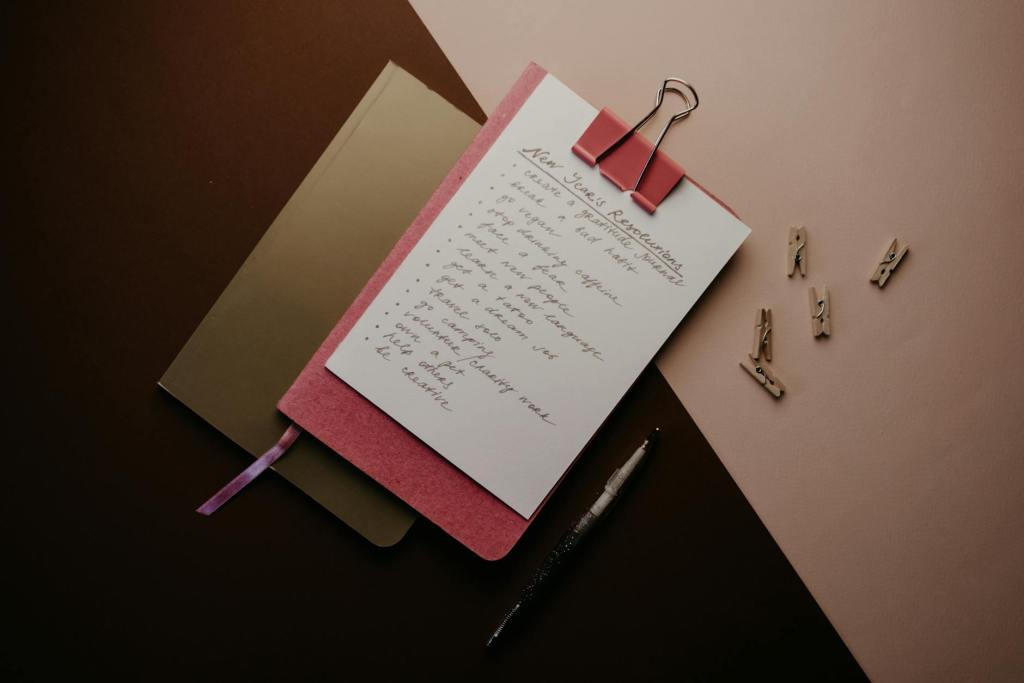
It was the late great Dr Michael Mosley who realised this. In his eminently readable work Just One Thing: How simple changes can transform your Life [1] He sets out a whole slew of small ideas which people can achieve rather than big things which they can’t. If you want to discover what they are read the book. But it inspired us to go around the mighty offices of the Learning Science and Society Headquarters here in beautiful Croydon and ask people about their ideas for New Years resolutions which will stick. Here are our findings:

Commuting get off one stop earlier than normal, and walk. OK if your stops are only a quarter of a mile apart But what if you live in Haywards Heath and work in Croydon? You’d have to walk from Gatwick. Our verdict: good if sensibly applied

Dry January which most people interpret as no booze from New Years day until Valentines Day. Feasible and- we have actually done it. But what if your local Toby Carvery is offering a crazy special at £6 a head? Are you really going to sit there and drink water?

Declutter a cupboard Makes space and is exercise of a sort provided you don’t gash your head on an exposed door and have to have the splinters removed in Croydon General Hospital. Plus the local charity shops will just love all those old mini discs, pencils, tatty files , keyboards, adding machines, unused 1997 diaries, abacuses and stone tools which you find. But what if you don’t have a cupboard?

Learn the name of a colleague whose monniker you have forgotten/never knew anyway Ok as far as it goes but could be creepy. Being on the Board, we are used to this all the time and with practice it’s not as tricky as it looks.

Read one page from a book each day Ok slows you down and broadens the mind But what if the book is Mein Kampf or the Croydon Trades Directory for 1989 ? Verdict: choose carefully

Give someone your full intention for 60 seconds Oh come on, these are meant to be achievable!

So here are our conclusions, to sit alongside those of the great Dr Mosley. Da quod jubes et jubes quod da, we say (give what you command and command what you give) A favourite catchphrase which we share with St Augustine of Hippo. On which note we will simply wish you all a successful 2026.

Our thanks to the staff of Croydon General Hospital and apologies for the extra work we caused them

[1]Mosley, Michael. Just One Thing: How Simple Changes Can Transform Your Life. Short Books / Hachette UK, 2022.

#health #diet #New Year

LSS v The Guardian: Clash of the Titans. And the battleground is antibiotics

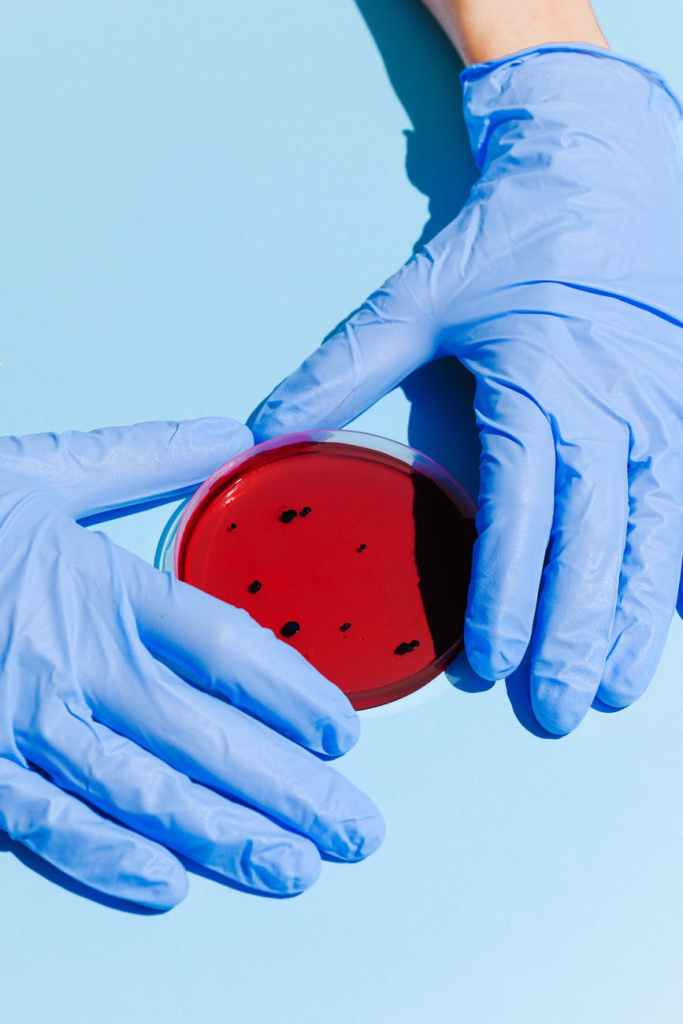
Readers of LSS, we present today a true clash of titans: us versus the popular daily newspaper The Guardian. For they have just published a leader article on antibiotics progress which takes an altogether different view to our own sunnily optimistic piece (LSS 18 12 25) about humanity’s general progress in solving the problem of antibiotic resistance. [1]

Avid readers will recall our effort well. Riffing on the work of the guardians very own Kat Lay (brilliant writer) we noted how the new antibiotics Zoliflodacin and Gepotidicin offered startling new horizons in the battle against gonorrhoea and other other unpleasant diseases of-well you know, down there, as they say. We hoped that, as antibiotics for these diseases had been developed, those for other diseases might soon follow. And thanks to Ms. Lay, we discovered the work of the Global Antibiotic Research and Development Partnership (GARDP) whose work we will now champion for ever more. All in all, everything was in a much better place than when we started this crusade, eleven long years ago, we concluded.

Not so fast, says The Guardian. Humanity may actually be losing the race to develop these new drugs. Since 2017 only 16 new antibiotics have achieved approval, and none of them are very different to the old ones. Which means resistance to them can be expected very soon. Point to them, we concede. They namecheck GARDP again, noting its work as a positive. But that the financial structures designed to encourage pharmaceutical companies to step up to the mark are still rather new. And-more points to the team from York Place- there is a rather incisive survey of where all these new antibiotics are to come from. Old LSS favourites like natural sources and AI modelling are acknowledged. But they are not all-curing magic wands. And what to do with any new antibiotics anyway? Ration them carefully, so that resistance develops more slowly? How do you do that in a world of billions, where people and information flow so freely, and the profits of piracy are so temptingly in reach? Gentle readers, your editors did not think of those ones fully either.

OK, we throw in the towel. Guardian 3 LSS 0 (FT). When it comes to superior knowledge, close reasoning and intellectual power, they have got us beat. But we take consolation gentle readers, When the genetic dice roll, they roll evenly. They got all the brains. We got all the charm and good looks. As the last picture above demonstrates very clearly. And yes- we promise another cocktail recipe before New Year.

[1]https://www.theguardian.com/commentisfree/2025/dec/29/the-guardian-view-on-antibiotics-recent-breakthroughs-are-great-news-but-humanity-is-losing-the-bi

#antibiotic resistance #antibiotics #health #medicine #microbiology #epidemiology #GARDP

Christmas Eve Punch: saving time for the desperate Hostess

If we know one sign that tells us that Christmas is near, it’s how frantically busy everyone becomes. Selecting presents, shops, buying presents, her office party, new outfit, school nativity play, unreasonable face time demands from parents, shops, his office party, wrapping presents, buying food, Christmas card list, exchanging new outfit, writing Christmas cards, shops, a present for the cat , his office party, sending Christmas cards, buying presents for people forgotten in first tranche, shops, deliveries, ridiculously unreasonable time demands from parents in law, buying drinks, a present for the neighbours’ cat, planning the menu for Christmas day, shops, buying a different new outfit because the first one didn’t match the tablecloth, planning the seating for Christmas day, more shops……..it’s a surprise anyone likes the whole thing at all. Then all the neighbours announce they are coming round on Christmas Eve. Seventeen of them. Even the ones who hate each other seem to have got together to plan this! But before you collapse into a nervous breakdown, we have a Cunning Plan. Which will afford you that most precious, most rare commodity that you will find this Christmas. Time. And how do you make time? Give your guests a good punch.

No more juggling 20 different wines and cocktails and beers and sherries for 20 different people, each with their own capricious needs. If you just mix up everything according to the recipe below and plonk it on the table you will save aeons of time and stress. And the beauty is-you can do some of the work the day before. So with the aid of the marvellous BBC food website, we present this handy time saving Christmas Eve Punch(click on link for full chapter and verse) [1] here we will skim over the main points

1 It’s simple: All you need are: gin, red grapes prosecco, cloudy apple juice, ice, stem ginger, rosemary and a clementine. All utterly available in your local Waitrose or Marks as you troll round on the Main Mission.

2 Its ergonomic: The day before( yup) pop the grapes, the prosecco and the apple juice in the fridge to give them that icy winter chill

3 Easy scaling up About 2 hours before The Hordes descend upon you, throw everything you’ve got into a Great Big Punch Bowl. Stir; then let it stand. Half and hour before combat arrivals take all the ice you can find and bring it down on your existing position.

4 Easy serve Just let them come up one at time and help themselves with a ladle. Keep the glasses small and let them pace themselves. With any luck you could yet turn a profit on all the bottles they have felt obliged to bring and can never take away.

We honestly believe that with the above, along with the right nibbles and decorations, even the most frazzled hostess can buy a bit of serious me-time. God knows you deserve it.

NEXT TIME: COCKTAILS FOR CHRISTMAS DAY

[1]https://www.bbcgoodfood.com/recipes/christmas-punc

#christmas eve #drinks #party #punch #festivities

AI-designed antibiotics: more good news to report

This is getting to be a habit. About a year ago we showcased a story about the redoubtable Professor de la Fuente and his team at the University of Pennsylvania who were starting to use AI for the development of new antibiotics. (LSS 6 6 2024). Since when our optimism has been justified seven fold over and seven, to coin a phrase. For today we are genuinely excited to bring you this story from James Gallagher of the BBC which takes things up to the next stage. [1]

Because another redoubtable Professor, one James Collins and his team at MIT have now used AI not only to identify potential new antibiotics, but also to synthesise them and prepare them for testing. What’s more, they’re going to try them out on MRSA and gonorrhoea, two recalcitrant old lags which have long frustrated researchers, as our long term readers will recall

The story ticks quite a few more LSS boxes with institutions like Imperial College and the Fleming Fund getting quotes. At last, things seem to be coming together. When we started our antibiotics obsession, ten long years ago, we foresaw the current civilisation collapsing under unstoppable plagues, just like the Roman one before us did. But if it does, it may not be for lack of new antibiotics: we feel we can say that much now. Plenty of lethal threats still confront us, from Global warming to the threat of nuclear war. And the recent collapse of the talks designed to limit plastic pollution is a shameful reminder of the cognitive limits of our species..[2] But: just occasionally, something can be done about something. Maybe that’s hope , for all we know.

[1]https://www.bbc.co.uk/news/articles/cgr94xxye2lo

[2]https://www.bbc.co.uk/news/articles/cvgpddpldleo

#artificial intelligence #antibiotics #antibiotic resistance #MRSA #MIT

Paracetamol from Plastic Bottles-this could be the start of something big

Remember how your mum always made you swallow water to wash down your headache pills? What if those pills had been made from the remains of a long discarded plastic bottle that some other child had been forced to undergo? According to the resourceful Nicola Davis of the Guardian, it’s about to happen.[1] And the implications are enormous.

A team lead by Professor Stephen Wallace of the University of Edinburgh has actually gone and turned old plastic bottles into medicine. Combining the very best in organic chemistry and genetic engineering, they have modified a strain of E. coli to make good old paracetamol, that standby of every household drugs stash the world over. [2] The details of how they do it may be read in the links supplied. But our interest today is somewhat different.

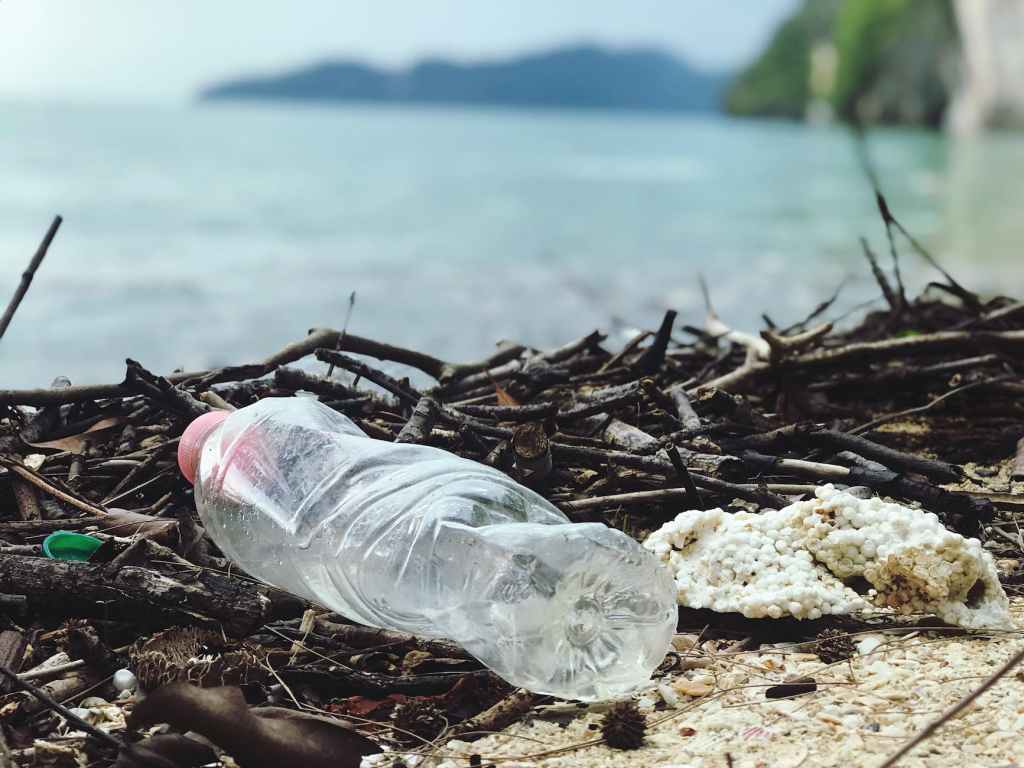
At last someone has found a use for all those mountains of ghastly plastic waste which so disfigure this once beautiful planet. It can be made into something which millions, no billions, of people can deploy every day: and to some beneficent purpose. And if paracetamol, why not other things? Meanwhile. fans of economics will note the creation of a demand., Soon people may be fighting each other in the streets to get the best plastic bottles to sell to wholesalers. Nations will go to war to gain access to those vast disgusting rafts of waste which currently drift around the oceans. There’s one sure way to modify the behaviour of the ignorant mass of humankind- Turn virtue into economics and let them make some money from it. The Professor and his team may have done just that.

[1]https://www.theguardian.com/science/2025/jun/23/scientists-use-e-coli-bacteria-to-turn-plastic-waste-into-paracetamol-painkiller

[2]https://www.nature.com/articles/s41557-025-01845-5

#genetic engineering #organic chemistry #plastic #pollution #medicine