Switzerland: an economy is never expensive if you live there

A sometime correspondent* and contributor to these pages has sent us the following report, which we have transcribed somewhat into a language fit for a lettered readership:

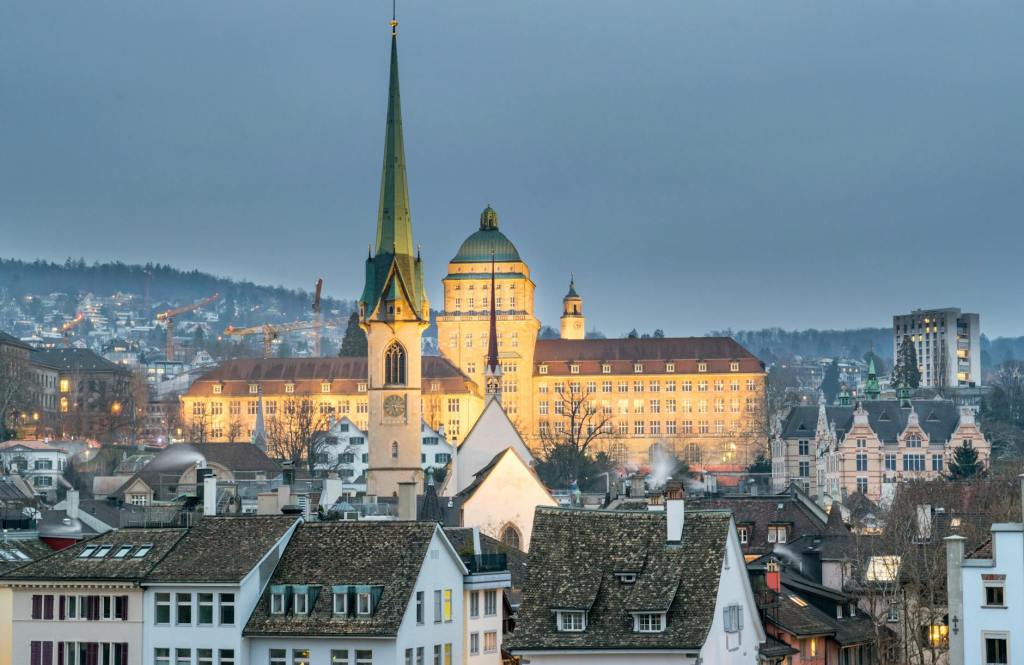
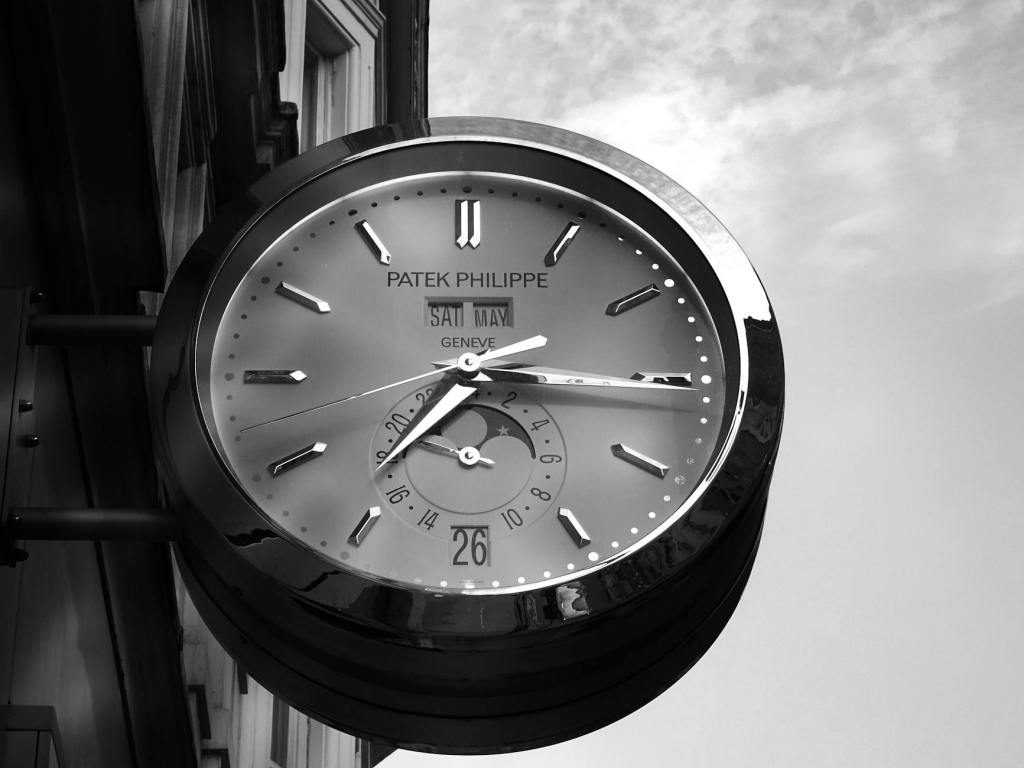
“Recently, my wife and I travelled through the republic of Switzerland, which was notable for many things. The cleanliness and order of all we saw, especially the city of Zurich. The split second precision of the trains and other means of transport. And the eye-wateringly expensive nature of food and drink. We were offered a bottle of the house red for £54, and it went up from there. Food was similarly exorbitant. Yet as soon as we crossed the border into Italy, the change in tone was remarkable. Trains were suddenly, and reassuringly, late at all times. But we could afford to eat once more” (they shared a delicious pizza-ed)

So what is going on? There are several lessons for us students of economics here. Firstly, you can run a high price, high paid economy rather well. Which renders all this talk about austerity and cuts rather irrelevant. Because an economy will not feel expensive to those who live in it , provided they use its currency. It will feel different to visitors from poorer countries, because their currencies will not fit with the prices on offer in the high wage economy. Secondly, if you want great services, they are perfectly possible- if you are prepared to pay for them. That these may be both a source of national pride and economic efficiency becomes a quod erat demonstrandum. Thirdly, that a cult of paying starvation wages is both inefficient and self-defeating. And finally-if you want a really good pizza, you still have to go to Italy.

We wish we could afford even that!

#switzerland #italy #price #income #keynes #friedman #economics

*for both legal and security reasons. we have been requested to keep the identity our correspondent anonymous
When AI met Archaeology

There’s nothing like a breakthrough, when a long delayed problem that no one could crack, suddenly yields to fresh thought. And opens the door to a vast potential new field of learning. Which is why this news from Nature Briefings has been such fun to read in itself, as well as digging into its juicy link article , which, by the way, is eminently readable. Essay on Pleasure revealed in Ancient Scroll

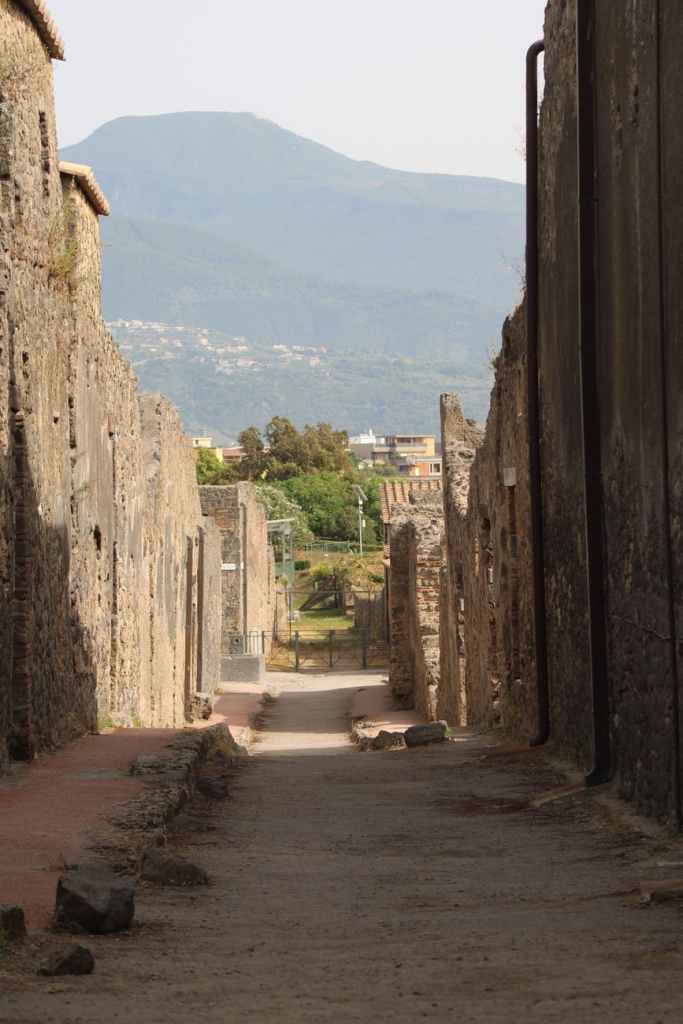
Student researchers have used machine learning to read text hidden inside charred, unopenable scrolls from the ancient Roman city of Herculaneum. The newly revealed passages discuss sources of pleasure including music, the colour purple and the taste of capers. The team trained an algorithm on tiny differences in texture where the ink had been, based on three-dimensional computed tomography scans of the scrolls.Nature | 7 min read

The point for us is this bringing together of two highly disparate disciplines. If archaeologists had said ”please give us enormous sums to crack the problem of the Herculaneum scrolls” someone would, very politely, have told them to go take a walk. And we take a safe guess that the principal interests of AI folk are directed towards finance, pharmaceuticals and physics. It’s when the two are brought together, serendipitously, that we see this marvellous synergy, this sum becoming worth infinitely more than its parts.

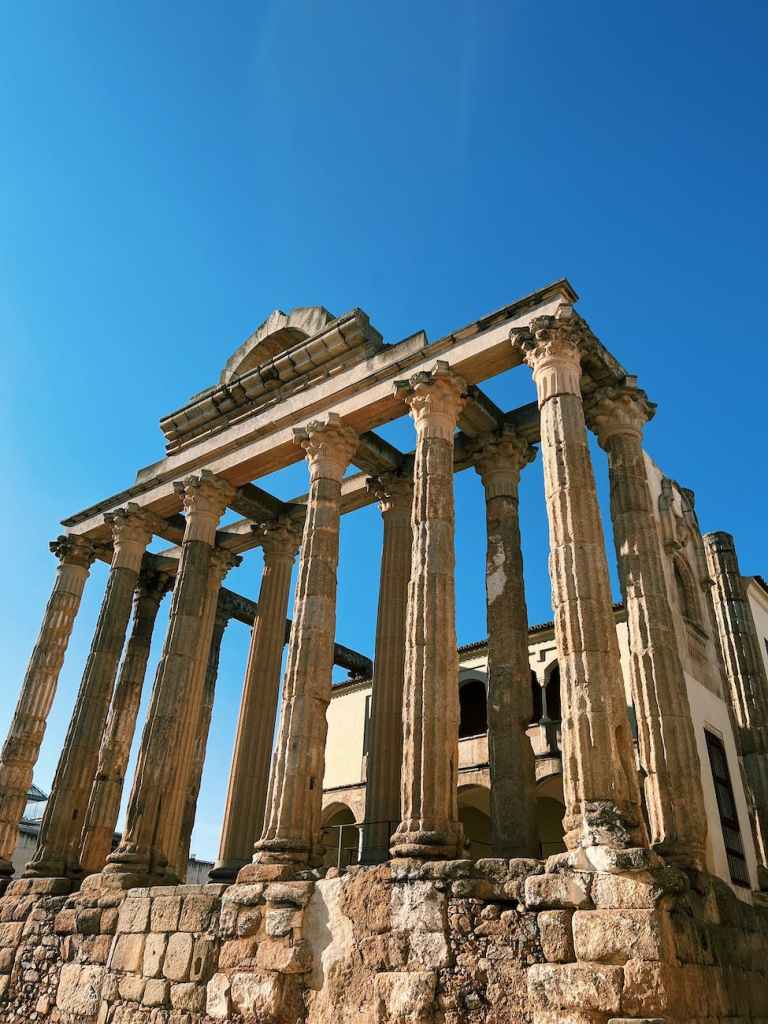
And what synergy! For all the many learned books which have been written about it, our knowledge of the Ancient World is actually rather limited. Even authors like Plato and Eratosthenes have only survived in a few, fragmentary texts. The same is true of many early Christian writings. There is only one fragment of the New Testament from before 150 AD, and its tiny. [1]The new CT technique could potentially decipher thousands of fragmentary or badly preserved texts. As our database suddenly grows, we may well find some startling new insights. Or old LSS doctrine that research money spent in one field will pay off in many seems to be vindicated once again. Time for a very smug cup of coffee. No biscuits.

[1]https://en.wikipedia.org/wiki/List_of_New_Testament_papyri

#archaeology #CT #AI #scrolls #herculaneum #greeks #romans #christians #jews