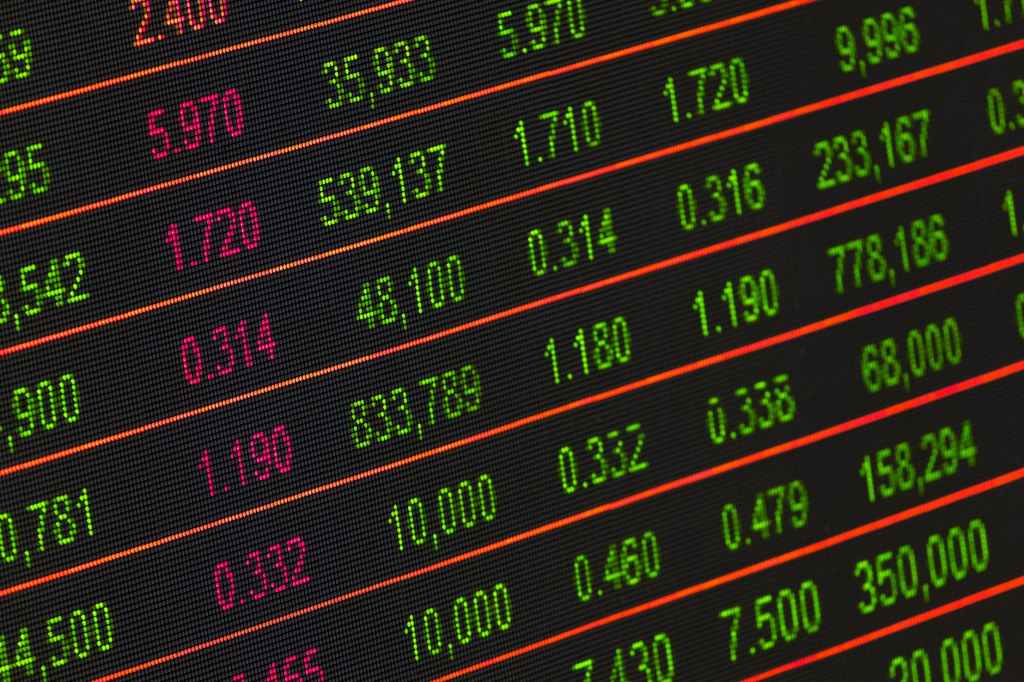
Stock markets: a crash waiting to happen?

Predictions of imminent and terrible stock market crashes are as cheap and common as chewing gum. That’s why we wouldn’t take them seriously at all if they didn’t really happen sometimes. With dreadful consequences, like the ones of 1929 and 2007-2008 for example. And so when an expert as prescient as Larry Elliott of the Guardian offers a warning, we have to sit up and take notice. [1]

Elliott builds his case carefully, first noting that the chances of the next crash increase the further we move away from the last one. He points to slowing US job creation, rising unemployment and inflation as signs of underlying problems, while the stock market continues soaring away to record levels. We at LSS might have taken even that in our stride were there not so many worrying parallels with the situation in 1929 just before the Wall Street Crash. That summer the economy was starting to show signs of downswing too, while the markets reached giddy new heights Then, as now wealth was concentrated in relatively few hands, making the rich responsible for a disproportionate amount of consumer spending. As Elliott points out

30% of the wealth of Americans[is] accounted for by shares. Since share ownership is concentrated among the better-off, the US economy is relying on the Wall Street boom continuing, and for the rich to carry on spending their gains.

If they stop, the downturn will be very sharp indeed; as it was in 1929.

And this is where our take on Elliott’s article becomes slightly disquieting. He rightly notes that American policy is sharply divided over what to do. Jerome Powell and the Federal Reserve want to leave interest rates where they are, to bear down upon inflation. As President Trump rightly adduces, this could bring down the Stock Market at any time. However, although the President’s idea of cutting interest rates might preserve the equity boom a little longer, it risks dangerous problems with Bond markets as inflation takes hold. For US Treasuries are not just bits of paper. They are still the prime benchmarks for setting lending and borrowing rates around the world. If foreigners lose confidence in US Treasuries, their own bond and equity markets will fall too, In turn dragging Wall Street into the crash the President so badly fears. Damned if you do; damned if you don’t. We do not envy him his choices.

[1]https://www.theguardian.com/commentisfree/2025/sep/25/us-stock-market-trump-wall-street-financial-crisis-federal-reserve

#economics #finance #shares #bonds #wall street crash #markets #depression
Why the Crash of 2028 was worst of all-and why we should have seen it coming

Croydon January 11 2029

Looking back to the events of last autumn they were so very huge and happened so very fast it is still hard to believe they occurred at all, let alone been seen coming. But no  market crash happens out of the blue . The causes of had been building up for years And just like  1929 and 2008 they were centred on the property market. With one new deadly ingredient: climate change.

By 2024, 2025 at the latest, it was clear that accelerating climate change was posing a systemic risk to the balance sheets of insurance companies.[1] [2] Vast areas of housing and other real estate close to coasts and along river valleys were  becoming too vulnerable to justify the potential payouts, however astronomical the premiums .But spurred by President Trump’s tax cuts, house prices soared: and people extracted money to binge on one last great consumer boom. Yet  after the series of giant hurricanes in the Gulf in the summer of 2028 , it was  not surprising that several insurers went effectively bankrupt: and others required government help of such size as to seriously weaken the dollar and cast doubts on the value of US Treasuries. Suddenly everyone paused spending. And as potentially uninsurable houses represent no value at all the property market turned down. Just as in 1929 and 2008,a collapse in spending followed, turning the situation from downturn into recession and recession into depression in a few short months. Stock market crashes and massive bank failures  followed by the same inexorable logic as in those earlier years. And this time there was no way back

For unlike 2008 there’s no benign community of co-operating nations to pool resources to the rescue.  As much due to the efforts  Trump administration as anyone else , the world is now divided in to hostile trading blocks. It is in the interest of each to see others fail, as they accrue power and status thereby. So China laughed as its American rival staggers to final ruin , opening a sure and  bloodless way to Taiwan. But worse still, unlike previous recessions there can be no return via the normal business cycle. Climate breakdown is the norm: and the conditions it has produced cannot go away, at least in our lifetimes. We ignored the warnings because it was said to do anything about climate change would be bad for business and spoil our prosperity. How ironic that sounds in view of the poverty we must all now endure. Forever,

[1] https://www.mckinsey.com/industries/financial-services/our-insights/climate-change-and-p-and-c-insurance-the-threat-and-opportunity

this piece by pitilla clark of the Financial Times is well worth jumping the paywall:

[2]https://www.ft.com/content/9e5df375-650d-492e-ba51-fb5a34e6ddd6

#global warming #climate change #financial markets #stock market crash #investor #economics