
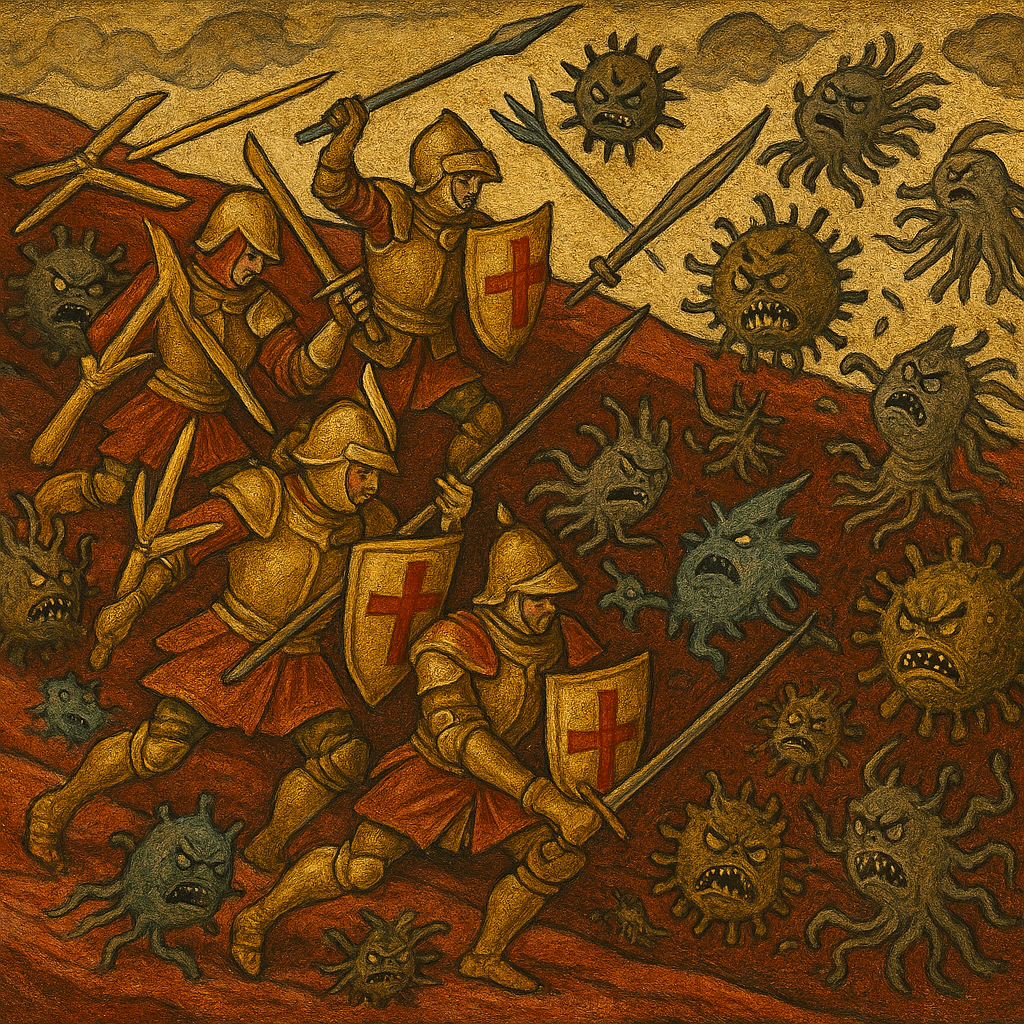

Do you understand the human immune system, or the even vaster world of immunology? Neither do we. Too big, too vast, too complicated. And that’s despite 43 years of trying and working along side some pretty nifty immunologists, back in the day. But AI does, Fresh from its triumphs on protein design (LSS passim) its superior intelligence has now been turned on the knotty problem of how to run up new antibodies. Read this, AI designed antibodies race towards trials from the indefatigable Nature Briefing
Scientists say they are on the cusp of turning antibodies designed by artificial intelligence (AI) into potential therapies just a year after they debuted the first example of an entirely AI-designed antibody. Previously, the structure of antibodies proved somewhat of a black box to AI models. But new and improved models — such as an updated version of AlphaFold — have more successfully predicted the shape of flexible structures that give antibodies the specificity they need to bind to foreign molecules. Researchers at several companies now say they’ve designed ‘drug-like’ antibodies. Nature | 5 min read
There’s a lot to unpick here, and we won’t try to do it all. The first thing that stands out is how quickly this is moving from proof of concept to clinical reality, The second is that the possibility that designed antibodies will target receptor sites hitherto off-limits to their natural predecessors. Think infectious diseases first, and rightly. But the implications for cancer therapy -and dare we hope, neurodegenerative diseases?- are clear after a moment’s reflection. Designer antibodies will greatly reduce the need for much animal immunisation and testing. And, perhaps a best of all, a thriving commercial ecosystem of start-up companies is beginning to form around the new learning, ready to turn it into everyday reality in a hospital or medical prectice near you, gentle reader.
Although we can’t claim credit for these advances-you all know us too well- we think it striking that they have come from the qualities we prize . Careful observation. Null hypotheses testing. Slow steady work. And always looking for what proves you wrong not what proves you right. Those qualities are what save lives and generally make them better. A shame that they are being abandoned now by a hysterical ignorant population and so many of its foolish leaders.
#immunology #antibodies #medicine #health #cancer #disease #biotechnology


 Learning, Science and Society