Human Evolution: More muddle in the middle?

Taking time out as ever from more serious matters, we return to our old playground of human evolution. And not just for R and R, important as that is. Also, because the methods and pronouncements of its scholars are important guides to how we should all approach any complicated and potentially controversial subject.

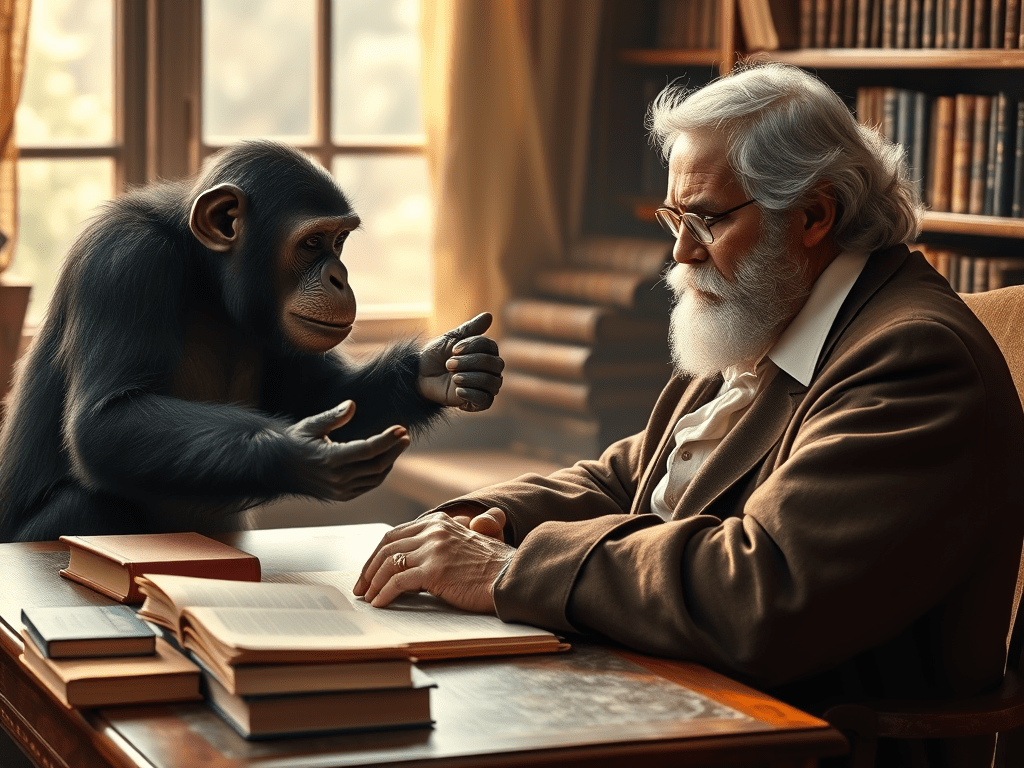
Until recently the origin of our own species seemed fairly clear cut. It emerged from a pack of other big-brained contenders (think Denisovans and Neanderthals among others) starting around 250 000 years ago, in Africa, and clearing the rest of the field no later than 35000 years BP. However recent work by Professor Chris Stringer of London’s prestigious Natural History Museum and colleagues have now cast this into doubt. It is even possible that the line leading to Homo sapiens may have started to go its own way before 1000 000 years BP. You can read why in these takes from Jonathan Chadwick of the Mail here [1] or a slightly extended version in the museums own PR piece here [2] It all goes back to 1990 and the discovery of a rather squashed skull called Yunxian 2 which was attributed to Homo erectus: a perfectly reasonable decision at the time. But using advanced new reconstruction techniques Stringer and his colleagues assert

……… Yunxian 2 displays a unique combination of primitive and more advanced traits. These include a large, squat braincase and a more projecting lower face, similar to Homo erectus. At the same time, derived features in the face and rear of the braincase, as well as a larger brain capacity, are closer to later species such as Homo longi (‘Dragon Man’) and Homo sapiens.

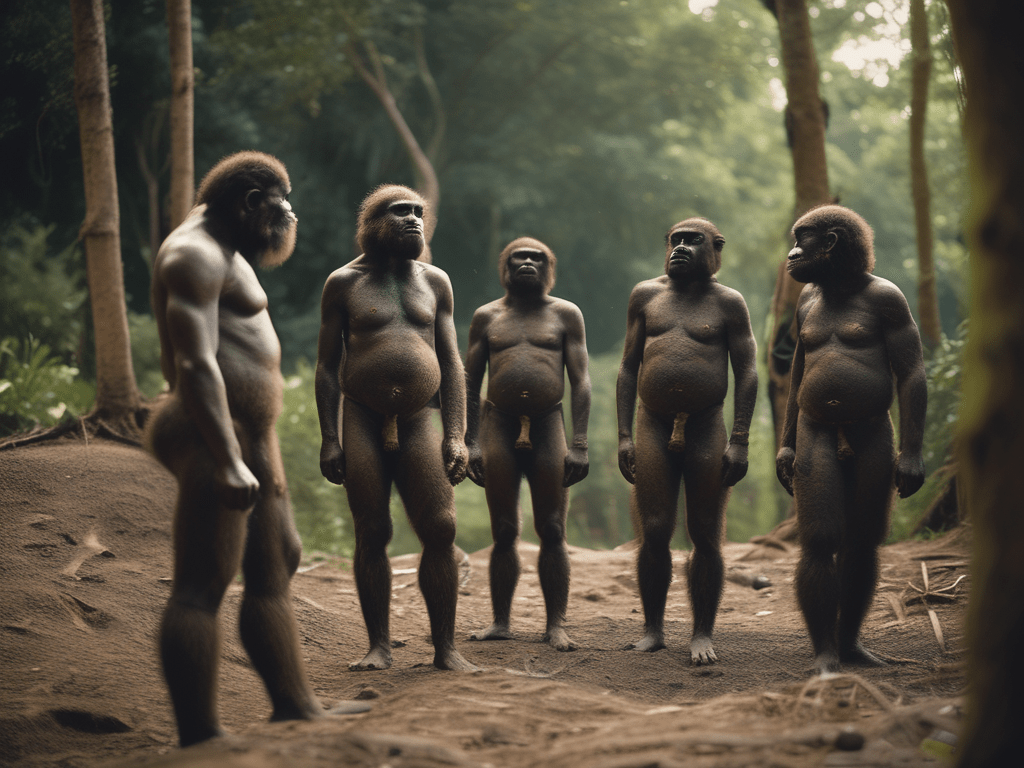
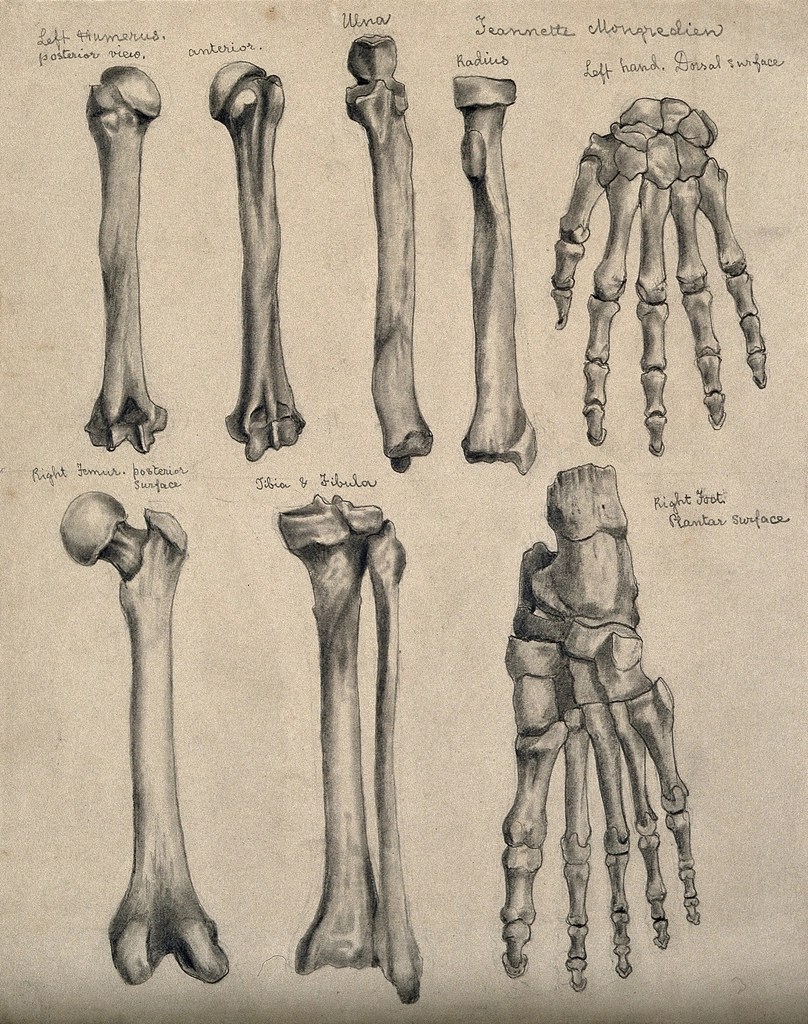
We have been following this game for for nearly six decades: so what do we think? First Chris Stringer is a fine scholar whom we have always admired. Secondly, we welcome all attempts to re evaluate data and set it in new contexts: that way real learning occurs. Our caveat is more with practice . Always and again in human evolution, new fossils found are baptised with confident new binomial Latin names in the great Linnean tradition. Then vast conclusions are drawn, which, in our experience, are substantially revised some years later. This has led not only to the muddle in the middle to which the articles allude. There are plenty more early on the story, and more than one much later on. We think the first clearing step should be to talk less about species, and more about gene frequencies populations. and ways of life. These clearly cluster at points of excavation, such as Afar, Java or Atapuerca to name but a few. But each point, however iconic, is represented by relatively few bones. There are enormous gaps in space and time between each, into which genes and populations must have been flowing all the time. Is it not possible that there has only been one human line all along, and that many of the variations are likely due to factors such as ecology, climate or isolation? The real answer is to dig, dig and dig again.

[1]https://www.dailymail.co.uk/sciencetech/article-15132633/skull-pushes-origins-400-000-years.html

[2]https://www.nhm.ac.uk/press-office/press-releases/analysis-of-reconstructed-ancient-skull-pushes-back-our-origins-.html

#paleoanthropology #human evolution #clade #species #Homo sapiens #China
Genetics: a whole new perspective on human evolution?

Every so often it pays to look at the same problem from a completely different perspective. For the past 57 years or so we have been collecting and grading reports of human fossil bones and old tools the way that cricket fans collect the records of every game their team has played. But today, with the help of one or two of our redoubtable AI chums, we present a whole new perspective on the old story. Much of it is locked in our genes and has been uncovered by the amazingly intelligent efforts of genetics researchers.

Their discoveries are so extensive that there is too much for a tiny blog: so we’ve summarised the findings below. But look at the timing of the mutation in the famous FOXP-2 gene, and the human species which were running around at the time. True humans fall naturally into two groups. One one side, big -brained essentially modern forms : Homo heidelbergensis, Denisovans, Neanderthals and Homo sapiens. On the other? Poor old Homo erectus, significantly smaller-brained and with a much more exiguous technological and cultural life. In this light, the mutation is almost eerily coincident.

Of course the time lines of the mutations are a bit open ended; but the picture from the fossils is a bit vague too. What really impresses us is the way that, give or take an Ice Age or two, the geneticists provide independent validation of the fossil finders’ picture overall. And there’s an even deeper lesson. The same truth can be seen in two completely different ways, Like those night sky apps you can get which can show the same firmament through visual light, x-rays, microwave or radio waves; whichever you choose. Next time you argue with someone ask yourself and them: are we really talking about two different things? There’s a cognitive advance for the ages.

all based on peer reviewed or reputable pre pubs sources (microsoft assistant)

Time (Million Years Ago)Key Genetic MutationHominins Present
~6 MYAARHGAP11B (linked to brain expansion)Sahelanthropus tchadensis (early bipedal ape-like species)
~4.4 MYAChanges in genes affecting bipedalismArdipithecus ramidus (early upright walker)
~3.3 MYASRGAP2C (enhanced neuron connectivity)Australopithecus afarensis (Lucy and her relatives)
~2.4 MYAMYH16 (jaw muscle reduction, allowing brain growth)Early Homo habilis (first tool users)
~2 MYASCN9A (pain sensitivity mutation)Homo erectus (first hominin to leave Africa)
~700,000 YAFOXP2 (language-related gene)Homo heidelbergensis (ancestor of Neanderthals and modern humans)
~900,000 – 4.5 MYAChromosome 2 fusion (reduced chromosome count from 48 to 46)Various early Homo species
~300,000 YAMicrocephalin & ASPM (brain development genes)Early Homo sapiens (our direct ancestors)

#genteics #paleontology #tools #fossils #anthropology #human evolution

Out of Africa #2: Upsetting the Apple Cart

Fans of this blog will recall our long standing reservations about the various Out-of-Africa hypotheses which crowd the field of human paleontology. We’ve mentioned our doubts about the earlier one before (LSS 18 5 23). To be fair, the second one, involving modern Homo sapiens has stood up rather better, in view of all the archaeological, linguistic and genetic evidence which supports it.[1] [2] All of which is no reason not to be glad when someone comes along and upsets the apple cart. Today that someone is Professor Huan Shi, whose work is more than admirably reported on by Matthew Phelan for the Mail. [3]

The jumping -off point for Professor Shi is the Dali skull from Shaanxi province. Not only is it very old (260 000 BCE) for something which displays a lot of modern traits; it’s also a very long way from Africa. He goes on to suggest genetic similarities between early H sapiens in Europe and those in East Asia, distancing both from African centred populations. Finally he rests on the (slightly controversial) theory of Maximum Genetic Diversity, which suggests ancestral populations will exhibit a lower diversity, while derived ones will go higher.

Out thoughts? Since China rejoined the community of civilised nations after 1976 they have made some wonderful contributions to paleontology; so treat this with respect. However: there are even older fossils in parts of Africa, such as Jebel Irhoud at 315 000 BCE, which have modern features.. And all the all the models of linguistic complexity suggest the most complicated phoneme patterns are in African languages, and the least out in the Pacific islands, almost the last places we reached in our wanderings. What if both sides are asking the wrong question?After all, a thousand years is a long time for a powerful top predator. Such a species spreading at only ten miles a year would cover the whole landmasses of Africa and Eurasia in that time. Add a few thousand more and maybe the odd climate fluctuation and instead you would have a population endlessly marching, cross breeding and throwing up all sorts of variations. Of which a few fragments found hundreds of thousands of years later will give only the most cursory understanding. What if our species never began at all but has just carried on evolving, and always will?

[1]https://en.wikipedia.org/wiki/Recent_African_origin_of_modern_humans

[2]https://www.nature.com/articles/srep36645

[3]https://www.dailymail.co.uk/sciencetech/article-14236961/Scientist-challenges-Africa-theory-human-evolution.html

human evolution #china #homo sapiens #out of africa #lingiustics #genetics #microbiology

Two stories that hint how we may become a new species

Things aren’t going too well for poor old Homo sapiens. Like a bacterial colony in a petri dish, we are starting to use up our resources fast, and pathological symptoms are appearing. When a species runs up against its ecological limits, it is quickly replaced by better adapted competitors. Two stories from Nature Briefings indicate how things might go. And that we have a way out of this if we are prepared to adapt.

Report Charts machines meteoric rise Better at maths. Better at pattern recognition. Better at reading. Remember that bright kid in the class? Next time you heard of him was twenty years later and he was Chief Executive Officer of a blue chip corporation. Well, that’s the way it is with AI now. .

Artificial intelligence (AI) systems can now nearly match — and sometimes exceed — human performance in tasks such as reading comprehension, image classification and mathematics. “The pace of gain has been startlingly rapid,” says social scientist Nestor Maslej, editor-in-chief of the annual AI Index. The report calls for new benchmarks to assess algorithms’ capabilities and highlights the need for a consensus on what ethical AI models would look like.Nature | 6 min read
Reference: 2024 AI Index report

Milestone Map of Brain Connectivity Yet there may be a chance of survival. First read this

Researchers have mapped the tens of thousands of cells and connections between them in one cubic millimetre of the mouse brain. The project, which took US$100 million and years of effort by more than 100 scientists, is a milestone of ‘connectomics’, which aims to chart the circuits that coordinate the organ’s many functions. Identifying the brain’s architectural principles could one day guide the development of artificial neural networks. Teams are now working on mapping larger areas, although a whole-brain reconstruction “may be a ‘Mars shot’ — it’s really much harder than going to the Moon”, says connectomics pioneer Jeff Lichtman. Nature | 12 min read

The point is that AI and mammal brains have one thing in common. Both depend on networks and the system control architecture that runs them. In theory it should be possible to create beings which fuse AI with biological neurons. This has already begun, in a small way, with things like brain implants and limb attachments which can interface with the nervous system. It is possible to imagine biocyber hybrids with advanced intellectual and physical capacities which are ready for the challenges of the future. It looks as if Homo sapiens itself may no longer be up to it. But the genus Homo will survive, albeit in modified form. Which has happened successfully before. We’ll leave you with some thoughts from the old British Rocker David Bowie, who memorably observed

The earth is a bitch, we’ve finished our news/Homo sapiens have outgrown their use

Which is the exact text of this blog. He just said it better.

#davis bowie #AI #neural networks #future #pollution #global warming # genetic engineering