
When AI met Archaeology

There’s nothing like a breakthrough, when a long delayed problem that no one could crack, suddenly yields to fresh thought. And opens the door to a vast potential new field of learning. Which is why this news from Nature Briefings has been such fun to read in itself, as well as digging into its juicy link article , which, by the way, is eminently readable. Essay on Pleasure revealed in Ancient Scroll

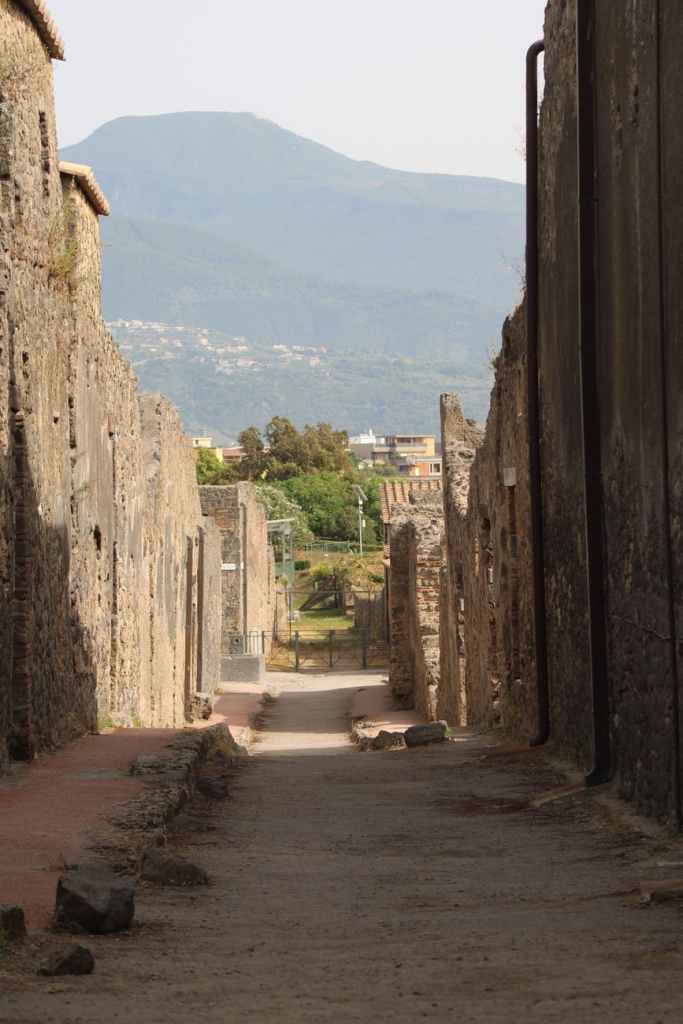
Student researchers have used machine learning to read text hidden inside charred, unopenable scrolls from the ancient Roman city of Herculaneum. The newly revealed passages discuss sources of pleasure including music, the colour purple and the taste of capers. The team trained an algorithm on tiny differences in texture where the ink had been, based on three-dimensional computed tomography scans of the scrolls.Nature | 7 min read

The point for us is this bringing together of two highly disparate disciplines. If archaeologists had said ”please give us enormous sums to crack the problem of the Herculaneum scrolls” someone would, very politely, have told them to go take a walk. And we take a safe guess that the principal interests of AI folk are directed towards finance, pharmaceuticals and physics. It’s when the two are brought together, serendipitously, that we see this marvellous synergy, this sum becoming worth infinitely more than its parts.

And what synergy! For all the many learned books which have been written about it, our knowledge of the Ancient World is actually rather limited. Even authors like Plato and Eratosthenes have only survived in a few, fragmentary texts. The same is true of many early Christian writings. There is only one fragment of the New Testament from before 150 AD, and its tiny. [1]The new CT technique could potentially decipher thousands of fragmentary or badly preserved texts. As our database suddenly grows, we may well find some startling new insights. Or old LSS doctrine that research money spent in one field will pay off in many seems to be vindicated once again. Time for a very smug cup of coffee. No biscuits.

[1]https://en.wikipedia.org/wiki/List_of_New_Testament_papyri

#archaeology #CT #AI #scrolls #herculaneum #greeks #romans #christians #jews

Why the origins of this blog go back to 1687

We have made no secret of it. This is a Whig blog, written, researched, and edited by a senior staff whose political and philosophical affiliations are all to that most progressive and enlightened segment of mankind. (what the rest of them in this building think, we have no idea) But where did the name come from-and what about that of the Tories, the very antithesis, nemesis and inveterate opponents of all that we hold most dear?

According to the admirable Lord Lexden, writing in House magazine [1], the earliest origins of the word “Whig” go back to the bitter constitutional debates which followed the English Civil War. The “Whigs” were generally in favour of some kind of Constitutional Monarchy along modern lines, and feared the autocratic tendencies of the Papacy. Their opponents (unjustly, of course) mocked them as “Whiggamaires” a kind of horse rustler from the wilder lands of Scotland. They labelled their opponents, who wished to see the succession of the devoutly Catholic James as “Tories” after lawless Irish thieves, whom they described as

popishly affected, outlaws, robbers, such as our law saith have Caput Lupinum, fit and ready to be destroyed and knocked on the head by any one that could meet with them”. 

A little strong,perhaps.

Now you might say that the programmes of both parties have changed a bit since then. But, is there just an underlying kernal of truth somewhere in the recondite reaches of History? Perhaps of psychological type and preference?. To be a Whig was to be essentially looking to the future, and to reach, gropingly, towards new ideas in governance, science and belief. To be a Tory was to cling to what was, toexalt Authority and Custom as the supreme arbiters. Has anything changed?

[1]https://www.politicshome.com/thehouse/article/tale-two-parties-origin-tory-party

#tory #whig #liberal #new labour #parliament

Why you should be happy in 2024. Whatever it brings

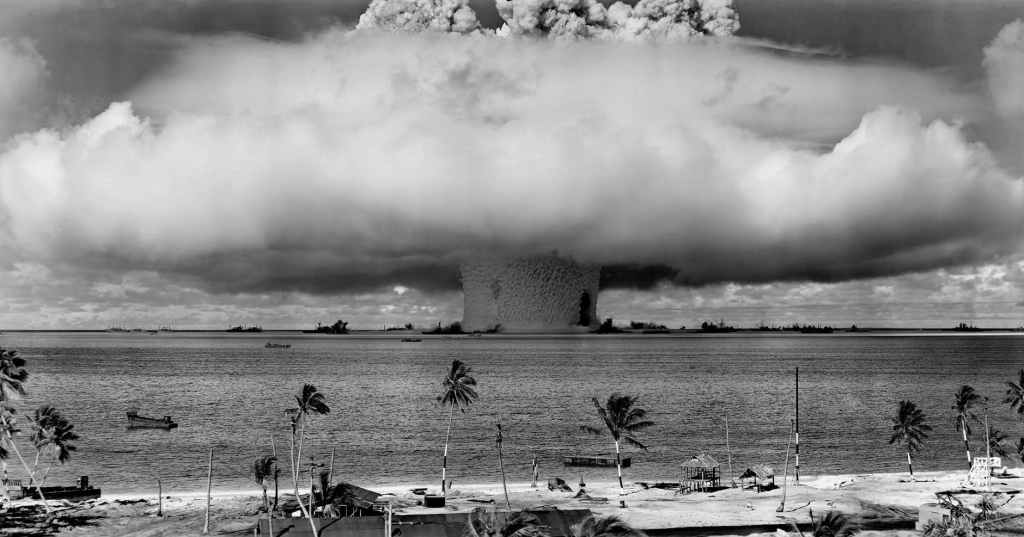
Whatever has happened in your life, and whatever catastrophes 2024 may bring, gentle reader, you have no right not to be of Good Cheer. Because you have had forty years of life, which began on 26th September 1983, when the world avoided catastrophic nuclear war by the narrowest of margins.

After a brief detente in the1970s, the world in 1983 was moving towards the peak of of a second Cold War, as author Brian J Morra ably explains in The Near Nuclear War of 1983 [1] Mutual fear and suspicion between the USSR and the Western Alliance had been growing exponentially since 1979. By 1983, each sides’ defence forces were on hair trigger alert. The shooting down of the Korean Airliner 007 on 1st September had caused a total severing of communication. Then on 26th September*[2] the OKO Soviet Defence system reported that the US had launched a nuclear strike from its base at Grand Forks, ND. Fortunately for the world, the duty officer on the Soviet side was one Stanislav Petrov, of whom Brian Morra comments

Petrov possessed unique knowledge of the strengths and flaws in the Soviets’ new satellite warning system, and assessed that the launch reports—which came in several, harrowing waves—must be false alarms. Petrov advised his leadership against a retaliatory attack.  Petrov—the accidental watch commander—was truly the right man in the right place at the right time. 

In fact there had already been a near trigger incident on 3rd September, involving a stand-off between Russian and American fighters near the site of the KAL 007 crash site, and this time an American, General Charles Donnelly had finessed us away from war. But there is no doubting Petrov’s central role in this account, and he deservedly received a Dresden Peace Prize and film called The Man Who Saved the World in 2013 [3]

For save it he did. Anyone who was alive at that time, and their children, and grandchildren, owe everything they have, and all their experiences, to that man. By 30th September, the world could have been reduced to smoking, radioactive ruins, with the survivors facing an oncoming Nuclear Winter of unimaginable duration. Instead they went out for Friday night drinks; prepared their boats for the last sail of the autumn; or got ready for the weekends’ shopping and football matches. And ever since they have had life, not death. And there is your reason to be cheerful.

*Morro gives 27th; clearly things like datelines and midnights have probably muddied the waters here)

[1] https://www.airandspaceforces.com/article/the-near-nuclear-war-of-1983/

[2]https://en.wikipedia.org/wiki/1983_Soviet_nuclear_false_alarm_incident

[3]https://en.wikipedia.org/wiki/The_Man_Who_Saved_the_World

#nuclear war #USA #USSR #NATO #Warsaw Pact #Brian J Morro #stanislav petrov