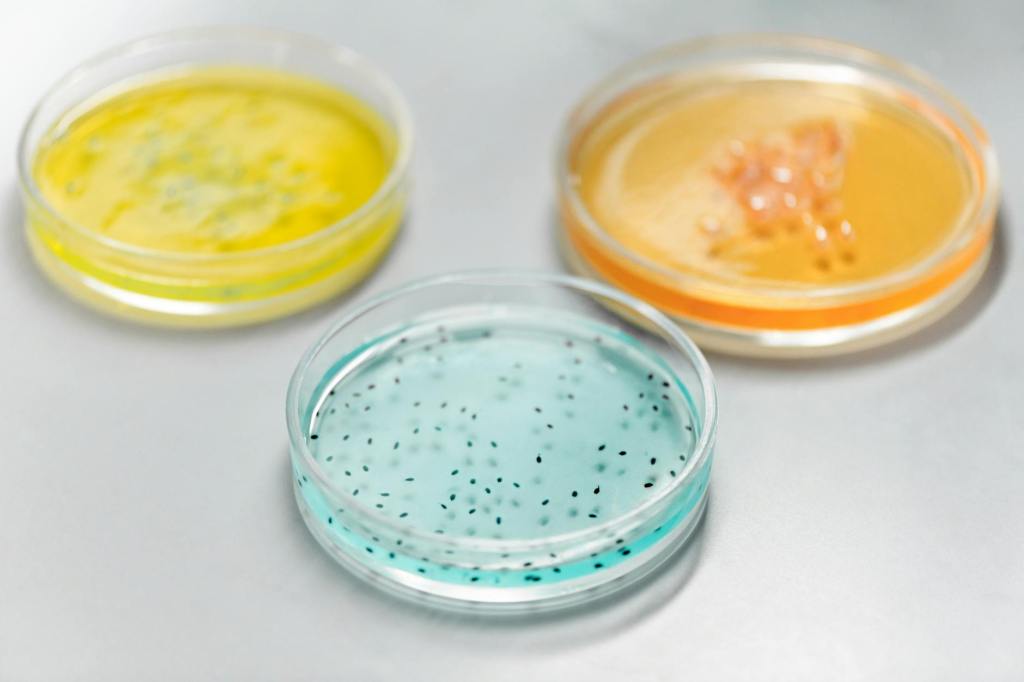
Antibiotic Resistance Rising: Part one of our Depressing Diptych for November

Five years of writing this blog, ten years of campaigning. But antibiotic resistance is still on the rise as this article by the indefatigable Hannah Devlin of the Guardian makes all too clear.[1] According to the UK Health Security Agency deaths due to antibiotic resistance went up by 17% in England in 2024 alone.[2] And England is not an outlier: investigations by our Fact Checking Department , Research Unit and and Data Team all showed comparable metrics for other G7 counties(sorry, no time to look wider!)

As might be expected from a fine journalist who has covered this topic so extensively, Hannah’s article is a cornucopia of useful statistics, data points and links. As for the England’s particular glitch, she offers this intriguing possible cause: an increase in private prescriptions following cuts to antibiotic prescriptions within the NHS. Time will tell on that one.

But all too depressingly believable in any case. In pubs, in shops in cafes, we hear the same dreary old reprise: “I’ve got flu and that (unprintable) (unprintable) of a Doctor wouldn’t give me an antibiotic!” An utter misunderstanding of causes, effects and consequence which leads to an ever-rising demand for antibiotics and consequently, an ever-rising rate of resistance mutations in the target organisms. Combine that with the disgraceful misuse of antibiotics in the farming industry, in order to produce megatons of unnecessary meat, and you can imagine a world in ten or twenty years’ time where there are no antibiotics as such at all. It’s not the antibiotics themselves, it’s not the bacteria, its the fact that so many people think they can ignore the findings of science -until it’s too late. It’s a theme we’ll return to in the next part of our Depressing Diptych for this November. Stay on line, it’s coming up.

[1]https://www.theguardian.com/society/2025/nov/13/deaths-linked-to-antibiotic-resistant-superbugs-rose-17-in-england-in-2024

[2]https://www.gov.uk/government/organisations/uk-health-security-agency

#microbial antibiotic resistance #health #medicine #prescriptions #NHS #farming

Antibiotics saved her sight

Ellie Irwin seemed to have it all. She was beautiful, she was highly intelligent, she had graduated from medical school to what should have been a productive and fulfilling life. Instead, she was going blind in one eye, with terrifying possibility of losing sight in the other. Her life was an endless round of appointments, treatments and interventions. None seemed to come near to resolving the problem. At one point she had to have a cataract operation, and in despair, actually considered the possibility of having the problem eye removed.

But there turned out to be one last chance, as Fergus Walsh reports for the BBC. [1]Because thanks to a new science called metagenomics[2], doctors were able to identify the cause of her problem. To quote Fergus:

Metagenomics technology uses cutting-edge genomic sequencing, which can identify all bacteria, fungi or parasites present in a sample by comparing them against a database of millions of pathogens.

The cause turned out to be a rare bacteria of the leptospirosis family which Ellie had picked up while swimming in the Amazon river on a student holiday. The cure was simple: a good dose of antibiotics, as regular readers of this blog will have guessed. Today Ellie is a fully cured, happily functioning doctor. Recently, she even got married. Fergus knows how to end a story on a happy note!

For us there are a number of learning points here, faithful readers. One-what a good job antibiotics can do, Two-look what happens when you combine them with cutting edge techniques like metagenomics. Three-if you want new cutting edge techniques, it might help to employ a few well educated scientists to think them up, and universities to put them in. And four? No point going on with four. Everybody’s getting the drift.

[1]https://www.bbc.co.uk/news/articles/czx45vze0vyo

[2]https://en.wikipedia.org/wiki/Metagenomics

#antibiotics #metagenomics #science #research #health #medicine