Gepotidacin marches on

Gentle readers we’re more than happy to present the next chapter in the story of Gepotidacin. Against all the gloom and doom we serve up here, it really is a wonderful new class of antibiotic We have covered it before (LSS 30 1 23 ; 17 4 23) but today Manuel Ansede of El País [1] serves up a handy little resumé, not only of where we are now,  where we have come form, and all kinds of hyperlinks to bring you up to speed.  We can add little but to such erudition as Manuel’s. But for the sake of long term readers will riff  on these few -humbly derived- observations

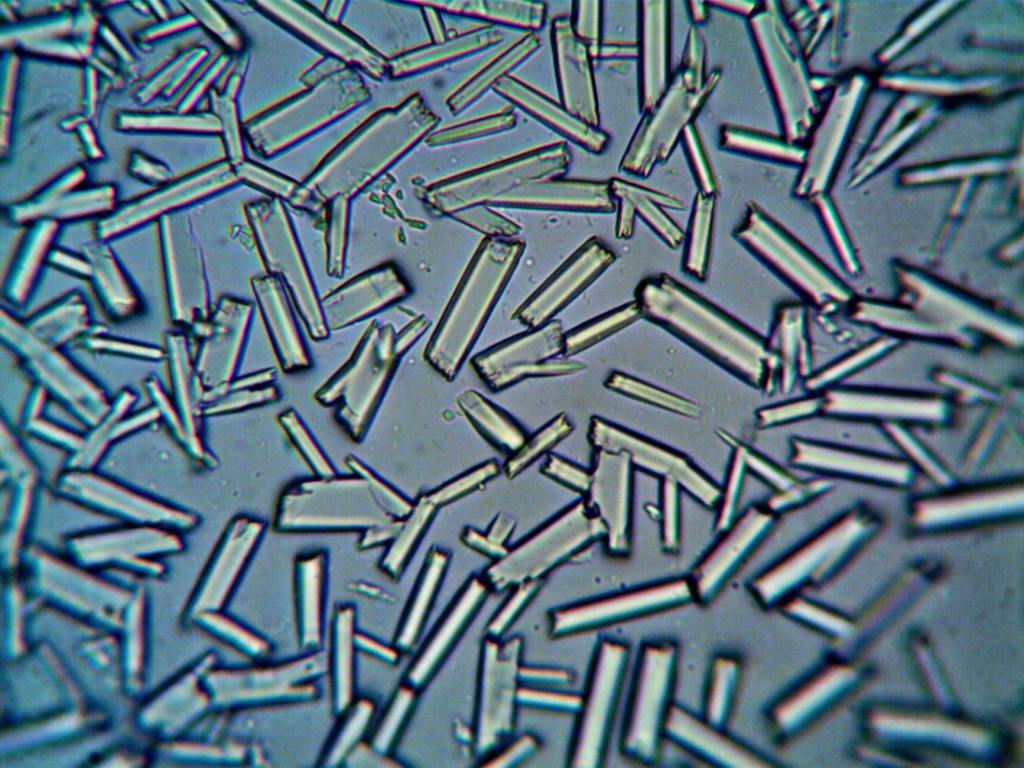
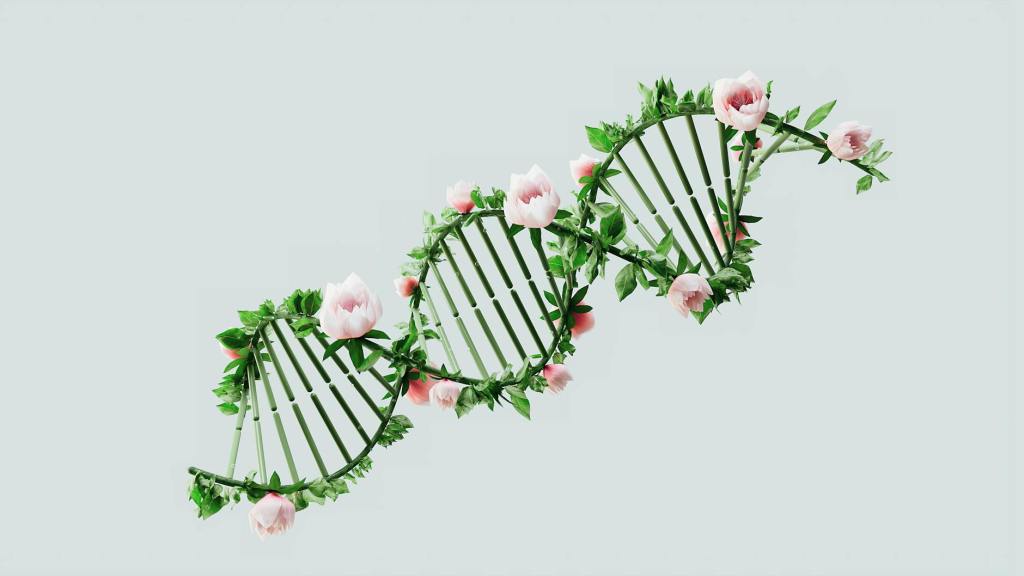
Firstly, this really is a new class of antibiotic., going by the snappy name of triazaacenaphthylene bacterial topoisomerase inhibitors.  Unlike traditional antibiotics that target bacterial cell walls or protein synthesis, gepotidacin disrupts bacterial DNA replication by inhibiting two essential enzymes: DNA gyrase and topoisomerase IV. Which as most readers will instantly recall, are crucial for bacterial DNA replication and cell division. Thought so.

Secondly its already showing real world efficacy against all kinds of  bacteria, including antibiotic-resistant strains like methicillin-resistant Staphylococcus aureus (MRSA) and multidrug-resistant Neisseria gonorrhoeae. Get that: real science works.

Thirdly, to make  our old LSS point: effective action in medicine takes time. It requires teams of intelligent people. Who do not act alone, but exist in an ecosystem of universities . research institutes and government agencies. Which in turn requires careful nurturing , funds and right to feel safe enough to make long term plans without bullying and interference from the proudly ignorant and impulsive. American readers take note.

[1]https://elpais.com/ciencia/2025-04-14/el-primer-antibiotico-descubierto-en-30-anos-llega-justo-a-tiempo-de-evitar-que-la-supergonorrea-sea-imposible-de-tratar.

#gepotidacin #antibiotics #antibiotic resistance #health #medicine

Neural Maps show American Science at its best. But for how much longer?

If you want to explore the potential of a vast unknown region, first make a map of it. This why many of the finest minds from the sixteenth to the nineteenth century were cartographers. The human brain, with its astronomical numbers of circuits and connections, is our century’s equivalent of an unknown continent. Where the prizes( in medical research, pharmaceuticals and lucrative spin off disciplines) will go to those who have the best idea of the layout of the territory they are exploring. Which is why it came as no surprise to find that a multi-university team of American researchers have emerged as some of the foremost neurological cartographers of the year

Hannah Devlin of the Guardian reports the work of the teams from Baylor College, The Allen Institute and Princeton who have combined different techniques to create a 3-D circuit diagram of the neurons in a mouse brain. Now, there are some riders to note: this is only a tiny portion of the brain, comprising 84 000 neurons, half a billion synapses and about 5.4 km of the neuronal equivalent of wiring. Tiny numbers compared to the colossal sizes of a human brain, or that of an elephant or a dolphin. But it’s a start. Hannah quotes experts who honestly compare this work to the human genome project around the turn of the century. We need not remind readers as intelligent as ours of all the potential which that unlocked.

So: American researchers at the cutting edge. Princeton. Big research teams. “Yawn,” they said in the newsroom, “Where’s the story?” Well the story lies in the context of the consistent cuts in science funding by a certain Donald J Trump and his Administration. [2] It’s not just the money, it’s the attacks on the confidence and independence of the institutions themselves which stunt the development of a healthy research sector. And ultimately kill the goose which has laid so many eggs.(please-no more cliches!-ed) From the 1930s onwards America thrived by taking in the best researchers, and letting them work at what they excelled. Every science magazine you picked up, every episode of the old Horizon series on BBC, had an American somewhere in it. They even got to the Moon. Now there is a real danger that all that talent, all that potential will flow elsewhere. So far the EU and UK have not really go their act together. But they are waking up to the opportunity. Perhaps the first whole-brain maps will be made in Cambridge. The English one, that is.

with thanks to J Read

[1]https://www.theguardian.com/science/2025/apr/09/us-scientists-create-most-comprehensive-circuit-diagram-of-mammalian-brain

[2] https://www.scientificamerican.com/article/trump-administration-attacks-on-science-trigger-backlash-from-researchers/

#neurology #princeton #research #donald j trump #science #biology #brain

If you want to know why vaccines work, read this

Today we turn our blog over lock, stock and barrel to that admirable website Nature Briefing, whose links we have posted before and will do so again. This main piece from them explains we have done so:

Vaccines have given many families in wealthy nations the luxury of forgetting about the toll of some infectious diseases. But for some, that is changing: a second unvaccinated child in Texas died this week from measles. Anti-vaccine misinformation is rampant, not least from members of the administration of US president Donald Trump. Globally, many children still die because they can’t get the immunizations that they should, and cuts to international aid put progress at risk.

At the same time, vaccines are reaching new heights of success: the human papillomavirus (HPV) vaccine appears to prevent almost all cervical cancers. Vaccines against COVID-19 were developed with unprecedented speed and saved millions of lives. And from a scientific standpoint, the future looks bright, with mRNA technology, unlocked by pandemic-era research, offering hope for new jabs against viruses such as monkeypox, and therapeutic vaccines against cancer.Nature | 6 min read
Please add briefing@nature.com to your address book.!!!! Please !!!!

The piece follows with some excellent, easy to understand graphics, which you will have to click on their website to look at, and which obviously we can’t reproduce here. To extract some killer facts: by eliminating smallpox, vaccines have saved 5 million lives a year. By eliminating other scourges including measles, tetanus and TB they have probably saved about 154m lives overall since 1975. That anti-vaxxers must now march their legions against HPV vaccines raises deep questions about misogyny as well as the public understanding of science.

But it’s that quote at the beginning of the nature article which as got the hook in us. “Vaccines have given many families in wealthy nations the luxury of forgetting about the toll of some infectious diseases.” Yep, it’s that word luxury. It’s often associated with the word Vanity. And we need a bonfire of many of those very soon.

Once again, if you want to see the graphics, do this!

Please add briefing@nature.com to your address book.

Professor Devi Sridhar: a masterclass in the antibiotics crisis

If antibiotics stop working it will be the end of modern medicine as we know it. That is the essence of this article by the redoubtable Professor Devi Sridhar of Edinburgh University. We’ve channelled her before on this blog (LSS 24 8 24; 26 1023). UK readers will recall her many appearances on TV during the COVID 19 pandemic. Her cool, calm reason was a welcome antidote to the wild hysteria, baseless conspiracy mongering and shameful ignorance of that epoch.

Her article is a reprise of the main points we and other campaigners have been making for years. Over-prescription; lack of research; widespread public ignorance. The tireless Professor Sally Davies is name-checked. Of course: for she has done so much to proclaim this pressing danger. But the real problem for Devi is widespread abuse of antibiotics in farming industries. To produce short term higher yields in livestock such as cattle and pigs. Leading us to eat more meat, which in turn gives us obesity, go on diets that fail, high cholesterol, heart attacks., go on more failed diets…….our fingers fail on the keyboard in sheer despair.

So let’s take one key learning point from Devi’s razor sharp mind, because maybe we haven’t emphasised it enough here down the years. The real problem is that new classes of antibiotics are needed :

Developing similar versions to existing antibiotics isn’t enough because they won’t be as effective against pathogens that have developed resistance: we need totally new classes of drugs. And a recent World Health Organization report noted that since 2017, while 13 new antibiotics have obtained authorisation, only two represent a new chemical class.

Here is the nub of the problem. It wont get any easier, because the best research teams are multinational, and international co-operation is breaking down rapidly. Things like phages and AI may help. Serendipitous searching in nature, in places like gardens or the jaws of Komodo dragons {LSS passim)may could also be marginally helpful. But in the last analysis, disputes about who imports which computer circuit from whom distract attention from the real question. A woman dying from childbirth needs an antibiotic, not a smartphone to photograph it.

[1]https://www.theguardian.com/commentisfree/2025/apr/02/antibiotics-stop-working-prescription-gp-animal-farming

#antibiotic resistance #medicine #science #health #bacteriophage #komodo dragon

More good news on dementias

Dementia is our own internal pollution. Clear that pollution away, and the brain may start to function well again. If the systems which clear it slow down with age, then of course you won’t think so well. That is the startling new research reported today in the Mail by the admirable Syeeda Saad. [1] According to Syeeda and the rather clever scientists whom she channels, the brain is well equipped with these clearance systems when we are born. [2] They go by such recondite names as microglia, glymphatic and lymphatic systems. They clean up all the horrible waste we produce as we think-bits of cells, proteins, toxins, what have you. If they don’t, you accumulate all this detritus and your brain slows down, exactly like a sewage system blocked with fatbergs (yuck!-ed) [3]

Essentially the ingenious researchers target lymphatic networks outside of the brain in order to boost the clean-up systems within it. And get this-they have found new pathways called T Cell gateways which let them overcome the blood brain barrier, a wall that has bedevilled researchers for decades. [3]

All in all rather hopeful. Though as everyone admits these discoveries are at the early, tentative stage. Meanwhile there are lots of proven methods we can apply in order to reduce the risk of developing dementias. Including unpleasant ones like eating less junk food, drinking less booze and getting more exercise. There’s a thought. And here’s another to close. The team of scientists who did all this useful, public spirited, and one day profitable research are based at Washington University in the United States of America, What will become of them and their University in the financial and intellectual climate currently prevailing in that fallen country?

[1]https://www.dailymail.co.uk/femail/article-14560527/neuroscientist-remove-brain-waste-prevent-dementia-age.html

[2]https://www.vice.com/en/article/clearing-brain-waste-could-prevent-dementia-in-the-future/

[3]https://www.nature.com/articles/nature14432

#alzheimers #dementia #brain #t cells #lymphatic #medicine #health

Is that an Antibiotic in the Azaleas?

We started out as an antibiotics blogs, and we’ll always defer to it when a good story comes up. So don’t be surprised as we offer you a really good story, which we found in Nature Briefing, that inestimable source of the very best stories on science and all its ramifications. Scientists unearth new anitbiotic-literally

Researchers searching far and wide for new antibiotic molecules have discovered one in their own backyard. The new molecule — found in soil samples collected from a lab technician’s garden — targets a broad range of disease-causing bacteria and doesn’t appear to be toxic to human cells. From the soil samples, the team spotted a lasso-shaped molecule they named lariocidin, which is produced by Paenibacillus bacteria. Lariocidin attaches to structures called ribosomes in bacteria, which disrupts their protein production. The molecule slowed the growth of a range of common bacterial pathogens, including many multidrug-resistant strains.Nature | 4 min read
Reference: Nature paper

We know, gentle readers that we can occasionally overdo the bad news a tad on these pages. Today we’re glad to tip the balance back a little the other way.

If you want to receive the very latest on science and cutting edge technology, you won’t do beetr than sign up to Nature Briefing. We don’t know of anything as good as this which is still absolutely free. What’s more they have some sub briefing sites on more specialist areas if your want to keep up with a particular area why not visit these sites and see for yourself?

 briefing@nature.co

Antimicrobial resistance: its not just bacteria Plus: see if you can spot the hidden message in this blog

Stop the press! Urgent! Even though it’s Thursday afternoon and we’ve done our blog for the day, a new story is bursting to be told. Because while leafing through the Interweb to see if we had been included in any top secret message groups, we came across a story by the assiduous Clara Harter of the Los Angeles Times: Deadly Drug Resistant fungus CDC calls urgent threat is spreading in hospitals [1] We won’t steal Clara’s thunder. But basically, it’s called Candida auris, it spreads rapidly in healthcare facilities. and it tends to target the sick and the old.

Wanting to know more , we went to the site of the Centers for Disease Control and Prevention (CDC)[2] whose purpose, as every schoolchild knows is goal is to protect public health and safety through the control and prevention of disease injury and disability both in the USA and throughout the world[3](fungi don’t stop at national borders, you see) We found their web page to be concise, easy to access and extremely helpful. How lucky Americans are, to have such a body that anticipates threats to public safety, co-ordinates the efforts of medical facilities and health agencies and keeps the public informed, free of charge!

Well until recently they were, Because we have learned that the CDCs are yet another target in the cross hairs of Mr Musk and his enthusiastic band of young cost cutters. [4] According to the independent Medical Economics:

The cuts include 1,300 U.S. Centers for Disease Control and Prevention (CDC) staff — about 10% of its workforce — and all first-year officers in the Epidemic Intelligence Service (EIS) — a disease response unit.

We are ignorant of Mr Musk’s motives; he may be a man of profound compassion and acute foresight. His economic learning may be profound; we cannot say. But if the fungus spreads, and if its economic cost is as great as its human one, we will know that it could have been prevented.

[1]https://www.latimes.com/world-nation/story/2025-03-27/deadly-drug-resistant-fungus-cdc-calls-urgent-threat-is-spreading-in-hospitals

[2]https://www.cdc.gov/candidiasis/antimicrobial-resistance/index.html#:~:text=At%20a%20glance%201%20Antimicrobial%20resistance%20happens%20when,common%20type

[3]https://en.wikipedia.org/wiki/US_federal_agencies_targeted_by_DOGE

[4]https://www.medicaleconomics.com/view/elon-musk-s-doge-and-its-impact-on-federal-health-agencies-explained

#DOGE #CDC #fungus #antimicrobial resistance #public health #disease prevention #medicine

Alphafold for RNA?

Back in 2023 we praised the achievements of Google Deep Mind and its Alphafold system for predicting protein structures (LSS 23 2 23) The step change in productivity , (no disrespect to human biochemists) was so remarkable that we compared it to the invention of stone tools. Since when it has pretty much become a standard tool in medical research.

So much for proteins. What about RNA? Advances in understanding its structure, maybe even making a little of our own, might convey enormous medical benefits. Read this from Nature Briefings Seeking an alphafold moment for RNA

Protein-structure-prediction tools such as AlphaFold have transformed biology. But RNA is a tougher nut to crack: it poses unique molecular challenges, and relatively few data are available to train computational models. So researchers have been getting creative, building a toolkit to aid the prediction of RNA structure that incorporates the latest developments in artificial intelligence.Nature | 10 min read

“A tough nut to crack” Indeed. For one thing RNA has always suffered from that “middle child” syndrome, lost between its more glamorous siblings, DNA and proteins. So there is a lot less data to feed into the AIs. And even the main forms, t-RNA and m-RNA are fiendishly complicated, like any biological macromolecule. Fortunately, there is a superb article from the main part of Nature by Diana Kwon[1] which lays out the problems and challenges with great clarity; well worth a glance, However the advantage of getting on top of RNA and bringing it, so to speak, into the twenty first century could be colossal, Never forget that it was an m-RNA vaccine that finally got the SARS-Cov-2 virus on the run. That is a glimpse of what might one day be acheived.

[1]https://www.nature.com/articles/d41586-025-00920-8?utm_source=Live+Audience&utm_campaign=bc74eaec70-nature-briefing-daily-20250326&utm_medium=em

#rna #AI #alphafold #medical research #biotechnology #nucleic acids #proteins #vaccines

24 Deadly Diseases that could land on our shores

Of all the ways to go, Ebola Fever is one we’d prefer to avoid. First, your temperature shoots up to an unhealthy 39 C. This is followed by agonising bowel cramps and uncontrolled bloody diarrhoea. Finally the patient starts vomiting blood. Death, which usually follows in 80-90% of such cases, may begin to seem a mercy. Readers with long memories may recall an epidemic of this disease in Africa between 2013 and 2016. Fortunately it was contained, due the efforts of public health officials and brave, skilful medical professionals. Who managed-just- to confine the death rate to 11 323 unfortunate souls. It doesn’t bear thinking about what might have happened had they failed. But according to Professor Harper, a pandemic caused by a similar disease broke the back of the Roman Empire and effectively ended the civilised world[1]

Now a report by the UK Health Security Agency[2] [3] lists Ebola as one of a group of 24 deadly diseases which could land on the shores of this sceptr’d isle at almost any time. As most readers will recall, Ebola is part of the Filoviridae family(an honour shared by the mortiferous Marburg virus) But travelling companions include the Flavoviridae (dengue, zika) Coronaviridae and all sorts of bacteria including the ones for bubonic plague and anthrax. Kat Lay of the Guardian has a nice quick take on the story. And its proximal causes, most of which come down to climate change and habitat destruction.

And our take? It’s good to have some sort of professional public health body that can at least take note of, and warn about, these sorts of things. But the poor old UKHSA has been starved of funds, largely to finance tax cuts to pay for the purchase of Bright Shiny New Things. The production of which leads to climate change, habitat destruction, and…………….you get the picture. If today’s seems a bit of a UK-centric blog, so be it. We are a pretty representative average sort of country, and you face the same threats that we do. If these diseases are appearing on our threat list. they’ll be coming up on yours soon. They have the same ultimate causes.

[1] Kyle Harper The Fate of Rome Princeton UP 2017

[2]https://www.theguardian.com/science/2025/mar/25/uk-experts-urge-prioritising-research-into-24-types-of-deadly-pathogen-families

[3] https://www.gov.uk/government/news/ukhsa-highlights-pathogens-of-greatest-risk-to-public-health

#pandemic #virus #bacteria #epidemic #climate change #global warming

The Next Pandemic: Not if, but when

Wars in Ukraine, Sudan and the Middle East. Falling stock markets. Huge new tariffs on trade. Another season of fires and floods as the Northern Hemisphere warms up to summer. Yes, this is all pretty bad………but we think there is something much worse lurking in the background. This blog was born among the incalculable human and economic damage of the COVID-19 pandemic back in long-ago 2020. We think another one is on the way. More to the point, our opinion is shared by some much better informed and cleverer people. So we thought we would bring you their thoughts.

Writing for the Conversation [1] the erudite Professor Anthony Staines takes a long cool look at the public health scene. Despite what you might have thought COVID-19 hasn’t really gone away: it’s still killing between 500 and 1000 people a week. Measles is on the uptick as well, especially in countries where vaccination is falling out of fashion. Bird flu is now crossing over both to humans and livestock herds. But the Professor still puts his money on some as yet unkownn virus, or one that is currently flying under the radar.

The prestigious Chatham House Institute[2] serves up a complimentary view as to what this might be. Bird flu is still a strong candidate. But they have a worrying take on the Ebola virus: could some new variant of this be Professor Staines’ unknown candidate? Above all Chatham riff on the mapping studies which might give us some clue. as to where the disease will be triggered. They point to run away urbanisation, deforestation and habitat destruction as key enablers, unleashing new organisms onto populations with no effective resistance at all.

The LSS board has no particular wish to die of Ebola: it’s a horrible way to go. And if it happened to any of you, dear readers, why, we would have lost a friend. Of course we need to respond to what is immediate and tangible, like the price of eggs. But it might be worth pointing out to our leaders that they need to think long term as well.

[1]https://theconversation.com/five-years-after-the-pandemic-the-world-is-poorly-prepared-for-another-one-249906?utm_medium=email&utm_campaign=Latest%20fro

[2]https://www.chathamhouse.org/2022/02/next-pandemic-when-could-it-be

#pandemic #virus #ebola #deforestation #bird flu #vaccination