Hottest years make chilling reading. Here’s how you can still do something about Climate Change

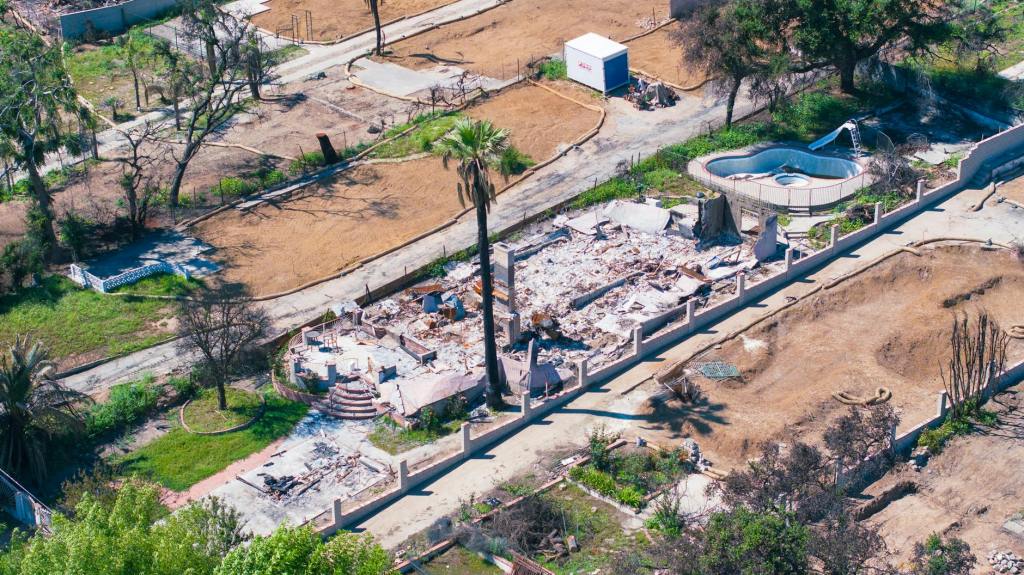
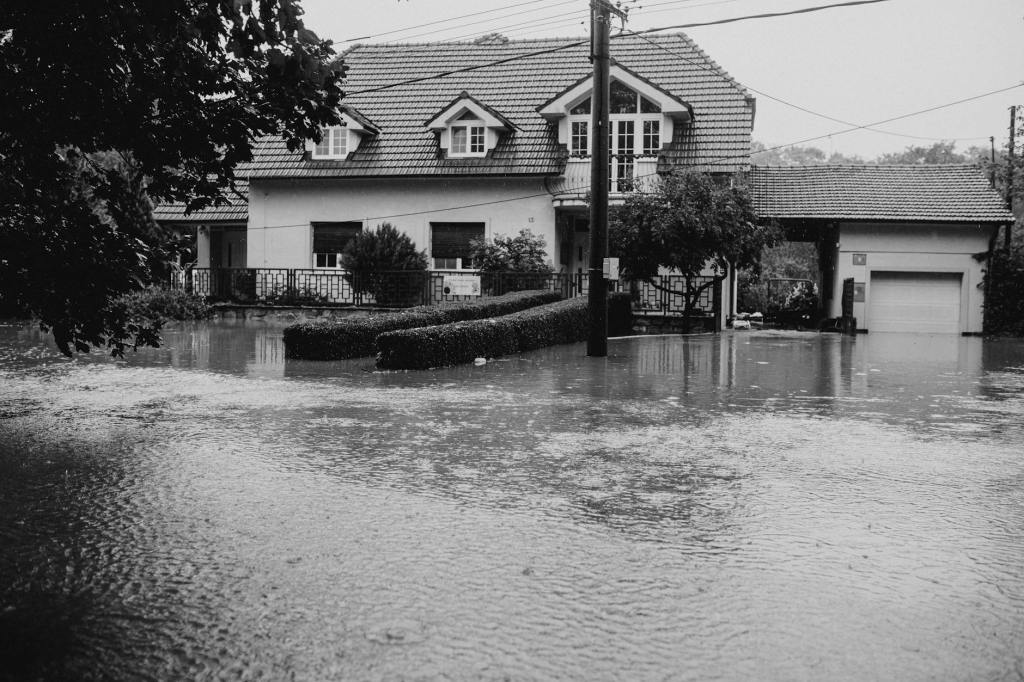
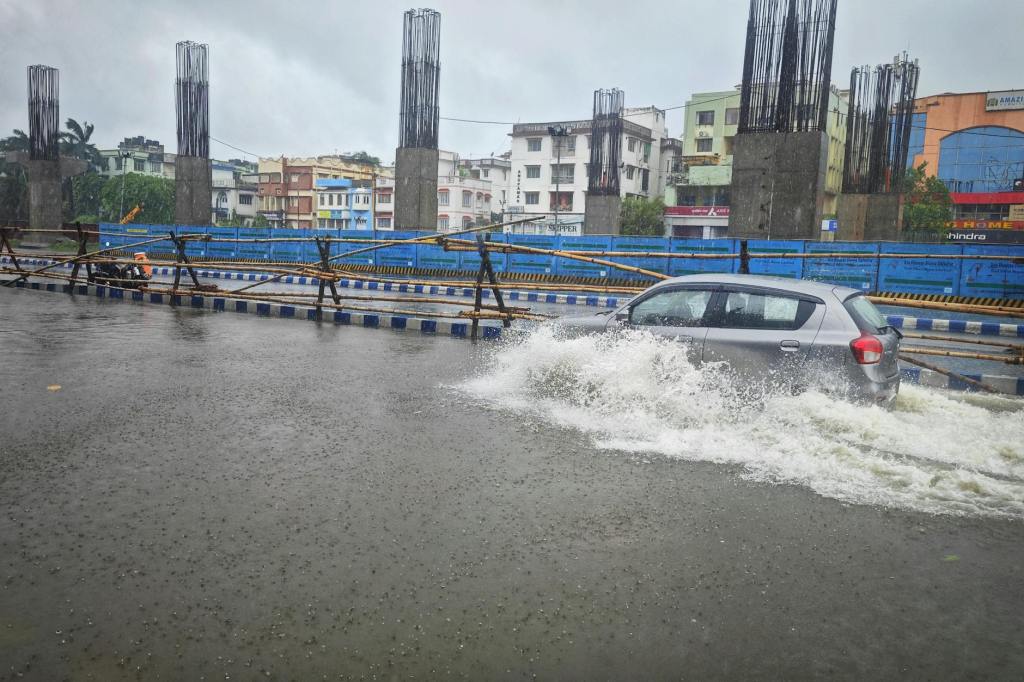
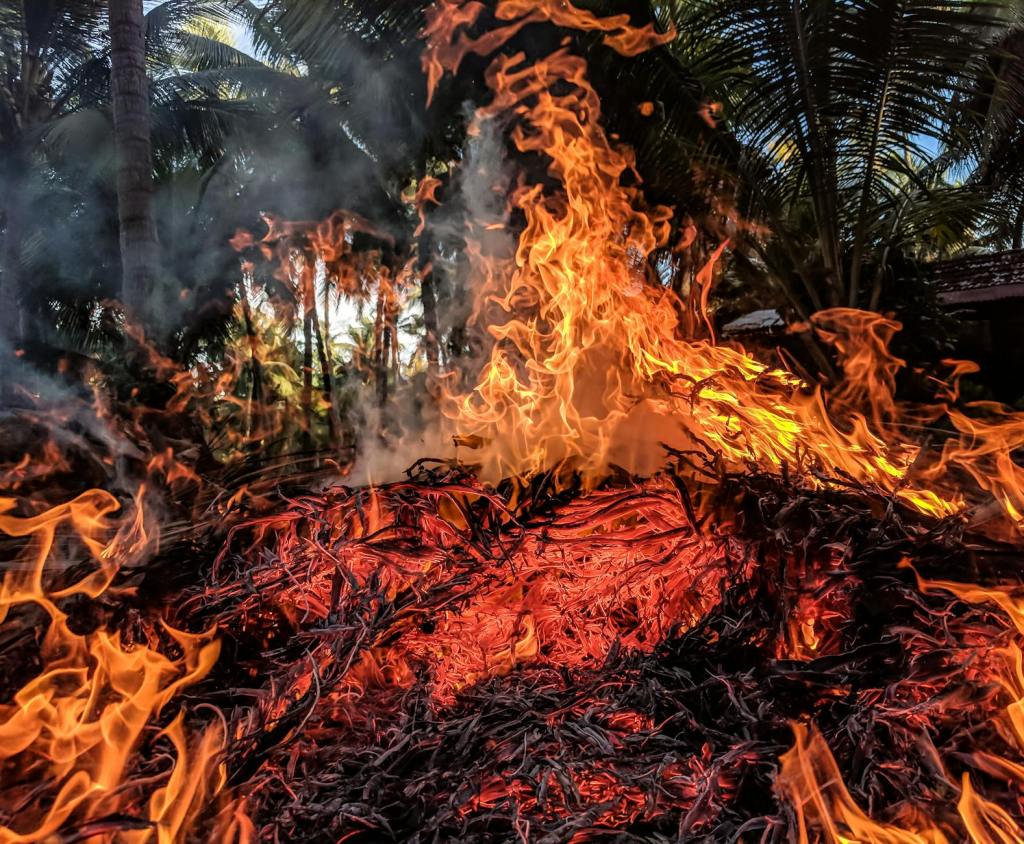
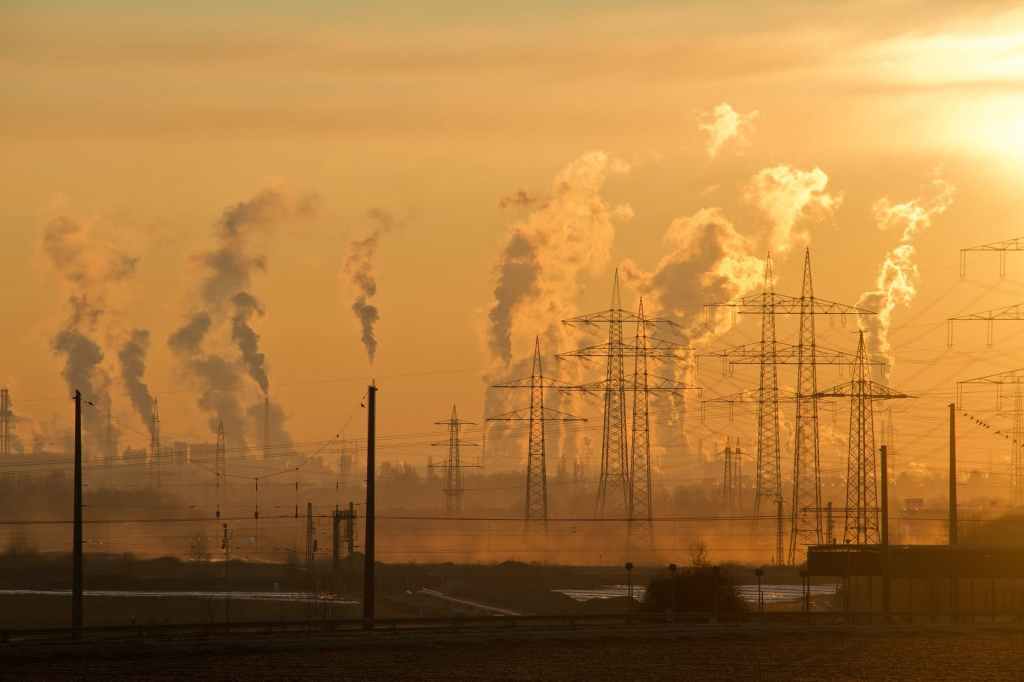
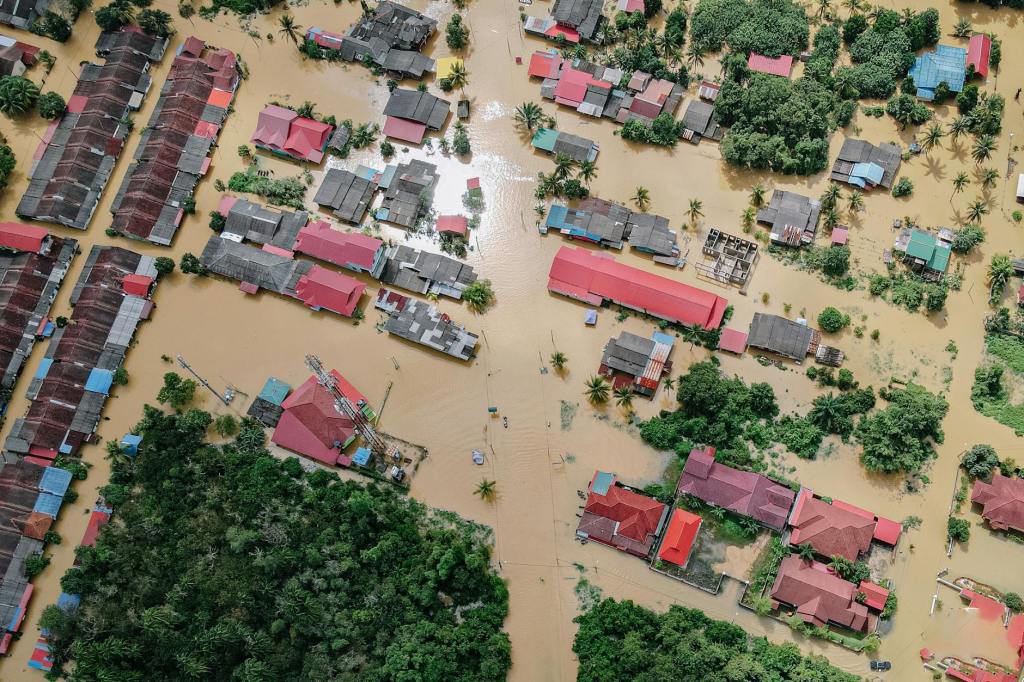
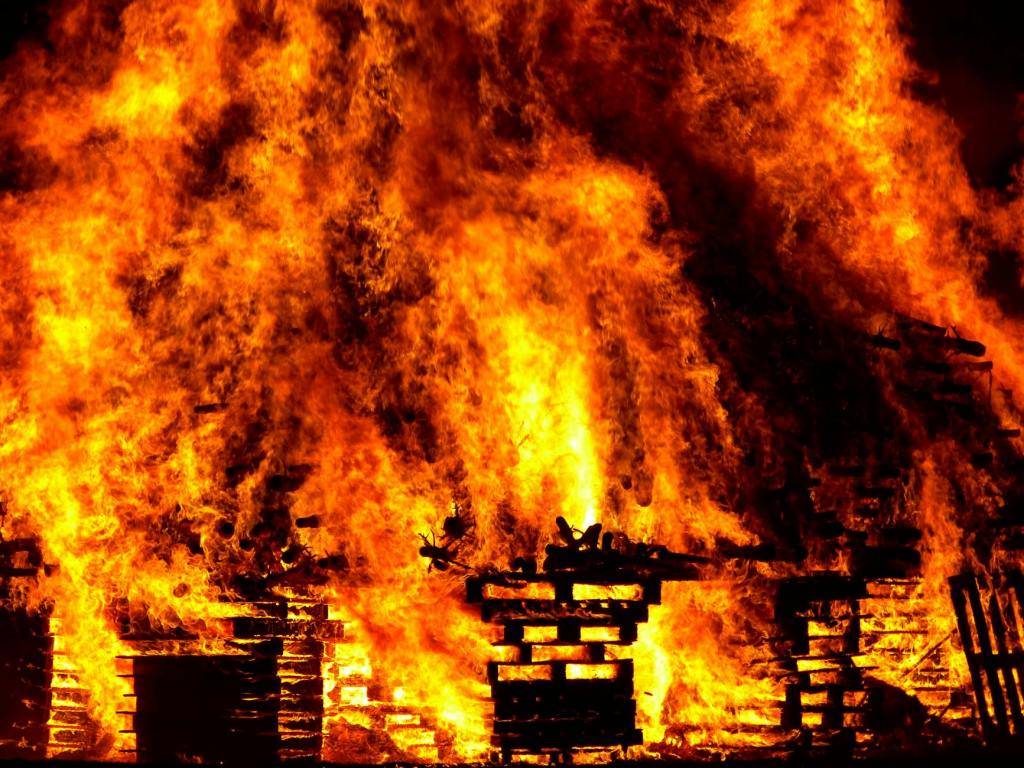
The facts-objective, verified and indisputable- are chilling. The last three years of this decade have been the hottest on record. Vast areas are now being ravaged by wildfires or drowning in immeasurable floods. The latest gloomy news comes from Nature Briefing: a group of people who are as calm, objective and well-informed as any we have come across. :early Temperatures Reach Dangerous Highs, they report:

This year looks likely to tie with 2023 as the second-hottest ever on record. Last year was the hottest. “The three-year average for 2023-2025 is on track to exceed 1.5 ℃ for the first time,” says Samantha Burgess of the European Union’s Copernicus Climate Change Service, referring to the Paris Agreement pledge to limit global warming to 1.5 °C above pre-industrial levels. “These milestones are not abstract — they reflect the accelerating pace of climate change and the only way to mitigate future rising temperatures is to rapidly reduce greenhouse gas emissions.” Euronews | 2 min read

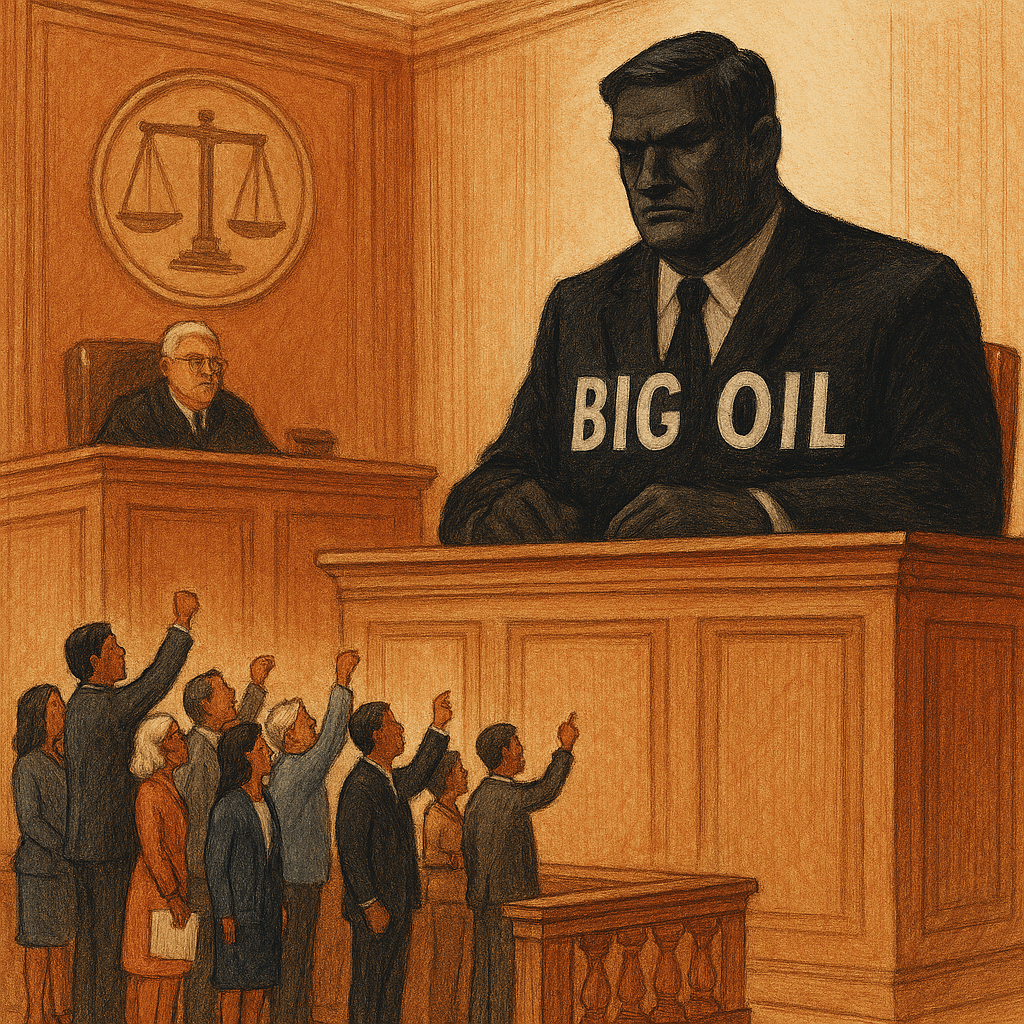
As we were once more digesting these gloomy words in the LSS Boardroom, Selina the tea lady came in with this morning’s refreshments. “Good heavens!” she observed. Well, that was the gist of what she observed. “Are you lot really going to put out another gloomy blog on Climate Change? Give them some hope, for once, why don’t you” Again we paraphrase: suffice to say we understand where her grandchildren derived the terms they used when we tried to stop them from vandalising the cars in the office car park. But she is right: why don’t we tell you that there is something you can do? Take agency and all that. It shall be by supporting or donating to the organisations which we have listed below. We have chosen all of them for their integrity, hard work and track records. But above all for their moderate, pragmatic approach to this problem. We are deeply suspicious of more extreme outfits who in our view only help Big Oil by alienating ordinary people. Here, then is that list. All need money. It is nearly Christmas. We leave you to join the dots between those last statements.

World Wide Fund for Nature | WWF

Greenpeace UK

Home | Carbon180

Friends of the Earth | Home

Rainforest Alliance | Creating a Better World for People and Nature

For professional reasons we will be unable to produce another blog until next week

#global warming #climate change #big oil #pollution #ecology #environment

Here is the weather forecast: there will be a World government, soon

We at LSS might not want a world government: we might be quite happy with the State we’re in. But you can’t avoid the inevitable. And the hard data, the ineluctable facts from the weather forecasters, suggest that this inevitable may come sooner rather than later, But before we draw our conclusions: what are these facts?

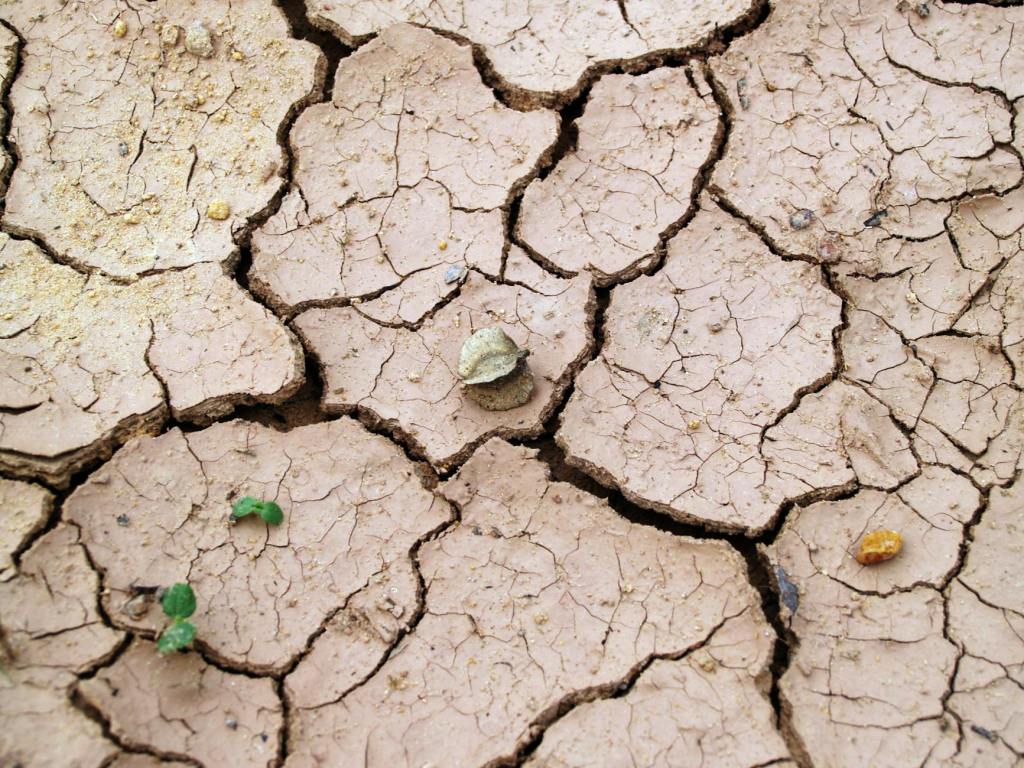
If we break 1.50C global warming (and all the evidence suggests we shall) the effects will be dramatic. There will be alternating cycles of fires and floods in many countries, and for the first time the trend of ever rising food production will go into reverse. The loss of land, and the beginning of floods in coastal cities will lead to rapidly increasing migration pressures. Many would say that is already happening. But it’s as nothing compared to smashing the 20C limit. At that point, sea levels will rise by 40cm by the end of this century, displacing hundreds of millions and wrecking the pattern of the world economy. The surviving lands, wracked by floods and droughts, will start to lose their capacity to produce food at all . The resulting migration pressures will make todays numbers look negligible. As for 30C? It’s too scary to give the full details. But its got something to do with complete collapse of the seasons, fires in the tundras, and social unrest brought about by massive flows of refugees.

In such circumstances a World Government would form very quickly. Because it would be the only body capable of addressing the multiple threats at a global level; Which is the only level at which they can be tackled. History shows that sudden changes in ecology (usually plagues or climate changes) produce truly massive, paradigmatic changes in politics and society . The ending of the Roman Climatic Optimum meant the end of the Ancient world. All its customs, norms and beliefs were washed away in a new Medieval Europe. Similarly it was the Black Death that nailed the coffin of Feudalism, and an utterly new capitalist world was born. The nation state has served us well for hundreds of years. But then-so did cathode ray TVs, plastic musical records and steam trains. So-do we cling to what we’ve got? Or replace it it in anticipation, saving everybody time in the long run?

Further reading:

LSS 3 1 25 et al.

Anatole Lieven Climate Change and the Nation State Penguin 2021

Harriet Bulkeley and Peter Newell Governing Climate Change Routledge 2033

John Vogler Climate Change in World Politics Springer 2016

#black death #climate change #global warming #ecological collapse #capitalism #world government #nation state

Could global warming have been avoided?

Historians of the future (assuming there will be any such) will probably point to the 2020s as the decade when the world began its short unhappy slide into climate catastrophe. The Greek forest fires of 2021; the Californian ones of 2023, combined with floods in Pakistan in the same year that drowned fully one third of that country, were proof, attributable proof ,[1] that human induced climate change had started to wreak incontrollable and irreversible destruction to the fabric of planet’s surface. A fabric that human beings needed to be intact if they were to survive. They will also ask how it was possible that a society with the most advanced techniques of science and communication had allowed itself to arrive at such a point.

Starting in the 1960s, the warnings had been coming, like the steady rise if a beating drum. The Keeling curve and the concerns of the LBJ administration were early examples. In the 1970s even the CIA (hardly a bastion of Green Woke Communism) had got in on the Act. Through the 1980s and 1990s there were conferences, resolutions and rising alarm. All action was undermined, subverted and rendered null by the fossil fuel industry and the petrostates. Whose actions bore such a resemblance to the tobacco industry and its efforts to deny the links of their product to lung cancer.[3] Perhaps the last reasonable chance to act in time was the Kyoto summit of 1997. Which, if its recommendations had been implemented in full, might have avoided the enormous costs, both economic and in lives, of what was unstoppable by 2020.

And that future was to be? As the temperature gradients warmed through 20, 2.50 and 30C , rising sea levels and wildly fluctuating weather conditions caused whole societies to collapse. The resulting waves of refugees were halted, temporarily, on the borders of safer lands, Until those fleeing returned with armies and weapons which could never be stopped; and the last bastions of order fell. Like a smoker dying of cancer, or a boozer from liver failure: humanity as a whole could just not kick its habit.

[1]https://www.worldweatherattribution.org/

[2]https://earth.org/data_visualization/the-keeling-curve-explained/

[3]https://www.bbc.co.uk/news/stories-53640382

#global warming #forest fire #climate change #flood #oil industry #fossil fuel #cancer #tobacco industry #greece #california #pakistan

Do glaciers have political opinions? and some other mystery questions do get you thinking

Instead of all those discourses on things like microbiology or economic history, we thought we’d offer you something a little different today, gentle readers. We’ve decided to come up with one of those puzzle exercises, you know, brain teasers they call them. So here are 11 questions designed to get you thinking, to stretch the old grey matter as t’were. And the good news is: Most of the answers will be available somewhere on the Interweb, or via the websites we have so helpfully posted below.

1 How do you explain the change in the ratio of C13 to C12 in the atmosphere since 1850? Why did this ratio seem have fallen especially quickly after 1950?

2 Since 1750 about 2400 gigatonnes of carbon dioxide have been added to the atmosphere. If this call came from volcanoes, why is the isotopic signature of atmospheric CO2 so different from that from volcanic sources?

3 Do glaciers retreat because they share the political opinions of the Green Party, or is all this melting caused by something else?

4 Why have global surface temperatures increased by 1.2% since the late nineteenth century, but stratospheric temperatures actually fallen?

5 Why is the ocean warming faster than the land? Why would the land warm fastest first if all this were caused by the Sun?

6 Why does spring arrive earlier and earlier in the Northern hemisphere?

7 Do fish conspire with extremists,or have their migrating patterns changed for other reasons?

8 What is causing all these temperature rises anyway?

9 Why is the atmosphere of Venus so hot? And why is the atmosphere of Mars so cold?

10 Do you think rises in sea levels will drive increases in human migration?

11 If scientists are right about cures for cancer, physics, astronomy computers and many other things, why are they suddenly wrong about climate science?

[1]https://royalsociety.org/news-resources/projects/climate-change-evidence-causes/

[2]https://science.nasa.gov/climate-change/evidence/

[3]https://www.climate.gov/news-features/climate-qa/what-evidence-exists-earth-warming-and-humans-are-main-cause

#climate change #global warming #climate science #carbon dioxide #ecology #pollution

Capturing Carbon from the sea-a new idea to contain global warming

One thing we know for certain: the amount of carbon dioxide in the atmosphere isn’t going down any time soon. Last time we looked, it was about 420ppm, which is 50% higher than it was before the industrial revolution. [1] People are not cutting back fast enough. Natural “sinks” like oceans and forests are being destroyed. And despite all the valiant efforts to replace these natural systems with technologies that capture CO2 from the burning atmosphere, they are not happening fast enough. We are going to crash through the 1.5O safe limit. Is there any hope of a short cut which might give us a lifeline?

According to Professor Tom Bell of Exeter University there is indeed. Seawater holds 150 times as much carbon dioxide as air does. And so he and his teams have devised a Cunning Plan to start pulling all the extra deadly gas form the water, and putting it to safe storage. We’ve two versions of the story today. One from Jonah Fisher of the BBC[2] if you’ve only got time for a quick espresso. For the double latte and piece of cake crowd, there’s a really clear set of pages from Exeter University itself.[3] We found the graphics to be rather good on this one.. so give it a go.

All of which brings a wry smile to those of us with long memories. Notice, good reader, how the project is being funded by the UK Government. Back in the 1970’s it used to run hundreds of initiatives like this. Many of which later spun off into successful products which in turn founded the fortunes of many a successful export company. (An elderly member of our Editorial Board can bear personal testimony of this from the world of Forensic Science) Then along came the free marketeers, bleating their mantra “Private sector good; public sector bad” like so many sheep from Animal Farm. You can see the results of that “thinking” in the UK Trade Gap, which has been widening steadily ever since. Professor Bell thinks his project can be scaled to capture 14 billion tonnes of carbon dioxide a year. It could be a major industrial and export success for Britain. Surely this one should be left to the pragmatists?

[1]https://www.ibtimes.com/atmospheric-co2-more-50-percent-higher-pre-industrial-era-3529972#:~:text=Concentrations%20of%20carbon%20dioxide%20in%20the%20atmosphere%20in,

[2]https://www.bbc.co.uk/news/articles/cr788kljlklo

[3]https://sites.exeter.ac.uk/seacure/

#global warming #carbon capture #atmosphere #oceans

24 Deadly Diseases that could land on our shores

Of all the ways to go, Ebola Fever is one we’d prefer to avoid. First, your temperature shoots up to an unhealthy 39 C. This is followed by agonising bowel cramps and uncontrolled bloody diarrhoea. Finally the patient starts vomiting blood. Death, which usually follows in 80-90% of such cases, may begin to seem a mercy. Readers with long memories may recall an epidemic of this disease in Africa between 2013 and 2016. Fortunately it was contained, due the efforts of public health officials and brave, skilful medical professionals. Who managed-just- to confine the death rate to 11 323 unfortunate souls. It doesn’t bear thinking about what might have happened had they failed. But according to Professor Harper, a pandemic caused by a similar disease broke the back of the Roman Empire and effectively ended the civilised world[1]

Now a report by the UK Health Security Agency[2] [3] lists Ebola as one of a group of 24 deadly diseases which could land on the shores of this sceptr’d isle at almost any time. As most readers will recall, Ebola is part of the Filoviridae family(an honour shared by the mortiferous Marburg virus) But travelling companions include the Flavoviridae (dengue, zika) Coronaviridae and all sorts of bacteria including the ones for bubonic plague and anthrax. Kat Lay of the Guardian has a nice quick take on the story. And its proximal causes, most of which come down to climate change and habitat destruction.

And our take? It’s good to have some sort of professional public health body that can at least take note of, and warn about, these sorts of things. But the poor old UKHSA has been starved of funds, largely to finance tax cuts to pay for the purchase of Bright Shiny New Things. The production of which leads to climate change, habitat destruction, and…………….you get the picture. If today’s seems a bit of a UK-centric blog, so be it. We are a pretty representative average sort of country, and you face the same threats that we do. If these diseases are appearing on our threat list. they’ll be coming up on yours soon. They have the same ultimate causes.

[1] Kyle Harper The Fate of Rome Princeton UP 2017

[2]https://www.theguardian.com/science/2025/mar/25/uk-experts-urge-prioritising-research-into-24-types-of-deadly-pathogen-families

[3] https://www.gov.uk/government/news/ukhsa-highlights-pathogens-of-greatest-risk-to-public-health

#pandemic #virus #bacteria #epidemic #climate change #global warming

Is Carbon Dioxide already killing us? An old blog revisited

About five years ago we published this blog called is Carbon Dioxide the new Passive Smoking?

We already know that rising levels of carbon dioxide from global warming are bad for the planet. They are ruining the climate, causing floods raising sea levels, and making fertile areas uninhabitable. But are they already starting to kill us individually?

Before global warming, the average level of CO2 in the atmosphere fluctuated around 280 ppm (parts per million). Now it hovers around 410 ppm; by the end of the century it could be around 670 ppm or even higher.

The human body can sustain low levels of CO2 in the atmosphere-we’ve adapted to it. High levels are normally only a problem for people like building workers, astronauts and captains of nuclear submarines. Research shows that there is no question that the sorts of levels these people can meet will do you serious harm, but most of the work is concentrated around very high CO2 concentrations at thousands of ppm, with very short exposure times , both for obvious reasons.

But as CO2 levels rise, what happens to all of us as we breathe in steadily rising levels day in day out, without a break? Especially in places like offices, where it tends to become more concentrated.

Now a paper from Nature Sustainability by Tyler Jacobsen, Jasdeep Kler* and their co-workers looks at this question.   Some of their findings are disquieting, to say the least. Firstly chronic CO2 exposure does seem to have health risks. There’s a long list, but the main stand outs are on cognitive ability, kidney calcification and endothelial dysfunction. Secondly, this is a preliminary paper, as the authors admit. A very great deal of work remains to be done. And that will mean setting up research programmes, signing up scientists and re-budgeting whole departments.

There is a worrying historical parallel. When the first early papers on the effects of cigarette smoking were published, they were largely ignored. Which only gave the danger time to grow. And at least individual smokers were able to mitigate the risk by giving up. But for passive smokers the risk was everywhere. If you lived or worked or socialised with a smoker, you couldn’t help breathing the stuff in. It’s the same with carbon dioxide-there’s no getting away from it

We are aware of the dangers of crying wolf, and of course it’s perfectly possible that this may not be as serious as some of the other problems currently besetting the world. But isn’t it time we researched a little, just to make sure? (LSS 11 2 2020)

Since when very little has changed, Except perhaps that atmospheric levels of CO2 have almost certainly risen a little. Again, we stress that we don’t know the answer, and are calling for research, not immediate action. But this this blog has a lot more readers now. We include the reference below. Do you know anyone who thinks this ought to be investigated further, by practising scientists or doctors?

Direct Health Risks of Increased Atmospheric CO2

Tyler A Jacobson, Jasdeep Kler, Michael T Herneke Rudolf K Brown, Keith C Meyer and William E Funk

Nature Sustainability Review Article Vol 2 August 2019 pp 691-701

#globalwarming #climatechange #co2levels #health risks #environmental health #passive smoking #health #medicine

Global warming: five graphs to frighten anyone

Looks like we’ll need that carbon capture machine from yesterday’s blog (LSS 19 11 2024) Global warming is accelerating fast. An excoriating series of graphs, compiled by the industrious team of Helena Horton, Lucy Swan, Ana Paz and Harvey Symons, of the Guardian, punches the information right between your eyes. in a series of vivid clear and easy to grasp graphics [1] We thought that five in particular were especially noteworthy : Earth Surface Temperatures (up) Heat stress (up) Ocean surface temperatures (really up) and emissions(really, really up)

If you want to know why all this has been caused by human activity, click here [2]

But the consequences are feeding into our daily lives now, wrecking our political and social systems. For as people see their lands ravaged and turned uninhabitable by all this, they flee to the last surviving places where life may still be tolerable. It’s called migration. And so we close with a question. it’s particularly for the older sorts, who gripe and snipe at every effort to produce clean energy. How will you restore the ravaged lands of the south, and thereby stop the flow of migrants at source?

[1]ttps://www.theguardian.com/environment/2024/nov/20/the-climate-crisis-in-charts-how-2024-has-set-unwanted-new-records

[2]tps://www.climate.gov/news-features/climate-qa/how-do-we-know-build-carbon-dioxide-atmosphere-caused-humans

#climate change #migration #global warming #fossil fuels #carbon emissions #electric vehicles

How to help viruses live longer and kill more of us

Illness is like gambling. It’s all about statistics. The longer you stand near a virus/bacteria/fungus, or whatever, the higher are your chances of contracting it. So what if the air we breathe becomes ever more virus-friendly, helping them to live longer and infect more people? No, we hadn’t thought of that either. But read this CO2 boosts airborne Viruses from Nature Briefings:

Carbon dioxide is often used as a proxy for healthy air — such as when CO2 monitors are deployed to determine COVID risk. Now it seems that high levels of CO2 actually help viruses to survive in the air. Using an innovative instrument to study airborne pathogens in unparalleled detail, researchers determined that CO2 appears to help keep the particles we exhale at a pH-level that is more hospitable to viruses. “By increasing the CO2 in the air, we’re getting rid of a natural means by which viruses become inactivated,” said environmental chemist Allen Haddrell, who led the new work. “It’s fascinating, but it’s also horrifying.”STAT | 10 min read

The link from Stat, by the admirable Megan Molteni is so good that we’ve provided a double link [1]

Are all crises interlinked? We’ve run other blogs here suggesting, for example ,the link between habitat destruction and the release of new infectious diseases. How the floods brought on by global warming have acted as huge artificial vectors for old diseases like malaria. Or even that a steady rising background level of CO2 could have disastrous consequences for health (LSS passim) This is just a further indication that this gloomy thought may be right. But any parent or grandparent reading this would do well to find out more.

[1]https://www.statnews.com/2024/06/04/co2-ventilation-research-virus-airborne-life-haddrell-celebs/?utm_source=Live+Audience&utm_campaign=2a53b9910b-nature-briefing-d

#global warming #climate change #disease #public health #virus #bacteria

If the Gulf Stream collapses, you won’t need ice in your Gin and Tonic

According to the American writer Gore Vidal, one must choose between two missions in life. Either to Comfort the Afflicted; or to Afflict the Comfortable. Now, generally speaking, the Daily Mail is normally very much on the side of the Comfortable. Hardly a bunch of Islington Green Remoaner Marxist Liberals, you might say. So when they publish something which might in some way be slightly comfort-afflicting, we know it’s been through a pretty fine toothcomb first. And today we present just such a story by their admirable Jonathan Chadwick called The Real Life Day After Tomorrow. Not only does it speculate that the warming currents of the North Atlantic might collapse, plunging us into a new Ice Age. But there is a chance that it might happen rather soon. [1]

Most people know that the reason that Western Europe is tolerably warm is due to the fact that certain ocean currents move vast quantities of heat up from the warm waters of the Gulf of Mexico to these otherwise benighted shores. Thanks to global warming and melting ice caps, those currents could switch off as early as next year. We cannot hope to improve on the excellent explanations and top notch, easy-to-understand graphics in Jonathan’s article. But we could beg you to look at some of the comments. and the squeals and howls of outrage from those whose weltenschauung is horribly imperilled by Jonathan’s words. Denial, evasion and getting shouty are common psychological defence mechanisms of people who are often uncertain of their own case. Blaming the messenger can be another; although we are all guilty of that.

Perhaps the latter was on display in the case of climate scientist Michael Mann, who, because of his scientific work, became the subject of unpleasant personal attacks from those who objected to his findings. To us it all seems a bit reminiscent of what happened to Galileo in the 1640s. Fortunately Mann has won damages from some of his adversaries , and this may buy back some space for objective debate in some areas of science. We wait to see. Whatever happens, those who prefer to deny, for whatever reason, should remember. Reality, be it economic, physical or logical, will eventually come round to charge a price. The longer you leave it, the higher that price will be.

[1]https://www.dailymail.co.uk/sciencetech/article-13073449/Gulf-Stream-plunging-Europe-deep-freeze.html

[2]https://www.nature.com/articles/d41586-024-00396-y?utm_source=Live+Audience&utm_campaign=0f1db6493c-briefing-dy-20240212&utm_medium=email&utm_term=

#jonathan chadwick #climate change #global warming #ice caps #AMOC #climate denial