Round Up: New Brains for old, Fungal resistance, do we need growth?

Could CRISPR Cas-9 Rebuild your brain? As the brain ages, cells and circuits die off. Hence the unprecedented rise of neurodegenerative diseases in our ageing populations. Hope that this could one day be treated comes from several sources. None more so than this new development in CRISPR Cas 9 gene editing, a much touted favourite on these pages, we admit. Here’s the inimitable Nature Briefings:

Reducing the activity of one particular gene in ageing mice rejuvenates brain stem cells, allowing them to proliferate and provide a supply of fresh neurons. Researchers used CRISPR-Cas9 genome editing to systematically disrupt 23,000 genes and test the effects on neural stem cells. Messing with one such gene, Slc2a4, reduced stem cells’ glucose intake and increased their power to proliferate in old animals, but didn’t affect the cells in young mice. The results provide crucial information for the design of cell therapies that might one day treat neurodegenerative conditions, says neuroscientist Saul Villeda.Nature | 5 min read
Reference: Nature paper

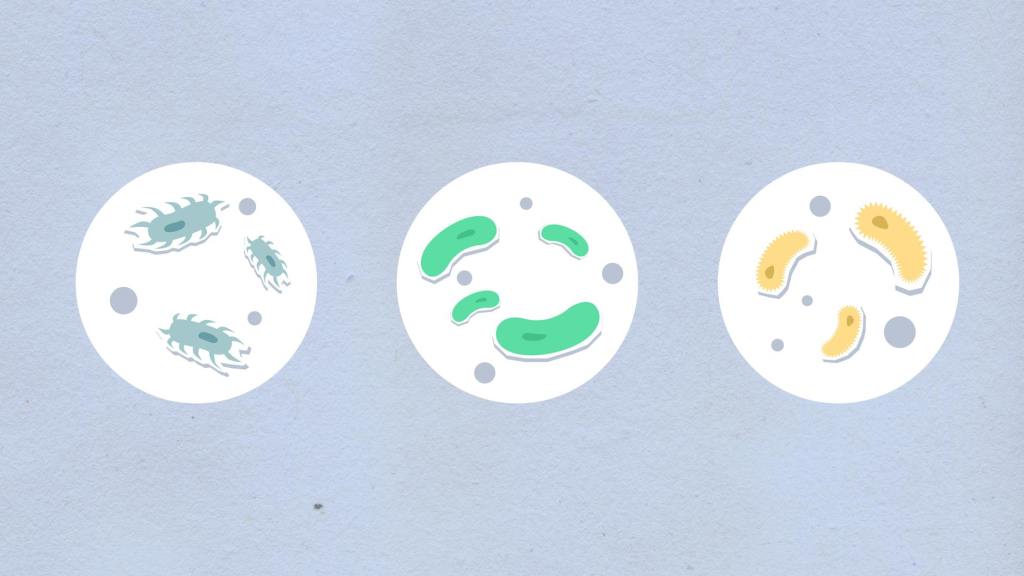
Fungal resistance: a growing problem. Regular readers of these illustrious pages could be forgiven for thinking we spend too much time on antibacterial resistance among bacteria, and not enough on fungi. We hope this very prescient article from The Conversation may go some way to correcting this imbalance

https://theconversation.com/antifungal-resistance-is-not-getting-nearly-as-much-attention-as-antibiotic-resistance-yet-the-risks-to-global-health-are-just-as-serious-239677?utm

Good Growth/Bad Growth The difference in utility between having a small family car, such as a Vauxhall Corsa, and no car at all, is very great indeed. The differences between having that same Corsa and a Rolls Royce are, we humbly submit, rather marginal. Unless you count the awe-inspiring status statement which the latter brings. Growth is good for raising people out of poverty. Yet for centuries it has been based on the production and consumption of status goods rather than useful ones. The complexities of this issue are so fiendish, that we have never known where to begin to understand it. But Larry Elliott of the Guardian makes a brave first try at untying the Gordian knot:

https://www.theguardian.com/business/2024/oct/20/degrowth-image-problem-solve-planet-climate

#veblen #growth #status #antimicrobial resistance #CRISPR Cas 9 #alzheimers #medicine #health
Goodbye CRISPR and epigenetic medicine. Two genuinely exciting developments in one day

Far in the future when the current crop of elections in France, the UK, Iran and the USA are lost in the dusty pages of history books, people will remember this sunny weekend . For it was when Nature Briefings published not one but two stories (count ’em!) about learning and technologies which will still be shaping the lives of those yet unborn. And you read about them here, gentle reader!

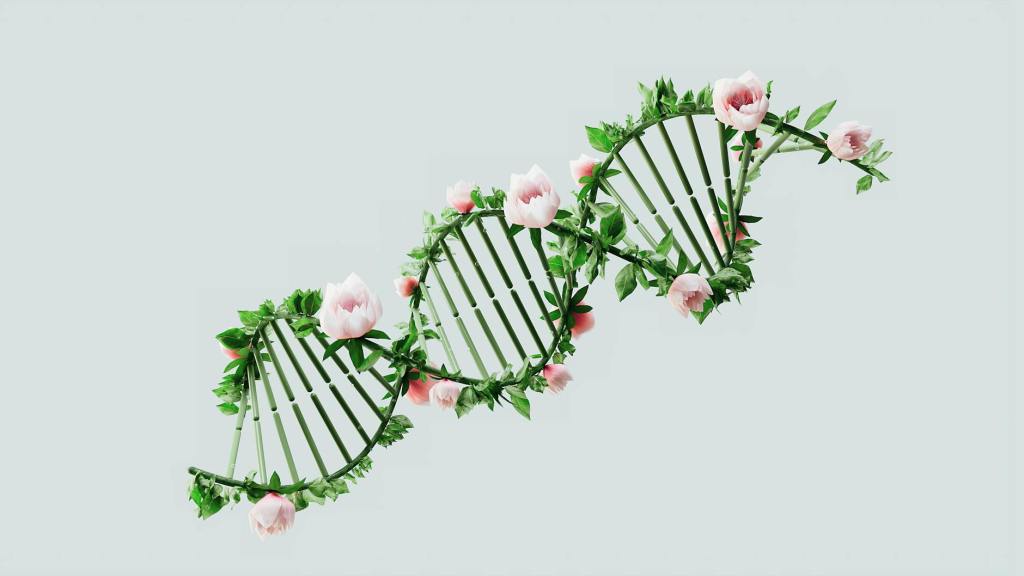
Epigenetic Advance From one time Cinderella to starring role, the science of Epigenetics(all that stuff hanging around DNA but isn’t your honest to goodness genome)[1] has started to come of age. Proof of this lies in the fact that it’s starting to become the basis of real cures, in this case for Prion-based diseases “Epigenome Editor” blocks bad proteins

A molecular-editing tool that’s small enough to be delivered to the brain shows promise for warding off prion diseases, a rare but deadly group of neurodegenerative disorders. The system — known as coupled histone tail for autoinhibition release of methyltransferase (CHARM) — changes the ‘epigenome’, a collection of chemical tags that are attached to DNA and that affect gene activity. In mice, CHARM silenced the gene that produces the disease-causing proteins in most neurons across the brain without altering the gene sequence. This system is the first step towards developing a safe and effective ‘one and done’ treatment for reducing the levels of harmful proteins that cause prion disease, says bioengineer Madelynn Whittaker.Nature | 5 min read
Reference: Science paper

Goodbye CRISPR, welcome Bridge RNA Remember how this blog used to wax lyrical about CRISPR back in the ancient days of 2022? Well, there’s a new kid on the block “Jumping Gene” enzyme edits genomes

A technique that harnesses ‘jumping genes’ — mobile genetic sequences naturally found in bacteria that can cut, copy and paste themselves into genomes — could hold the key to redesigning DNA at will. Guided by an RNA molecule called a ‘bridge’ RNA or ‘seekRNA’, the system has been shown to edit genes in a bacterium and in test-tube reactions, but it is still unclear whether it can be adapted to work in human cells. If it can, it could be revolutionary, owing to its small size and its ability to make genetic changes that are thousands of bases long — much larger than is practical with the CRISPR — without breaking DNA.Nature | 6 min read
Reference: Nature paper 1Nature paper 2 & Nature Communications paper

You’re a funny old species, aren’t you? When you use your inherent qualities of curiosity and intelligence you can achieve things like this. The rest of the time you divide yourselves into imaginary groups and spread destruction, holding yourselves back by centuries from a better life. Will someone pray tell us why you do it?

[1]https://www.wob.com/en-gb/books/nessa-carey/epigenetics-revolution/9781848312920?msclkid=f5800b66adbb110d62696d196c3d84a0&utm_source=bing&utm_m

#medicine #epigenetics #genetics #prions #gene editing

Nature Briefings upsets the apple cart. Big Time

What if everything you learned forty and fifty years ago was wrong? Where would you be then. Something a bit like that happened to us this week when we read this piece from Nature Briefings, Bizarre bacteria scramble workflow of life

Bacteria have stunned biologists by reversing the usual flow of information. Typically genes written in DNA serve as the template for making RNA molecules, which are then translated into proteins. Some viruses are known to have an enzyme that reverses this flow by scribing RNA into DNA. Now scientists have found bacteria with a similar enzyme that can even make completely new genes — by reading RNA as a template. These genes create protective proteins when a bacterium is infected by a virus. “It should change the way we look at the genome,” says biochemist and study co-author Samuel Sternberg.Nature | 4 min read
Reference: bioRxiv preprint (not peer reviewed)
For more coverage of the most abundant living entities on our planet — microorganisms — and the role they play in health, the environment and food systems, update your preferences to sign up to our free weekly
 Nature Briefing: Microbiology

When we were young, there was a central doctrine in biology. Information was stored in genes, deep in the cell nucleus. These were made of DNA. This information was turned into RNA, then used to make proteins. The DNA code was unchangeable, inviolate which made the operations of natural selection all the easier to facilitate. If a large cat suddenly developed DNA to give it stripes, then it could hide better in the jungle, and pass on more copies of the DNA. Hence tigers evolved. Job done. To think the DNA could be modified by some environmental feedback was not only Lamarckian heresy, there was no obvious mechanism by which it could come about.

Now we are Not saying that the above discoveries overthrow the central tenet. Not yet. But remember how the Michelson Morley experiment in the 1880s posed a deep, unanswerable question at the heart of physics which was not fully resolved until Einstein came along a generation or so later. And we are certainly not going to make impulsive conclusions . But our story today, combined with all the recent advances in Epigenetics, do suggest however that the old model is now awaiting a major rethink.

[1]michelson morley experiment##biology #cell biology #dna #rna #darwin #lamarck #bacteria #protein #gene

More hidden numbers – Or a glimpse of the Mind of God?

A couple of years ago, we published a little blog in which we dared to suggest that the recurrence of certain numbers, such as pi and Euler‘s might hint at deeper universal phenomena that are not yet fully understood.(LSS 14 3 22) So we were more than gratified to come across an intriguing article by Steven Pappas for Live Science which further confirms our suspicions.

A team led by Vaibhev Mohanty at MIT has been trying to answer a simple but profound question. “How many mutations do you need in a genome before it changes the phenotype( i.e. proteins, etc) of the carrying organism? Now, we will confess at this point that our grasp of mathematics is appalling. However:

Scientists have discovered that a key function from a “pure” branch of mathematics can predict how often genetic mutations lead to changes in function. These rules, laid out by the so-called sum-of-digits function, also govern some aspects of protein folding, computer coding and certain magnetic states in physics. 

The report explains, in verbal form, some more about how the team arrived at these conclusions. But for us the key is that the same mathematics applies across several fields of science, as though something much deeper is going on. Well, that’s what we speculate. But we were not the first. As educated readers will recall, Plato speculated that the universe was formed of deep underlying structures, which he termed “forms”. And in his view a single Divine mind had created the universe through these same forms. So we pose this question: have these scientists, and others, had a tiny glimpse of the Mind of God?

[1]https://www.msn.com/en-gb/health/mindandbody/scientists-uncover-hidden-math-that-governs-genetic-mutations/ar-AA1f95OM?ocid=msedgdhp&pc=HCTS&cvid=7d80

[2] https://academic.oup.com/edited-volume/41754/chapter-abstract/354205224?redirectedFrom=fulltext

#genes #proteins #mathematics #plato #theology #mutation

Two stories that hint how we may become a new species

Things aren’t going too well for poor old Homo sapiens. Like a bacterial colony in a petri dish, we are starting to use up our resources fast, and pathological symptoms are appearing. When a species runs up against its ecological limits, it is quickly replaced by better adapted competitors. Two stories from Nature Briefings indicate how things might go. And that we have a way out of this if we are prepared to adapt.

Report Charts machines meteoric rise Better at maths. Better at pattern recognition. Better at reading. Remember that bright kid in the class? Next time you heard of him was twenty years later and he was Chief Executive Officer of a blue chip corporation. Well, that’s the way it is with AI now. .

Artificial intelligence (AI) systems can now nearly match — and sometimes exceed — human performance in tasks such as reading comprehension, image classification and mathematics. “The pace of gain has been startlingly rapid,” says social scientist Nestor Maslej, editor-in-chief of the annual AI Index. The report calls for new benchmarks to assess algorithms’ capabilities and highlights the need for a consensus on what ethical AI models would look like.Nature | 6 min read
Reference: 2024 AI Index report

Milestone Map of Brain Connectivity Yet there may be a chance of survival. First read this

Researchers have mapped the tens of thousands of cells and connections between them in one cubic millimetre of the mouse brain. The project, which took US$100 million and years of effort by more than 100 scientists, is a milestone of ‘connectomics’, which aims to chart the circuits that coordinate the organ’s many functions. Identifying the brain’s architectural principles could one day guide the development of artificial neural networks. Teams are now working on mapping larger areas, although a whole-brain reconstruction “may be a ‘Mars shot’ — it’s really much harder than going to the Moon”, says connectomics pioneer Jeff Lichtman. Nature | 12 min read

The point is that AI and mammal brains have one thing in common. Both depend on networks and the system control architecture that runs them. In theory it should be possible to create beings which fuse AI with biological neurons. This has already begun, in a small way, with things like brain implants and limb attachments which can interface with the nervous system. It is possible to imagine biocyber hybrids with advanced intellectual and physical capacities which are ready for the challenges of the future. It looks as if Homo sapiens itself may no longer be up to it. But the genus Homo will survive, albeit in modified form. Which has happened successfully before. We’ll leave you with some thoughts from the old British Rocker David Bowie, who memorably observed

The earth is a bitch, we’ve finished our news/Homo sapiens have outgrown their use

Which is the exact text of this blog. He just said it better.

#davis bowie #AI #neural networks #future #pollution #global warming # genetic engineering

Two amazing stories from genetics that woke us up this morning

One of our great pleasures in life is to stand amazed when someone does something amazingly clever. Especially when you get that feeling that what they did was there, waiting to be done, all along. Which is why we bring you two such stories, all gift wrapped up by the admirable Nature Briefings and BBC, for you to click on at your delight.

A Cure for HIV? Anyone who lived through the 1980s will recall the terrible ravages of the AIDS pandemic, caused of course by the HIV virus. Even if you were lucky enough to be in a low-risk group, we all knew someone or a local community organisation who suffered the ravages. Sad. Sad. Sad. Now that old friend of LSS, CRISPR gene editing may actually offer some hope towards the final elimination of the virus from our genomes. It’s early days yet, as both Michelle Roberts of the BBC and the researchers themselves say. Proof of concept and all that. Good, it’s better to be cautious. But if they can “snip” the HIV virus out of your cells, what else might not be achieved?[1]

Ghost DNA made us brainy Talking of embedded DNA, many a 1980s conversation concerned all that mysterious DNA lying around our genomes that didn’t seem to do anything (no, it was mainly about EastEnders-ed) Was it some of it ancient embedded viruses that attacked our ancestors long ago, in some forgotten Permian Pandemic? Well, get this from Nature Briefings, Virus Helped Brain Evolution

Remnants of an ancient viral infection are essential for producing myelin, a protein that insulates nerve fibres, in most vertebrates. Certain viruses insert DNA into the genetic material of the cells they invade. Sometimes, these insertions become permanent and even aid evolutionary processes. Myelin helps nerves to send electrical signals faster, grow longer and thinner so they can be packed in more efficiently. “As a result of myelin, brains became more complex and vertebrates became more diverse,” says stem-cell biologist and study co-author Robin Franklin.Science News | 6 min read
Reference: Cell paper

The implications are rather profound. The idea of the single autonomous gene line, the pure selfish individual at the core of your biological identity is rather compromised, isn’t it? What if the genetic “you” isn’t just “you,” but is you+some (rather random )free riders, who may or may not be helpful? That Natural Selection is acting on several of you at once. and may force you to cooperate? What price The Selfish Gene now?

[1]https://www.bbc.co.uk/news/health-68609297

#genetics #dna #rna #hiv #aids #myelin #evolution #CRISPR #medicine