Antibiotic Resistance Rising: Part one of our Depressing Diptych for November

Five years of writing this blog, ten years of campaigning. But antibiotic resistance is still on the rise as this article by the indefatigable Hannah Devlin of the Guardian makes all too clear.[1] According to the UK Health Security Agency deaths due to antibiotic resistance went up by 17% in England in 2024 alone.[2] And England is not an outlier: investigations by our Fact Checking Department , Research Unit and and Data Team all showed comparable metrics for other G7 counties(sorry, no time to look wider!)

As might be expected from a fine journalist who has covered this topic so extensively, Hannah’s article is a cornucopia of useful statistics, data points and links. As for the England’s particular glitch, she offers this intriguing possible cause: an increase in private prescriptions following cuts to antibiotic prescriptions within the NHS. Time will tell on that one.

But all too depressingly believable in any case. In pubs, in shops in cafes, we hear the same dreary old reprise: “I’ve got flu and that (unprintable) (unprintable) of a Doctor wouldn’t give me an antibiotic!” An utter misunderstanding of causes, effects and consequence which leads to an ever-rising demand for antibiotics and consequently, an ever-rising rate of resistance mutations in the target organisms. Combine that with the disgraceful misuse of antibiotics in the farming industry, in order to produce megatons of unnecessary meat, and you can imagine a world in ten or twenty years’ time where there are no antibiotics as such at all. It’s not the antibiotics themselves, it’s not the bacteria, its the fact that so many people think they can ignore the findings of science -until it’s too late. It’s a theme we’ll return to in the next part of our Depressing Diptych for this November. Stay on line, it’s coming up.

[1]https://www.theguardian.com/society/2025/nov/13/deaths-linked-to-antibiotic-resistant-superbugs-rose-17-in-england-in-2024

[2]https://www.gov.uk/government/organisations/uk-health-security-agency

#microbial antibiotic resistance #health #medicine #prescriptions #NHS #farming
LSS at 5:A blog of all our blogs

It’s funny, we’ve been doing this blog for more than five years now. And in response to growing numbers of readers and requests, we thought it might be time to provide a round up, not of the week, but of our whole outpourings which might be interesting to those who seem to have been trawling avidly through our archives of late.

It all started back in 2020, around the time of the great COVID-19 epidemic. Our initial aim was to raise awareness of the problem of antibiotic resistance in microbes, and the health dangers that posed. The idea was a short three paragraph hit the sort of thing that informed readers could take in over a quick coffee, while giving them a few links and references if they wanted to follow up. Just to keep it interesting, we started throwing in other topics on other areas of science. And these widened to include economics, social issues like women’s safety, and of course our regular Friday cocktail night, which certain readers still recall fondly.

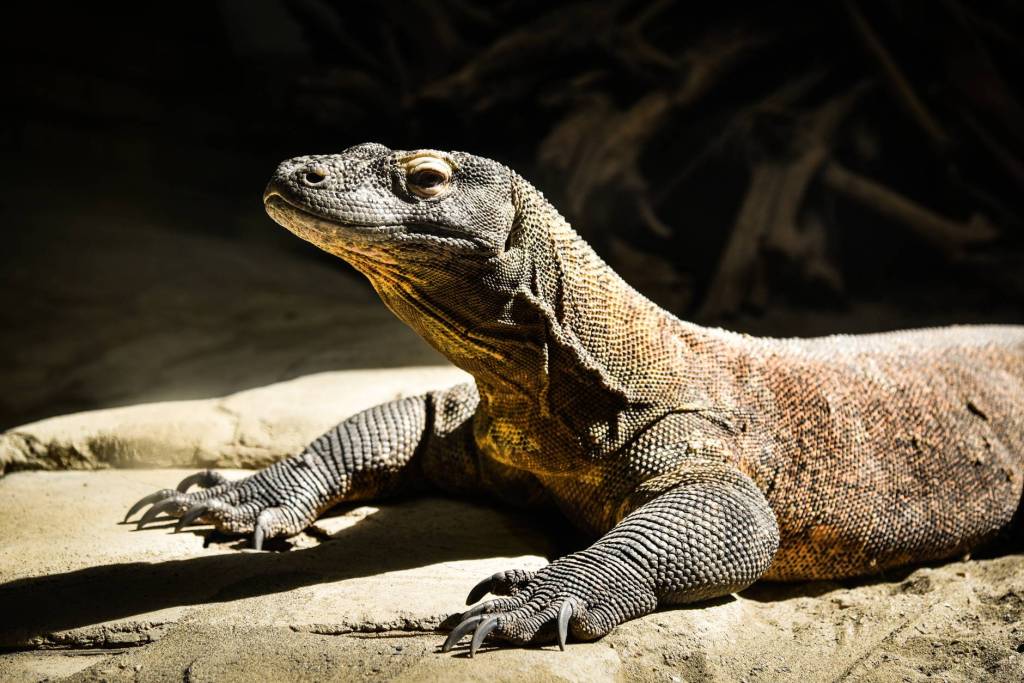
Antibiotics and associated matters have remained well represented. We have looked for untapped sources in nature, even including the unlikely Komodo Dragon( LSS 3 5 21) the evolutionary arms race between bacteria and antibiotics which humans have been forced to join(LSS 8 6 23) and all sorts of new discoveries and techniques including AI (LSS 6 6 24) Being who we are, and untied to the constraints of any institution, we were quick to suggest that bacteriophages might be a useful adjunct to the general theme of overcoming resistant bacteria(LSS 17 3 22, 10 9 25 et al) Ever mindful that lack of antibiotics might not be the only catastrophe waiting we have provided handy little guides to what might happen if the magnetic poles flip, sea levels rise and even more endocrine disruptors are poured out from our factories. Other scientific tropes like evolution get a look in too. We enjoyed posing you a few puzzles on things like Homo naledi (LSS 4 4 21) the tools of Socotra (LSS 17 6 22) and even the possibility of Denisovan Fine Art( LSS 9 8 23) But these last were mainly for entertainment.

Our general theme has, we think been broad but consistent. The scientific method, of gathering objective evidence and analysing it by the rules of logic are the most reliable manner to fashion a passingly decent way of life. To this end you will have noticed is praise all kinds of people from journalists like Larry Elliott and Simon Kuper to more general thinkers like John Rawls, EO Wilson and Carl Sagan. We have tried to keep away from obvious stars like Darwin, Einstein, Bach, Keynes and the others as these thinkers speak for themselves. Instead we have tried to put forward slightly overlooked figures such as Ada Lovelace, Peter Ramus or Cassiodorus. Our Heroes of Learning feature is the place to look for those.

But above all we thank you, our readers, contributors and researchers for all their good companionship. All those who posts likes, shares and comments-it shows someone out there is interested. We wish all of you well with your various blogs, careers, lives and families. As Gore Vidal observed , it is the top one or two percent who carry knowledge through and pass it from generation to generation. And you are in it.

#antibiotic resistance #bacteriophages #environment #pollution #economics #history #evolution #science #reason #cocktails