
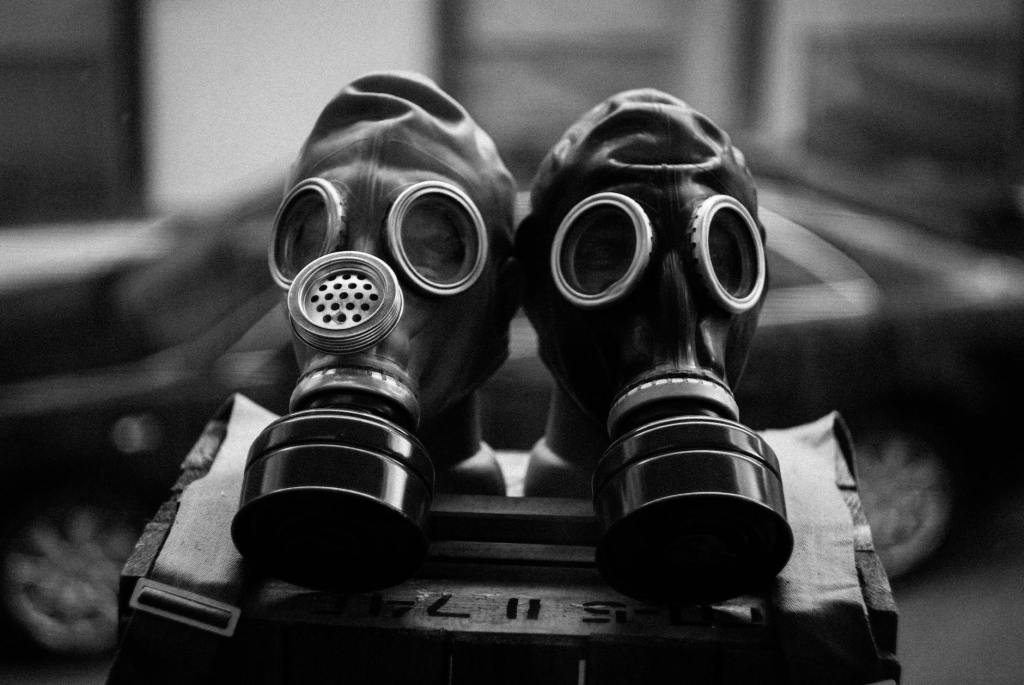

Here’s what lead can do to you:
6 mL of tetraethyllead is enough to induce severe lead poisoning.[89] The hazards of TEL content are heightened due to the compound’s volatility and high lipophilicity, enabling it to easily cross the blood–brain barrier.
Early symptoms of acute exposure to tetraethyllead can manifest as irritation of the eyes and skin, sneezing, fever, vomiting, and a metallic taste in the mouth. Later symptoms of acute TEL poisoning include pulmonary edema, anemia, ataxia, convulsions, severe weight loss, delirium, irritability, hallucinations, nightmares, fever, muscle and joint pain, swelling of the brain, coma, and damage to cardiovascular and renal organs.[90] Chronic exposure to TEL can cause long-term negative effects such as memory loss, delayed reflexes, neurological problems, insomnia, tremors, psychosis, loss of attention, and an overall decrease in IQ and cognitive function.[91]
The carcinogenity of tetraethyllead is debatable. It is believed to harm the male reproductive system and cause birth defects. (Wikipedia: Tetraethyl lead [1])
Like it? That’s just tetraethyl lead, Pb (C2H5)4 The brute metal itself has been in use for millennia, and even the Romans knew that it was toxic. For a broader view, try the main Wikipedia article here [2]
Glad you clicked, because now you will know why strenuous efforts have been made to phase out lead from human technology for the last few decades. Admirable; but it leaves two big problems. It’s bad enough that all that lead is still out there in the soil, in the water, in the air, still poisoning us all. But it gets worse when you realise someone is still adding to the pile. Allow us to explain.
Some readers will recall the bright wheeze they had back in the 1920s of adding tetraethyl lead to petrol, as an anti-knocking agent for engines. It worked! The trouble was that the resulting cloud of lead covering the earth was so dangerous that eventually even a cynical world had to introduce measures which have reduced it. Except in one area: aviation. To quote Wikipedia once more
TEL remains an ingredient of 100 octane avgas for piston-engine aircraft. The current formulation of 100LL (low lead, blue) aviation gasoline contains 2.12 grams per US gallon (0.56 g/L) of TEL, half the amount of the previous 100/130 (green) octane avgas (at 4.24 grams per gallon),[84] and twice as much as the 1 gram per gallon permitted in regular automotive leaded gasoline prior to 1988 and substantially greater than the allowed 0.001 grams per gallon in automotive unleaded gasoline sold in the United States today.[85] The United States Environmental Protection Agency, FAA, and others are working on economically feasible replacements for leaded avgas, which still releases 100 tons of lead every year.[86] Children living near airports servicing small (piston-engine) aircraft have measurably higher concentrations of lead in their blood.[87][1]
Now to us, there can be few pleasures more innocent or admirable than the sport of leisure flying. Exponents of it are personally known to us. But isn’t it time that they, and everyone else, urged their Governments to look for alternatives? And is it unfair to add the phrase “as early as possible”?
[1]https://en.wikipedia.org/wiki/Tetraethyllead
[2]https://en.wikipedia.org/wiki/Lead
#lead #soil #toxin #neurological disorder #pollution
 Learning, Science and Society