Friday Night: What did James Bond REALLY Drink? David Leigh has all the answers

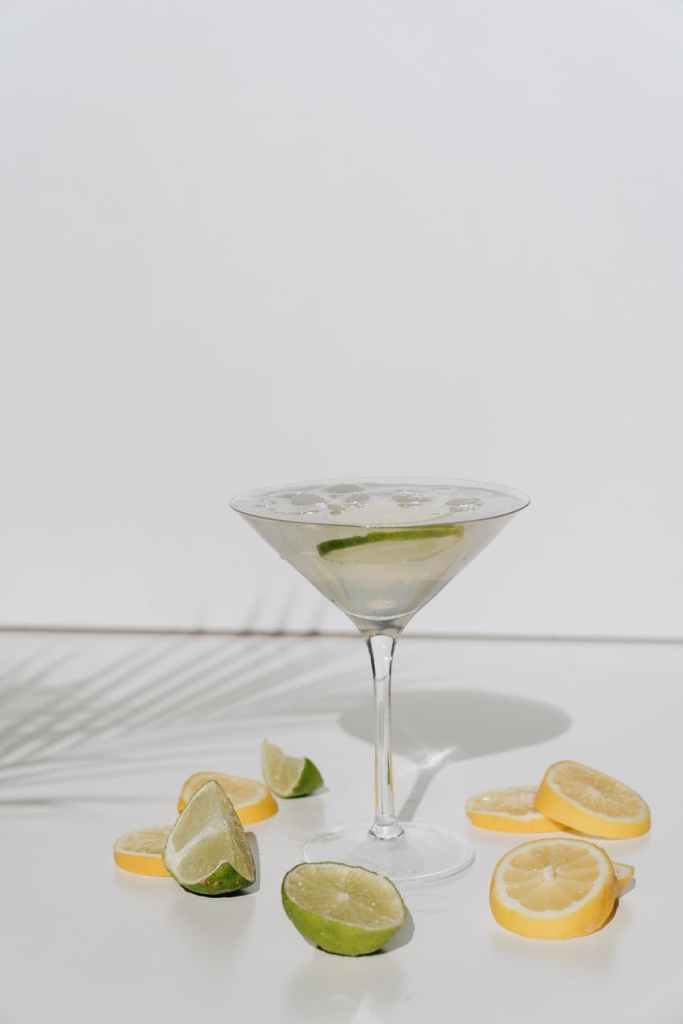
Say the  words “James” and “Bond” in that order, and the world thinks of an elegant upper middle class Englishman sipping a vodka martini in the casino of an exclusive hotel. He’s very image of suave sophistication concealing deadly menace, so much so that the words “shaken, not stirred” have become associated with the Brand, a bit like the chimpanzees in the old PG Tips adverts.

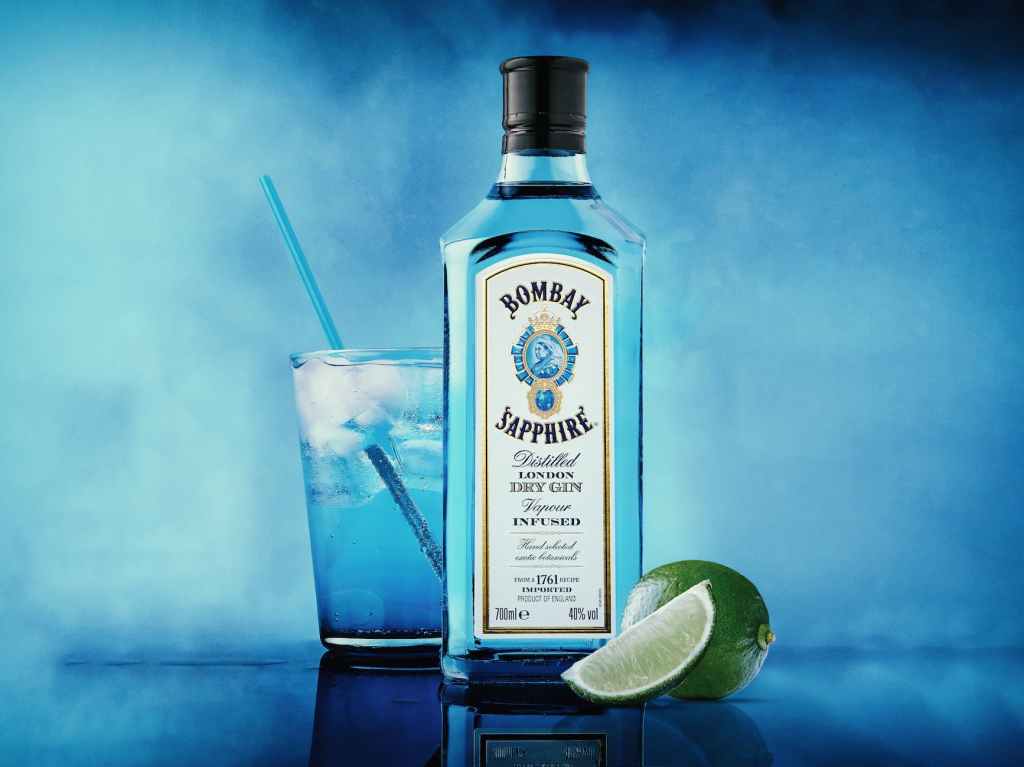
That’s because most of us are familiar with the films, which are a long way from the books, many of which date back to the 1950s. The real James Bond was an eclectic drinker, as David Leigh explains in this excellently written article for the James Bond Dossier website [1] called, naturally enough, What does James Bond Drink? And the truth is :anything he can get. Because as David explains, the original , on paper only, Bond was jetting round a world where globalisation was barely nascent. So if you went to Japan you drunk Sake,in Turkey, Raki, in the Balkans Slivovitz. And so it goes:David details the entire social activities of this famous character in delightful detail.

But we’d like to add our own take by discussing why Bond was like that.  We think we discerned it  at the beginning of Goldfinger where Bond is sitting in an airport lounge downing whiskies and smoking like an old diesel as he tries to de-stress after having killed someone on active service. Musing on life and death as he waits for his flight. We actually knew quite a few men like this. Because the Bond books appeared in the 1950s when most of the male readers would have strong memories of killing and being killed in World War 2 There are even hints in one volume that the literary Bond may just have been old enough to catch active service at the very end of the war.(Ian Fleming was on active service in Intelligence for the duration) Many who had escaped physical wound nevertheless carried what we now call Post Traumatic Stress Disorder.(PTSD) There was no term for it then; and anyway to visit a doctor would have been widely regarded as Cissy, and lacking in moral fibre. You just got on with it. Or self-medicated, brooding deeply night after night on whisky and full strength cigarettes , while god knows what phantoms flitted before their eyes. One of the reasons the Bond franchise has been so successful is that the books are actually jolly good writing. We think they have captured 1950s Man very well. Sad actually, isn’t it?

What does James Bond drink?

#film #cocktail #james bond #ian fleming #writing #books whisky #cigarrettes #stress #war
Roman Polanski’s Chinatown: Still Fresh at Fifty

One of the attractions of the Detective genre is the way good writers use it to cast a sly glance at the deep problems of their society. Without all the dreary agitprop served up by leftist directors and their kitchen sinks. It was the achievement of the film noir genre to condense this trope into stylishly attractive packages, that have stood the test of time.

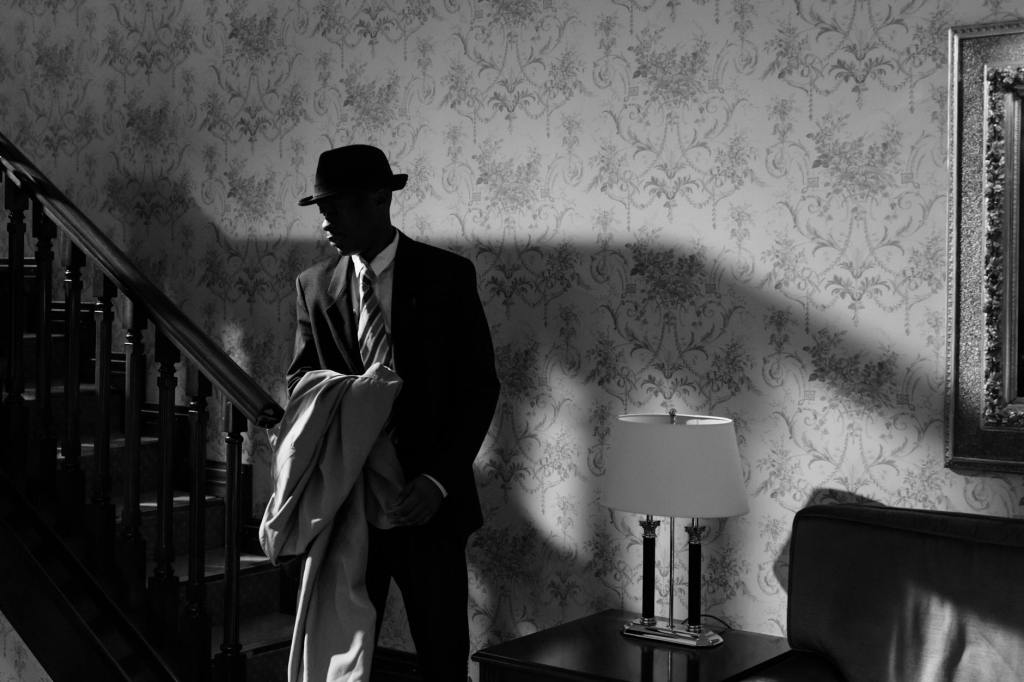
Roman Polanski’s Chinatown(1974) was made after the classic age of the gumshoe(Look! It’s in colour!) But it sports the classic trilby-wearing Private Eye negotiating his way through a 1930s world of glamorous cars, fast women and cocktail lounges.[1] Jake Gittes is a classic Jack Nicholson character-brash, wisecracking, cheerfully unaware of his own faults. Yet he has his integrity to his Craft, which redeems. Cheerfully able to manipulate his subordinates and everyday clients, he stumbles when he runs up against bigger players like Evelyn Mulwray (Faye Dunaway) and a sociopathic dwarf (played by Polanski himself) with a penchant for knife crime. Biggest and Baddest of all is multimillionaire Noah Cross, played by John Huston who comes out from behind the camera to give the performance of a lifetime. Noah is the monster to end all monsters; not only is he madly greedy and a megalomaniac, but it turns out in the final twist that he has actually…….no, we won’t spoil it for younger generation. We had no idea then that such things could occur, and still wonder why they do today.

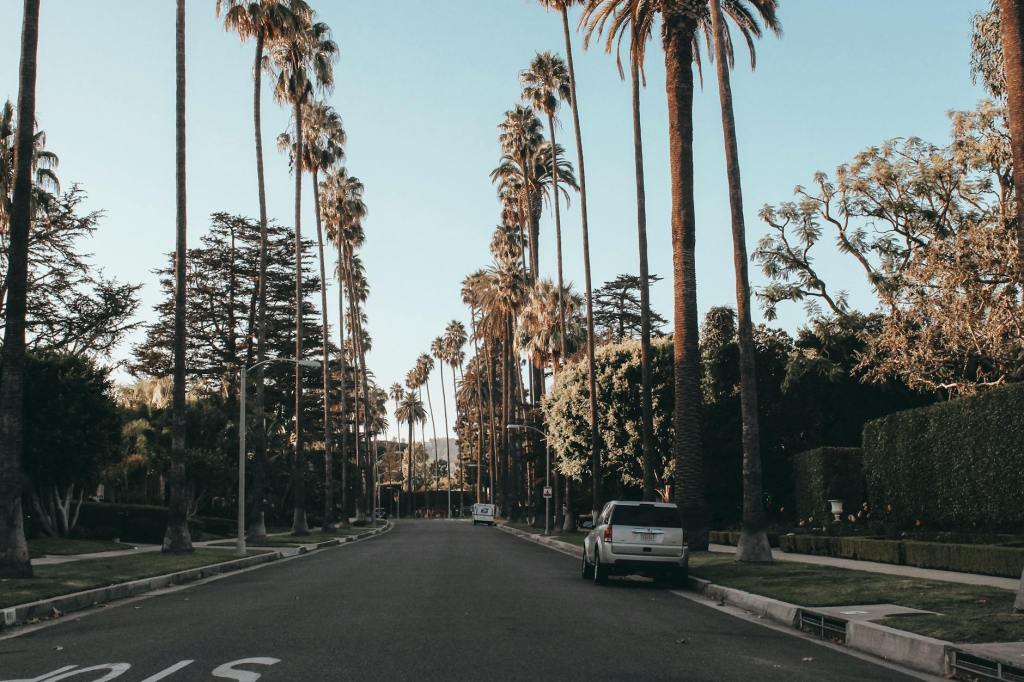
Above all Chinatown is set against the Los Angeles Water Wars of the 1930s. When a fast growing metropolis was suddenly running short of water, and certain characters thereby saw the opportunity to turn a fast buck. It is a question not without relevance today, particularly for those of us who live in England. How the sudden lurches in power, and the compromises they enforce so ruthlessly are displayed in the last scen, set in the eponymous Chinatown. Where Gittes is finally forced to weigh that last redeeming scrap of professional integrity against survival. But we won’t spoil that bit either.

Note for film buffs and musicologists-we thought the main theme displays a passing resemblance to Holst’s Planets, Jupiter Suite; does anyone have the knowledge to tell us if we’re right or wrong?

[1]https://en.wikipedia.org/wiki/Chinatown_(1974_film)

#detective #film noir #los angeles #chinatown #roman polanski #jack nicholson #faye dunaway #privatisation #public ownership