
Friday Night Feast: Sangria

“We’ve just got back from Spain” To those growing up as a child in 1960s London, especially in poorer working class districts, those words rang with magical prestige. Few of us had even been on an aeroplane, let alone to somewhere as warm, as sunnily sandy, and as downright distant as Spain. If you were lucky enough to have a holiday at all it would be a week in a Victorian boarding house in some windswept grey town like Blackpool or Bognor Regis. But these lucky people brought back tales of modern hotels with receptions, swimming pools ,and bars, just like the ones in James Bond films. And the artefacts! Curious little black bulls in hollow plastic. Dolls in exotic flamenco costumes, arms frozen in some eternal paso doble. And funny china jars with a picture of Minorca on them, drinking cups to match. Which, they proudly informed us, were all for the drinking of Sangria. A taste for it was born; and we think it still remains one of the best parts of an Iberian holiday today (you can get it in Portugal too)

The aim is to make it with lots of ice, so that beads of dew form on the outside and trickle down in the hot Spanish night to the sounds of a flamenco guitar(these days it’s more likely to be Rosalia or Aitana; but no somos nadie as they say in that country) After all the ice, there as many variations on the theme as there are bars in Benidorm. This BBC recipe produces an out come as good as any which we have tried down the years. [1] 3 parts of a good full red wine such as one from the Duero or Rioja, one part of orange juice and two of lemonade will get you over the line. After which you can add the sorts of fruits you want, though it being Spain and all that, oranges and lemons seem almost statutory. A little twiglet of mint will give the whole things a most Pimms like ambience, and the scaling up possibilities for two to fifty drinkers are manifest.

The word sangria of course comes from the Spanish word sangre, or blood, as anyone who has holidayed in somewhere like Magaluf or Torremolinos will recognise at once: a reference to the deep red colour of the wine. There are records of something like it in eighteenth century Spain and Portugal. Though the Romans had been experimenting with similar wine punches long before. Don’t accept ones made with rose or white. they are poor imitations , avoided by locals and experienced costa hands alike And so, even though the nights are drawing in we raise a metaphorical copa of the stuff to you all gentle readers, and hope it evokes memories of happy sunny holidays. Thanks again for all your comments, ideas and other general feedback.

[1]https://www.bbc.co.uk/food/recipes/sangria_93847

#Spain #Portugal #sangria #wine #holiday #costa
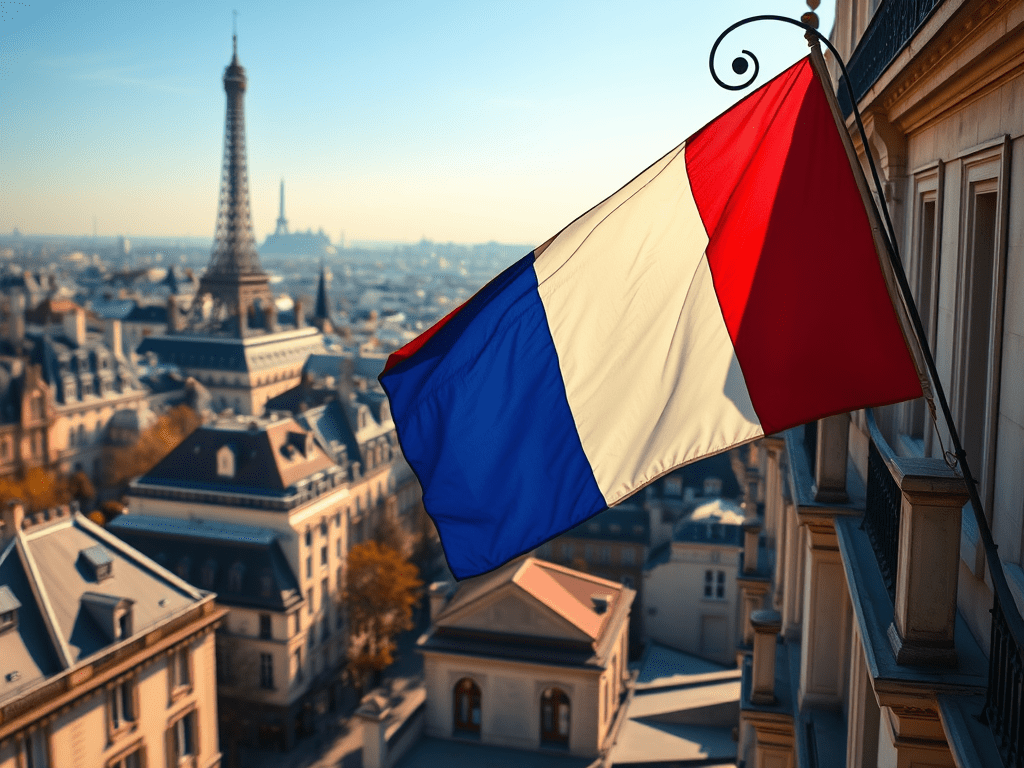
The Best time to be alive: The University of Paris in the Middle Ages

Paris. Everyone knows what that word means, even though most people have never been there. Style. Sophistication. Fashion. Learning. Power. Money. A place to be, a box that must be ticked. How did one more city in northern Europe get ahead of all its peers? What is the secret of Brand Paris?

We think the answer lies in the foundation of the University of Paris. Starting as an adjunct to the Cathedral school before 1100, it gradually expanded into a powerhouse of teaching which began to attract the best minds from all over the world. It drew the patronage of magnates such as King Phillipe Augustus and Pope Innocent 111, who recognised the value of cultural capital and soft power. While the roll call of alumni from the earliest time to the present includes such names as Peter Abelard, St Francis Xavier, John Calvin, Marie Curie, Louis de Broglie, Emmanuelle Charpentier, Simone de Beauvoir and Yann Le Cun. This was where it was at, to coin a phrase: and the network of hotels cafes, art studios, bookshops and spin-off enterprises simply grew around in a multiplying effect that would gladden the heart of any fan of Keynesian economics. (For the curious the Sorbonne started as one college of the University, but expanded so much that its name became metanymic for the whole thing)

It was one of the earliest Universities in Europe, and even today its successor institutions remain among the best. But if you had been a student there, perhaps of Abelard, you would have known yourself at the start of something big, new and world changing, that was going to last the ages. But let’s close when our own original thought When they set it up, the costs must have seemed rather large, the incomings rather small. No doubt the same argument was advanced against the Pyramids in Egypt or the monuments in Rome. But they have paid for themselves over and over again in tourist revenue alone ever since. As its greatest alumnus of all, St Thomas Aquinas said

Sicut enim maius est illuminare quam lucere solum, ita maius est contemplata aliis tradere quam solum contemplari.”

“Just as it is better to illuminate than merely to shine, so it is better to pass on what one has contemplated than merely to contemplate.”

And we agree.

#france #middle ages #university of paris# #sorbonne #philosophy #learning

Friday Night: Madeira Wine

When we sat down to prepare this week’s  Friday article, one of our researchers suggested” why don’t you do  Madeira wine?” Which created rather a problem: How can we praise Madeira wines without sounding like one of those  articles you find among the pages of in-flight magazines or tourist guides, which seem increasingly to have been written by something other than a human intelligence?

Our first decision was let the experts do the heavy lifting. on subjects such as heritage, production, availability and so on. We have posted two links here, one to the Wine Society[1] and a second  to the indefatigable Blandys [2], more of whom below. There are actually many types of wine produced on this famous subtropical island: But the sort  everyone talks about, the eponymous Madeira is a fortified wine which comes in four types Sercial, Verdelho, Boal and Malvasia.  And the angle we want to take is history, not of the wine which our links cover, but of our own first experience of it when we visited the Madeira wine lodge, still run by the Blandy family in Funchal, 34 long years ago

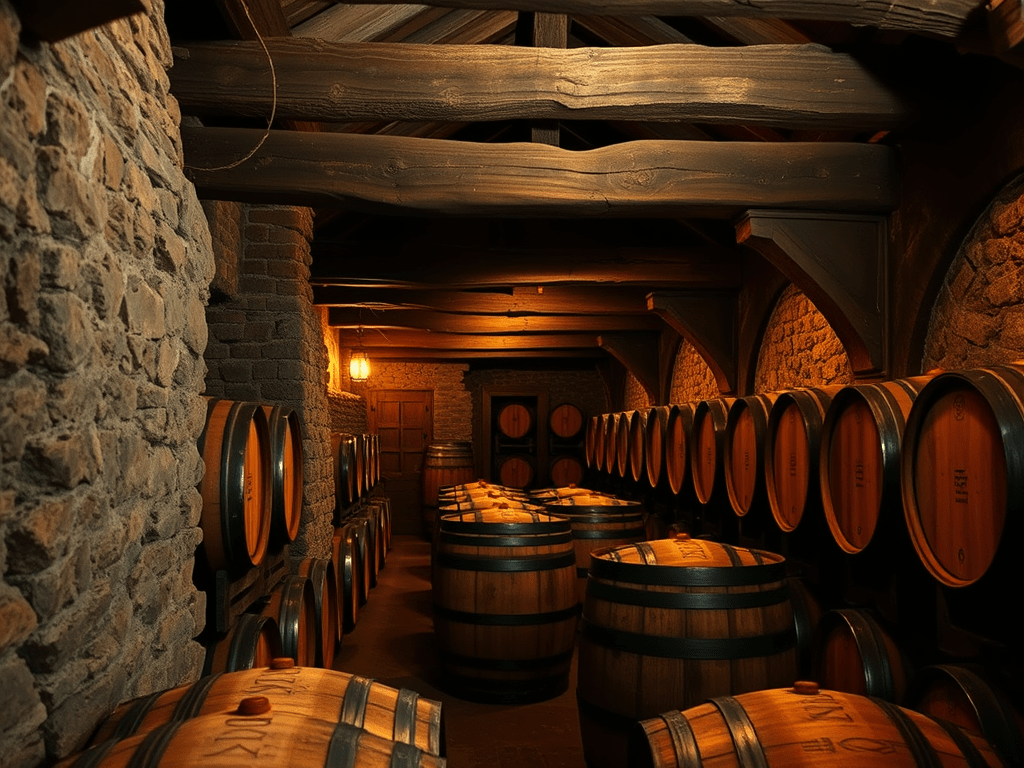
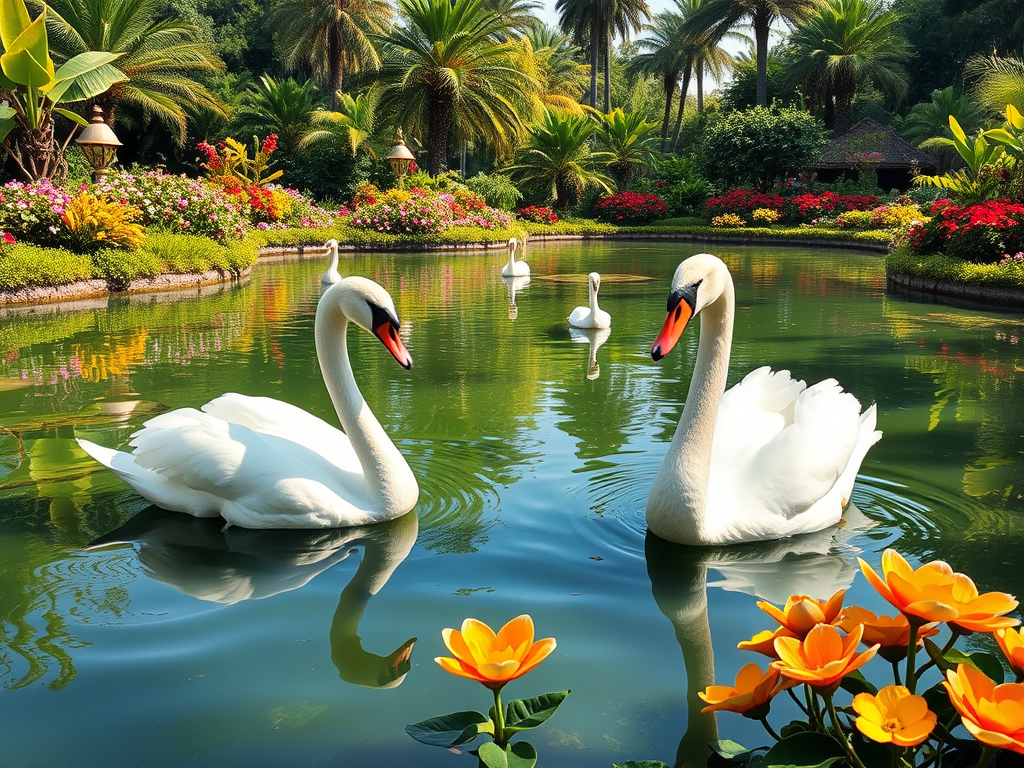
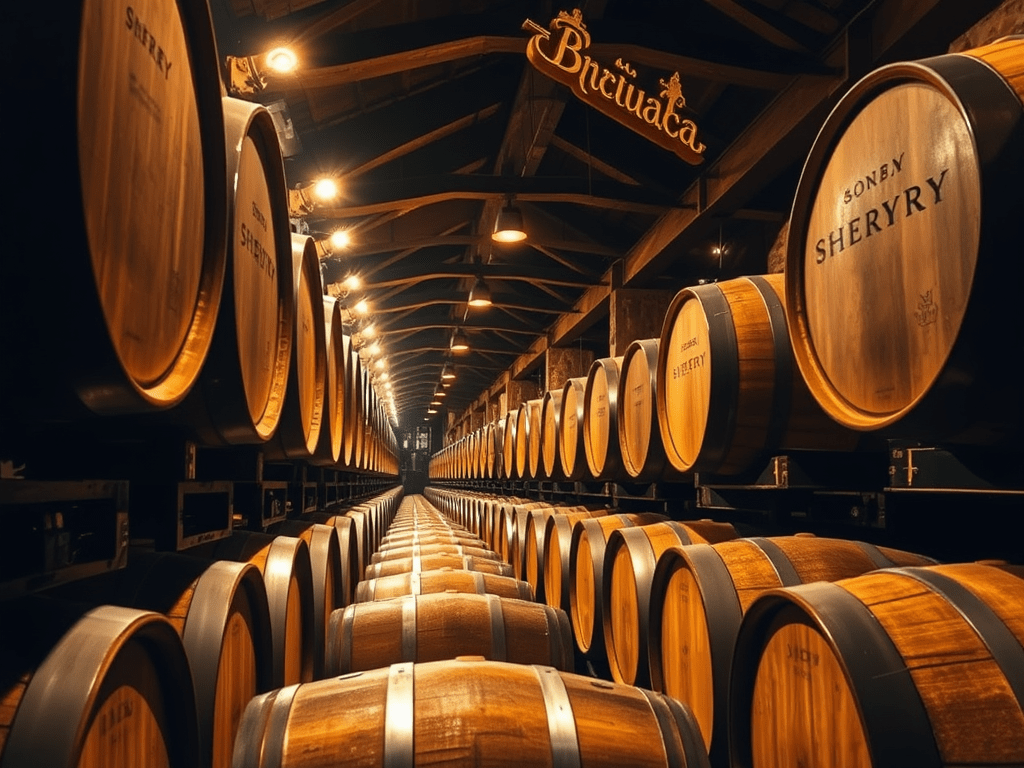
We will not detain you long with the excellence of the place, the helpfulness of the guides nor the dark wood beams and casks, the rich aroma of grape, all of  which are the same today. Rather it was our arrival, post tour,  at  the tasting session, where we learned that not only does the wine come in four types(see above) but that each type was produced by one of four traditional families: Blandy’s , Cossart Gordon, Miles and Leacock. A truly scientific  tasting would therefore require an array of 16 (4×4) glasses, as any expert in the mathematics of set theory could quickly tell you. What we had not realised was the potential wallop carried by even a small glass of the stuff. With the result that our tasting rapidly descended into a blur of ill-remembered labels, mixed tastes, and a growing feeling of confused  tiredness inconducive to sustained intellectual effort. Eventually our companion was forced to take us to recover in a nearby park with some friendly swans upon its lake. Which kept us pretty well occupied until her return from some serious shopping.

And the moral is? Blandy’s  Wine Lodge is a first rate tourist spot, which you must visit if you are ever on the island. Madeira wine is delicious, but strong. We have visited the lodge often on our subsequent six voyages to the island. But now a single glass, often the the slightly sweet Bual, is more than enough to content us. . But we steadfastly urge you to try one too.

[1]https://www.thewinesociety.com/discover/explore/regional-guides/madeira-ultimate-guide

[2] https://blandys.com/en/about-madeira-wine/?doing_wp_cron=1755271440.1276309490203857421875

#Madeira #Blandys #tourism #wine #holiday

American Scientists: Your new home in Europe awaits

Will the brain drain of the last hundred years reverse? Will the best and brightest minds start fleeing America and pitch up on Europe’s shores? We sort of raised this question last week(LSS 20 3 25) but now the admirable Alexander Hurst does it much better in the Guardian [1] Truly, it’s a real tour de force of why they’re thinking about it. It’s not just the cuts to Doctorate programmes or even the targeting of certain Universities like Columbia and Johns Hopkins for spiteful treatment. it’s the Administration’s underlying presumption that free enquiry and science are its enemies. And that the persecution has only just begun. As Alexander notes, astute minds at the University of Aix-Marseille have scented an opportunity with its Safe Place for Science initiative.[2] If the EU and associates like the UK really get their act together, Europe could look like a very good place to study nature indeed. So-where to settle,to work, and have a good life at the same time?

Our list below is little more than a list of hints and suggestions; we like to keep the blog as short as possible. But if only one or two aspiring post docs or lecturers glance over our list,and at least consider then our work for this day is done.

France The University of Aix Marseilles was first out of the starting blocks; but France also boasts such luminaries as the Sorbonne. When you throw in the food, wine and a culture that actually admires learning (you don’t get a reputation as tricky intellectuals for nothing) this is a calling card to keep near the top of your wallet.

Germany Beer’s great, food’s good and this was the home of such awesome polymaths as Goethe and the ground breakers at the centre of quantum physics. Instead of picking one or two Universities-we can’t, there’s too many good ones-we are going to tip the truly awesome Max Planck Institutes as your next home. Old LSS hands will recall our utter reverence for their Professor Paabo and his discoveries in human evolution. A glance at their website will reveal the other edges they are cutting daily. Has to be on your list [3]

United Kingdom The trio of Cambridge-Oxford-Imperial make a truly heavyweight bunch, but they sit at the top of a tree of fine institutions: if we picked out the Manchesters, Bristol and Sussex we would be doing a grave disservice to many other places of supreme excellence. Property can be pricey in these small islands, but don’t believe the stories about the food It has become immensely better in the last 45 years or so, and above all: these people speak American, godammit! [4]

Spain One of the joys of Hispanic studies was to discover that behind all the beaches, bullfighters and paellas lay a truly formidable network of research institutes and the like, which were particularly strong in Life Sciences. Again. the list is long. But The University of Barcelona and The Complutense University of Madrid are usually vying for the top places, just like Barcelona FC and Real Madrid in La Liga. With the economy growing well this really could be una casa nueva, amigos [5]

Italy Home not just of the Renaissance but a whole world of scholarship before and after (remember that Dante bloke?) this has to be a look -at. Currently Bologna and Padua are near the top, but their is a strong following pack. Once again, the food and the culture are strong selling points. Plus we visited recently, and those villages tumbling down the hillsides atill look exactly like the ones in Renaissance paintings. Were we charmed, or what?

To which we could add Switzerland, Ireland, Scandinavia, and a host of other places. but must sorrowfully admit there is no space in a short blog. Brains are like money; they tend to gravitate to where they’re appreciated. Time to leave l the Confederacy of bullies, evangelicals. good ol’ boys and conspiracists behind; once again they are on the wrong side of history. Time to look for a Union where you can once again feel at home.

There are plenty of websites which will give you the lists of top Universities by country. If you want to follow up, we urge you to visit them

[1]https://www.theguardian.com/commentisfree/2025/mar/24/french-university-scientific-asylum-american-talent-brain-drain

[2]https://www.univ-amu.fr/fr/public/actualites/safe-place-science-aix-marseille-universite-prete-accueillir-les-scientifiques

[3]https://www.mpg.de/institutes

[4]imperial college london

[5]https://ucm.es/english

#donald trump #science #learning #europe #united states #economics

Switzerland: an economy is never expensive if you live there

A sometime correspondent* and contributor to these pages has sent us the following report, which we have transcribed somewhat into a language fit for a lettered readership:

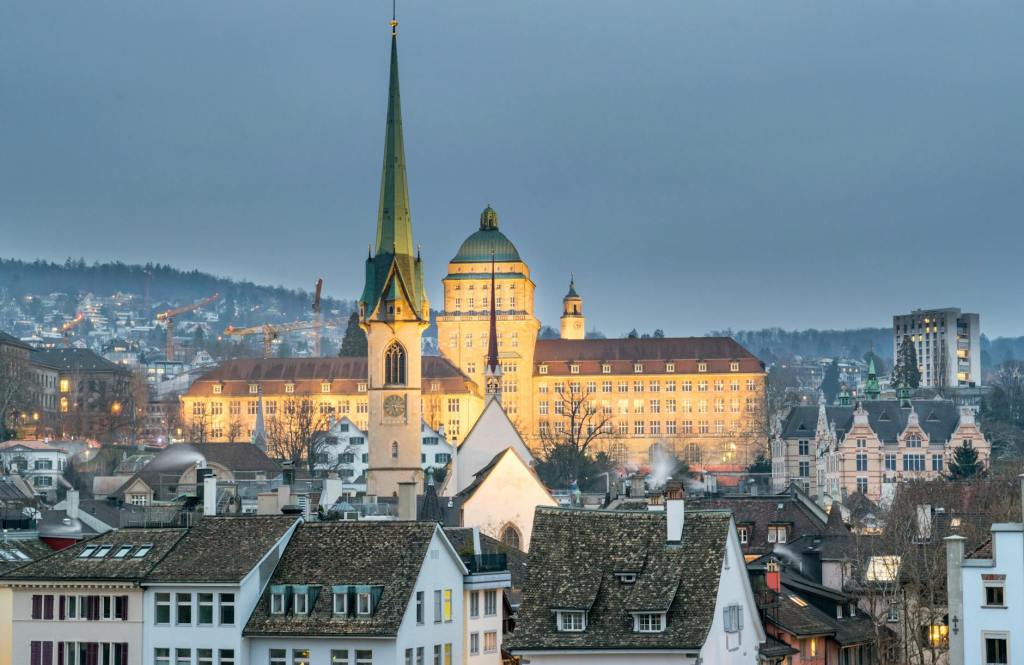
“Recently, my wife and I travelled through the republic of Switzerland, which was notable for many things. The cleanliness and order of all we saw, especially the city of Zurich. The split second precision of the trains and other means of transport. And the eye-wateringly expensive nature of food and drink. We were offered a bottle of the house red for £54, and it went up from there. Food was similarly exorbitant. Yet as soon as we crossed the border into Italy, the change in tone was remarkable. Trains were suddenly, and reassuringly, late at all times. But we could afford to eat once more” (they shared a delicious pizza-ed)

So what is going on? There are several lessons for us students of economics here. Firstly, you can run a high price, high paid economy rather well. Which renders all this talk about austerity and cuts rather irrelevant. Because an economy will not feel expensive to those who live in it , provided they use its currency. It will feel different to visitors from poorer countries, because their currencies will not fit with the prices on offer in the high wage economy. Secondly, if you want great services, they are perfectly possible- if you are prepared to pay for them. That these may be both a source of national pride and economic efficiency becomes a quod erat demonstrandum. Thirdly, that a cult of paying starvation wages is both inefficient and self-defeating. And finally-if you want a really good pizza, you still have to go to Italy.

We wish we could afford even that!

#switzerland #italy #price #income #keynes #friedman #economics

*for both legal and security reasons. we have been requested to keep the identity our correspondent anonymous

Tourism Tribes Trump Enlightenment

“We don’t like all these tourists!” A quick glance at the newsfeeds show mass protests against tourism and all its works breaking out across Spain, from the palmy island of Mallorca to stylish Barcelona, all the way out to the breezy Canary Islands. And it’s not just in Spain either. Venice was one of the first to start restricting access to the new breed of huge cruise liners that plough the sunnier waters of the world. And even in UK hotspots like Cornwall, some locals break out their tractors in high season and drive them slowly around country lanes with the deliberate aim of making life difficult for hated holiday visitors, whom they term “grockles” in the local dialect (we have been personally informed of this).

What on earth is going on? Students of Hispanic history and culture were long taught that the arrival of mass tourism not only brought floods of money, it also began to eat into the stifling repression of Franco‘s Spain, long before the arrival of democracy. Downsides like the ugly high rise sprawls of hotels and bars were glossed over. Also that whole areas could be taken over by hostile tribes of tattooed thugs, high on a sleazy culture of cheap beer, cocaine and promiscuous sexual encounters. And that’s just the women. We dare not name certain resorts where we have seen this this occurring on a daily basis . But we can understand why these protests are so strong in Mallorca.

Progressives need to confront a highly uncomfortable truth. Ramming people of very different cultures, languages even, together into tight spaces will ignite the oil wells of fear, mistrust and suspicion which lie latent in us all. And this will be so whatever the economic benefits the new arrivals bring. Ever since the Enlightenment, progressives of all types, from Adam Smith style ultra-marketeers to far-left Marx fans have asseverated that the spread of economic and intellectual advances will be irresistible. And that we thereby held the winning hand. Perhaps. But the natural instincts and impulses of most people seem to be very different. A truth which we have acknowledged before on these pages, in our posts on People like David Rofeldt, Amy Chua and Eric Kaufman. (LSS passim)Unless we think how to confront this tribal instinct, it will be used to Trump our project. And this time there will be no coming back.

[1]https://www.independent.co.uk/travel/news-and-advice/mallorca-menorca-spain-tourists-protests-b2551689.html

[2]https://www.msn.com/en-nz/travel/news/thousands-protest-in-spain-s-mallorca-against-mass-tourism/ar-BB1qny4g?ocid=BingNewsSerp

[3]https://www.bbc.com/mundo/articles/cw884y73j4do

#tourism #mallorca #barcelona #protest #free market

How an old History Book still has very real lessons for today

It’s funny how some books suddenly explain something you’ve puzzled all your life. One of our obsessions was always “What was the Roman Empire all about? And why did it fall?” And we ploughed our way through everything from Gibbon to Asimov’s Foundation series. Until we came across RH Davis A History of Medieval Europe”[1]. Suddenly, things began to fall into place.

Before the Industrial Revolution, it was far cheaper to transport goods by water than by land. The achievement of Rome was to be the culminating power that united the whole Mediterranean Basin into a single, prosperous trading area. Where cities could flourish, ideas spread and production be subdivided to the most efficient source. And to do it all with the minimum effort. This was partly by religious tolerance: before Christianity, all beliefs and none were accorded equal status. But it was also done by Law. As Davis explains

“…….[The Romans] knew that all the Mediterranean peoples had a common interest in the commerce of their sea…….they believed that all men had by nature an instinctive knowledge of what was right and what was wrong…and that it was possible to frame laws in accordance with the standard of nature. They distinguished between custom, which was of local significance and law, which appertained to justice and was of universal significance …...

But the barbarians who entered the Empire did not quite see things that way. Most of them-Goths, Burgundians , and so on, came to enjoy, not destroy. But:

barbarian invaders claimed that their own laws were were particular to themselves, since they were not founded ..on reason, but on the dictates of their divine ancestors….[the Roman Empire] was… cracked by the determination of barbarian invaders to prefer the law of their ancestors to the law of reason, since that preference implied the superiority of loyalty to one’s race over loyalty to the civilised world. It was shattered when traders lost the freedom of the sea. When that happened , the greater part of Europe reverted to an agricultural economy, in which there was no place for the cities that made men civilised” (all quotes pp 4-6)

Today, after a brief period of globalisation, we live in an age of retreat. In most places, people are reverting into ethnic or religious tribes. There are cries to tear down even the few international laws we have, which might have done some thing to keep the peace. Now, there is a very respectable argument to say this is in accordance with the most basic instincts of human nature. And so it might be. But Davis tells us very clearly what the price must be if we now follow this that course. The Dark Ages.

[1] RHC Davis A History of Medieval Europe from Constantine to St Louis Longman 1988

#RHC Davis #Middle ages #medieval #trade #henri #pirenne #dark ages #antiquity #economics

Has Brexit really failed? It’s too early to say

According to one tale, the great Chinese statesman Zhou Enlai was asked “What are the consequences of the French Revolution?” To which he replied “it’s too early to say.” Like many good stories, it’s probably apocryphal; but it illustrates a wise truth. Don’t rush to judgement. In historical terms, the UK decision to quit the EU in 2016 was a seismic event at least as big as the French Revolution, or China’s own Cultural Revolution. Nine years on from the ballot, and three from that final sundering, can we make out anything at all?

Superficially, the case against Brexit appears to be overwhelming. GDP is down by anything between 2-5% each year.[1] Business investment and capital formation have taken a severe hit [2] Life expectancy, that key indicator of a thriving society, has actually started to fall is some areas. As for the much wished-for trade deals with the Leavers’ beloved White Commonwealth, these are either highly disadvantageous the to UK (Australia, New Zealand) or non- existent (Canada). Meanwhile the UK Government rushes to subsidise factories here, there and everywhere, with money which might be better spent on Defence or transport, all in the name of keeping a residual manufacturing presence. Case closed? No. Firstly because the analysis is too simple. Secondly, because we think that humans are not, primarily economic animals.

For starters, the above-quoted statistics are UK-wide. They disguise the fact that certain regions have weathered the Brexit storm better than others. Northern Ireland (membership of Single Market) and London and the South East ( residual proximity to the Continent) are two cases against. As for the life expectancy figures-these are a long term trend, and probably owe their origin to the years after 2010 when Remainers Cameron and Osborne introduced their programme of austerity.

For the second argument: let’s go back to basics. The European Union was founded first as a peace project, and only secondarily as an economic one (it was the failure to grasp this which led to the UK’s disastrous negotiating strategy-but that’s another story). The EU has indeed kept the peace between those ancient enemies Germany and France. But with the rise of Vladimir Putin, the days of peace are over-everywhere. As for prosperity-was it really all it was cracked up to be? More food seems mainly to have led to higher obesity. More money meant more fast cars, more items of throw-away fashion and easily- forgotten holidays. All of these may have to be dispensed with if our economies have to be diverted to defence. So-was Brexit simply an act of foresight, preparing the British people for the hard times that lay ahead? And there is one other factor, which we think is more important still.

When the UK coal miners struck in their bitter dispute of 1984-1985, they firmly declared one thing. It was not about money. It was, they said, about preserving community, belonging and their sense of identity.[3] And these feelings are rooted very deeply in the human psyche. Probably far deeper than a desire for shiny kitchens or luxurious furniture. These are the profound sentiments that Brexit touched upon-and we ignore them at our peril. History has not been kind to those mineworkers and the children, it is true. But it still remains to pass its judgement on the children of the Brexiteers. Let’s wait and see.

[1]https://www.economist.com/britain/2023/01/03/the-impact-of-brexit-in-charts

[2] https://www.ons.gov.uk/economy/grossdomesticproductgdp/bulletins/businessinvestment/apriltojune2021revisedresults

[3]https://www.channel4.com/programmes/miners-strike-1984-the-battle-for-britain/on-demand/73990-001

#UK #EU #brexit #gdp #miners strike #identity #trade

Immigration: Intriguing new research suggests this blog got it wrong

“When facts change, then I change my mind.” So said the great economist JM Keynes. It should be the guiding principle for every scientist and scholar. Now, some readers will recall several blogs we have made on immigration ( LSS June/July ’22;Nov ’22). We still think we were right to raise this issue. Because it seems to be of neuralgic importance. But we ascribed the basic cause to the movement of people from poor economies to richer ones. We have now seen good evidence that this belief, although not entirely wrong, is so simple as to be almost misleading. And we are now going to present you with that evidence, so you can judge for yourselves.

 Of course immigration does indeed flow from poorer societies to richer ones, But not from the absolute dirt-poor countries. The bulk of immigration comes from middle income countries. According Hein de Haas. a Professor of Sociology who writes in the Guardian, anyway. [1] And why do they do it? To fill jobs in short contract, essentially unregulated labour markets in the host countries. The second link, from Nature Briefings, should allow you to drill down more into Professor Haas’ work (we hope the link works!) It’s called Prejudice Colours our View on Immigration, a title that says much:

Many of us have opinions about immigration, but most of us don’t fully understand it, suggests sociologist Hein de Haas in his impressively wide-ranging book How Migration Really Works. By busting myths that surround human mobility, de Haas provides a welcome corrective to common misconceptions, writes reviewer and migration scholar Alan Gamlen. “But with migration patterns shifting as the world rocks in the wake of the COVID-19 pandemic, it’s unclear for how long his conclusions will hold true,” writes Gamlen.Nature | 7 min read

There’s a lot of humility to go around for all of us here, not just LSS. Like, even when you think you have the answer, it may turn out to be only part of it. That sudden sweeping generalisations can be utterly wrong. Yet there remains one small observation in which we were right, You get very little immigration from richer countries(e.g. Switzerland, Denmark) to poorer ones(e.g UK) And we still think that, in there somewhere. lies the answer to all this angst.

[1] https://www.theguardian.com/commentisfree/2023/dec/29/politicians-immigration-wrong-cheap-labour?CMP=Share_iOSApp_Other

#migration #immigration #emigration #inequality #economics