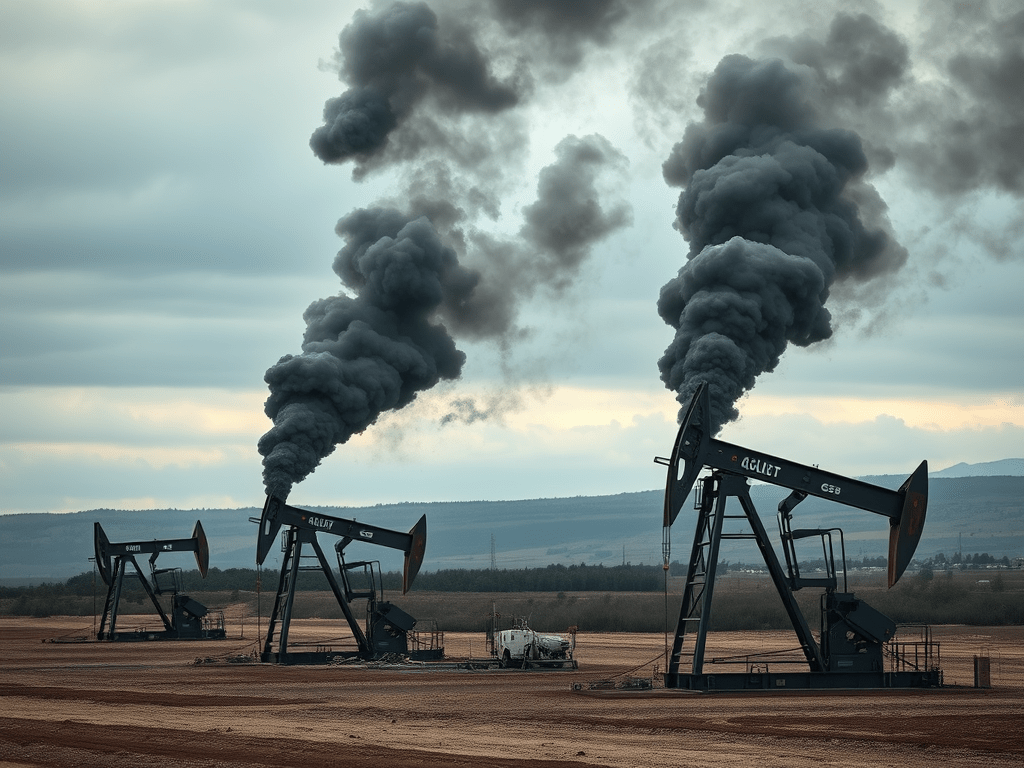
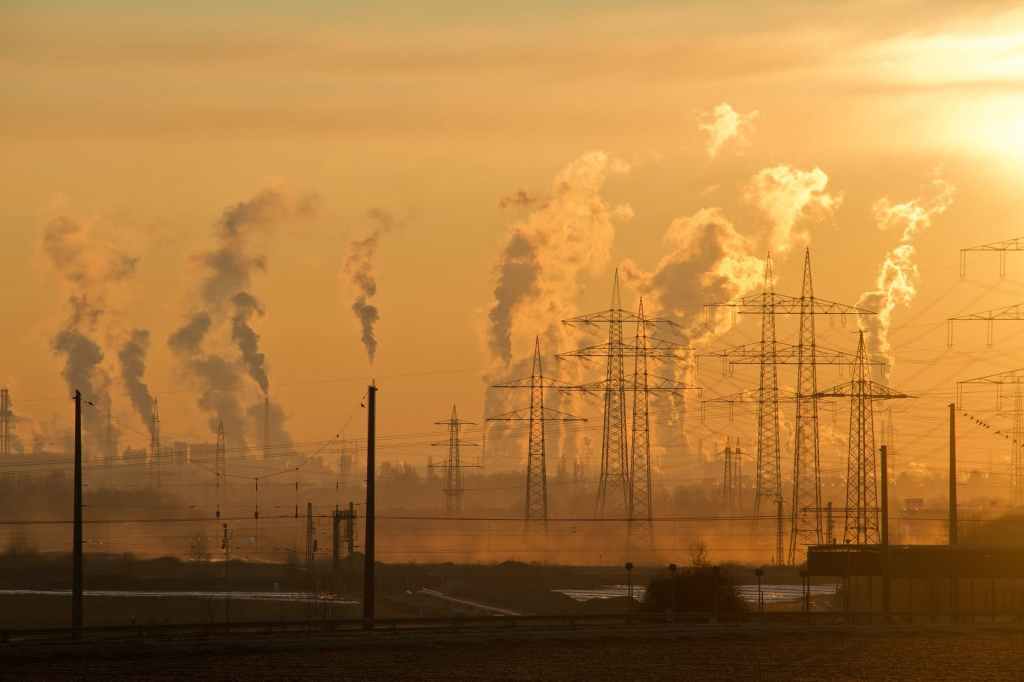
One of the enduring narratives promoted by the fossil‑fuel industry is that economic growth is only possible if we continue relying on their products. It’s a story that has shaped public debate for decades — and stands in the way of a safer, cleaner future. Do we have to take them at their word? Not according to the remarkable developments in Romania, uncovered for us today by Ajit Naranjan of the Guardian.[1]
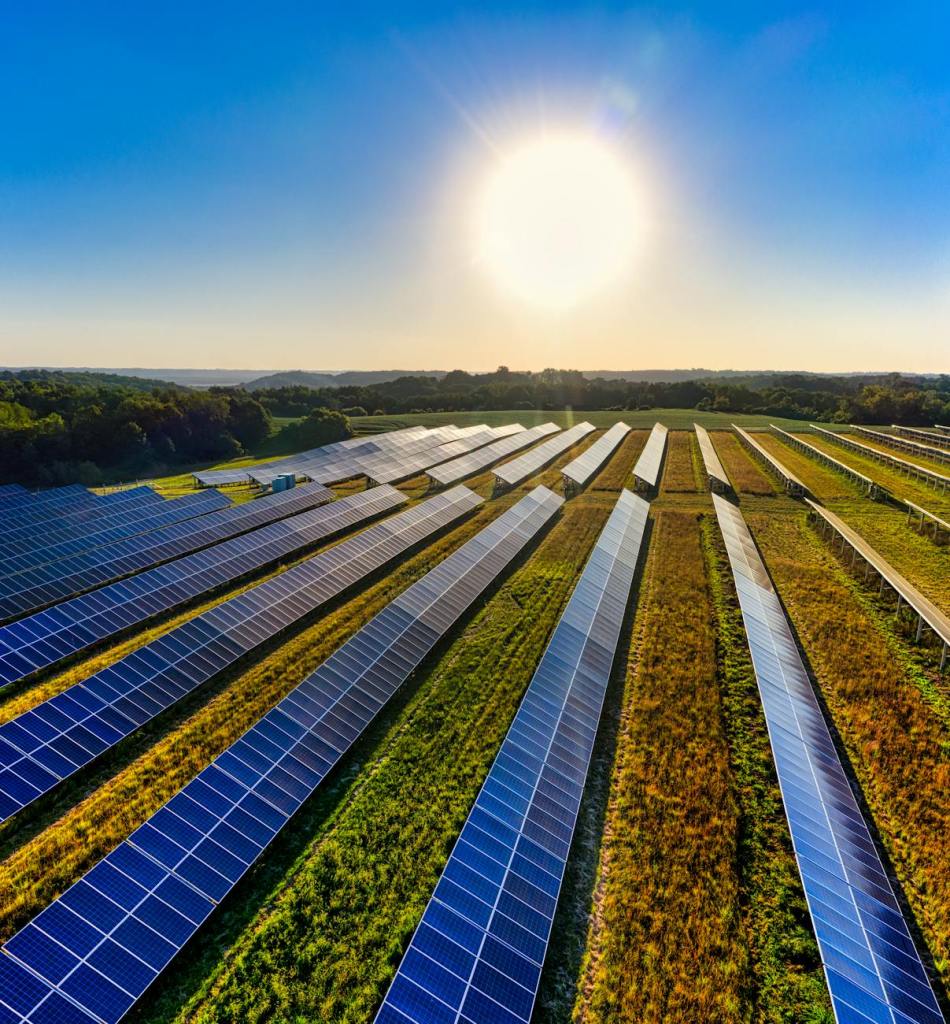
For what Ajit has found is a country successfully decoupling economic growth from fossil fuels and tying it instead to renewables. It’s all the more interesting because the Romanian oil fields were the very birthplace of Big Oil back in 1857: and the old communist regime seemed to spend its time promoting every dirty fossil fuel technology it could find. But today there is a truly stupendous investment in things like solar panels, offshore wind and nuclear power. Emissions have dropped by 75% since 1990 while GDP has doubled. Some of the achievement is down to policies- such as EU membership, cleaning up agriculture-as well as technologies. And there is a darker side, as gas and oil are far from entirely banished. But we’ll leave all this to Ajit, who does such an informative job. And although Romania so heroically leads the way:
Dozens of countries have completely decoupled their economies from emissions, even accounting for the pollution in imported goods, and many more have managed to grow richer while emissions climb at a slower rate
All of which may be bad news for the USA, which currently seems to be trying to move back towards fossil fuels. Because in a global economy shifting toward clean energy, returning to fossil fuels may prove a strategic dead end. If renewables become the backbone of 21st‑century growth — as many economists expect — then choosing the old path risks leaving a country stranded while competitors build the industries of the future.
With the current tensions in the Middle East flooding the channels, you could be forgiven for thinking that benighted region is the only part of the planet that counts. It isn’t. It soon won’t count for much at all. And once again we are indebted to that most erudite of writers, George Monbiot of the Guardian[1] for telling us why. George has got hold of a report called the UK National Security Assessment, written by some of the sharpest minds in the country- MI5, GCHQ, that lot. And when we say they’re bright, trust us -they are. We won’t deprive you of the pleasure of reading all of George’s article. But the essence is simple: rapidly accelerating climate change is completely upending the normal relationships between nations, and taking us all to a dark and dangerous place
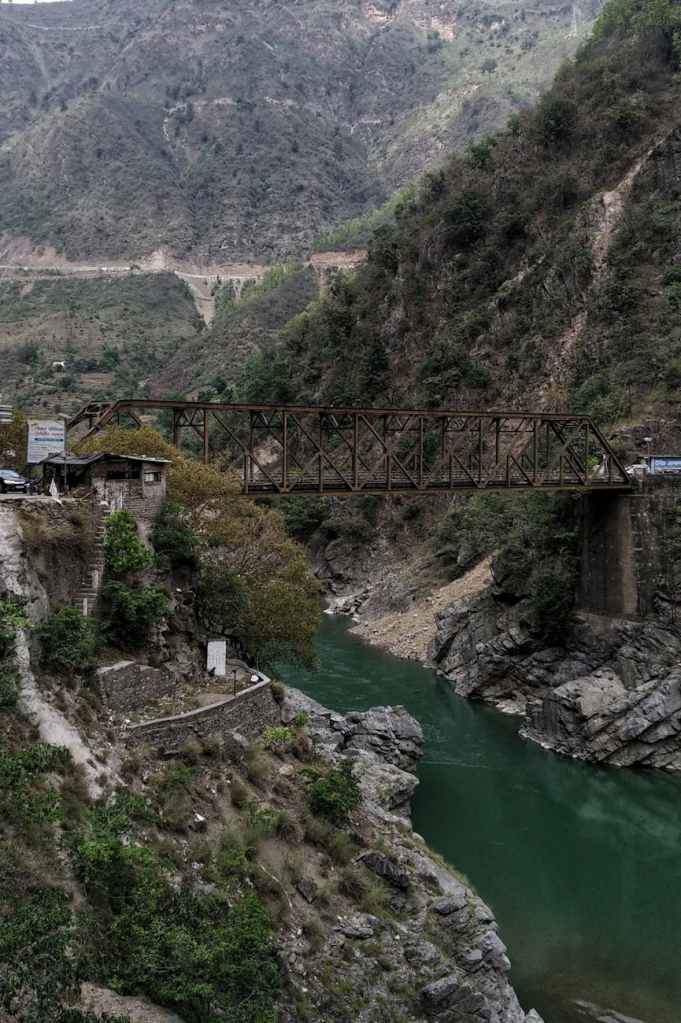
Let’s take one example. The glaciers of the mighty Himalaya-Karakoram system supply the water to some of the largest and most economically important rivers in the world. Among them are the Yangtse, the Mekong, the Brahmaputra and Ganges. All in all, they are the lifeblood of about 2 billion people in some of the world’s most progressive economic areas. And now those glaciers are melting-fast.[2] Leading to both short term floods and long term water shortages. At the moment this region is divided among three major powers_ Pakistan, India and China. All are nuclear-armed. All, being nations will attempt to defend their own local interest and local potentials, for that is what nations do. Each will reach for the water it must have to survive. And sooner or later these interests will clash. Mightily.
Now there will be a temptation among some of our readers, particularly those who hang out in the Dog and Duck, to say “let them get on with it- we can just sit it out” (That is a very polite way of conveying what they will say). But you can’t, gentle readers. As you may have noticed from your History, world wars are like beach parties, they tend to draw everyone in. Powers like Russia the USA and the EU will be forced to choose sides if only to protect their supply chains. Add to that the effects on migration numbers from all those refugees, world prices, supply chains and collapsing currencies and you have a mess to make the financial crash of 2008 look like, like-well one of those beach parties we alluded to above, really. Here then at last will come the consequences of doing nothing serious or substantail about global warming. And it will be well deserved by us all.
So-are all our bodies full of microplastics, ready to reach out their oily hands and strike us all down with heart disease, tumours and goodness knows what else, or not? It’s a story we’ve covered before (LSS 9 4 24) and to be fair we even approached it with a certain moderation (LSS 12 3 25)
But who are we to advise you, when we can point you at once to the works of science journalist Debra Mackenzie, writing in the Guardian? [1] Not only is the science interesting. She also gets to the heart of why scientific controversies arise. In the case of microplastics, because one lot of researchers (medical folk) are approaching the problem one way. And another lot (analytical chemists) come from somewhere different, with other methodologies And this is ominous: as we have seen time and again, with CFCs, with tobacco and with fossil fuels, there could be interested parties who will be waiting to pounce on those disputes , to use them to allege that the science is not certain, that no action is needed. To quote one of the more chilling passages of Debra’s article
The plastics industry is more powerful than the CFC-makers were, and it has friends who know how to manufacture doubt. (Researchers I spoke to said that their papers have been denounced to journal editors by chemical industry figures who were not analytical experts.)
Now we at LSS are not medical experts. gentle readers. We do not know where the truth lies, although we may suspect. And, as in many scientific debates, there may be actors with differing levels of enthusiasm about where the evidence ultimately points. In any case, you should read Mackenzie’s article. You will learn a great deal more than just about plastics..
Two stories today give us serious pause for thought. Both concern our old bête noire of climate change. It’s not the bad news per se: we’re kind of inured by now. It’s the way they open the door to thoughts with actual evolutionary consequences: but more of that later.
The first story, from Ajit Niranjam of the Guardian, is a grim reprise of current trends. [1] 2025 is the third hottest year on record. For us their killer fact is context: El Niño, which had boosted heating trends in 2023 and 2024, was waning by 2025, so even that fig leaf has been stripped away. And talking of stripping away, what about the forests, which might have soaked up a little more of all that lethal CO2 affording us a few more years of life? Well as this truly impressive piece of visual journalism by Ashley Kirk and Pablo Gutiérrez shows, they are being devasted by the very wildfires which global warming has brought about. This is what information theorists call a self re-inforcing feedback loop which would be intellectually interesting to study if anyone is left alive to do so.
And the evolutionary reason we are so worried? Our species carries ancient cognitive machinery that buckles under modern complexity. Human cognition defaults to fast, intuitive, pattern‑matching heuristics — brilliant for spotting predators in the savannah, disastrous for interpreting climate models This “cognitive autopilot” leaps to conclusions, prefers simple stories, and treats feelings as evidence. A species that cannot update beliefs in the face of overwhelming evidence, that treats data as optional, that cannot overcome its own cognitive biases is evolutionarily brittle. It will eventually be outcompeted by one that can. Can anyone think of a name for it?
Photo by Keysi Estrada on Pexels.comPhoto by Helena Jankoviu010dovu00e1 Kovu00e1u010dovu00e1 on Pexels.com
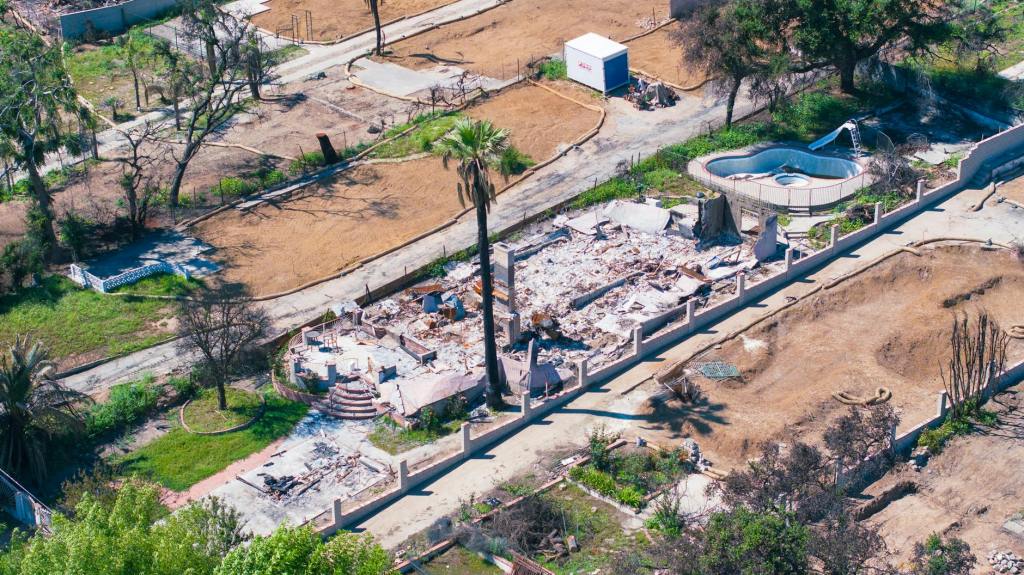
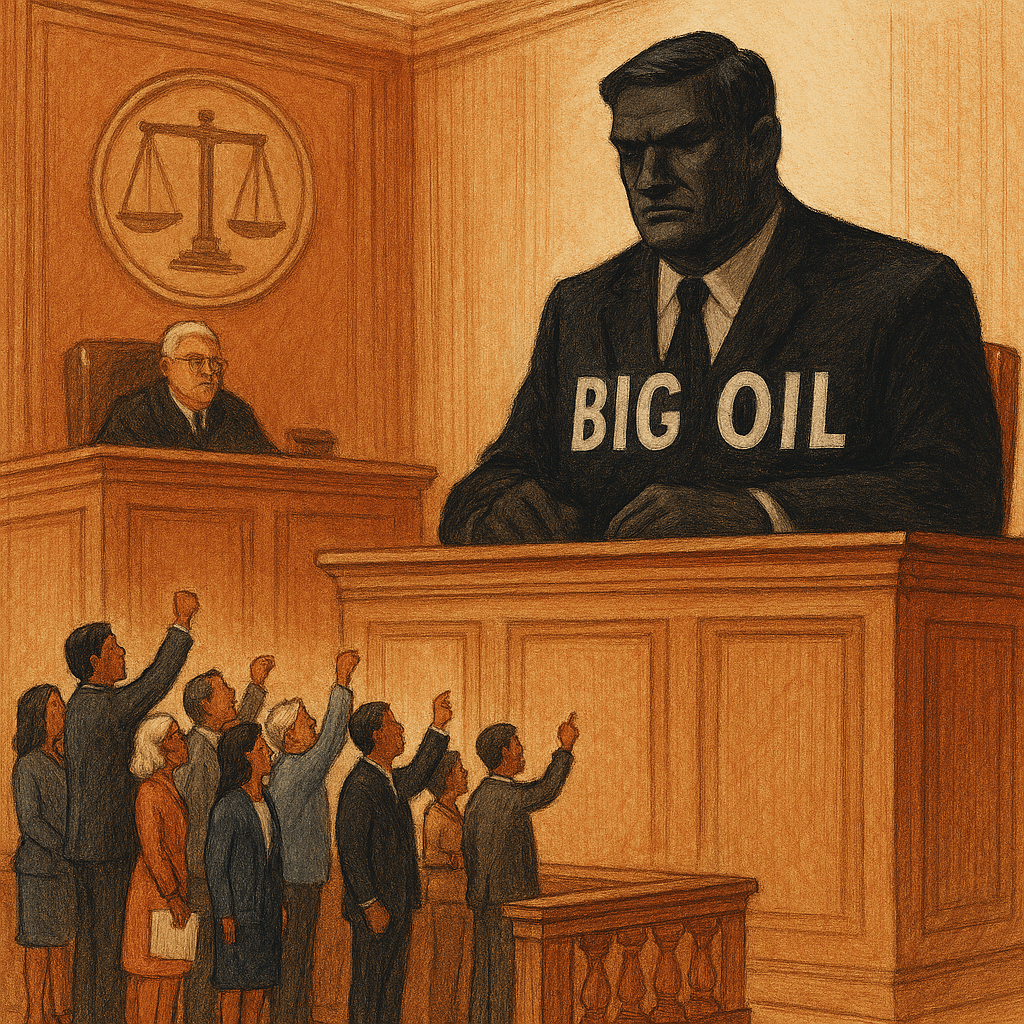
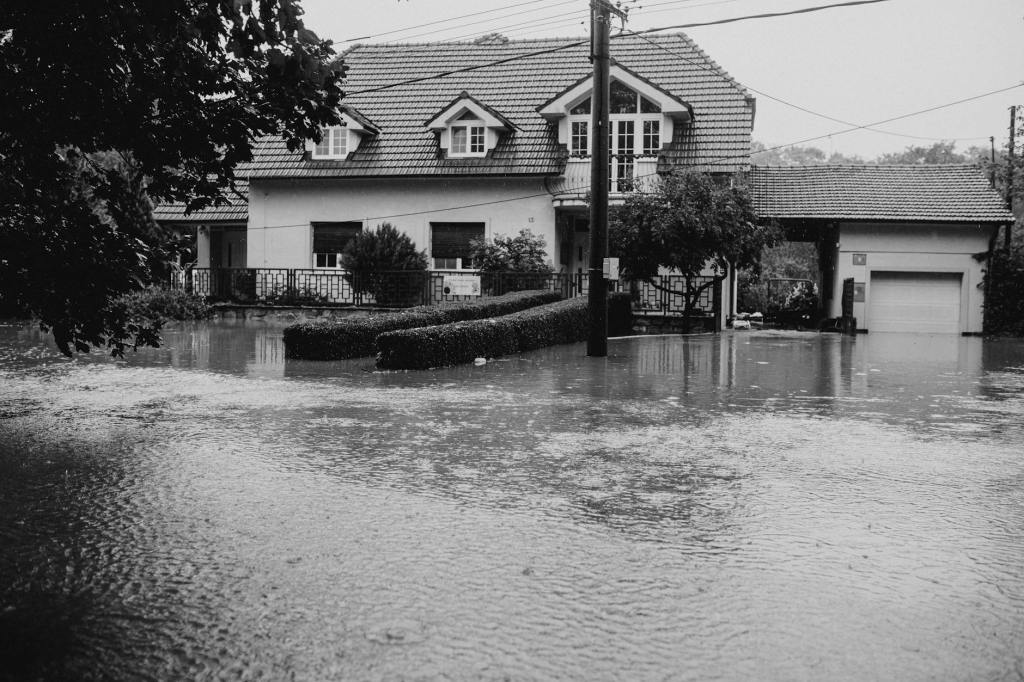
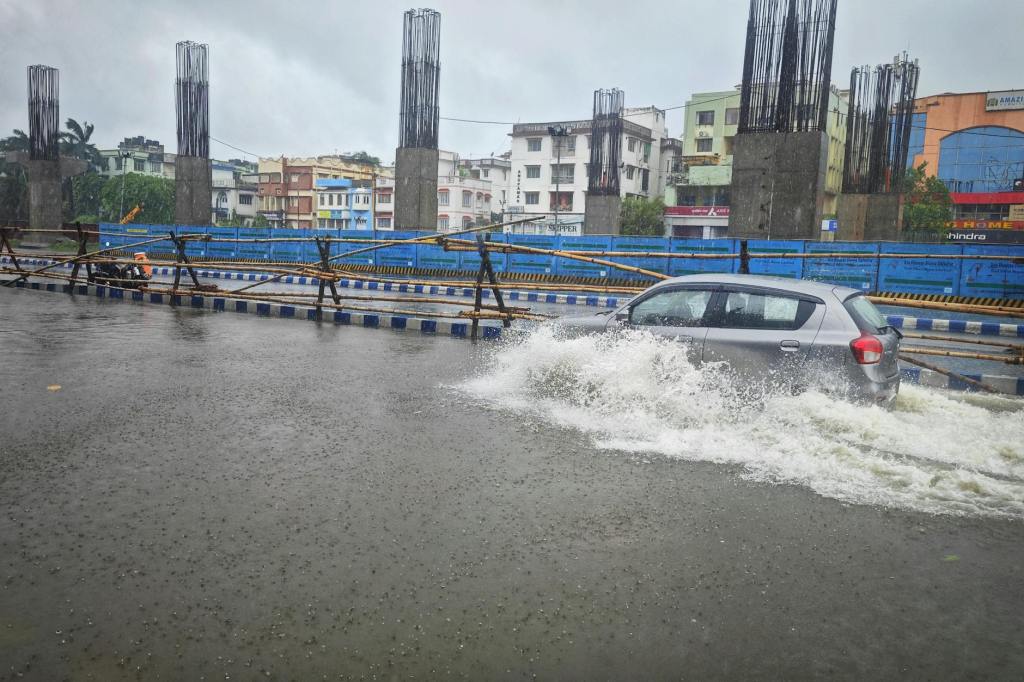
It’s a question a lot of people are asking as the world is increasingly lashed by the storms, floods and wild fires unleashed by global warming. And when you realise that the world’s fossil‑fuel giants collectively command over six trillion dollars a year — more economic power than most nations on Earth-it’s a tempting pot of money to aim at. What would you do with even one of those trillions? So we asked our Legal People: Can an individual sue a fossil fuel company to pay for flood/fire/storm damage, or the rising insurance premiums, that go with all those things?
The chances of getting anywhere on your own are slim. Firstly, you must show that any damage has been made worse by global warming (there will always be a background level of storms and things). Secondly, that a specific company’s emissions and /or “misinformation” caused that extra damage. And above all that the company chosen has a “duty of care” anyway. Quite a big ask when you think how much legal brainpower that $6 trillion is going to buy against you.
However, joining in with group actions increases your chances of getting something back. [1] . In the USA there are now 86 lawsuits against fossil fuel companies, including the very biggest. This class alleges that these companies “knew about the dangers of global warming and did nothing”. Even worse, it is alleged, they “actively misled” about those dangers. These suits will be fiercely contested; and the Jury will decide, as they say.[2] But there is a juicy second front opening. Home owners in Washington State are suing oil companies for climate‑driven increases in insurance costs. which they allege “are driven by global warming.”[3] As such costs may well be set to rise astronomically for all of us, their battle is indeed a noble one.
In the meantime there at least two things you can do. Work with climate litigation NGOs Groups like ClientEarth, Global Legal Action Network,[4] and the Climate Litigation Network are actively exploring new legal strategies. Document your damages If future cases open the door to compensation, having detailed records of storm impacts and repair costs will matter. Courts are increasingly willing to treat climate damage as a foreseeable, preventable harm caused in part by corporate deception. That shift is what makes future individual claims more plausible. There’s little doubt at fossil fuel companies represent a big barrel of money. Could some of it one day belong to you?
We think we owe you a truly massive overwhelming apology, gentle reader. And this is why.
“Will the world end with a bang or a whimper?” is a question we’ve covered before here. We’ve even mentioned a few possibilities such as magnetic flips ,exploding volcanoes and more insidious effects like pollution and pandemics. (LSS passim)Yet it was while researching another topic entirely that we came across a wholly unexpected and entirely man-made problem that we thought you should know about: Nitrogen, [1] [2]and its derivative compounds which has been unleashed on an unprepared world in uncontrolled quantities for over a century. The reason it’s rising so fast is simple: we are manufacturing and releasing unprecedented quantities of reactive nitrogen—fertilisers, manure emissions, industrial by‑products—far beyond anything the planet’s natural nitrogen cycle ever evolved to handle.
Why so much? Because the Haber–Bosch process unlocked a torrent of synthetic nitrogen, and agriculture embraced it as a miracle. Global production of reactive nitrogen has soared to many times its pre‑industrial level. Locally, this can boost yields, but it comes with a hidden price: soils become chemically dependent, losing the microbial communities that once fixed nitrogen naturally. Excess nitrogen washes into rivers, fuelling algal blooms and dead zones; it volatilises into nitrous oxide, damaging the ozone layer; it accumulates in ecosystems, favouring a few aggressive species while starving others. And things are never so bad that they don’t get worse. Nitrous oxide is the quiet heavyweight of greenhouse gases. molecule for molecule, it traps far more heat than carbon dioxide and lingers in the atmosphere for over a century. It’s also the single largest ozone‑depleting emission humanity still produces. And yet most people barely register it. So what looks like abundance at the farm gate is, at planetary scale, a metabolic overload.
And this is the deeper tragedy: millions of farmers, each trying to solve a local problem—how to feed crops, how to secure a harvest—collectively drive a global destabilisation of the nitrogen cycle. We’ve built a civilisation addicted to excess nitrogen, and the system now expects those inputs just to function. The long‑term risk is that we push soils, waterways, and atmospheric chemistry past thresholds that cannot easily be reversed. What began as a triumph of human ingenuity has become a planetary dependence, and the bill for that dependence is only just beginning to arrive. A silent catastrophe of soil degradation, desertification, wetland collapse (LSS 28 5 24),biodiversity loss from nutrient overload, and fisheries collapse.
And now for our apology, gentle readers. For several years now we have been repeatedly warning you of the dangers posed by antibiotic resistant bacteria and climate change. We had not a single idea about this nitrogen crisis building up all around us. None whatsoever, We profoundly and unreservedly apologise to all of you-readers, contributors researchers and hard working staff, even the ones in HR. And we say this-never will such an oversight happen again in this mighty organisation. But do not be alarmed. From now on we will search the world ceaselessly to bring you news of fresh perils, unexpected lethal dangers which may be lurking ready to wipe us all out Or if not that, at least reduce the handful of survivors to subsistence-level barbarism in a lawless, violent post-apocalyptic world. We think we may even have uncovered a few already. Follow us if you want to know more about what they are.
The facts-objective, verified and indisputable- are chilling. The last three years of this decade have been the hottest on record. Vast areas are now being ravaged by wildfires or drowning in immeasurable floods. The latest gloomy news comes from Nature Briefing: a group of people who are as calm, objective and well-informed as any we have come across. :early Temperatures Reach Dangerous Highs, they report:
This year looks likely to tie with 2023 as the second-hottest ever on record. Last year was the hottest. “The three-year average for 2023-2025 is on track to exceed 1.5 ℃ for the first time,” says Samantha Burgess of the European Union’s Copernicus Climate Change Service, referring to the Paris Agreement pledge to limit global warming to 1.5 °C above pre-industrial levels. “These milestones are not abstract — they reflect the accelerating pace of climate change and the only way to mitigate future rising temperatures is to rapidly reduce greenhouse gas emissions.”Euronews | 2 min read
As we were once more digesting these gloomy words in the LSS Boardroom, Selina the tea lady came in with this morning’s refreshments. “Good heavens!” she observed. Well, that was the gist of what she observed. “Are you lot really going to put out another gloomy blog on Climate Change? Give them some hope, for once, why don’t you” Again we paraphrase: suffice to say we understand where her grandchildren derived the terms they used when we tried to stop them from vandalising the cars in the office car park. But she is right: why don’t we tell you that there is something you can do? Take agency and all that. It shall be by supporting or donating to the organisations which we have listed below. We have chosen all of them for their integrity, hard work and track records. But above all for their moderate, pragmatic approach to this problem. We are deeply suspicious of more extreme outfits who in our view only help Big Oil by alienating ordinary people. Here, then is that list. All need money. It is nearly Christmas. We leave you to join the dots between those last statements.
Kingston on Thames, Surrey, England. Spring 1962. A brand new Ford Zodiac pushes out from a brand-new house on a brand-new estate to begin a Sunday outing down to the south coast. Mum, Dad and their two kids on the back seat pass rows of new houses, all like theirs, all lived in by people like them. With cars like theirs at the fronts. This is Macmillan’s England, and people have never had it so good. Even, for the first time, the working classes. As the last new estates around Chessington drop behind and the real country begins at Box Hill, someone puts on the car radio. Listen! It’s the Shadows Wonderful Land,: and here, today, its dreamy tones are true. For as they head south on the A24 (soon to be massively widened) the temples of all this wonderful modernity are still visible in the brave new petrol stations and car showrooms sprouting across the sleepy countryside. The car has made people profoundly mobile and independent. People talk about them endlessly. Buy them, sell them Discuss performance. Your car is a badge of who you are, where you have arrived at, especially if you are a man. As our travellers pull into Worthing for a welcome ice cream they have indeed crossed a wonderful land.
This is the brave new world still remembered as the base line by the two children in the back of the Zodiac. Fast forward 2025 and they are well into their seventh decade. But they still remember the promise of those years with aching nostalgia. Their own lives, minus the usual vicissitudes of marital, family and work problems, have been tolerable enough: prosperous even, as their waistlines testify. But outside the narrow world of work and golf club, there have been disturbing changes. First crack in the wall came with the 1973 oil crisis, which demonstrated their country’s humiliating dependence on foreign oil. Tax cuts and North Sea Oil brought a brief sugar rush of prosperity: but now the world is a dark distrustful place hopelessly split between rich and poor where nothing ever works and everything is broken, from roads to trains to hospitals. Foreigners just keep coming and coming and coming. Above all the USA, their great patron and guarantor of all their security, is rapidly losing its ability to prosper and protect.
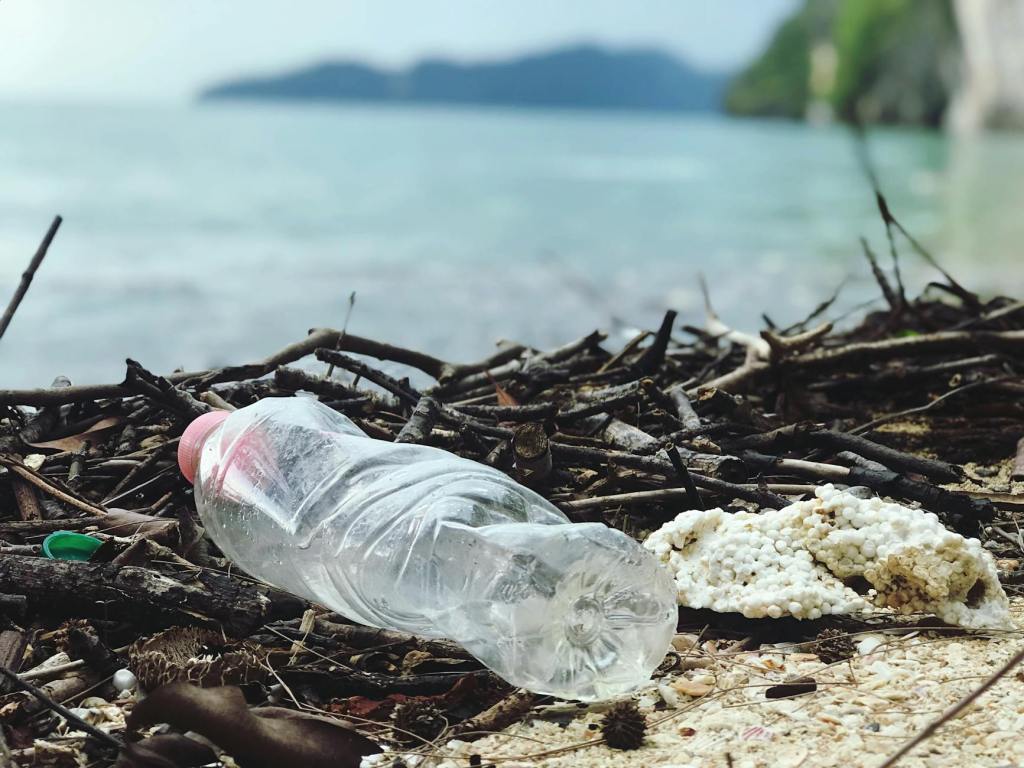
Now add something worse. All those grandchildren they sent off to University have come home to tell them that everything they believed in was wrong. That burning oil warms the planet to disastrous levels. [1] That vehicle emissions are a massive cause of mental and physical health disorders.[2] So are the plastics made from oils in abundance , which now pollute every imaginable stretch of sea air and land.[3] That, therefore, the whole cult of buying cars, comparing them, fiddling with them and collecting them turns out to have been as deluded as say smoking tobacco ,drinking alcohol or keeping slaves. That in effect, their whole lives have been a bit of a mistake That they now, with so little time left to enjoy , must give it all up.
It’s a big ask. Especially when incredibly rich industries run incredibly well funded political and media campaigns to tell these same baby boomers that they not only can go on burning fossil fuels, they really ought to- must. Because only that way lies the road to a better yesterday when the world was young. And straight. And white. Here is the challenge facing all of us who call ourselves progressive or educated . We have no idea if we shall succeed We know we will need swimming lessons if we do not,
Photo by u041bu044eu0441u0438 u0414u0440u0435u043cu0430u043bu043eu0432 on Pexels.comPhoto by khezez | u062eu0632u0627u0632 on Pexels.comPhoto by Lauri Poldre on Pexels.com
Today we unashamedly and wholeheartedly turn over our blog to a straight lift from The Conversation. And an excellent article from Professor Patrick Byrne of Liverpool John Moore University. Who has devoted his life’s work and formidable intelligence to tracking the sources of PFCs in the River Mersey (the one the Beatles grew up near)[1]
For those who want to come up to speed here are two paragraphs from Patrick’s article
Per- and polyfluoroalkyl substances (PFAS), more commonly known as “forever chemicals”, are a large family of human-made chemicals found in everyday products like food packaging, water-repellent clothes and fire-fighting foams. They are valued for their ability to resist very high temperatures and to repel water and oil, but these same properties make them extremely persistent.
Once released, some PFAS could take thousands of years to break down. They accumulate in the environment, build up – with different compounds accumulating at different rates – inside the bodies of wildlife and people, and have been associated with harms to health. The most studied types have been linked to cancers, hormone disruption and immune system problems.
And one elegaic, personal thought.Back in the 1960s when those same Beatles were growing up, the world was a different place. All those plastics and chemicals, now in Patrick’s rubbish dumps seemed part of a bright, dynamic new landscape of progress: a brave new world. There can indeed be progress, But be very careful how you go about it
Cars, don’t you love them? They cost a lot of money, they run people over, they allow cities to sprawl out over the countryside. Now comes evidence that the pollution that they cause, along with many other sources of pollution it has to be said, may be causing a special form of dementia called Lewy Body Dementia. [1] Ian Sample of the Guardian reports on a massive study of 56.5 million patients carried out by Dr Xiaobo Mao of Johns Hopkins University in the United States. The team found that fine particulate matter called PM2.5 (LSS passim) caused proteins in the brain to form toxic clumps which slowly destroy nerve function leading to cognitive decline characterised by to memory loss, poor attention spans, visual hallucinations and sleep disturbance. The team went further and found the deadly particles induced similar symptoms in mice, confirming their evidence from population studies in humans .
When we did out background research for this article we were quickly overwhelmed by the amount of available evidence. This report [2] by the UK Government waxes lyrical on the different types of air pollutants-particulates, NO2 SO3, ammonia. and many more.. as well as the many symptoms the pollution causes in the human body. And this from the Alzheimers Society [3] puts the ball in the polluters’ court when it comes to neurodegenerative diseases particularly. We weren’t ever going to fit all that in paragraph two of a three paragraph blog, so we won’t try
What we will do instead is ask where does all this pollution comes from. Cars? Sort of. Factories? In a way. But the real source is a set of misguided economic policies which value growth numbers above all else. You have to have more growth than your neighbours or younare not reaklly worth anything at all. There must be more new cars, new washing machines new mobile phones, bright new shiny anythings, so that we can create a frantic cycle of production and consumption to prove how rich and clever and successful we are. But is the definition of the good life really to drive an overpriced automobile over concrete flyovers for a few years, followed by a long cognitive decline into dementia, really such a good life? Answers please-we’d love to hear them.