

Just for kicks, we thought we’d change the slightly pessimistic zeitgeist of this blog, and offer you some stories of real hope. Those-and a little moral homily at the end which we hope will justify these humble inclusions. The stories come, as so often, from Guardian science writer Ian Sample, whose thoughts we often praise here.[1] We hope they might offer a glimpse of what we are about to lose if certain tendencies play out.
Stem Cell transplants could reverse diabetes. All that intricate and detailed work on stem cells may at last be finding a pay-off in the real world, with an almost infinite relief of human suffering. We respect the beliefs of the religious: but would just praying have got us this far?
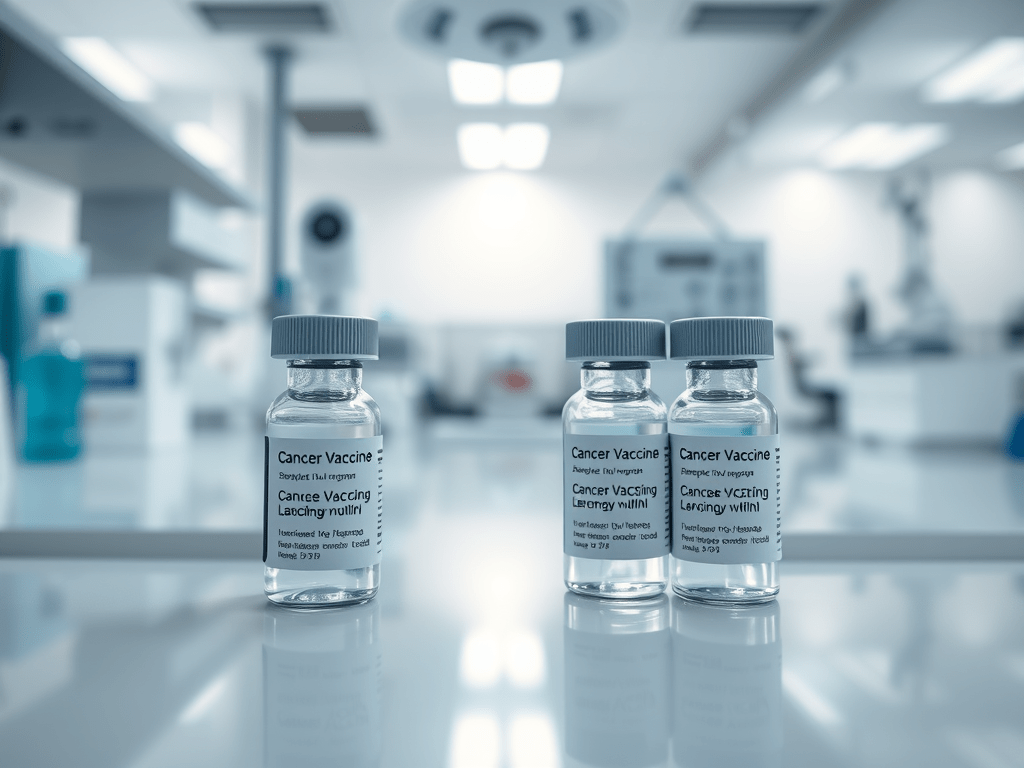
Cancer vaccines from RNA We have covered this before here. If nothing else, the COVID-19 pandemic witnessed a major leap forward in vaccine technology, especially in mRNA. Where would cancer patients be now if all those anti-vaxxers had their way?
AI detects cancers To bring in another LSS old favourite: AI can now be used to screen and detect cancers more quickly than ever before. When we think of cancer, we think of old acquaintances who used to deny smoking had anything to do with cancer. Does that remind you of climate change deniers?
Occupants of interplanetary Space For lovers of pure science, there can be little more amazing the discoveries offered by the James Webb telescope. Once upon a time, the Inquisition threatened to burn Galileo for looking up at four little satellites around Jupiter. Will someone try the same on this new telescope?
Renewable energy is on the way. Remember all those programmes and articles that tried to suggest that renewables could never, ever replace fossil fuels? But there’s real hope now that renewables will displace fossils by 2030. Both China and India seem poised to lead the way ahead. USA take note.
Yet we promised you a moral on this one, so here it is. All these discoveries, all this science, which Ian has just showed us is dependent on the free and fearless interchange of information. Which in turn depends on open societies and the rule of law. There is strong reason to believe that this era is coming to an end. In some countries, religious obscurantists and zealots are close to extinguishing freedom forever. in others, violent ethno-nationalists have seized power, or are close to doing so. These societies may well offer social stratification and the appearance of security. Yet in all of them. the sole definition of value is “does this bolster the regime?” There can be no truth in science, no beauty in art, no trust in money which does not meet this criterion. Ultimately, such societies stagnate. And then decline. You still have time to change your minds. In some countries, at least.
[1]://www.theguardian.com/world/2024/nov/09/reasons-to-be-hopeful-five-ways-science-is-making-the-world-better?CMP=Share_iOSApp_Other
#science #learning #objective truth #empiricism #vaccines #rna #astronomy #medicine


 Learning, Science and Society