
Round up of the week:  What happens when you don’t educate women, and what happens when you do

Taliban v education Further depressing news from Afghanistan about the crack-down on  female education. Oh well, it’s up to them, but they will be the long term losers, as every possible statistic will soon start to show. The Conversation has the details:

Yet more hope on cancer  Here’s what happens in societies that do educate women. A new drug that goes by the snappy name of  GRWD5769 may be on the brink of transforming prospects for late-stage cancer patients   To rub the point in we’ve stories from opposite ends of the political spectrum our old stand-bys,The Mail and the Guardian.

Wonder pill shrinks tumours in a third of patients with six hard-to-treat cancers, early trial shows | Daily Mail Online

.Smart drug that strips cancer cells of ‘invisibility cloak’ can shrink tumours by 30%, trial shows | Cancer | The Guardian

Super El Niño      Better keep your ice cubes ready if you read our cocktail column (LSS passim) Because you are going to need them says the Mail, who, despite what you might think, are having a good Climate Crisis.

Super El Niño is on its way: Scientists warn there’s now an 80% chance the unusual climate pattern will arrive this summer – bringing extreme heat ‘nearly EVERYWHERE’ | Daily Mail Online

AI and Vaccines come together Are we a medical blog or an AI one? Looks like the difference doesn’t matter any more, as the two fields seem to be in fusion. This is a remarkable one, gentle readers so if you need a bit of cheering up, read it, from the BBC

‘World-first’ vaccine designed by artificial intelligence – BBC News


CAR-T enables kidney transplants  reports Nature Briefing Yet Another  LSS Favourite  New Techniques (FNT) takes yet another  encouraging step forward, this time in the world of transplant medicine:

A single dose of engineered immune cells has helped three people with ‘highly sensitized’ immune systems to receive life-saving kidney transplants. People in this group are often ineligible for transplants because their bodies usually reject the donated organ. Researchers engineered the recipient’s own immune cells into chimeric antigen receptor (CAR) T cells that ultimately reduce the trouble-making antibodies that push their immune systems into overdrive. More than a year after receiving the cells, the three people are now living with new kidneys and without notable side effects.

Nature | 5 min read
Reference: New England Journal of Medicine paper 1 & paper 2

We think that lot more or less makes our point for today. Except for this thought from some American bloke:

An investment in knowledge pays the best interest.” — Benjamin Franklin

#cancer #CAR-T  #Artificial Intelligence #transplants  #climate change #health #medicine #women #education #afghanistan

Programmable Therapeutics(here’s what they’ll be talking about in 2046)


In these happy, carefree days of 2026, we almost take the success of advanced techniques like CRISPR–Cas9 and CAR‑T for granted. Yet not so long ago they were obscure experimental curiosities, known only inside specialist laboratories. So we asked ourselves: is there something equally obscure in 2026 that will be the stock‑in‑trade of doctors in 2046? We think there might be: programmable cell therapeutics.[1]

The jumping‑off point is the logic behind CAR‑T. Readers will recall how T‑cells are removed from a patient, engineered to recognise the chemical signatures of their cancer, and then reinfused to hunt down malignant cells. Researchers are now extending this idea to a wider cast of immune cells, stem cells, and progenitors, so they can tackle diseases far beyond oncology.

What makes the next generation different is the importation of ideas from electrical engineering. Instead of a single engineered receptor, cells can be fitted with ON/OFF switches, logic gates, multi‑step decision pathways, and feedback loops. In other words, cells that don’t just attack — they compute. They sense the molecular environment, decide what’s happening, and act accordingly.

And thanks to delivery tools such as viral vectors and mRNA‑carrying nanoparticles, these circuits can increasingly be installed in vivo. Rather than the expensive choreography of removing cells, re‑engineering them, and putting them back, the ambition is to program the cell to reprogram itself. Why rebuild the army in the barracks when you can train the soldiers already in the field?

Gentle readers, we are always looking for ways to put you ahead of the curve — not what is happening now, but what will be happening in five, ten, or twenty years’ time. By 2046 we could plausibly see:

  • cancer therapies that activate only in tumour microenvironments
  • gene therapies that self‑limit to avoid toxicity
  • immune cells that make multi‑step decisions
  • RNA‑based switches that restore gene expression dynamically

All this, of course, depends on continued investment in scientific research and a strong ecosystem of independent universities and research institutes. Hopeful, isn’t it.

[1]Next-generation programmable cell therapies for precision medicine | Nature Reviews Genetics

#gene editing #medicine #health #cancer #mRNA #CRISPR #CAR-T #DNA


Ten years looking for new antibiotics: how are we doing?

How’s the campaign to get more antibiotics going?” We still sometimes get asked this in pub or supermarket. Not surprising really, after more than ten years on the job. And to answer that question we can think of no one better than the acute Julia Kollewe of the Guardian whose piece is as good a state-of- play message ( Pipeline of New Drugs to fight superbugs is “worryingly thin,” experts warn) as any  we’ve seen for some time[1] So, what’s the score? How indeed is humanity meeting this existential challenge?

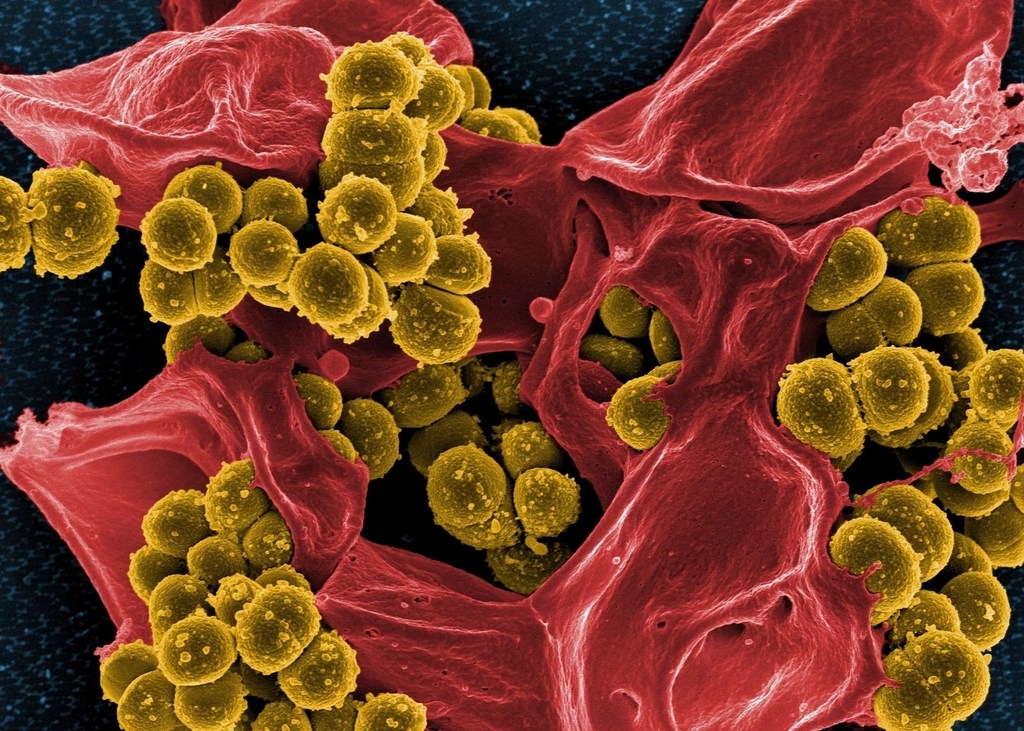
 Not too well, actually.  The bad news is that antibiotic resistant infections are still very much on the rise.  More than 40% of known antibiotics lost potency between 2018 and 2023.[2] The number of antimicrobial projects run by big pharmaceutical companies has actually declined in the last five years. But you can read these and many other statistics from Julia and her linked organisations for yourself.

There are some bright spots: hats off to the UK’s GSK ,Japan’s Shionugi and Otsuka, and certain valiant American firms in California.  But America’s real giant, Pfizer, seems to be falling off the pace-not surprising we think, given the political end cultural climate they now have to work in.

But for us Julia’s killer trope was to consult the learned Ara Darzi, an expert in cancer treatment. Who adduces the following gloomy thought:

New therapies mean cancer can be fought, “but then sadly patients succumb to an infection that was treatable a decade ago”, Lord Darzi said at the launch of the AMF report, adding: “You don’t win a game if you have three good strikers and your defence is weak.”

Cancer is indeed a deadly illness. And cures should be sought. But what’s the point if the poor patient dies three days later from an infection? That is why your interest in new antibiotics is still important, gentle reader: please keep supporting us.

[1] Pipeline of new drugs to fight superbugs is ‘worryingly thin’, experts warn | Pharmaceuticals industry | The Guardian

[2] Tools to fight AMR exist, but industry-wide action is needed to tilt the battle against superbugs | Access to Medicine

#antibiotic resistance #microbiology #health #medicine #drugs

VIR 5500: Promising new treatment for Prostate Cancer

Immunotherapy, which involves training the body’s own defence systems such as T-cells to attack cancerous tissues, has been one of the medical success stories of the last twenty years. Yet some cancers still demonstrate a certain recalcitrance in the face of the new ministrations. Unfortunately, one of them is Prostate cancer, the most common form of cancer in men, killing up to 1.5 million of them annually.  But not only does this report by Nicola Davis of the Guardian [1] offer hope of real progress, it has some deeper lessons for those of us in the evidence-based thought-modulated community(EBTM). Which means you, gentle reader.

All immunotherapy depends on T Cell engagers (TCEs) which form a bridge between certain sites on the T Cell and on the tumour cell. Anyone working with them to try to cure prostate cancer encounters two difficulties. Generally, traditional TCEs can be pretty indiscriminate, leading to side issues like massive cytokine storms and problems with dose toxicity. Specifically, prostate cancer cells have a knack of resisting T cells, making immunotherapy especially hard to apply. Now a team led by the admirable Professor de Bono in collaboration with Vir Biotechnology[2] is trialling a new form of molecular cloaking treatment called VIR-5500 which masks the T-cells right up to the moment when they are in contact with the prostate cancer cells. A protease in the malign cells then activates the T-cells, unleashing their curative effect. We won’t spoil Nicola’s summary of the results, which you can read in her article. But you will find them impressive to say the least.

All of which goes to show what curiosity-driven basic science can achieve when money is spent on it. VIR -5500 could not have existed without decades of molecular immunology, protein engineering, tumour cytology and many other disciplines hidden away in unmanly places like university departments and research institutes. Which is ironic, because many of the butch types at the Dog and Duck, who routinely perform their masculinities by loudly decrying scientific research into things like climate change, will be the first to suffer when prostate cancer comes along.  But History always teaches the same lesson to the deluded in the end.

[1] Researchers praise ‘stunning’ results of new prostate cancer treatment | Prostate cancer | The Guardian

[2] Our Strategy | Vir Biotechnology

#prostate cancer #immunotherapy #t cells #health #medicine #science #molecular biology

Can your cat save you from cancer?

Cats:  our feline friends:  variously cute, lovable, admirable and beautiful. They’re becoming more and popular as pets. Which brings several advantages in the treatment of cancer, believe it or not. Like dogs, their nearest rival, they are exposed to all the same molecular slings and arrows of everyday domestic life-cleaning products- foods, fuels, what have you-as we are. But we also share more genetic material with them then we do with our canine chums. Moreover cancer is rapidly becoming a major cause of mortality in middle aged to elderly cats just as it is to humans in that stage of. It’s a set up for ground breaking studies. And Miguel Ángel Criado for El País and Helen Briggs of the BBC have two excellent reports on a groundbreaking study which has done exactly that. (teaser: one of these links is in Spanish, and one in English-can you guess which?)

The study, co-led by the learned Dr Louise van der Weyden of the Wellcome-Sanger Institute is the first really large map of oncogenic(cancer related) aspects of the cat genome. It’s full of intriguing details, which you can read by clicking on the marvellous articles which we have hyperlinked. But we could not resist a tiny spoiler, concerning Dr Weyden’s discoveries around the gene FBXW7 , a tumour‑suppressor gene whose loss helps drive aggressive forms of human breast cancer. Intriguingly, the same gene is frequently mutated in feline tumours. This cross‑species echo suggests that cats and humans may share a conserved vulnerability in the FBXW7 pathway, making our kitties unexpected partners in understanding this cancer mechanism.

And the conclusion? We need to help cats to help us. You could give to a cancer charity [3] You could give to a cat charity[4] But knowing our readers to be generous types we have included sufficient hyperlinks for you to do both!

[1] El mayor mapa genético del cáncer de los gatos abre la puerta a tratamientos compartidos con humanos | Salud y bienestar | EL PAÍS

 [2]https://www.bbc.co.uk/news/articles/cvg3n7j8xyqo?at_campaign_type=owned&at_link_type=web_link&at_format=link&at_ptr_name=facebook_page&at_link_origin=BBC_N

[3] https://www.cancerresearchuk.org/get-involved/donate?

[4] Cats Protection | UK’s Largest Cat Welfare Charity

#cancer #breast cancer #cats #medicine #health #research #genome #oncology

Now AI is designing antibodies too

Do you understand the human immune system, or the even vaster world of immunology? Neither do we. Too big, too vast, too complicated. And that’s despite 43 years of trying and working along side some pretty nifty immunologists, back in the day. But AI does, Fresh from its triumphs on protein design (LSS passim) its superior intelligence has now been turned on the knotty problem of how to run up new antibodies. Read this, AI designed antibodies race towards trials from the indefatigable Nature Briefing

Scientists say they are on the cusp of turning antibodies designed by artificial intelligence (AI) into potential therapies just a year after they debuted the first example of an entirely AI-designed antibody. Previously, the structure of antibodies proved somewhat of a black box to AI models. But new and improved models — such as an updated version of AlphaFold — have more successfully predicted the shape of flexible structures that give antibodies the specificity they need to bind to foreign molecules. Researchers at several companies now say they’ve designed ‘drug-like’ antibodies. Nature | 5 min read

There’s a lot to unpick here, and we won’t try to do it all. The first thing that stands out is how quickly this is moving from proof of concept to clinical reality, The second is that the possibility that designed antibodies will target receptor sites hitherto off-limits to their natural predecessors. Think infectious diseases first, and rightly. But the implications for cancer therapy -and dare we hope, neurodegenerative diseases?- are clear after a moment’s reflection. Designer antibodies will greatly reduce the need for much animal immunisation and testing. And, perhaps a best of all, a thriving commercial ecosystem of start-up companies is beginning to form around the new learning, ready to turn it into everyday reality in a hospital or medical prectice near you, gentle reader.

Although we can’t claim credit for these advances-you all know us too well- we think it striking that they have come from the qualities we prize . Careful observation. Null hypotheses testing. Slow steady work. And always looking for what proves you wrong not what proves you right. Those qualities are what save lives and generally make them better. A shame that they are being abandoned now by a hysterical ignorant population and so many of its foolish leaders.

#immunology #antibodies #medicine #health #cancer #disease #biotechnology

PERT: Next step in gene editing offers real hope for hereditary diseases

Almost a quarter of hereditary diseases can be put down to mutations which break an established pattern of DNA, so it can no longer be read. No wonder they are called nonsense mutations. Often these mutations are expressed as STOP codons: just a short three letter sequence that stops protein synthesis dead, like a bad piece of coding in a computer programme. Now a new technique called PERT (Prime Editing RNA Therapy)allows the cellular process to override glitch in the DNA and resume synthesis. The new technique equips cells with engineered tRNAs that override these stop signals, letting the ribosome continue translation and produce the full protein. Here once again is Nature Briefing with one of their excellent short explanations Versatile gene-editing tool fixes nonsense, plus hyperlinks if you wish to delve deeper.

A multipurpose gene-editing tool can correct several genetic conditions in mice by restoring proteins that have been cut short by disease-causing mutations. The method, called PERT, uses engineered RNA molecules that allow protein synthesis to continue even when a DNA mutation tells it to stop prematurely. These ‘nonsense mutations’ comprise nearly one-quarter of known disease-causing DNA variants. As such, if PERT proves effective in humans, it could overcome the need to design bespoke treatments for individual diseases.Nature | 5 min read
Reference: Nature paper

There’s a lot to like here. Firstly the prime editing is straight out of the same stable as the CRISPR and Base Pair Editing techniques which we have heralded here for years (LSS passim) Secondly, unlike most gene therapies, which must be tailored to each mutation, PERT could treat many different diseases with a single editing agent. This is a huge shift in scalability. And if the suppressor tRNA is permanently installed in the patients genome, it is possible that only one treatment may be needed. Once again we are reporting at the early stages (that’s our brief) so all parties are careful to emphasise we are nowhere near clinical applications yet. However, just as we learned during the COVID 19 pandemic , the ability to intervene at the RNA level, precisely between gene and protein, appears to be one of the most fertile areas in medical knowledge for years to come.

#hereditary disease #RNA #DNA #molecular biology #health #medicine

Making an end to Cervical Cancer, making a start on an end to Alzheimers- two stories of real hope

At a time when ignorance and anger are gleefully presenting themselves as the new norms, it’s heartening to see that some people are still active on our side. And achieving real, substantial progress. That’s why we’re proud to bring you two stories which show what educated minds, still employing the twin discipline of fact and reason, have achieved lately.

Repurposing old medicines. Regular readers will will recall our enthusiasm for lateral thinking, using old things which were there all along to do unexpected new ones. So Sharon Wooller of the Mail has a triple whammy for us this week.[1] After screening 80 commonly used drugs or vaccines , ingenious scientists at the University of Exeter selected three that might have a bearing on the terrible scourge of Alzheimers disease. They are: Viagra, which stops those pesky tau plaques from building up. Riluzole which may actually bring them down. And the shingles vaccine Zostavax which may also affect the immune system. Now we know the brain barrier frontier is pretty much down (LSS passim) this has to be a powerful runner, gentle readers. But best of of all is why these scientists set out to do this. To quote Sharon. in a nutshell:

Making drugs from scratch can take ten to 15 years and cost billions of pounds, with no guarantee they will work.

If you cant afford new ones, why not try a few old ones? Quod erat demonstrandum

Cervical success People can co-operate, even across national lines, when there is “cause sufficient”. One of these was cervical cancer, which not only blighted and destroyed lives, but effectively deprived the world of much of the better half of its workforce. Two releases today from GAVI and the WHO evince the remarkable strides in the vaccination programmes which have done do much to eliminate this disease. Hats off not just to the scientists, but also to the intrepid field workers who have combed the wildest, remotest corners of the earth, employing the most recondite means, to save lives and afford a brighter future to millions [2] [3]

When we read stories like these we know we are not alone. Our side is still out there. And unless they crush all universities and research institutes everywhere, we shall be back one day. For keeps.

[1]https://www.dailymail.co.uk/health/article-15298699/Viagra-Alzheimers-drugs-hope.html

[2] https://www.gavi.org/news/media-room/cervical-cancer-vaccines-save-over-1-million-lives-lower-income-countries

[3]https://www.who.int/news/item/17-11-2025-world-marks-cervical-cancer-elimination-day-as-countries-accelerate-action

#vaccine #drug #medicine #alzheimers #cervical cancer #women #health

If you want to know the truth about cancer, ask Liz O’Riordan

Because she’s seen it from both sides, is why. First she was a doctor, who like, worked in the field? And then because, she got it herself, right? Became a patient, and experienced all the heart stopping, roller coasting, will-I -won’t-I? chain of emotions that all her own patients did. If those aren’t qualifications enough, gentle readers, we don’t know what are. And-she has one other which seals the deal as far as we’re concerned. Read on, and you will learn what that is.

We came across Dr O’Riordan in the course of listening to a series called Marianna in Conspiracyland on BBC Radio 4 [1] Not having an especially large legal department we must be careful what we say. But the programme details the activities of the types of people who disparage reason-based science and evidence-based medicine. And instead offer a dubious range of alternative theories, explanations and prescriptions to people who are scared out of their wits by a cancer diagnosis. In the nicest possible way, the programme tried to explain the consequences of choosing these paths of treatment, And Dr O’Riordan was one of the speakers they called in their support. A little bit like the prosecution in a criminal case calling an expert witness in DNA or drugs, as t’were.

Because since her own diagnosis and treatment, Dr O’Riordan has spent her days ceaselessly writing, speaking, making media appearances, all to one end. Refuting fallacies, identifying illogicalities, reasoning with the unreasonable. In books like The Cancer Roadmap [2] she tries to explain the science behind why cancers develop and grow, what the best treatments are, and why so-called “alternative systems” don’t seem to be up to much. In this undertaking she joins a great tradition of rationalists and sceptics starting with Lucian of Samosata,[3] and stretching all the way through to people like Peter Medawar, Carl Sagan and Dr Ben Goldacre.

But she goes one step further. Because she never condemns or sneers at anyone. Instead she tries to ask why people turn from rational medicine to alternatives and faith. In other words she deploys human qualities of empathy and compassion. And we could all learn from that. For years on this blog we have bemoaned the growth of fake information, conspiracies and general rubbish which grows on the interweb like the digital equivalent of a cancer. Not just in cancer theory; in matters like global warming, politics and economics. Hasn’t done much good. Somehow, the easy, comforting answer outpaces the complicated rational one each time, and by ratios of thousands. We are in danger of becoming the last generation of enlightened, rational thinkers, perhaps for thousands of years. Time to listen to Liz and her methods. Soon.

[1]https://www.bbc.co.uk/programmes/m001mssm

[2]https://liz.oriordan.co.uk/author/

[3]https://en.wikipedia.org/wiki/Lucian

[4]https://en.wikipedia.org/wiki/Ben_Goldacre

#cancer #medicine #alternative medicine #rational #empirical #science #health

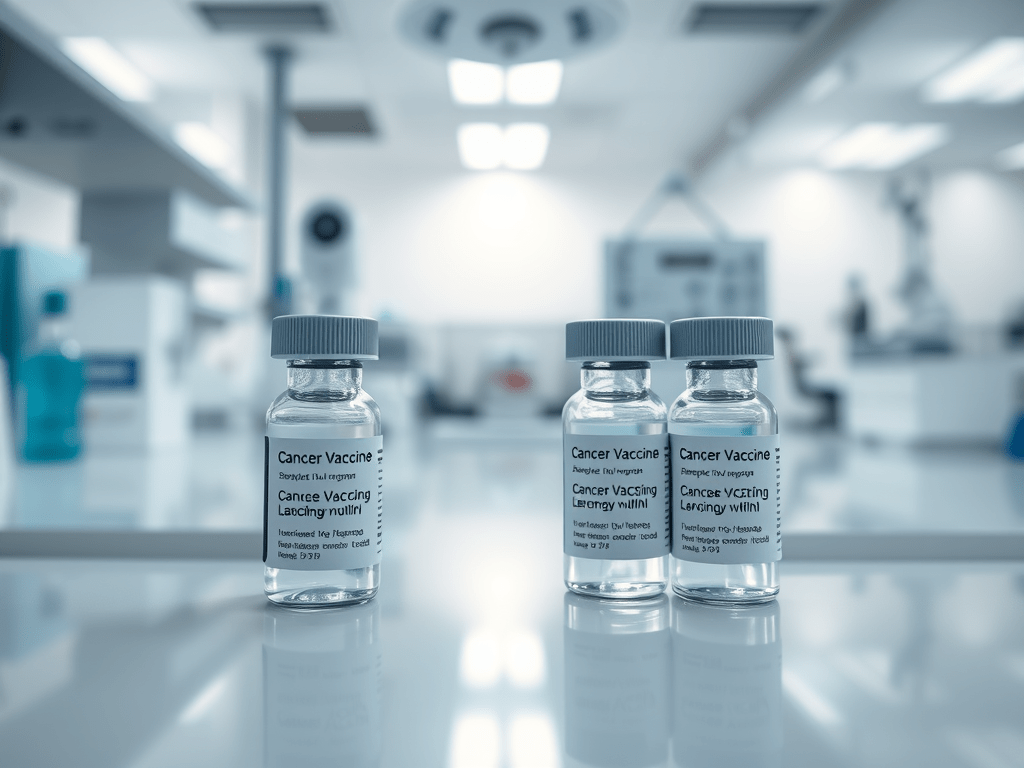
Could this new mRNA vaccine end cancer?

In the UK alone cancer accounts for 24% of all deaths.[1] Which means you, gentle reader have a close to one in four chance of going that way. You might hope that someone might do something about it. Today we bring you news that somebody has, via the industrious Luke Andrews of the Daily Mail [2] But before then, a tiny apology.

Because in reporting this we have no desire to disparage the heroic efforts of scientists, doctors, fund raisers and honest-to-God patients who have already done so much to ameliorate and already effect cures for this terrible disease. Luke’s story could be a game changer-but only because it comes at the ned of an enormous process of scholarship and research. That said, it is truly exciting. Firstly, because it tries to use the new mRNA vaccines which came of age during the COVID 19 pandemic. Secondl, because it offers a hope, however tentative at this stage, of a universal vaccine. Luke explains matters really well,. with all the links you need to the source journals, so we’ll leave you to him. Upbeat to say the least.

Vaccines are a contentious subject. We have talked about cancer vaccines here before(LSS 24 5 21 et al) and are aware of the mixed reactions we get. We suspect that not all anti-vaxxers are bad people: among them you will will find the stubborn types who refuse to accept any information coming down from above on whatever subject. Grit in the wheels of the machine; but one day you just might need them. But we in what might be called the empirically based community have our uses too.(we invented the computer you’re reading this on) it’s time for a dialogue, instead of hissing and growling at each other like so many cats and dogs. The patients deserve that.

[1]https://www.cancerresearchuk.org/health-professional/cancer-statistics/mortality

[2]https://www.dailymail.co.uk/health/article-14919401/immune-hack-vaccine-mrna.html

#mRNA #cancer #vaccine #medicine #health