Eyes show why evolution is never linear

Opponents of evolution and natural selection are fond of quoting the eye as an example of irreducible complexity which they imagine will wash away all objections to their creeds: “How could anything so complex have evolved without a very clever chap like God being behind it?” they ask, “and why would it have evolved as it only works when it’s completed?” Aside from the logical error which astute readers will have spotted at once, the story of how eyes evolved not only demonstrates how it happened, but answers so many other questions,that it’s actually rather more interesting than the stories offered as an alternative. Read this beautifully explained article in the Conversation by George Kafetzis and Dan Nillson [1] for a full exposition. Our humble summary appears below.

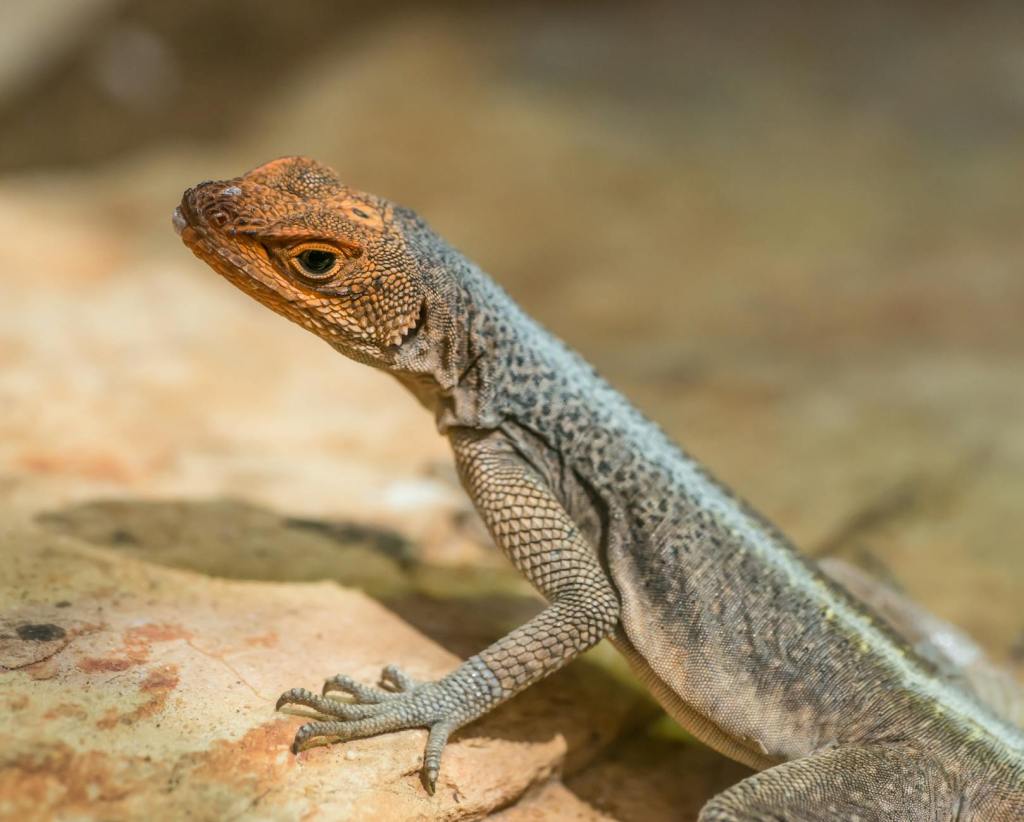
About 620 million years ago there lived an animal that was ancestral to all animals that would ever have two sides and move forward. It needed to steer as it swam: so it had two light sensitive areas symmetrically up front on either side. Another patch on top told light from dark, and which way up it was. And there it might have ended except for two things One group of these animals went to live in the mud as filter feeders. Having no need to swim they lost the steering eyes. Of course they kept the middle eye as it as still important to know if the Sun was shining. But when some of their descendants in turn started swimming again they needed to steer. Slowly the sides of the top eye moved apart, developed lenses and became eyes. These were the vertebrates. And this is why the eyes of all vertebrates-fish, lizards, birds and humans are so very very different from all other animals :invertebrates, such as scorpions, flies, octopuses and so on . Never giving up moving, their ancestors needed those original bilateral side eyes which slowly became more and more complex. Look at a fly if you don’t believe us. For the record the vertebrates kept the third top eye, its just that in mammals it has shrunk to the internal pineal gland where it still controls lots of light-related things like sleep and melatonin release

Its funny to think of eyes starting simple, evolving, un-evolving in some groups, and then evolving again, all according to the needs of those animals at the time. Its refreshing to find our basic LSS beliefs confirmed. Truth, or knowledge worth knowing, is complex and requires a lot of patient exposition to tease out. And it shows that simple, this-explains-it -all tales only end up obfuscating any real understanding.l. Nice to think that what happened 600 million years ago still has lessons for us today.

[1]https://theconversation.com/our-modern-vision-evolved-from-an-ancient-one-eyed-worm-creature-278120?utm_medium=email&utm_ca

#evolution #natural selection #eye #cambrian #vertebrates #invertebrates #paleonto;ogy #biology
Could despised carrion feeders save us all?

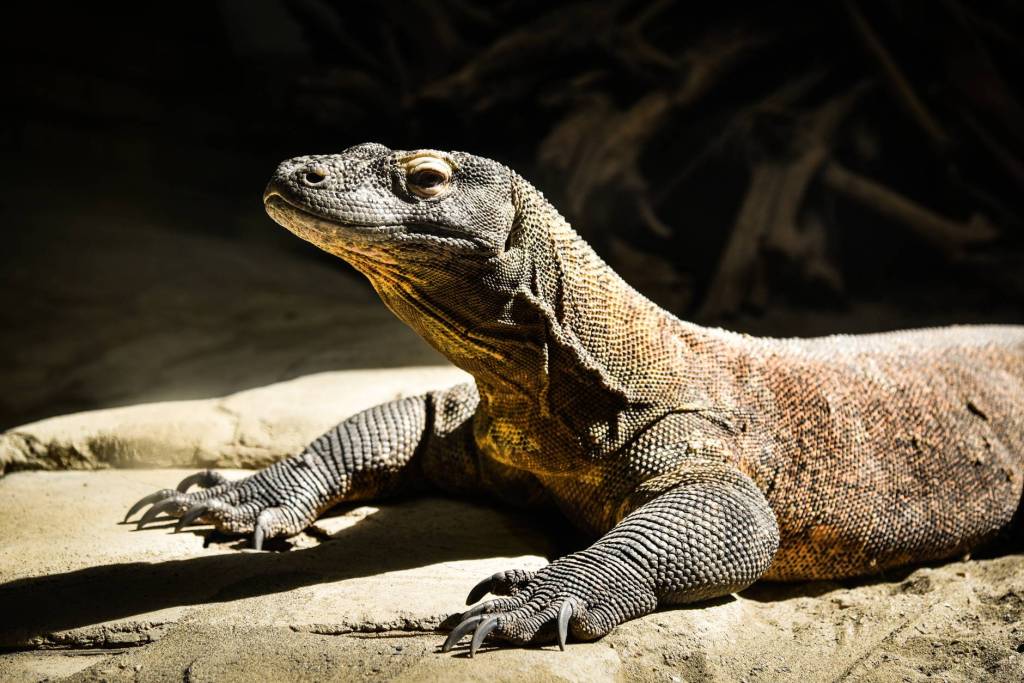
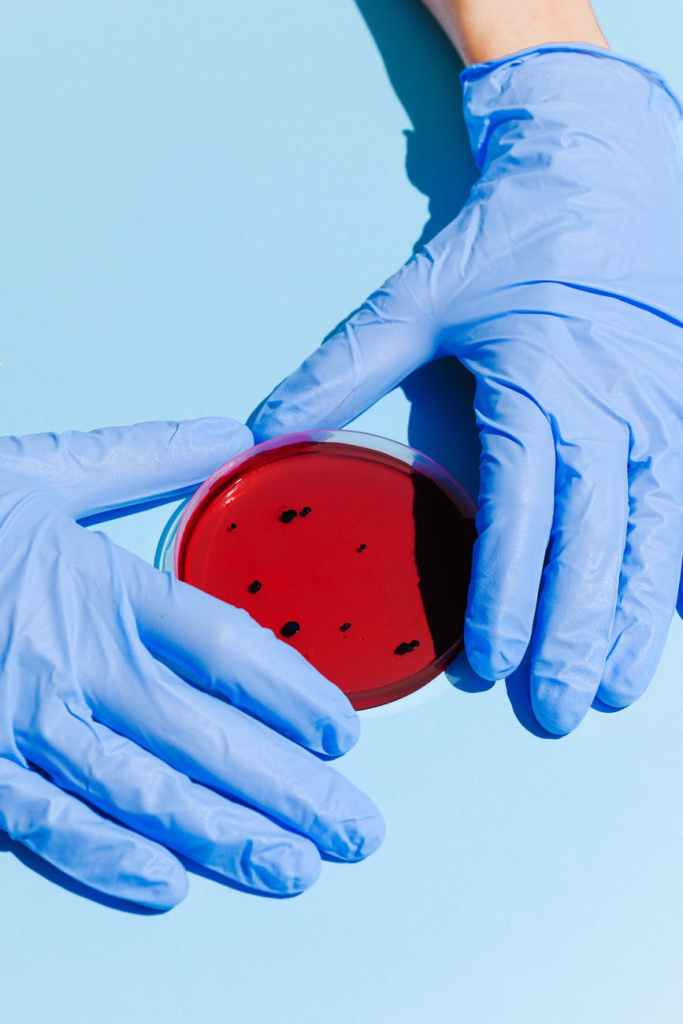
A few years ago we published a blog (LSS 27 10 20;6 9 21) wherein we hymned the praises of the Komodo dragon (Varanus komodoensis). Specifically, because these scary monitors could be a source of new antibiotics. Why might that be? Because they spend their lives feeding on filthy, rotting carrion and should therefore be all dead by now.

So why do carrion eaters (wolves flies, vultures are but some of the many types of animals that come to mind) not only survive, but thrive in their chosen niche? One which to us seems a little unpleasant and down market. According to Tim Cushnie, Darren Sexton and Vijitra Luang-In of the Conversation, these intrepid beasts have each developed a range of techniques to avoid bacterial infections which must be thriving on their dinners. What interests us most on this blog their chemical defences. They seemed to have evolved pathogen recognition and destruction systems which are far in advance of their carnivorous and herbivorous relatives. The authors cite several classes of compound which seem to ripe for exploration. And indeed are being explored by researchers in Germany, China and the US.[2]

And the moral of the story? Firstly, do not despise carrion feeders. They are Nature’s clean-up squad. Secondly, there must be hundreds of other plants and animals in nature which may have equally useful contents. So, if you tear down nature to build a car park you will probably have lost something. Finally, if used our Universities to train up a few more Biologists and a few less accountants, we are all going to be much, much richer.

[1]https://theconversation.com/antibacterial-discovery-how-scavengers-avoid-infection-and-what-we-can-learn-from-them-229828?utm_medium=email&utm_campaign=

[2]https://www.tandfonline.com/doi/full/10.1080/07388551.2024.2389175

scavenger #carrion #komodo dragon #immunology #bacteria #antibiotic

Doing something is better than nothing. Here’s one way

“You’re always telling us how bad we are!” It’s a small, but steady complaint from a certain group of readers. “Telling us how we’re wasting antibiotics! Polluting the skies and the oceans! Squandering our money in fruitless luxury , dissipation and depravity!” We take exception to the last, as we have never scolded anyone for Depravity. If done with due regard to Health and Safety, it can be a valuable method of weight loss. But as for the other charges- yes. we can be a bit over-censorious and pessimistic. And if we tell you all is lost, why try at all?

There’s nothing like having a sense of agency, a sense that you can actually make a difference, to restore morale. Even if that difference is small. Which is why we offer a chance to do One Thing. And that thing is to help out with a beach clean. We don’t need to tell you just how bad the situation in the oceans is. The Marine Conservation Society [1] has an excellent site for all matters oceanographic. But if you click further into their webpage you’ll find a section on Beach Cleans. Where groups of volunteers are co ordinated to go out, collect and record the vast mountains of debris which wash up on our beaches

Now this has several advantages over doing it by yourself. Firstly, it’s safer because there will be people around. Beaches and shores of any kinds can be dangerous places. Secondly collection and disposal can be jointly organised, making them much more efficient. Thirdly, the MCS and can make real use of the data you throw up. And last-think of the exercise and weight loss, with none of the drawbacks that Depravity brings. Is this becoming a no-brainer, or what?

[1]https://www.mcsuk.org/become-a-member/?msclkid=e17c2371dce010064ef7461ecd176756&utm_source=bing&utm_medium=cpc&utm_campaign=TE%20-%20ME

[2]https://www.mcsuk.org/what-you-can-do/join-a-beach-clean/

#pollution #beach clean #plastics #environment