No more plants, no more antibiotics

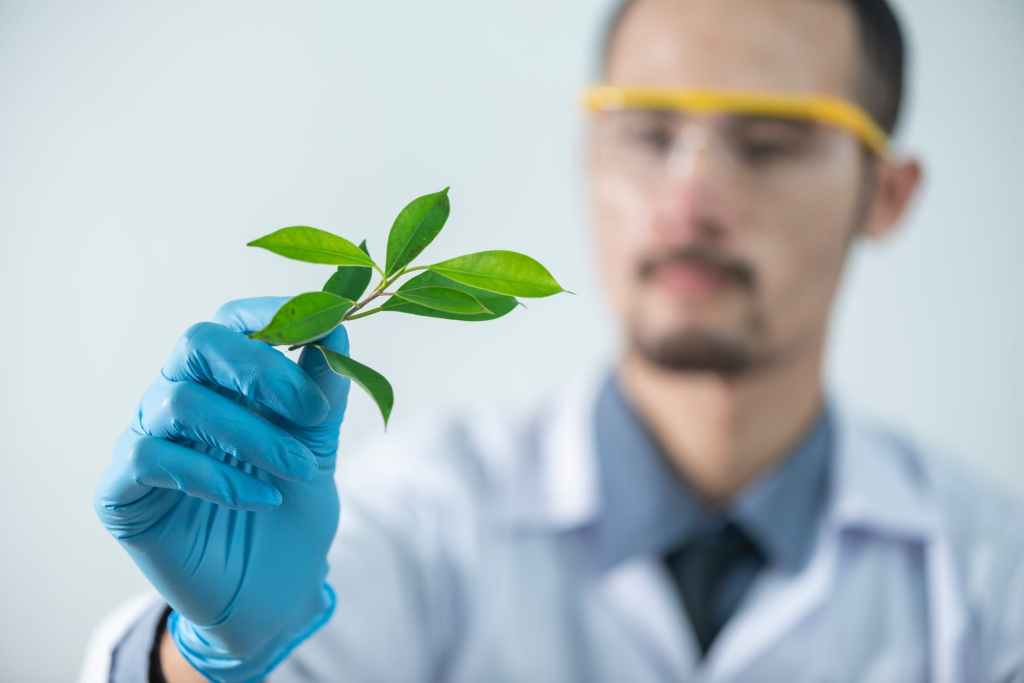
Losing plants and fungi to climate change is a quiet catastrophe for antibiotics and medical research in general because these organisms are our undiscovered pharmacy. A huge share of existing drugs — from penicillin to paclitaxel — came from obscure species that someone happened to find before they vanished. As habitats heat, dry, burn, or shift faster than species can move, we’re not just losing biodiversity; we’re losing chemical ingenuity that evolution spent millions of years perfecting. Every extinct fungus is a potential new antibiotic gone forever, every vanished plant a missed anti‑cancer compound, every collapsed ecosystem a library burned before we even opened the first book. The tragedy is not only what we lose now, but what we will never get the chance to discover.

Fortunately, the Royal Botanic gardens at Kew in London (one of the world’s most enlightened and learned places) is on the case as the erudite Damien Carrington makes clear for this article in the Guardian. The vital, almost neuralgic need, is to identify new plants before they are destroyed forever under a concrete miasma of shopping malls, motorway interchanges and cheap hotels. To say nothing of climate change: if you want proof of that, the flowering time for plants has been changing by 2.5 days a decade for the last hundred years or so, according to this article But the RBG are at last deploying the wonders of AI to speed up identification and classification, so the task of exploring the pharmaceutical cornucopia can be made much easier

Digitisation and online access to millions of specimens that were until now only accessible in archives is also producing new insights, especially in the global south, reports Damian They are even getting genomic data from 180 year old fungi, potentially opening a completely new line of research  But read the lot for yourselves gentle readers, by clicking on Damian’s lucid article

Now we could tell you much about how the foregoing cheers us on behalf of our pet project, antibiotic research or even for medical science in general; for we know some of you have wider concerns and interests. But we won’t. Instead we shall close with a naked, unashamed plug for that self-same Royal Botanic Gardens in Kew.[2]  Easily reached by bus , train or licenced London Taxi, it contains a formidable treasure of plants from the entire globe cunningly arranged in some spectacular displays Plus some delightful lakes full of fish and water fowl, pleasant lawns and excellent cafes and souvenir shops. If in London, visit it we say. Personal note: we remember from more than 30 years ago an excellent bar on Kew Gardens station where they sold excellent cold lager to compensate for the hard slog around the tropical greenhouses Does anyone know if it is still there?

[1] AI could help win ‘race against extinction’ of vital plants, say botanists | Plants | The Guardian

[2] https://www.bing.com/alink/link?url=https%3a%2f%2fwww.kew.org%2f&source=serp-local&h=9bhqK4eCioVZh7YfDibjFqdXtmBATJUp73lhpA8kti0%3d&p=lw_magsmlt&ig=

#botany #pharmacology #medical research #royal botanic gardens kew #ecology #plants #fungi

Are YOU a cause of deforestation?

What could be more innocent this weekend than a brisk stroll through your local shopping mall? All air-conditioned and centrally-heated, antiseptically clean, and crammed full of shops with must-have frocks and trainers and clothes and make-up and jewellery and mobile phones and shirts and trousers and computers and chocolates and more clothes and shoes and cosmetics and toys and even more clothes and accessories and skirts and furniture and even more cosmetics…..might you, have you, contributed to the tearing-down of trees in some far-away rain forest?

According to Global Canopy, you probably have.[1] They are a non-profit company that tries to monitor the role of the world’s largest corporations in the sustainability of the planet, looking at production, supply chains transport- all the aspects of a modern operating firm, in fact. What impressed us was the way that they try to work with companies by providing data and feasible strategies instead of just standing outside in the rain with placards. But they are no patsies, either. Get this from their website

The 10th edition of the Forest 500( their regular survey-LSS) reveals that almost a quarter (23%) of the companies and financial institutions that have featured in each of the 10 annual assessments have still not published a single commitment on addressing deforestation…….Meanwhile, nearly two-thirds (63%) of companies that have set commitments are failing to publish adequate evidence of their implementation

They go on to name names, which we dare not here, for lack of a proper legal department. But you’ll see them tomorrow during the course of your excursion. And that’s before you stop off in the Food Concessions on level four………

Why is all this important? Well we at LSS think that deforestation if one of the major causes of the worlds ills. It not only contributes humongously to global warming, it interferes catastrophically with hydrological cycles, driving desertification and land degradation. (ever wondered where all those migrants come from?) It may even be releasing new pathogens such as respiratory viruses into the human ecosphere, as we have alluded to before in these pages (LSS Passim) The World Counts has a nifty little website here to bring you somewhat up to speed [2].

Now we at LSS are not urging you to give up the accoutrements of civilised life today. We are Whigs, not Cistercian Monks, and certain member of the Editorial Board might find immediate changes to their lifestyles very uncomfortable indeed. But look again at the way Global Canopy work; with the grain of corporate life (weak pun intended) Can you ,should you find ways to bring pressure on companies by investing differently? By purchasing a little more slowly, and perhaps a little more judiciously? By getting just one item a week from a charity shop? If you want to donate to, or help these people in some other way, we would applaud that, too. As Tesco used to say back in the 1990s; every little helps.

Thanks to G Herbert for this story

[1]https://globalcanopy.org/press/10-years-of-data-reveals-the-major-companies-persistently-ignoring-their-role-in-driving-deforestation/

[2] https://www.theworldcounts.com/challenges/planet-earth/forests-and-deserts/why-is-deforestation-a-problem

#deforestation #supply chains #palm oil #global warming #shopping malls #consumer

Will Wetlands save the World?

Every so often we receive a well-meaning, but slightly plaintive communication from people who yearn for improved methods of carbon capture, by which they mean huge industrial undertakings not unlike the filthy power stations which they are meant to replace. “Good point!” we cry “but it’s going to take years to perfect the technology. Then scale it up. By which time it will all be much too late.” What if there are far more efficient carbon capture stations already out there, cheap to develop, quickly scalable, which might in addition act as huge natural flood defences. Before you reply “too good to be true” have a look at these two stories about wetlands which have recently crossed our screens.

Mangroves in Brazil Brazil has had more than its fair share of bad ecological news recently, what with chopping down massive swathes of the Amazon and so on. But now Mr Bolsonaro has gone, we are able to report a more hopeful story, by Maurice Saverese via Apple News.[1] A new project in the Guanabara Bay, near Rio De Janeiro has planted up to 30 000 mango trees. Not only will these act as a massive flood defence, stabilising the coastline against erosion, but will provide a valuable new source of income to local fisherman as crabs and other economically valuable species return to the healthy waters.

Wetlands in Washington Since the 1780s the USA has lost about half of its wetlands. Which is a shame because although wetlands comprise just 10% of the world’s surface, they contain perhaps 25% of its soil carbon. That at least is the estimate of a team from Washington University, who are investigating the potential of vast carbon-capturing wetlands beneath the rain forests of the Pacific Northwest [2] You’ll have to get past the paywall for this one from Natalia Mesa of the Atlantic, again via Apple News. but it’s well worth it. Because the rainy north west also includes parts of California, Oregon and much of western Canada. If the Americans can only keep out Trump and his supporters, then once again they might have saved the planet, this time on a massive scale.

Sometimes the answer lies not in doing new things, but adapting old ones to new uses.

thanks to P Seymour

[1] https://www.pbs.org/newshour/world/rio-de-janeiro-bay-reforestation-shows-mangroves-power-to-mitigate-climate-disasters

[2]https://www.theatlantic.com/science/archive/2024/05/wetlands-forest-unmapped-carbon-washington/678513/?utm_source=apple_news

#wetlands #carbon capture #mangroves #washington state #donald trump