Photo by Reto Bu00fcrkler on Pexels.comPhoto by jae park on Pexels.comPhoto by Sebastian Coman Photography on Pexels.com
Once again we share one of our management to staff communiques, which we believe are a model for other companies and organisations
Now, it’s come to our attention that there have been certain ill-disguised whisperings and feelings about the staff leave arrangements for this Easter Bank Holiday weekend. Specifically-how come only the Editorial Board get Thursday afternoon off? The answer is both simple and complicated.
Firstly, the Thursday before Easter (Maundy Thursday) is an ancient time hallowed custom. So someone has to have time off. Obviously it can’t be everybody , as our productivity figures, already low, would just fall through the floor. So the Board got in consultants, who came up with a scheme based on geography, finance and above all peoples’ real needs. And this is how it works out.
Most of you it turns out live within 5 or ten miles of this building. OK, a couple of you trundle in from places like Kingston or Haywards Heath, but its really not too far to get way when the weekend begins, is it? Whereas we on the Board have our holiday homes in amazingly far-flung places. The Cotswolds. Perigord. Even Tuscany. Of course we need that extra time to get to the airport. And what about at the other end, we have to get to that shop in the village, the one that does that marvellous olive bread, and check the wine cellar, or the weekend’s half-gone. Whereas you lot, in some pub in Croydon-well you’re right on top of it as you stumble out of your little flats.
Each of us needs to understand other people and their different needs and pressures. Clearly we on the Board have somewhat different needs to the rest of you. Easter is a time of understanding. And with the annual salary reviews coming up, we hope you will understand once again.
Oh no, not another medical breakthrough story on LSS? What happened to all those cocktails? What about all the economics and evolution stuff we used to get? Yet let us remind you of the words of our Founding Charter,* gentle readers: this started out as an antibiotics website, even more so when it was a post on Facebook. Of course when supplementary techniques like bacteriophages and improved antibodies came along, we welcomed those too. Which is why we have to give this new report from Nature BriefingsAI helps design antibodies from scratch, front and centre on today’s blog. When you read this, you will understand why
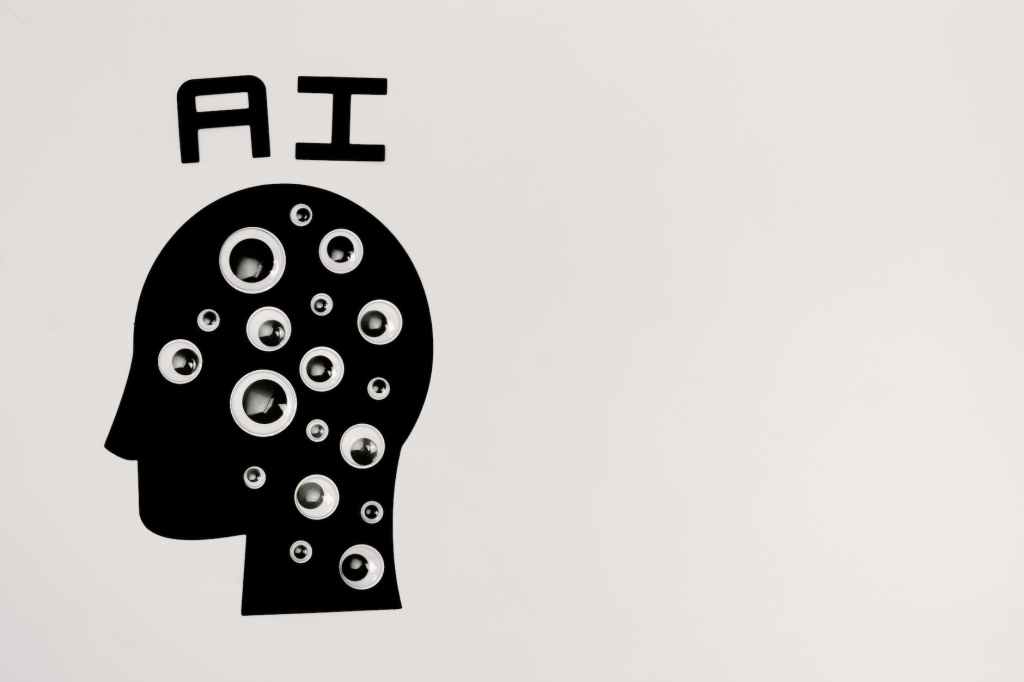
For the first time, an artificial intelligence (AI) system has helped researchers to design completely new antibodies. Creating new versions of these immune proteins, which can be used as drugs, is usually a lengthy and costly process. An AI algorithm similar to those of the image-generating tools Midjourney and DALL·E was trained on thousands of real-world structures of antibodies attached to their target proteins. It then churned out thousands of new antibodies that recognize certain bacterial, viral or cancer-related targets. Although in laboratory tests only about one in 100 designs worked as hoped, biochemist and study co-author Joseph Watson says that “it feels like quite a landmark moment”.Nature | 4 min read Reference: bioRxiv preprint (not peer reviewed)
Once again, we are at the start here. It’s still, at proof of concept stage, and awaits peer review. On the other hand, this is genuine landmark moment which people of the future will look back on. And whatever you are doing now as you read this, remember it. You were there on the day it happened.
a copy of the founding charter is still visible in the flowerbed round the side near the car park, the bit where all the smokers go. Actually, could we clean it up a bit?
One of our great pleasures in life is to stand amazed when someone does something amazingly clever. Especially when you get that feeling that what they did was there, waiting to be done, all along. Which is why we bring you two such stories, all gift wrapped up by the admirable Nature Briefings and BBC, for you to click on at your delight.
A Cure for HIV? Anyone who lived through the 1980s will recall the terrible ravages of the AIDS pandemic, caused of course by the HIV virus. Even if you were lucky enough to be in a low-risk group, we all knew someone or a local community organisation who suffered the ravages. Sad. Sad. Sad. Now that old friend of LSS, CRISPR gene editing may actually offer some hope towards the final elimination of the virus from our genomes. It’s early days yet, as both Michelle Roberts of the BBC and the researchers themselves say. Proof of concept and all that. Good, it’s better to be cautious. But if they can “snip” the HIV virus out of your cells, what else might not be achieved?[1]
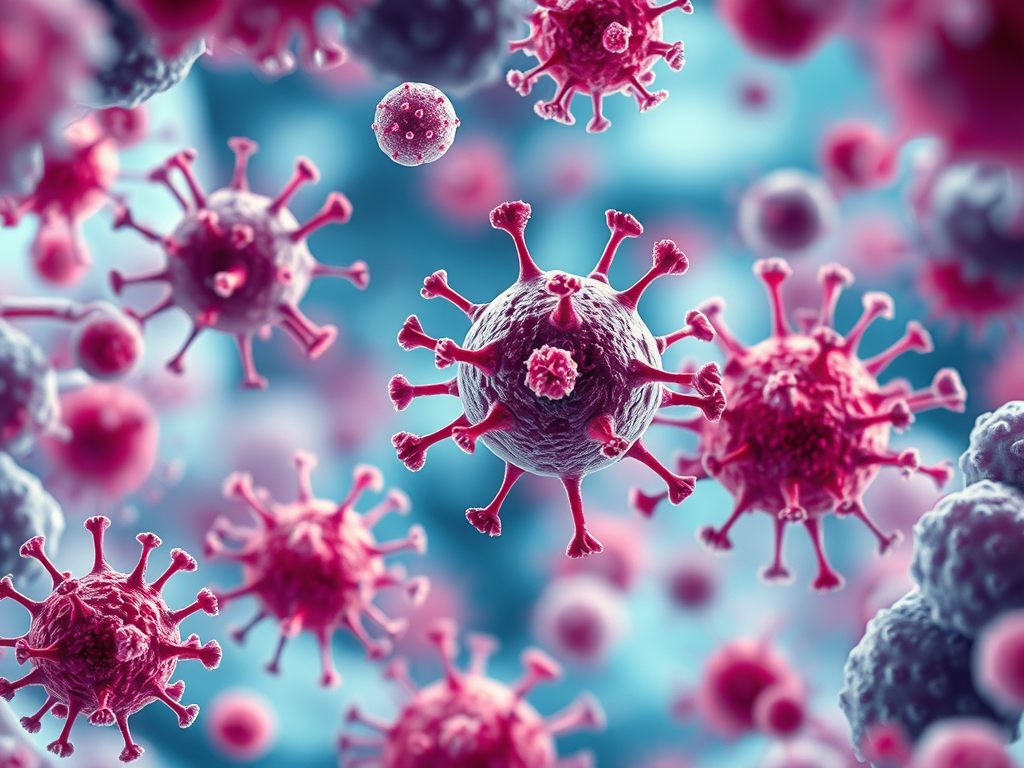
Ghost DNA made us brainy Talking of embedded DNA, many a 1980s conversation concerned all that mysterious DNA lying around our genomes that didn’t seem to do anything (no, it was mainly about EastEnders-ed) Was it some of it ancient embedded viruses that attacked our ancestors long ago, in some forgotten Permian Pandemic? Well, get this from Nature Briefings, Virus Helped Brain Evolution
Remnants of an ancient viral infection are essential for producing myelin, a protein that insulates nerve fibres, in most vertebrates. Certain viruses insert DNA into the genetic material of the cells they invade. Sometimes, these insertions become permanent and even aid evolutionary processes. Myelin helps nerves to send electrical signals faster, grow longer and thinner so they can be packed in more efficiently. “As a result of myelin, brains became more complex and vertebrates became more diverse,” says stem-cell biologist and study co-author Robin Franklin.Science News | 6 min read Reference: Cell paper
The implications are rather profound. The idea of the single autonomous gene line, the pure selfish individual at the core of your biological identity is rather compromised, isn’t it? What if the genetic “you” isn’t just “you,” but is you+some (rather random )free riders, who may or may not be helpful? That Natural Selection is acting on several of you at once. and may force you to cooperate? What price The Selfish Gene now?
Photo by Rodolfo Gaion on Pexels.comPhoto by u0410u043bu0435u043au0441u0430u043du0434u0440 u041cu0430u043au0435u0434u043eu043du0441u043au0438u0439 on Pexels.comPhoto by Renato Danyi on Pexels.com
Here’s what lead can do to you:
6 mL of tetraethyllead is enough to induce severe lead poisoning.[89] The hazards of TEL content are heightened due to the compound’s volatility and high lipophilicity, enabling it to easily cross the blood–brain barrier.
Early symptoms of acute exposure to tetraethyllead can manifest as irritation of the eyes and skin, sneezing, fever, vomiting, and a metallic taste in the mouth. Later symptoms of acute TEL poisoning include pulmonary edema, anemia, ataxia, convulsions, severe weight loss, delirium, irritability, hallucinations, nightmares, fever, muscle and joint pain, swelling of the brain, coma, and damage to cardiovascular and renal organs.[90] Chronic exposure to TEL can cause long-term negative effects such as memory loss, delayed reflexes, neurological problems, insomnia, tremors, psychosis, loss of attention, and an overall decrease in IQ and cognitive function.[91]
The carcinogenity of tetraethyllead is debatable. It is believed to harm the male reproductive system and cause birth defects. (Wikipedia: Tetraethyl lead [1])
Like it? That’s just tetraethyl lead, Pb (C2H5)4 The brute metal itself has been in use for millennia, and even the Romans knew that it was toxic. For a broader view, try the main Wikipedia article here [2]
Glad you clicked, because now you will know why strenuous efforts have been made to phase out lead from human technology for the last few decades. Admirable; but it leaves two big problems. It’s bad enough that all that lead is still out there in the soil, in the water, in the air, still poisoning us all. But it gets worse when you realise someone is still adding to the pile. Allow us to explain.
Some readers will recall the bright wheeze they had back in the 1920s of adding tetraethyl lead to petrol, as an anti-knocking agent for engines. It worked! The trouble was that the resulting cloud of lead covering the earth was so dangerous that eventually even a cynical world had to introduce measures which have reduced it. Except in one area: aviation. To quote Wikipedia once more
TEL remains an ingredient of 100 octaneavgas for piston-engine aircraft. The current formulation of 100LL (low lead, blue) aviation gasoline contains 2.12 grams per US gallon (0.56 g/L) of TEL, half the amount of the previous 100/130 (green) octane avgas (at 4.24 grams per gallon),[84] and twice as much as the 1 gram per gallon permitted in regular automotive leaded gasoline prior to 1988 and substantially greater than the allowed 0.001 grams per gallon in automotive unleaded gasoline sold in the United States today.[85] The United States Environmental Protection Agency, FAA, and others are working on economically feasible replacements for leaded avgas, which still releases 100 tons of lead every year.[86] Children living near airports servicing small (piston-engine) aircraft have measurably higher concentrations of lead in their blood.[87][1]
Now to us, there can be few pleasures more innocent or admirable than the sport of leisure flying. Exponents of it are personally known to us. But isn’t it time that they, and everyone else, urged their Governments to look for alternatives? And is it unfair to add the phrase “as early as possible”?
Photo by u0410u043bu0435u043au0441u0430u043du0434u0440 u041cu0430u043au0435u0434u043eu043du0441u043au0438u0439 on Pexels.comPhoto by Johann Van der Linde on Pexels.comPhoto by Anna Tarazevich on Pexels.com
Are there risks in things we do or use every day, which could be harming us, our children and grandchildren? We spend a lot of time here talking about things like global warming, potential medicine losses and pandemics. In the next few blogs, we want to get you talking about every day things. Things closer to home, which may be slowly and insidiously spoiling our quality of life, and destroying the chances of future generations. We’ll be talking about things like certain metals and other poisons, as well as plastics, pesticides, fertilisers and other well-intentioned but short sighted practices which could be reformed or abolished without much harm, and to great general benefit.
And “well intentioned” is the key for us . Because unlike conspiracy theorists, we don’t think the people involved are necessarily evil. Very often, they were motivated by genuinely laudable ideals such as improving food supplies, or increasing technological performance. The biggest trouble comes from limited thinking, solving a problem here and now, without scoping the wider consequences. The fall-out, that chilling phrase from the last century. Which in turn implies that these problems could be solvable, with a little more thought. Wouldn’t it be nice if LSS came up with an optimistic set of blogs, for once? Try them, and see what you think. The first will be coming up next.
March has brought a really heart-warming number of likes, links and comments to our little blog. More in fact than we can confidently enumerate. Imagine if we tried to list all of you and forgot one, just one! The shame would be too great for us, and rightly so.
So the only way to deal with this is to, once again, just note how truly honoured we feel that you like this little blog. And take the time to tell us so. Once again, we wish you all success in all your enterprises, large and small. And to enjoy the rest of this great month, and the well-deserved Easter break at the end of it.
We will have a little more to say on Easter later, and how we think it may predate Christianity by several thousand years, But that really is for another day.
Old hands on this blog will recall our admiration for the work of Richard Wilkinson and Kate Pickett. We still give copies of their seminal 2009 work The Spirit Level as Christmas and birthday presents to this day. Their key insight-that high levels of economic inequality are inimical to a healthy society- seems more valid than ever. But now they go further, averring the the societal dislocations caused by inequality may be actively impairing our response to the looming ecological collapse.
And so we present their thoughts by linking to Nature Briefings. Good scholarship is always provisional. But we think this is pretty robust. And we are fully confident that the intelligent readers of our blog will be able to ask, and answer, the right questions.
Here’s an experiment younger readers can try on their grandparents. Ask them about The Faces and they will probably start on about flamboyant front man Rod Stewart. Ask them about the Small Faces and they will say the same about Steve Marriott. Yet alongside these undoubtedly gifted individuals there played-and, more significantly, wrote-a quieter, slightly self-effacing figure called Ronnie Lane.[1] Who was no less talented, but whose life was cut dreadfully and horribly short by the dreadful disease Multiple Sclerosis at the sadly early age of 51.
Younger readers, if you want to explore the back catalogue of Lane and his various collaborators, we promise you some real treats. The Small Faces were an iconic sound for the modernising London of the 1960s. The Faces were the quintessential good time rockers, whose sense of humour and fun in being alive shines through every album. Lane could bring a wistful, slightly melancholic line as well, giving emotional depth to run alongside the more raucous productions of Stewart and Ronnie Wood. Yet after leaving, Lane never achieved the world-brand status of his erstwhile chums. And before he really found his feet, the disease struck; apparently it was hereditary in the family.
And that , ladies and gentlemen, is the point. Because we say; it shouldn’t have happened like this. We offer this man as one personal example of how chronic disease can rob the world. But MS, like other neurological diseases afflicts millions, making life hell for sufferers and their carers alike. The answer of course is research. And, here’s an article of faith: we think research in one area will spread its benefits into many others.
So now, as a tribute to Ronnie, imagine you are Parka-Clad Mod, speeding on a stylish Italian motor scooter through the streets of swinging London, on your way to your favourite coffee bar. The song paying will be All or Nothing[2] And that’s how we want you to treat the research and discoveries which will one day end this disease forever.
It’s funny how some books suddenly explain something you’ve puzzled all your life. One of our obsessions was always “What was the Roman Empire all about? And why did it fall?” And we ploughed our way through everything from Gibbon to Asimov’s Foundation series. Until we came across RH Davis A History of Medieval Europe”[1]. Suddenly, things began to fall into place.
Before the Industrial Revolution, it was far cheaper to transport goods by water than by land. The achievement of Rome was to be the culminating power that united the whole Mediterranean Basin into a single, prosperous trading area. Where cities could flourish, ideas spread and production be subdivided to the most efficient source. And to do it all with the minimum effort. This was partly by religious tolerance: before Christianity, all beliefs and none were accorded equal status. But it was also done by Law. As Davis explains
“…….[The Romans] knew that all the Mediterranean peoples had a common interest in the commerce of their sea…….they believed that all men had by nature an instinctive knowledge of what was right and what was wrong…and that it was possible to frame laws in accordance with the standard of nature. They distinguished between custom, which was of local significance and law, which appertained to justice and was of universal significance …...
But the barbarians who entered the Empire did not quite see things that way. Most of them-Goths, Burgundians , and so on, came to enjoy, not destroy. But:
“barbarian invaders claimed that their own laws were were particular to themselves, since they were not founded ..on reason, but on the dictates of their divine ancestors….[the Roman Empire] was… cracked by the determination of barbarian invaders to prefer the law of their ancestors to the law of reason, since that preference implied the superiority of loyalty to one’s race over loyalty to the civilised world. It was shattered when traders lost the freedom of the sea. When that happened , the greater part of Europe reverted to an agricultural economy, in which there was no place for the cities that made men civilised” (all quotes pp 4-6)
Today, after a brief period of globalisation, we live in an age of retreat. In most places, people are reverting into ethnic or religious tribes. There are cries to tear down even the few international laws we have, which might have done some thing to keep the peace. Now, there is a very respectable argument to say this is in accordance with the most basic instincts of human nature. And so it might be. But Davis tells us very clearly what the price must be if we now follow this that course. The Dark Ages.
[1] RHC Davis A History of Medieval Europe from Constantine to St Louis Longman 1988
Photo by u0410u043bu0435u043au0441u0430u043du0434u0440 u041cu0430u043au0435u0434u043eu043du0441u043au0438u0439 on Pexels.comPhoto by Pixabay on Pexels.comPhoto by Karolina Grabowska on Pexels.com
A philosophyderailed For more than fifty years, the Mail and its collaborators in the right wing media have been pushing one simplistic mantra “Private Sector Good. Private Sector Bad.” So it came as a surprise to see this candid admission of the appalling state of Britain’s privatised railway system.[1] It’s a story that’s repeated across swathes of our economy. Public Housing, water and sewage, Forensic Science, energy regulation… the attempt to privatise and create a market at all costs has often been a costly failure. Now, anyone who has y worked in the public sector and seen its inefficiencies close up cannot remain a socialist. Or not enjoy the delight of pompous civil servants being exposed to a little competition. But the invariable prescription of a single nostrum, whatever the circumstances, that so appalled us. Good to see a little honest admission of error.
Immunity to radiation? When we were young we thought “radiation is an ineluctable killer. It so affects the genetic material that there’s no way back.” Wrong again! As this intriguing article from the Independent shows, to our extreme chagrin. Apparently the famous nuclear disaster zone of Chernobyl in Ukraine has nurtured a whole new type of radiation resistant worms. [1] The implications for life on earth are intriguing enough. But even more so in our quest to find living creatures both in our own stellar system and in more distant ones. What a way to end the week.