Now AI is designing antibodies too

Do you understand the human immune system, or the even vaster world of immunology? Neither do we. Too big, too vast, too complicated. And that’s despite 43 years of trying and working along side some pretty nifty immunologists, back in the day. But AI does, Fresh from its triumphs on protein design (LSS passim) its superior intelligence has now been turned on the knotty problem of how to run up new antibodies. Read this, AI designed antibodies race towards trials from the indefatigable Nature Briefing

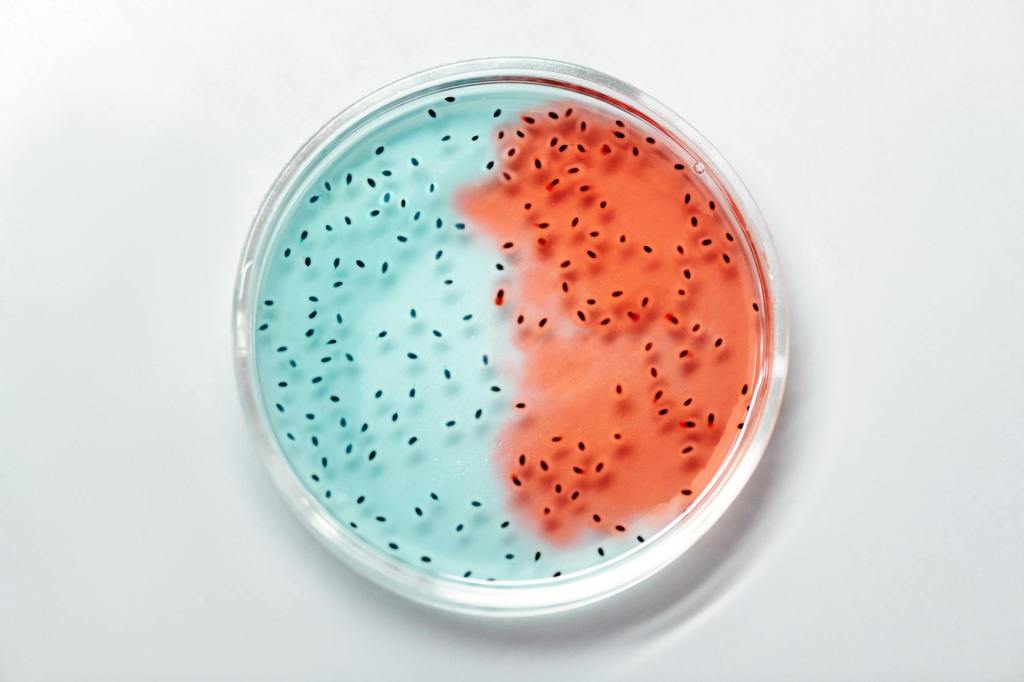
Scientists say they are on the cusp of turning antibodies designed by artificial intelligence (AI) into potential therapies just a year after they debuted the first example of an entirely AI-designed antibody. Previously, the structure of antibodies proved somewhat of a black box to AI models. But new and improved models — such as an updated version of AlphaFold — have more successfully predicted the shape of flexible structures that give antibodies the specificity they need to bind to foreign molecules. Researchers at several companies now say they’ve designed ‘drug-like’ antibodies. Nature | 5 min read

There’s a lot to unpick here, and we won’t try to do it all. The first thing that stands out is how quickly this is moving from proof of concept to clinical reality, The second is that the possibility that designed antibodies will target receptor sites hitherto off-limits to their natural predecessors. Think infectious diseases first, and rightly. But the implications for cancer therapy -and dare we hope, neurodegenerative diseases?- are clear after a moment’s reflection. Designer antibodies will greatly reduce the need for much animal immunisation and testing. And, perhaps a best of all, a thriving commercial ecosystem of start-up companies is beginning to form around the new learning, ready to turn it into everyday reality in a hospital or medical prectice near you, gentle reader.

Although we can’t claim credit for these advances-you all know us too well- we think it striking that they have come from the qualities we prize . Careful observation. Null hypotheses testing. Slow steady work. And always looking for what proves you wrong not what proves you right. Those qualities are what save lives and generally make them better. A shame that they are being abandoned now by a hysterical ignorant population and so many of its foolish leaders.

#immunology #antibodies #medicine #health #cancer #disease #biotechnology

Why taxes are good for you #5: No taxes= no economy

Let’s go back to part one of this series where our old friend Dave Watford is leaning on the bar of the Dog and Duck. Complaining how the government takes all his money in taxes and” if he ditnt ‘av ter pay no (expletive deleted) taxes his wife wouldn’t ‘av ter (expletive deleted) work at all!” It’s a widely held view, assiduously promoted by certain very well funded “think” tanks. In fact it’s the exact opposite of how a real economy works. Or exists at all. All the evidence suggests that without taxation, and the government to enforce it, there could have been no economy.  Humanity would have frozen at the level of sheep grazers and dirt farmers.

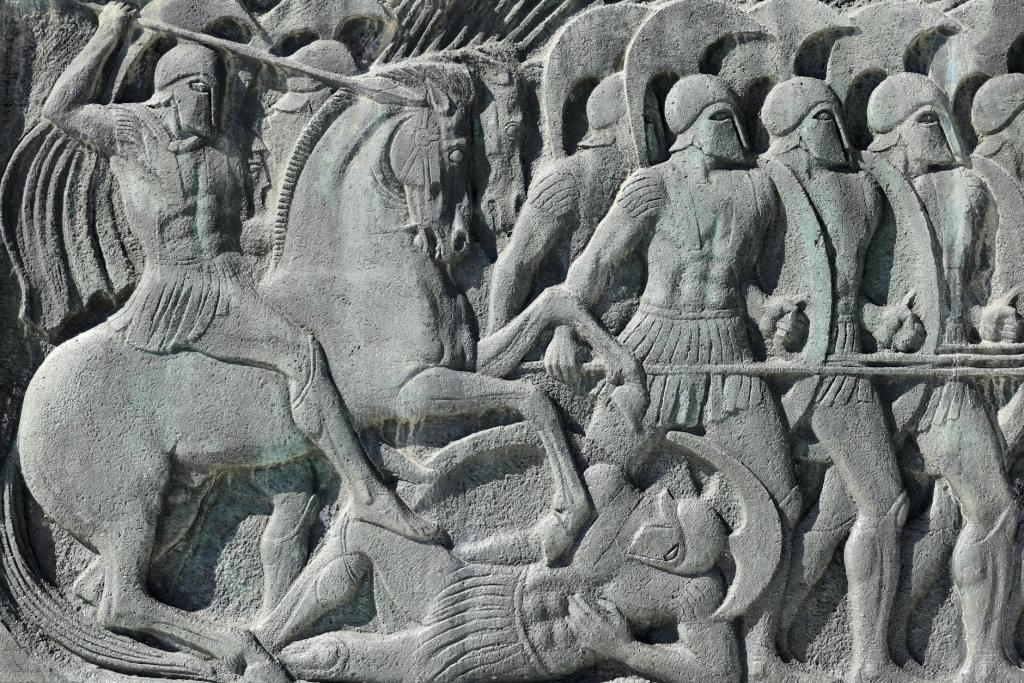
It worked something like this Once there was a King somewhere in old Mesopotamia: and he invented something called an Urg, No one wanted it much at first. Until the King said: ”everyone has to pay ten  Urgs a year in taxation. Which I will enforce.” Suddenly the Urg had value because-everyone needed it to pay the taxes. They started to work and trade to earn and swap all the Urgs they needed to pay the King. Who helpfully kept the whole process going by creating more Urgs which he issued  to people in order that they could pay their taxes…….suddenly roads were built, trade networks flickered into life, and huge buildings like ziggurats started going up. “Ah!”. cry the detractors, “all these things were gong on before there was money!” It was Keynes who nailed this fallacy. Money is about much more than coins, and came much earlier, he said. Money is all about the network of obligations, debts and credits, which by their redemption make trade possible. The whole point of the king was to ensure that these contracts were enforced. Coins came much later in the archaeological record, as a convenient  technological advance to the system. . The electronic banking of their day, if you like.[1] [2]

We’ve talked before how kings use taxes to pay for armies and policemen and courts and other things to keep its citizens safe. But below that level, they are even more fundamental to the very existence of an economy. Without them there would be no Dog and Duck bar for Dave to lean on. He would depend on home brewed beer and home spun clothes. And, as it was mainly women who produced all those sorts of things (they do most of the work in agricultural societies), think of this Dave:-she would indeed ‘av ter work, mate. Innit.

[1] The History Of Taxation In Ancient Civilizations: A Comprehensive Overview Of Early Fiscal Systems And Their Impact

[2] The Shocking Origins of Money Hidden in 1,000-Year-Old Artifacts

[3] Kelton, S The Deficit Myth John Murray 2021  see especially pp 25 et seq

#archaeolgy #economics #history #taxes #money #coins

Identity Protective Cognition. Will this be the real cause of human extinction?

Have you ever stood in a pub and listened to a group of men talking? Are they really exchanging information? Trying to learn, to incorporate new facts and modify their opinions? Or do they just stand there, declaiming little nuggets of information, signalling their belonging to the group, and their status in it? We think its about 6% the former and 94% the latter. If that is the case, the implications for how people think, the very way they use and incorporate facts are disturbing indeed.

Dan Kahan[1] [2] and Brendan Nyhan[3] suggest this is exactly what happen in most peoples minds, most of the time. They think that considerations like pride and group loyalty far outweigh the effects of evidence and logical process. Our space is limited; but we hope the extensive bibliographies below will convince readers of the essential value of their insights, “If I admit I am wrong, then I have lost face” is where most people come from. And suddenly we see: This terror of looking weak, of jeopardising social status, lies behind so many of the mysteries we have struggled with here for five years now. Why does emotion seem to always triumph over reason? Why do objective facts, on things like Climate Change or vaccination, so utterly fail to change preconceived views? How indeed have issues of pure science become mired in questions of group identity and gender role?

Veteran readers will recall our long-held belief that reason and evidence are the principal survival adaptations of this species. We can never be as strong as bears, nor swim as well as whales. It was these qualities of intelligence that allowed a small weak ape to survive, and prevail. There have been times when these qualities did indeed seem to dominate, briefly. And other times when these qualities were almost extinguished by barbaric ignorance and brutality. Somehow, reason survived and recovered, and even went on to brief triumphs in eras such as the Renaissance or the Enlightenment. The difference now is that the threats such as Climate Change or pollution are existential. If not addressed, this species will become extinct. Yet the very people who might solve these problems-scientists, lawyers, independent journalists- are becoming fewer. Their voices drowned, their budgets starved by the hysteria of the mob and its angry leaders. If humanity is to survive, intelligent people must find ways to first protect themselves, and then prevail once more. But how, and if we have enough time, are complete unknowns,

Kahan, Dan M.; Peters, Ellen; Dawson, Ellen; Slovic, Paul. “Motivated Numeracy and Enlightened Self-Government.” Behavioral and Brain Sciences 38 (2017): e56.

Kahan, Dan M.; Braman, Donald; Gastil, John; Slovic, Paul; Mertz, C.K. “Culture and Identity-Protective Cognition: Explaining the White Male Effect in Risk Perception.” Journal of Empirical Legal Studies 4, no. 3 (2007): 465–505.

Nyhan, Brendan. “When Corrections Fail: The Persistence of Political Misperceptions.” Political Behavior 32, no. 2 (2010): 303–330.

#reason #education #psychology #science #learning

Christmas Eve Punch: saving time for the desperate Hostess

If we know one sign that tells us that Christmas is near, it’s how frantically busy everyone becomes. Selecting presents, shops, buying presents, her office party, new outfit, school nativity play, unreasonable face time demands from parents, shops, his office party, wrapping presents, buying food, Christmas card list, exchanging new outfit, writing Christmas cards, shops, a present for the cat , his office party, sending Christmas cards, buying presents for people forgotten in first tranche, shops, deliveries, ridiculously unreasonable time demands from parents in law, buying drinks, a present for the neighbours’ cat, planning the menu for Christmas day, shops, buying a different new outfit because the first one didn’t match the tablecloth, planning the seating for Christmas day, more shops……..it’s a surprise anyone likes the whole thing at all. Then all the neighbours announce they are coming round on Christmas Eve. Seventeen of them. Even the ones who hate each other seem to have got together to plan this! But before you collapse into a nervous breakdown, we have a Cunning Plan. Which will afford you that most precious, most rare commodity that you will find this Christmas. Time. And how do you make time? Give your guests a good punch.

No more juggling 20 different wines and cocktails and beers and sherries for 20 different people, each with their own capricious needs. If you just mix up everything according to the recipe below and plonk it on the table you will save aeons of time and stress. And the beauty is-you can do some of the work the day before. So with the aid of the marvellous BBC food website, we present this handy time saving Christmas Eve Punch(click on link for full chapter and verse) [1] here we will skim over the main points

1 It’s simple: All you need are: gin, red grapes prosecco, cloudy apple juice, ice, stem ginger, rosemary and a clementine. All utterly available in your local Waitrose or Marks as you troll round on the Main Mission.

2 Its ergonomic: The day before( yup) pop the grapes, the prosecco and the apple juice in the fridge to give them that icy winter chill

3 Easy scaling up About 2 hours before The Hordes descend upon you, throw everything you’ve got into a Great Big Punch Bowl. Stir; then let it stand. Half and hour before combat arrivals take all the ice you can find and bring it down on your existing position.

4 Easy serve Just let them come up one at time and help themselves with a ladle. Keep the glasses small and let them pace themselves. With any luck you could yet turn a profit on all the bottles they have felt obliged to bring and can never take away.

We honestly believe that with the above, along with the right nibbles and decorations, even the most frazzled hostess can buy a bit of serious me-time. God knows you deserve it.

NEXT TIME: COCKTAILS FOR CHRISTMAS DAY

[1]https://www.bbcgoodfood.com/recipes/christmas-punc

#christmas eve #drinks #party #punch #festivities

Did St John predict the Fall of the Roman Empire 300 years ahead?

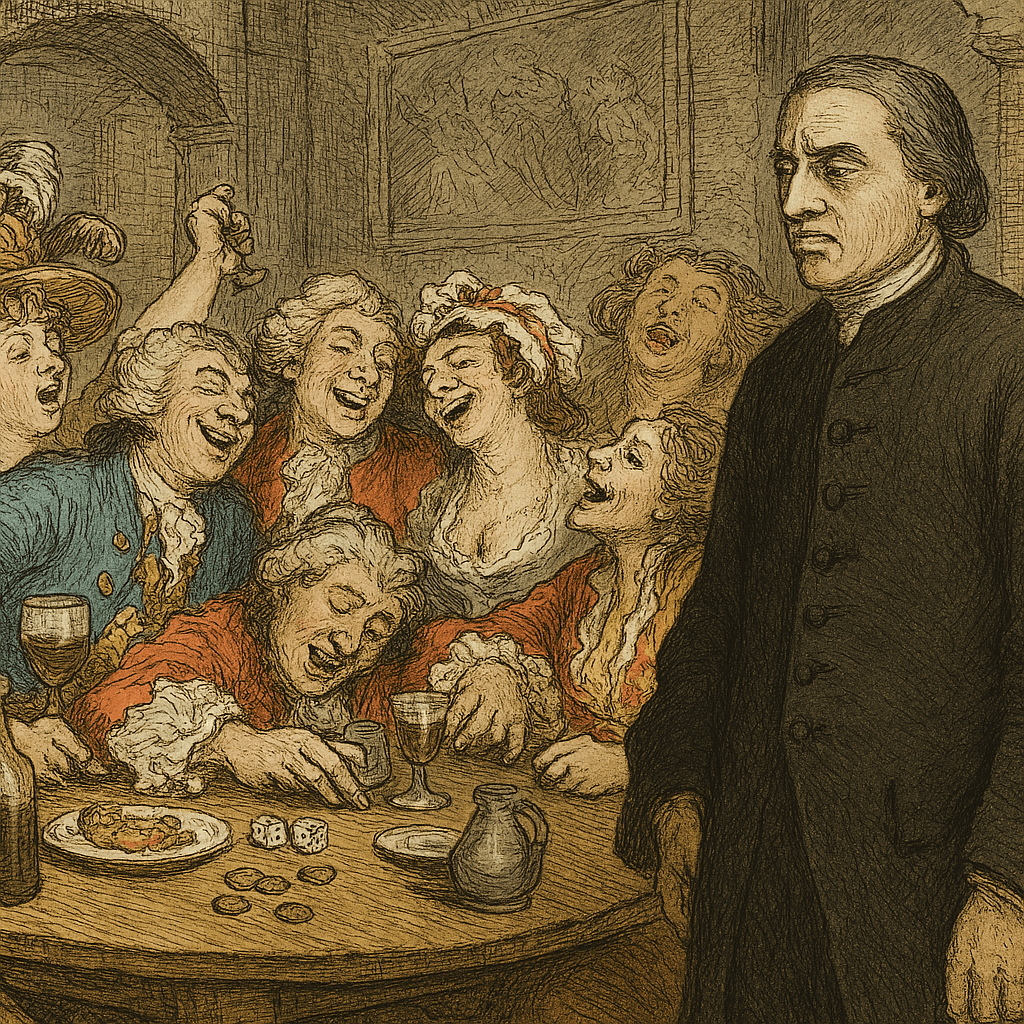
One thing we’ve always admired at this blog is someone whose predictions come true. Over the years we have praised seers as diverse as Edmund Burke, Gillian Tett, John Maynard Keynes and Rachel Carson, among others.(LSS passim) And one thing they all had in common: they called it before it happened which is not bad prophetting. To which illustrious company we would now like to add St John the Divine, the Patmos bloke, whose Revelations not only bookends to the whole Bible, it has generated no end of controversy and interpretation ever since.

Now we freely admit that St John doesn’t come across as a congenial fellow. A bit irascible and censorious, you might say. Not the sort of chap you’d invite round to your next dinner party to show off your latest bottle of Waitrose Claret. We suspect he even had a huge beard(always a warning sign) and the sort of scowl which instantly disapproved of conversations about holiday homes on Greek islands. But just pay attention to two of the things he wrote, around 95 AD while sojourning on one of them:

For all nations have drunk of the wine of the wrath of her fornication… and the merchants of the earth are waxed rich through the abundance of her delicacies.” (Revelation 18 3)

Now follow it up with this little bon mot

Come out of her, my people, that ye be not partakers of her sins, and that ye receive not of her plagues.” (Revelation 18 4)

All written when the Roman Empire was at its most prosperous and powerful height. Which leads us to the works of two authors who have explained two of the greatest mysteries which have ever bedevilled our minds: why was Rome(Republic and Empire) so successful? And if so, why did it so undeniably fail, around about 400 AD? The first of these answers was provided by the great Professor RH Davis in his immortal History of Medieval Europe [1] It was the genius of Rome to unite all the peoples of the Mediterranean into a single trading block, in which therefore peace and prosperity flourished by the standards of the time. Hence all those parties of which St John so heartily disapproved. And the second was Professor Kyle Harper who so convincingly demonstrated that much of Rome’s Fall was due to terrible plagues, such as the Antonine and Cyprian which entered the Empire and spread so well because of the efficient trade networks it had engendered. Two strikes, and Rome was out.

So how did a miserable old git, sitting alone in his shack while the rest of the island partied, get it so right? Was he a diva at economics? Epidemiology? Was he just lucky? Or could it be, was it just possible he had it from Someone who knew for sure-and whispered in his ear? we leave you to judge.

[1] Davis, R.H.C. A History of Medieval Europe: From Constantine to Saint Louis. London: Longman, 1970.2nd edition Longman1989 see especially pp 3-7

[2] Harper, Kyle. The Fate of Rome: Climate, Disease, and the End of an Empire. Princeton: Princeton University Press, 2017.

#St John the Divine #Revelations #prophecy #Roman Empire #History #epidemiology #climate change #economics

Round up: MAGA psychology, strange new cells, how to become a teetotaller….and much more

We said we’d stopped doing round ups: but here goes anyway:

It’s about the psychology, stupid! George Orwell once noted that peoples’ political and religious beliefs often reflect their deep underlying emotional preoccupations. Which is why facts and reason so often fail to change minds. Never have we seen this argument so convincingly demonstrated as in this this short article by Magnus Linden, Claire Campbell and Fredrik Bjorklund for The Conversation: Maga Explained: How Personality and Context Shape radical Movements

The Unexpected was hiding in plain sight We always like it when that happens (remember birds and dinosaurs?) Now the inestimable Nature Briefing has a tale of how astrocytes, those formerly humble and overlooked cells of the brain may be pretty important after all The Silent Cells within our brains:

Astrocytes make up one-quarter of the brain, but were long thought to be merely the supporting act for the stars of the cognitive show: neurons. Now astrocytes are emerging as key players shaping our behaviour, mood and memory. The cells seem to orchestrate the molecular mix in the environment around synapses, varying that mix according to brain state — how alert or awake the brain is, for example. This, in turn, can determine whether neurons fire in response to a signal coming across the synapse. “Neurons and neural circuits are the main computing units of the brain, but it’s now clear just how much astrocytes shape that computation,” says neurobiologist Nicola Allen.Nature | 11 min read

Can GLP help you give up the booze? Sticking with Nature Briefing, that go-to source for science news of all kinds, we noticed this riff on all those weight loss drugs everyone seems to be taking lately, No wonder there’s no one left in the pub. Can GLP-1 drugs treat addiction?

Scientists are testing whether blockbuster drugs that mimic the hormone GLP-1 — sold under brand names such as Ozempic and Mounjaro — can help to cut cravings other than those for food. For years people prescribed GLP-1s for diabetes or weight loss have shared stories about finding themselves suddenly able to shake long-standing addictions to cigarettes, alcohol and other drugs. Now, data are starting to back them up, with results from more clinical trials expected soon. “At the end of the day, the neurobiological system that is activated by rewarding substances — food, sex, drugs, rock and roll — it’s the same system,” says psychopharmacologist Roger McIntyre.Nature | 11 min read

Will we ever lose our Bonds? We have noted before how deeply in hock governments around the world have become since the 2008 crisis and COVID 19. But better minds than ours, more deeply learned, have known it all along. Here’s Richard Partington writing before the Budget, Aditya Chakraborty afterwards: plus we wanted to give you Katie Martin of the FT too, but couldn’t get past the paywall.

https://www.theguardian.com/uk-news/2025/nov/24/bond-market-power-rachel-reeves-budget?CMP=Share_AndroidApp_Other

https://www.theguardian.com/commentisfree/2025/dec/02/misleading-rachel-reeves-budget-labour-bond-markets

Action at a distance? We don’t do a ;ot of physics here, sadly, so we hope this intriguing article about quantum entanglement from Jara Juana Bermejo Vega of El Pais will go some way to making amends. English monoglots be warned: you will need your translator app

https://elpais.com/ciencia/las-cientificas-responden/2025-12-01/el-entrelazamiento-cuantico-puede-explicar-fenomenos-de-comunicacion-a-distancia-entre-gemelos-o-de-un-hijo-con-su-madre.html

Forgive us breaking our promises but we felt these stories were so intriguing that we’d toss them at you and let you make up your own minds

#neurobiology ##psychology #GLP-1 #alcohol #drugs #MAGA #politics

Why taxes are good for you #4: health and safety, guvnor

Ever since our earliest youth, Budget Day in the UK has always been accompanied by a chorus of cantankerous moaning “They’re putting a penny on me beer! He’s puttin’ tuppence onner packet o’ fags!” Spurred on as ever by a less than objective nor benevolent right-wing media, this was taken as firm evidence of a creeping Communist plot, designed to strike at the very foundations of British Manhood. But they paid; then many died of cancer or other hideous diseases. For the evidence they chose to ignore was overwhelming:  such taxes were good for their health. A 50% rise on tobacco tax leads to substantial declines in smoking, with all the falls in things like lung disease, cardiovascular disease and the many other ills associated with the widespread consumption of the drug nicotine. Regular readers will not be surprised to learn the same is true of alcohol taxes. The literature is vast, but we hope that the  studies which we have included will give you a starting point.[1] [2]  And add : will future societies discover the same truth with regard to sweet foods and drinks?

What is true for the particular turns out to true for the general. You don’t have to read this blog for long before coming across the names of Richard Wilkinson and Kate Pickett and their seminal work The Spirit Level.[3]  Taxes, they admit  create more equal societies. And more equal societies experience a truly amazing number of health benefits when compared to less equal ones. Obesity, childhood health, life expectancy, reductions in crime-all have been the subject of careful longitudinal and randomised studies which confirm the thesis of their book. Which advances in turn lead to more money available for better health care services, leading to less obesity, better child development……no, we’ll leave it there.  You know what a virtuous cycle looks like. .Again, our references barely scrape the surface of what’s available[4] [5]. But we’ll trust you’ll do a little digging yourselves rather than take our word for all of this

Which leaves it hard to write a concluding paragraph when those conclusions are so obvious both to intelligent readers and patriots. For what can be more patriotic than to promote the health and well being of the society in which we are grounded?  But. as we saw in the last blog, patriotism comes at a cash price, and you need an economy to pay for it, And in the next blog in this series we will learn that without a government and the taxes it collects, you will not have an economy at all. Don’t miss it.

[1] The Case for Health Taxes Masood AhmedMinouche Shafik  World Health Organisation

[2]  Estimating the effect of transitioning to a strength-based alcohol tax system on alcohol consumption and health outcomes: a modelling study of tax reform in England – The Lancet Public Health The Lancet

[3] Richard Wilkinson and Kate Pickett The Spirit Level Penguin 2009 updated 2024

[4]A UK wealth tax for better health | The BMJ

[5]Does income inequality cause health and social problems? Oseph Rowntree foundation

Antibiotics in the Atacama

Just to show our old Antibiotics act is alive….we couldn’t resist posting this encouraging video story from the Guardian. [1] Written by a pool of journalists, it’s about an intrepid woman called Christine Dorador who is tirelessly tramping the Atacama region of Chile in search of new antibiotics for us all.

We have riffed here before about the search for natural sources of new antibiotics in things like Komodo dragons and back gardens (don’t try combine the two!) Frankly, we never suspected to see a story like this. Hats off please, all LSS readers!

[1https://www.theguardian.com/society/video/2025/dec/02/life-invisible-the-fight-against-superbugs-starts-in-the-driest-place-on-earth

#antibiotic resistance #health #medicine #chile #atacama #microbes

World Government: Great Idea or daft fantasy?

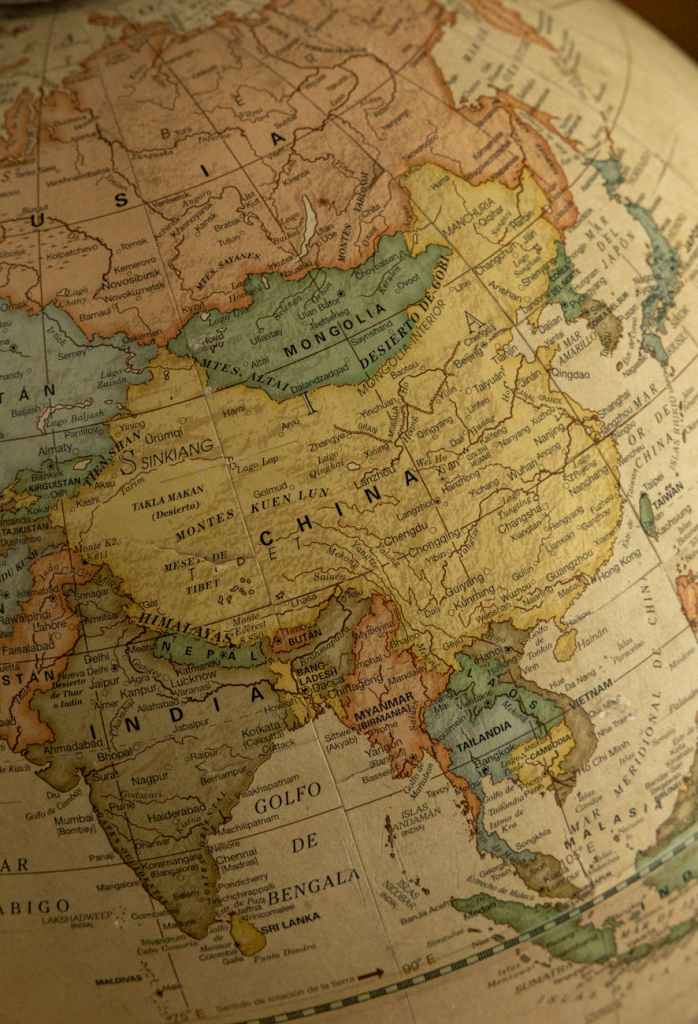
We’ve passed a little time this year discussing the idea of a World Government. In our series which began back in January[1] we looked at the basic idea. Many of the world’s problems, we opined, were transnational: mass migration, climate change and pandemics are only a few. Nation states were no longer big enough to solve these on their own, we said. Or rather, their existence precluded the solutions, in any reasonable time frame, which would permit human survival. We also noted the terrible danger of a World State[2] : that it could quickly engender an tyranny even more terrible than those of Robespierre or Stalin: and this time with no where to escape to at all.

We spent some time discussing the idea both in these pages and with friends and acquaintances. We received some surprising responses. Even some quite hardened nationalists and Europe-bashers thought we had a good idea, but that it was utterly unfeasible in any meaningful time frame. We think that they are probably right. For another trope of these pages has been the depressing tendency of humankind to divide itself in to mutually loathing groups, over issues both large and small. We have looked at the work of thinkers Like Amy Chua , Eric Kaufman and David Ronfeldt{3.4] We looked at studies like the Robbers Cave Experiment [5] which seem to provide the essential psychological underpinning to these writers’ ideas. All of the foregoing made us feel that our sceptics had the point, and that our Big Idea was, if not wrong, then at least hopelessly impracticable.

It is the to the credit of Great Big Ideas that even when wrong, they can point the way to fertile new investigations, if they are catchy enough. No one thinks Henri Pirenne said the last word on Medieval Economics, not Freud on psychiatry. But it was the achievement of these scholars to make their ideas so strong that they challenged further studies, if only because some were so eager to prove them wrong. It is in this spirit that we shall turn to looking at some questions we have raised. Is the Nation State, which has served us so well so far, really constrained ? Can people from different groups and identities not only sink them into a common cause but actually achieve something thereby? These will be some of the the in the months ahead. And while you are waiting, don’t forget: problems like antibiotic resistance, climate change and mass migration will be getting worse.

[1]LSS 1 8 25, 14 1 25 et al

[2] LSS 22 1 25

3 LSS 16 8 20

4 LSS 10 3 21

[5]LSS 1 4 25

#world government #nation state #economics #politics #tribalism #amy chua

Friday Night Danger: The Long Island Iced Tea

And so, gentle readers, after five years of writing about cocktails we come to the one we have always tried to avoid. The Long Island Iced Tea. Why? Because it is so seditiously powerful, the one after which you will be incapable of anything else. Tasting your food . Engaging in serious conversation about Natural Philosophy or the Liberal Arts. Or even asking the waiter the way to the John. And believe us, once you have scanned the recipe(see below, see link) you will see why.

According to that excellent website The Cocktail Society, the Long Island Iced Tea evolved in te United States as a way to conceal the drinking of illicit hootch during Prohibition. “Make it look like Iced Tea,” was the rationale, “the Feds will never spot it for a ringer”. The Society gives a recipe, so we won’t cut across their know-how. But merely to list the ingredients from our own favourite recipe will demonstrate the potential head splitting power of this famous drink. They include 5 alcoholic ingredients; gin, vodka, white rum, tequila and Cointreau. Toppers up include ice, lemon juice and sugar syrup and above all cola, which gives it that iced tea look. And as sharper eyed readers will have already noted, there is no tea in it. Because that’s the whole point

As the Society observes , some smaller cocktails such as martinis may come with a higher alcohol content. But its the sheer volume of the LIIT which enables it to deliver such an enormous punch. And so we say: enjoy, but with caution. Do not attempt to i operate heavy machinery, drive nor attempt to make love any time after, as the results will be inevitably tragic. We had one at lunch yesterday and we are still recovering. Be glad we got this far.

[1]https://cocktail-society.com/recipes/long-island-iced-tea/