Many thanks for all the comments and likes today, mostly on our last post about pollution and the health of children.
We would have loved to have acknowledged them formally. But the gremlins have got into the system and this is one of those days where nothing we can do will lets us acknowledge them Some days we can, most days it won’t let us. So we hope this little extra blog will let all you readers know how much we appreciate your likes and comments.
We will make the world a cleaner, safer place.
THE EDITORIAL BOARD
#clean air #pollution #chidrens health #low traffic zones
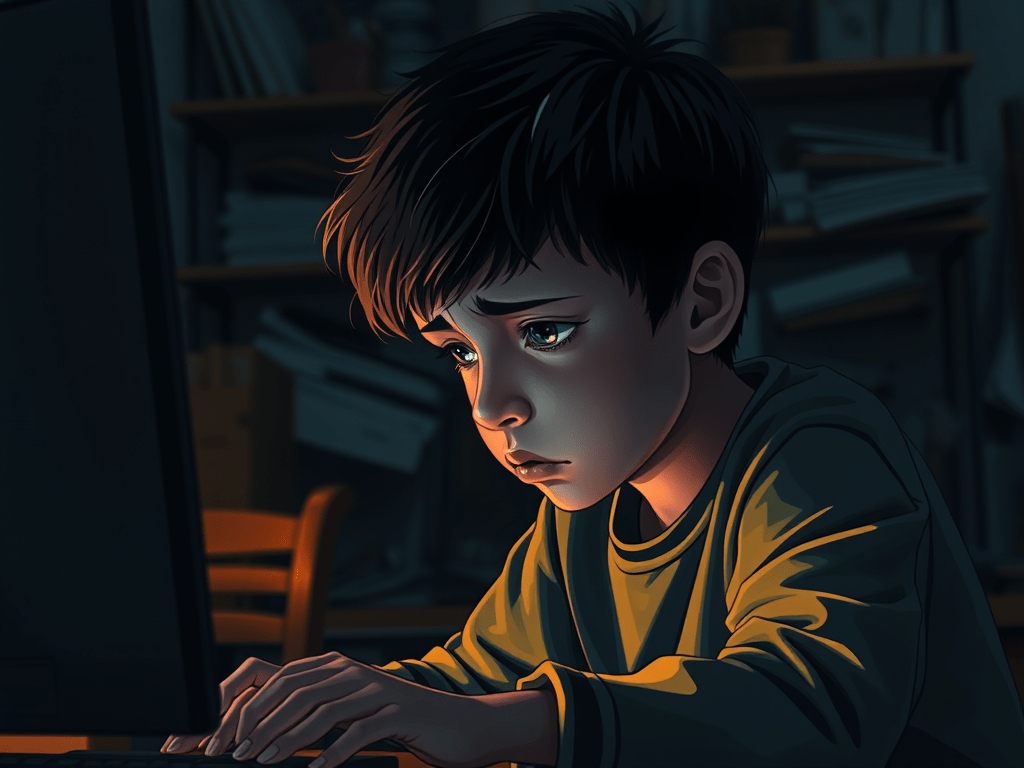
An epidemic of childhood obesity. Lonely, de-socialised children spending endless hours on their phones and computers. Anxiety, depression, anorexia…….it’s every parent’s nightmare scenario and for once everyone agrees it’s true. The solution seems obvious. Let them out to play! To have real fun, burn off a few calories and above all learn the social skills which will last them for life. Sadly it’s not that simple, as every responsible mum knows. Leave aside all the perverts and gangsters( we’ll come to those another day). There is another more terrible monster out there. It’s far more common, far more dangerous and it hasn’t even got the decency to hide in plain sight. It’s called The Car. It runs down children, maiming or killing them. It fills the air with toxic gases and noxious particles both of which represent colossal hazards to childrens’ health and mental development.
Now an exciting new movement called Playing Out [1] has taken the initiative. Incredibly, they hope to reclaim the streets as safe spaces for children to play in Read their mission satement here
Our aim is for playing out near home to be a normal, everyday part of life for all children, as it once was. This means safer, less traffic-dominated streets and more connected communities. It means children having clear permission to play out in the spaces around their homes. It means no ‘No Ball Games’ signs. It means putting children first and protecting their right to play.
It’s already being tried in Leeds, a City in the north of England, and you can read about it here [2]
It is comforting to imagine that children of the future might be saner and healthier than they are now. But it’s also rather hopeful. You see, gentle readers, we at LSS get a bit melancholy about the fact that people are losing faith in their ability to shape their own lives. Which is why they turn from rational progressive parties to charlatans out on the fringes. Yet this movement is not only grass roots, it directly addresses a major issue in everyday lives. Above all it offers agency again, that magic elixir of hope that is essential to a sustainable society. Now, the stories we’ve retold today are about places in England. That’s because we’re based there. But hope can travel. What if you went out and tried something like this for your kids?
The real problem assailing our world is Climate Change, caused by uncontrolled greed for fossil fuels. OK, we at LSS obsess about lack of new anti microbial drugs, and there are lots of wars and things. But, quite simply, climate change will finish with us in the next couple of decades. or at least reduce the survivors to the most pitiable levels of existence. Renewables are making some progress, and nuclear fission is always there, although it’s a fearsome option. But the essential problem for the educated remains. How to provide a cheap clean source of energy so that the ignorant and greedy mass of mankind don’t mind being saved from themselves?
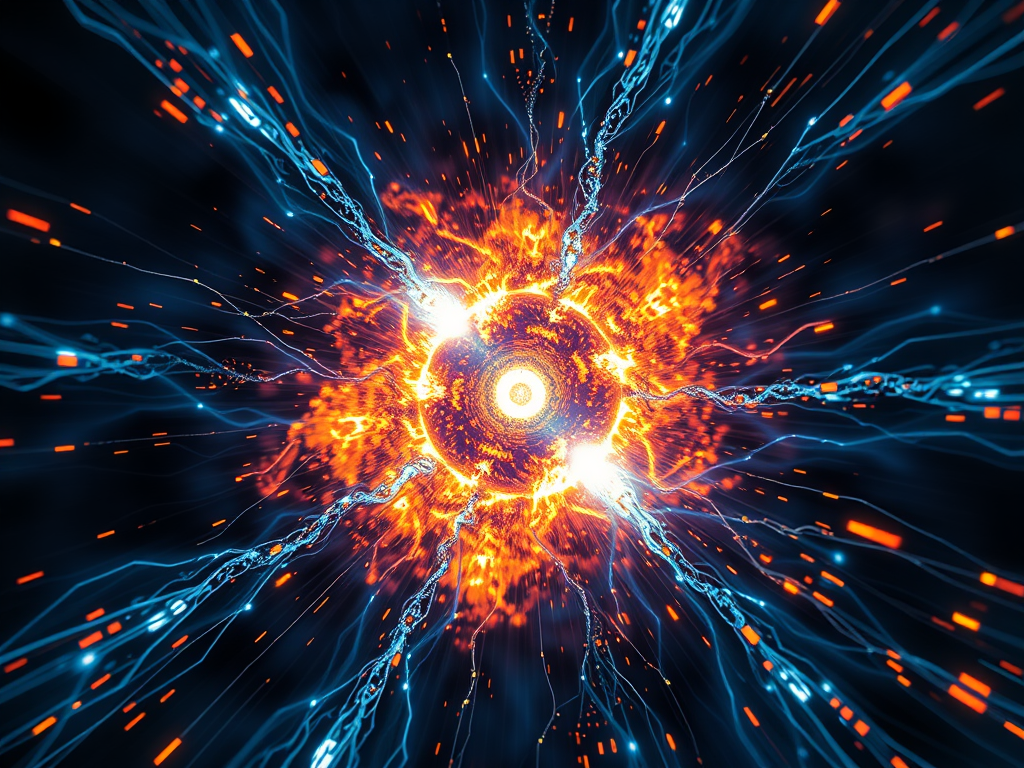
Nuclear fusion has been the dream for decades. Until very recently progress has been nugatory, as we used to report in this blog (LSS passim) This year, however, we are happy to report real progress. In January the magnificent Chinese achieved a world record burn of 1066 seconds(LSS 25 1 25) Now an ingenious team at the WEST reactor in France has smashed that, by achieving 1337 seconds. This link to Victoria Allen of the Mail will give you plenty of keywords to search further if you wish.[1]
It’s all like the world of early aviation around the 1900s isn’t it? When, after the Wright brothers’ breakthrough, people rapidly competed to smash records This time the prize is greater. Non-polluting, non-toxic limitless energy, available to every country. But to push the aviation metaphor further, although it was some years before safe, practicable powered aeroplanes became possible, the best minds got there. Maybe they will do so again.
You , your children and your grandchildren are going to live a lot less than you should have done. That’s the stark message from Andrew Gregory of the Guardian,[1] who has been busy reviewing a major study of life expectancies across 20 European nations. It’s a topic which has concerned us before here(LSS 21 12 21) and not only is it not going away but we think it is a sign of something deeply general going wrong.
The first signs that the old Soviet Union was in real trouble came in the 1970s when astute researches suddenly realised they weren’t returning their annual health figures to the WHO and other bodies. Their economy was no longer delivering, people were going hungry: and you just can’t spin health statistics over the long term. Within a few years the system had fallen in on itself. According to a study by the University of East Anglia the long rise in life expectancy which we have taken for granted for centuries has now stalled. Worried? You should be.
Greece(lashed by cataclysmic economic woes 15 years ago) is second worse. But it is the countries of the UK, one of the most unequal societies in the western world, which are doing worst of all. And we think we know why. Our old friends Richard Wilkinson and Kate Pickett [2] long pointed to inequality as the root causes of many evils such as obesity poor health bad diets over work and chronic illness[2] And -surprise, surprise! These are exactly the factors which the authors cite to be dragging UK statistics so drastically backwards. But can you forgive us one more observation, gentle readers? One country bucking the trend is Norway. Which some readers will recall set up a sovereign wealth fund with their share of North Sea Oil back in the 1980s of the last century.(LSS 6 7 20) While the British in the same years splurged theirs on new cars, shopping, time share villas and an utterly botched programme of de-industrialisation. Here are the consequences.
News that Cambridge-based Life Sciences group EDX Medical has launched very hopeful new test for the terrible scourge of prostate cancer would normally have us gushing for our three full paragraphs. [1] What’s not to like? It’s a marvellous new combination of multi-diagnostic parameters, now carefully integrated by the latest AI technologies. There will be large tests and scrupulous surveys. It’s some of the finest minds we have, putting their talents to the service of humankind, with potentially enormous capacity to improve the quality of life. And yet, tonight, we remain gloomy. Why?
A friend once went on one of those cruise holidays on a huge luxury ship of the sort you see tied up in places like Mallorca or Florida.* This one was indeed sailing west, to Florida from Southampton. At more than twenty five knots. And one morning he saw a child with its toy boat in the swimming pool. The kid was blowing and pushing quite hard and eventually got the little yacht to sail in the direction of the stern of the cruise line. (backwards to us landlubbers) And it occurred to him that, however hard the child pushed, the little yacht was still moving inexorably westwards, carried by the bigger boat it rested on.
There are some extremely intelligent, hard working and good people both at EDX and all over the world. In Universities, in research institutes and in marvellous little start up companies. But they are terribly few in number overall. Because as the world moves into hostile camps, competing now in trade, later in war, the overall course we follow is very different indeed. It seems that the worst elements of mankind- the angry, the stupid, the ignorant- far our number and outgun the EDX types. Write to us if you will dear readers and tell us we may be wrong. But we shall close with these lines from Matthew Arnold, available from the marvellous Poetry Foundation click [2] for full quote:
Ah, love, let us be true
To one another! for the world, which seems
To lie before us like a land of dreams,
So various, so beautiful, so new,
Hath really neither joy, nor love, nor light,
Nor certitude, nor peace, nor help for pain;
And we are here as on a darkling plain
Swept with confused alarms of struggle and flight,
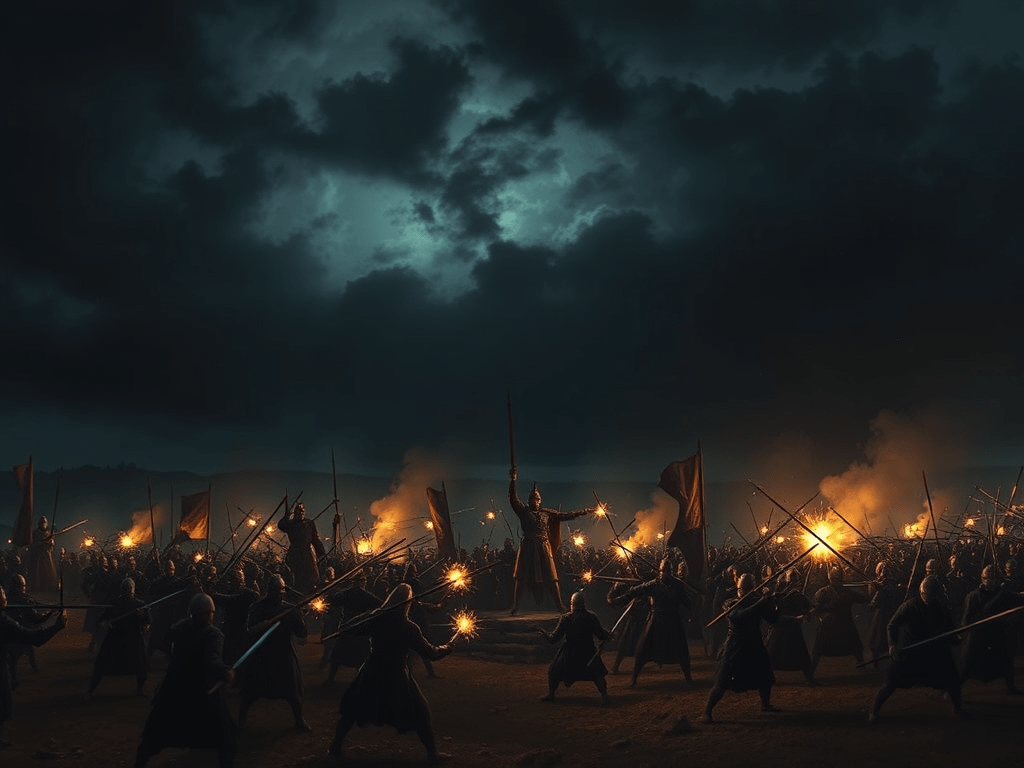
Where ignorant armies clash by night.
way out of our league financially!Plus we get sea sick
No, we are not talking about Keir Starmer. Nor Keir Shave, that well-groomed star of the popular BBC 1 television series The Apprentice. Nor Kier construction, because it’s spelt differently. We are of course referring to Keir Giles the eminent thinker and writer based at London’s Chatham House security institute. [1] By the way, that’s a helluva first name, fella!
We have been following Keir and his thoughts here for some years. Long before the Russian invasion of Ukraine. The link we have posted today is an article in The Financial Times which is a summary of his eponymous book. [2] Yet written in light of recent decisions by the Trump administration, with which we assume our readers are too gloomily familiar. Of course it’s worth a read. Biut essentially it boils down to this. For far too long the Comfortable Classes of Europe have depended on a security guarantee funded by the American taxpayer. Now that taxpayer is growing understandably tired of this, it is time for those nations to look to their own security . And to do this in a timely manner in the face of an expansive, predatory nuclear power with no seeming limit to its ambitions. But further west there is still much foot dragging. One thing is certain. Comfortable life styles based on the constant acquisition of Bright Shiny New Things (BSNT) will have to stop. Or at least get reigned in until people start to learn to live like adults once more. Perhaps that will brake the endless accumulation of rubbish that is poisoning the land and sea. Perhaps the higher taxes we will all have to pay will address some of the hideous inequalities which disfigure our societies. If these things start to make us better people, a little less spoilt, a little less selfish it may even be worth it.
our link to the FT app [2]not only seems to open keir’s article for free you seem to get access to more FT articles. If so, do it: we cannot recommend this essentially intelligent media outlet strongly enough
A few years ago we used to run a series called Friday Night Cocktails. Some said it was frivolous, and only encouraged people in dissipation and debauchery. Yet others liked it. They welcomed it as a lighter distraction form the exhausting work at the cutting edge of Science, Technology, Economics and all the other things, large and small , which is the lot of the LSS Reader.
Sadly, the feature flickered and died. This was not due to unpopularity. Frankly we just ran out of ideas. Even Shakespeare had days when he could not write another line. Even the Spice Girls, titans of intellect that they were, must have had the odd days when the wells of creative genius ran dry. But he have always missed that very special, bon viveur ambience of Friday evening when, after another week of intense labour at the forefront of progress, the urge came to kick over the traces, put on a little light music, and just relax. And so we have decided, on the advice of old friends, tom revive the old spirit in a slightly modified form.
The new feature, FRIDAY NIGHT FEAST OF FUN, will look at all aspects of life from the point of view of the gourmand. What are the best foods to eat? What drinks best partner them? For example would a KFC sharing bucket go better with a 2005 Chateau Lafitte Rothschild or a can of Red Stripe? Who really does make the best pork scratchings? Whatever happened to Newcastle Brown Ale? Of course there will still be cocktails, when these are appropriate. But we believe we have opened the door to a vast new world of experience. It will be like the change from black and white to colour TV. From the Bronze Age to the Iron Age. From referees to VAR From (that’s enough metaphors-ed)
God knows, we don’t like to blow our own trumpet here. The pictures of the Conceited Ape and the Man Blowing His Own Trumpet (both generated with AI) are entirely coincidental. But attentive readers may have noticed how we have been pushing the dangers of the Smoot-Hawley Tariff of 1930 and its parallels to the policies of Mr Donald Trump (at the time of writing his title is still Mr) .
Now the admirable Larry Elliott of the Guardian has got in on the act [1] We’ve often repeated his thoughts on these pages. And this time he goes further, suggesting it is a sign of American weakness, not strength. Well worth a read over your morning latte, we think As for us, we hope that is the last we see of Messrs Smoot and Hawley and their execrable tariff.
But before we go here are a few final thoughts
1 You read it here first
2 Most historians and economists think Smoot Hawley was a major step in the road to World War 2
3 Despite what nostalgists tell you, wars aren’t all chirpy cockneys singing jolly songs in Underground Stations. Ask them in Ukraine if you don’t believe us.
4 A nation may claim the right to act entirely in its own interest, without regard to others. Fair enough. But by the same logic does an individual have the right to sell Class A drugs such as heroin, if he can make money thereby?
One of the great achievements that we progressives can still chalk up is the gradual elimination of smoking. Ok it’s still out there. But in western countries it’s in steep decline, and cases of lung cancer were falling accordingly. Or so it seemed. But since about 2020 it seems to be on the rise again. Among non smokers. Among women non-smokers in fact. Odd, isn’t it? The reasons are discussed by Dr Pinar Oysal Ongoner of the prestigious University of Westminster[2] *for the Conversation.[1] She is particularly interested in the rise in adenocarcinoma. The cause ? It looks as if air pollution is a strong candidate, with a strong pointer to our old friend PM2.5 which is spewed out daily by millions of cars, lorries taxis and vans. Clean air zones, anyone?
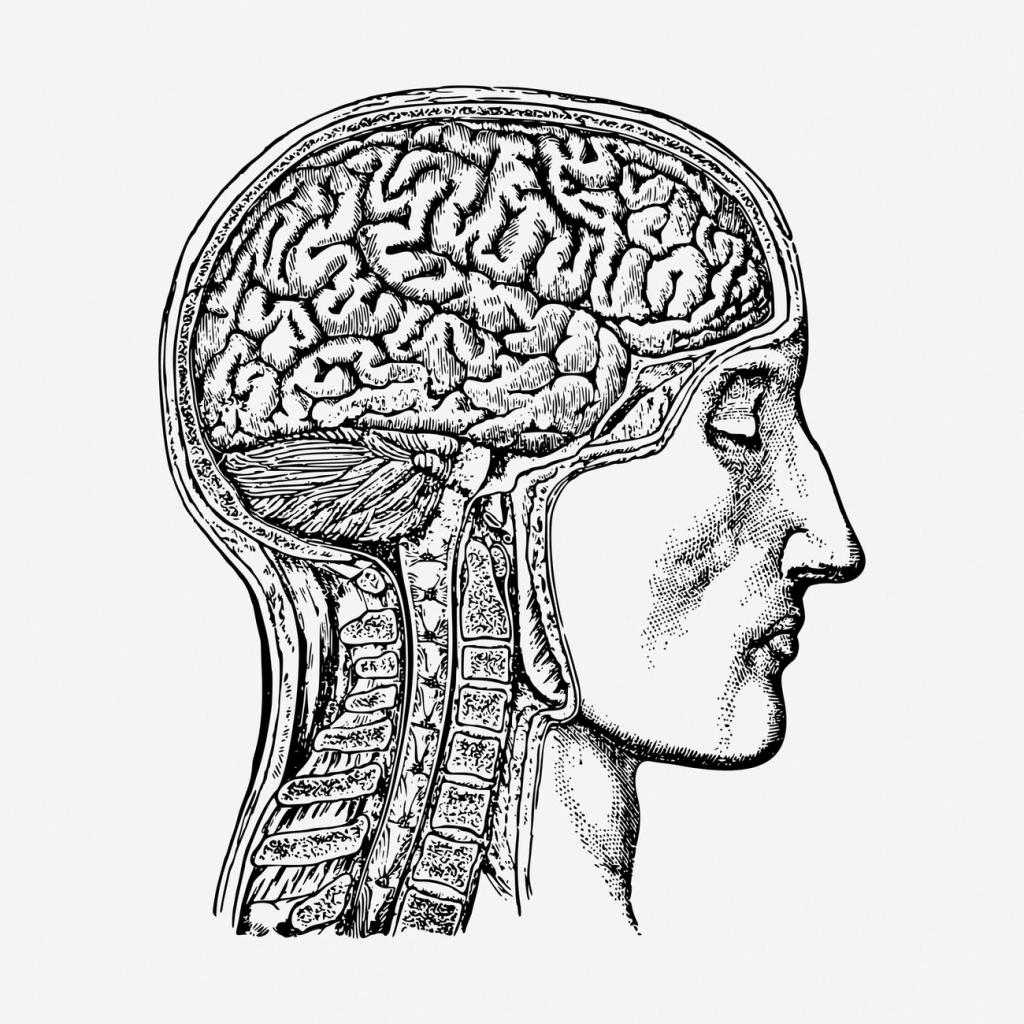
As if one pollution story wasn’t bad enough, here’s another that may be worse. Ten years ago the idea of plastic micropollution getting into the brain was either ignored or scoffed at. Now we know better: Our Brains are full of plastic bits from Nature Briefings
Toxicologist Matthew Campen estimates that he can isolate about 10 grams of microplastics from a donated human brain; that’s about the weight of an unused crayon. Scientists are scrambling to understand how these tiny fragments, which have been found in every recess of our planet and our bodies, affect our health. They need clear data to communicate potential risks to policymakers, and with plastic production reaching new highs every year, they’re in a race against time. “It’s very scary to think the concentration of plastics in my brain will go up several percentage points before we have answers,” says Campen.Nature | 11 min read
A whole crayon’s worth of plastic in your brain? isn’t that, like, rather a lot? It took decades to discover the link between tobacco and lung cancer. And many more to overcome the vested interests and start saving lives. At that rate, how soon are we going to cope with this new plastic threat?
*The University of Westminster is not only famed for its academic excellence but also for the production of graduates of outstanding charm, good looks and modesty. Well, Postgraduates, actually
Cancer is the great unspoken truth running through our civilisation. Everyone knows someone who has it. Most people know someone who has died of it. The statistics suggest one in two of us will develop it in one form or another. When strangers discover that we run a science blog it isn’t long before cancer cures edge into the conversation. Everyone deep down wonders “will it happen to me?” You do, don’t you?
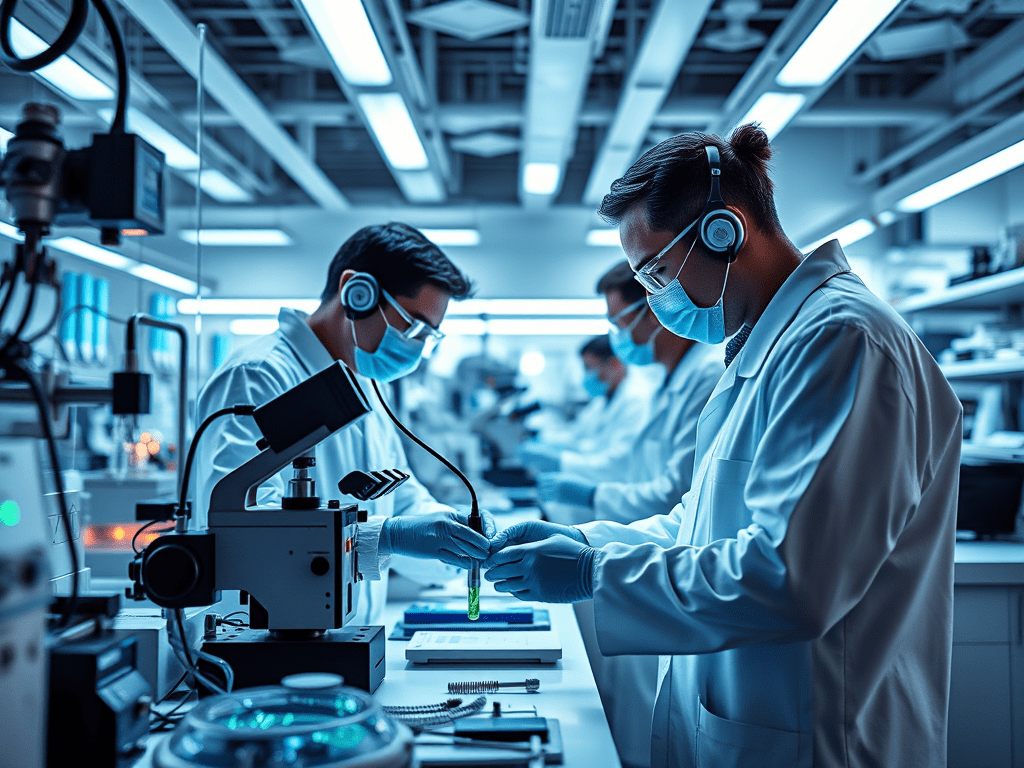
Which is why it gets a lot of coverage, and fresh discoveries always make the news. Following Ellyn Lapointe for the Mail [1] and the Korean owned Medical Life Sciences News,[2] we showcase the work of the brilliant Professor Kwang-Hyun Cho of the Korean Advanced Institute of Science and Technology. Instead of painful drawn-out chemical treatments it looks to cure cancer by manipulating the biochemical mechanisms of the cell. Admirable, and you can read more by following the links. But for us, for today, that is not the point.
Look again. The Korean Advanced Institute of Science and Technology. Turns out it’s state owned. Paid for by taxes, Its at the centre of an ecosystem of research institutes, university departments, private companies and assorted government and non-government organisations whose collective wisdom and output is far more than the sum of its parts. It’s not so much arriving at another cure for cancer that is important for us today. It is because this cure is part of a rolling programme of research and discovery that throws up such discoveries as it goes along. Creating a thriving centre of excellence and high value jobs.
The view taken by most people in the UK is that taxes are evil things. The State is an evil parasite holding back economic growth and thereby progress. But isn’t our story today prime evidence that the opposite is the case?















 Learning, Science and Society