The Antibiotics story: Nature Briefings gives a masterful guide to the state of progress

Despite all the other stories we link to here, the main theme of this blog has always been antibiotics and how the growing shortage of them will kill us all, our children and our children’s children. Well quite a lot of them. to say nothing of our cats, dogs and other pets. So we bring you stories in dribs and drabs, a step forward here, a step back there, and so it goes.

What we have wanted for some time is a really good summary of where we are now, and what the future may look like. Fortunately Nature, via its superb science news feed Nature Briefings, edited by the incomparable Flora Graham, has provided just that Let’s start with the summary from Briefings

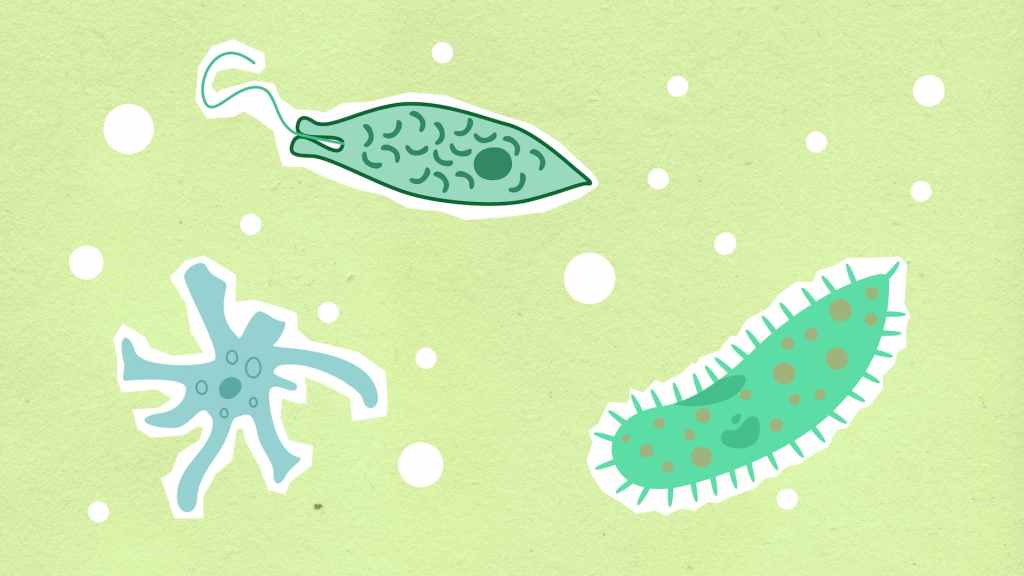
Natural products made by bacteria, small molecules discovered with the help of AI and immune-boosting drugs are just some of the strategies researchers are investigating as new ways to fight bacteria that are increasingly resistant to existing antibiotics. Most conventional antibiotics approved in recent years are simply variants of a known class and can be used for just a few years before resistance emerges. Scientists are turning to new strategies to head off what some are warning could be pandemic caused by once-treatable infections. “We have to run in order to stay in place,” says microbiologist Kim Lewis.Nature | 10 min read

Are you going to click on the link? Because we are-and will read it avidly Because there, in a single, ultra high integrity piece, you will learn about:

-the innovation gap which is slowing the development of new compounds

-how natural products could be employed to widen our available options

-how AI could be used to sharpen research and design

and many other intriguing ways that we could yet overcome this crisis in our affairs. It offers hope, gentle readers. Not only that-maybe you won’t have to read this blog again for six months!

#antibiotics #microbiology #bacteria #antibiotic resistance #medicine #health
Birds and Gonorrhoea: antibiotic resistance grows

We have two intriguing stories today which suggest a worrying trend in antibiotic resistance, It’s upward, and both suggest scenarios which may be difficult to control.

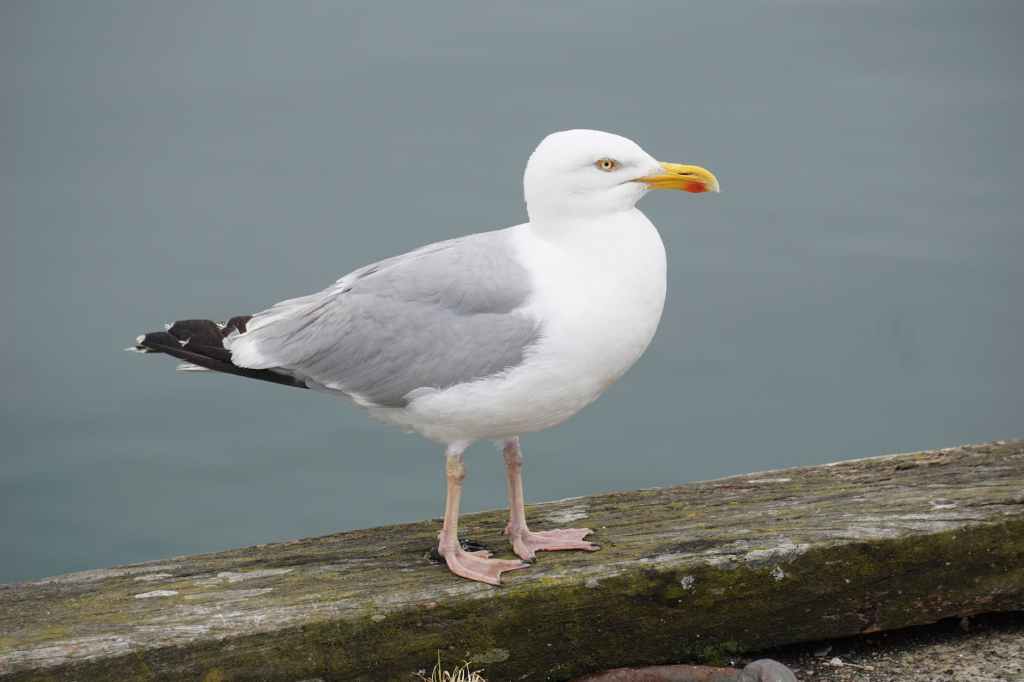
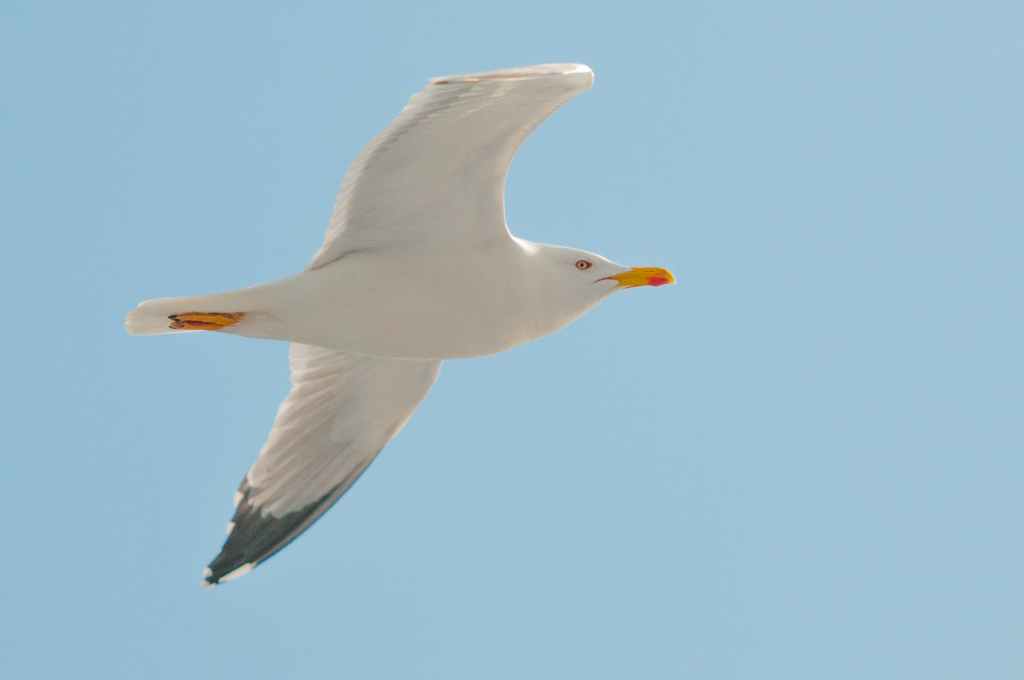
The first, by the indefatigable Nicola Davis of the Guardian,[1]suggests that urban birds, such as gulls, crows and so on may be harbouring pools of deeply resistant bacteria, particularly of the Campylobacter variety. Now, we confess that these are two of our favourite species. We love the soaring and swooping flights of our local herring gulls, and marvel at the tough resourceful intelligence of the Corvidae family. But unfortunately these creatures are forced to live in contact with our waste sites and outfalls as the only way to make a living. Which brings them into contact with things like farm waste, which as attentive readers of this blog will recall, is stuffed with antibiotics and the bacteria which have become resistant to them. Why are we worried? Well, birds fly around a lot, don’t they? Especially into things like chicken runs, goose farms and the like. The risk that the resistant strains may not only spread, but enter our food chains, becomes correspondingly high. One to watch, we think.

We’ve mentioned our fears about STDs and antibiotic resistance before on this site. Unfortunately, these qualms seem justified, according to Andrew Rogers of the BBC. [2]The UK Health Security Agency, a pretty reputable bunch, report a rise in cases of gonorrhoea which seem to be resistant to that otherwise excellent antibiotic ceftriaxone, which up to now has been the go-to drug of choice for this ailment. And why the worry? Well, people can’t seem to stop doing it, wherever, whenever, however. Such regrettable behaviour has certainly contributed to the recent upswing in Mpox.[3]And the more worldly-wise among our readers will recall how many other pandemics have spread through what might be politely termed, er, close physical contact.

We don’t wish to plunge you too far into disquiet, gentle readers. Certain lines of feedback suggest we may go a little far in that direction, sometimes. But these are stories that suggest a worrying trend, certainly. Ironic if they turned out to be more important in the long run than the problems which seem to concern our current leaders, and many of their followers.

[1]https://www.theguardian.com/environment/article/2024/aug/13/urban-birds-are-teeming-with-antibiotic-resistant-bacteria-study-finds

[2] https://www.bbc.co.uk/news/articles/ceq5j784n7go

[3]https://www.bbc.co.uk/news/articles/c0e84jw9qdjo

#antibiotic resistance #health #birds ##gonorrhoea #UKHSA #medicine

Waves of hope, waves of despair-yes, it’s another round up of top stories!

We hope you like the headline, good job WH Auden never got there first! Now, to business: our round up this week is a mix of stories, some designed to comfort the afflicted (“HOPE”) and others designed to afflict the comfortable (“DESPAIR”) So, without further ado, let’s set off on our journey of discovery!

HOPE: Smart Insulin We have always sympathised with diabetes sufferers who must depend for life itself on regular injections. Imagine if these were replaced with a smart insulin molecule that “knew” to kick in exactly when it was needed! Well, that day may dawn quite soon:

https://www.dailymail.co.uk/news/article-13733337/Scientists-uncover-holy-grail-insulin-adapts-diabetics-changing-blood-sugar-levels-real-time-inject-week.html

DESPAIR: Antagonistic antibiotics We have always hymned the praises of antibiotics. But we are also a fair and balanced lot (we would be thrown out of the Whig Party if we weren’t) and we candidly admit that there may be circumstances in which the prescription of antibiotics can produce unwelcome effects.

https://www.dailymail.co.uk/health/article-13724201/antibiotics-rash-life-threatening-Britons.html

HOPE: Solar Power everywhere. Last year a prominent member of the Editorial Board had Solar panels installed. And remarkable they have proved. But every technology is only as good as the year it’s made in. What if you could develop a new type which you could coat onto everything-the car, your anorak, the garden wall? Scientists at Oxford University may have done just that:

https://www.ox.ac.uk/news/2024-08-09-solar-energy-breakthrough-could-reduce-need-solar-farms

thanks to P Seymour

DESPAIR: Microbes Mutate in the Microwave We keep a pretty clean microwave round here-and rightly so. All those nasty little stains contain microbes-and it looks as if some of them can mutate to survive the radiation beams. If they can do it a microwave oven then, they can do it in the presence of antibiotics or bacteriophages too. Depressing.

https://www.dailymail.co.uk/sciencetech/article-13719161/germs-lurking-microwave-Radiation-resistant.html

HOPE Fusion Spin Offs before there is fusion One of our core beliefs is that learning generates learning. Discoveries in one area can have amazing spin offs in others. So, with a certain pride, we finish with this piece which suggests that all the herculean efforts to develop nuclear fusion technologies have not been in vain. We may not get the power until the late thirties-but there are already amazing benefits in everything from health to green energy. Next time some genius suggests cutting taxes, ask them if it will affect the University sector.

https://www.theguardian.com/science/article/2024/aug/11/nuclear-fusion-research-tae-power-solutions-cancer-propulsion?CMP=Share_iOSApp_Other

And finally: this thought from the late great Arthur C Clarke, who noted that there must be intelligent life elsewhere in the Universe: proof of this comes in the fact that they have never visited us on this planet.

#microorganisms #solar power #climate change #antibiotics #arthur c clarke

In praise of the Limoncello Spritz

Today we are going to praise a great Italian export. Not stylish cars, nor sharp suits. Nor even pasta or Renaissance Art. No, we are going to go with the Limoncello Spritz, a delightful cool, sparkling drink that will gladden many a warm summer evening.

And it’s so easy to make! Just a bit of ice, a little prosecco or other white sparkler, soda water (all really cold by the way) and of course the delightful, but fearsomely powerful liqueur which the Italians call Limoncello (yup, they really do make it from lemons), There are many good sites on the interweb for recipes and background info: we have chosen this one from sip and feast- we liked their bright, breezy style which perfectly captures the feel of this cocktail [1]

We could cite many reasons for this evening’s recommendation. The advice of seasoned travellers (before this year our experience on the Italian peninsula was effectively zero).The simplicity and authenticity of the drink (apparently they all love it over there) But we freely confess that our recommendation is based on our time in a certain hotel in Rome, close to the famous Baths of Diocletian and Maxentius. For there we could sit at an elegant marble bar, shelves and accessories all blended to match, while equally elegant and well-dressed waiters served up the hooch with that friendly charm for which Italians are famous. While outside the picture windows, the busy life of Rome slipped by, all Armani suits, motor scooters and noisy families. Rushes from Fellini, we wondered?: or passages from Calvino?

Italy has contributed more than almost any other country to human advancement and progress: dare we add the Limoncello Spritz to the illustrious roll-call of their achievements?

[1]https://www.sipandfeast.com/limoncello-spritz/

limoncello spritz #cocktail #italy #rome

Antibiotics: the last line of defence has just failed

Amid all the talk of riots, of Mr Trump and the Olympics, a deadly killer has evolved. Quietly, stealthily it has begun to take its toll. And like an army that suddenly realises it has run out of ammunition, Doctors may have nothing to check its advance.

Because a certain strain of Klebsiella bacterium, called hvKvs123 has now become resistant to carbapenems, the last type of antibiotic known to be effective against it. We can’t do better than to urge you to click on this story by the ingenious John Ely of the Mail whose explanations and graphics are of the first order.[1] But we can fillet out a few facts from it which convey the true gravity of the situation we now confront. Firstly, the new strain has been found in over 17 countries,many of them poor and overcrowded, which are ideal conditions in which it will spread. Figures from the UK suggest that its resistant capacity is rising very fast indeed, from 13.5% in 2018 to 17.4% now. While cases of resistance have leapt from 9 802 to a 11823 (to put that in perspective road deaths were only 1, 711) Finally, Klebsiella is responsible for up to 30% of cases of pneumonia. It could be an interesting winter, especially for those of us who are too poor or to hungry to heat our homes.

Is this the start of the next pandemic? Old LSS hands will know that we are always pushing the antibiotics trope here. But we are the first to admit that it’s not the only possible cause. However, two things worry us today. The near total breakdown of carbapenems and the fact there is now no substitute means that we will be fighting this pandemic always from one step behind. Secondly, that Klebsiella is such a common organism, thriving in places like the respiratory tract from which it can disperse easily. These two features alone put it will up on the starting grid for next-pandemic candidates. And one thing you can be sure of, gentle reader. That pandemic will come. Soon.

[1]https://www.dailymail.co.uk/health/article-13714121/superbug-16-countries-klebsiella-pneumoniae-antibiotic-resistance.html

[2] https://en.wikipedia.org/wiki/Klebsiella

#pandemic #antibiotic resistance #olympics #donald trump

The Rubber Economy is back-and it’s gold

During the Second World War, a wag once remarked that the British Economy was like rubber, stretching itself in more and more directions to meet the efforts of arms production, food and all the other urgent requirements of the time. Economic historians record Herculean efforts at production. And equally ingenious efforts to scrimp, save and recycle to ensure that nothing useful was wasted. It was a long time ago, but could we still learn something from those days?

Britain’s Royal Mint thinks so. There job is to make all our coins, which they have been doing for hundreds of years. Some are made of gold ; and as they have astutely noted, the price of that metal has been soaring in recent years. Where to get more? Well something else has been soaring: the amount of high tech rubbish we all throw away so heedlessly. (not YOU, gentle reader: everyone else) Mobile phones, computers, entertainment systems of all kinds. Billions of items, thousands of tonnes. Well there may be a lot of gold in it, at concentrations higher than the ores processed by all those rugged manly chaps out in the mines and factories. And as Rebecca Morelle and Alison Francis report for the BBC the Royal Mint is now starting to mine it for gold, big time and turning the shiny stuff into lovely coins. How’s that for recycling. How’s that for a thoughtful use of resources in difficult times.

And the moral in all this? We in the LSS community (and the educated community more widely) are still members of the human family. It’s just that certain members of our family are highly unhappy, emotionally disturbed and not very nice. And this unhappiness comes out in things like drinking, violent emotional outbursts, riots, wars and things. But a family is a family. And the quieter sensible members get on because they have to. Inventing new technologies. Discovering new facts. Clearing up the mess. And we will continue to do so, until our day comes.

Question: How come Newsround had this in March and Big news didn’t get it until August? We don’t know either

[1]https://www.bbc.co.uk/news/articles/c6p2k11e41po

[2]https://www.bbc.co.uk/newsround/58971402

#gold #royal mint #recycling #waste #e waste

British Riots: We can’t do better than this article by Richard Fern

Foreign readers must be reeling in disbelief to see the home of Democracy (or at least representative government) and the bastion of law and order dissolving into ugly, uncontrollable race riots. Why? The whole business of tribalism, status anxiety, hierarchy and downright anger are themes we’ve tried to cover before on these humble pages (most recently LSS 12 7 24) But: we admit that somehow we have never quite got to then heart of the subject. Never quite captured its essence. Certainly not as well as Richard Fern of Swansea University, whose article for the Conversation is at once succinct and insightful. [1]

Richard points out how online trolls and agitators are adept at tapping into the deep pools of anger and resentment felt by many. As we have observed before in these pages, these feelings are rooted in a sense of helplessness, loss, bewilderment, powerlessness and a lack of any credible model of a better future. Attempts to counter such posts with rational facts are thereby useless. In this species, emotion will always blot out reason. At this moment, media attention is centred on irate white males. But by our logic, many ethnic and religious groups will also experience this disastrous syndrome.

And disastrous it will be. A reversion to a world of jealously polices ethnic rivalries will be neither stable nor happy. The histories of Northern Ireland, South Africa and Israel should be testament sufficient of that. Economic outcomes must be suboptimal, as each nation looks for autarky, breaking Adam Smith‘s prime rule of specialisation and free trade. Unless ways are found to prize openness and liberty over exclusivity, the future looks dark indeed.

#adam smith #autarky #race riot #anxiety #tribalism #southport

Discoveries at the root of life

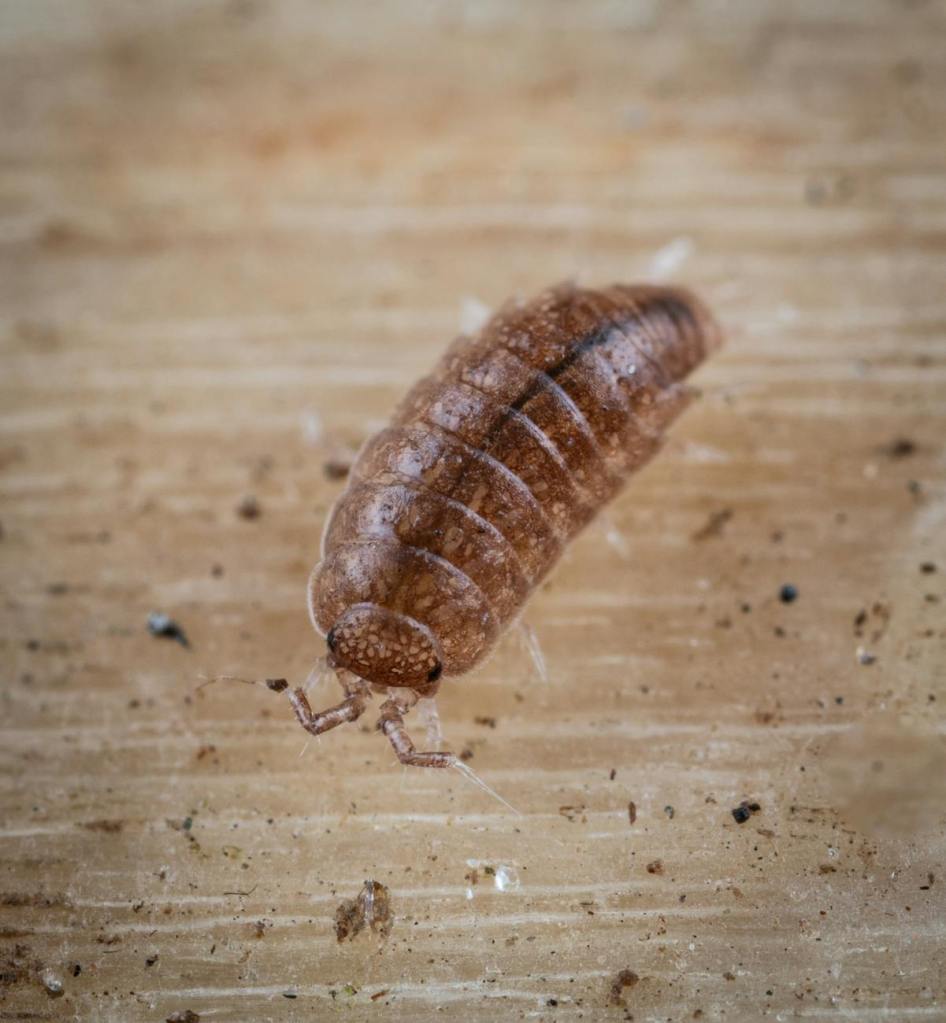
Looking at the vast range of living creatures today makes us gasp at their diversity. From giant whales to tiny insects, and every imaginable variation in between. We know, from studies like genetics, embryology and fossils that all came from a single form. And that form had sufficient potential, enough plasticity in its DNA to slowly morph into every animal that has ever lived. What that earliest animal looked like, we can only conjecture, at the current state of knowledge. But there must have been quite an early diversification into creatures that at least represented the first members of the great phylae of animals. The first arthropod, the first vertebrate, the first mollusc ,nematode, and so on.

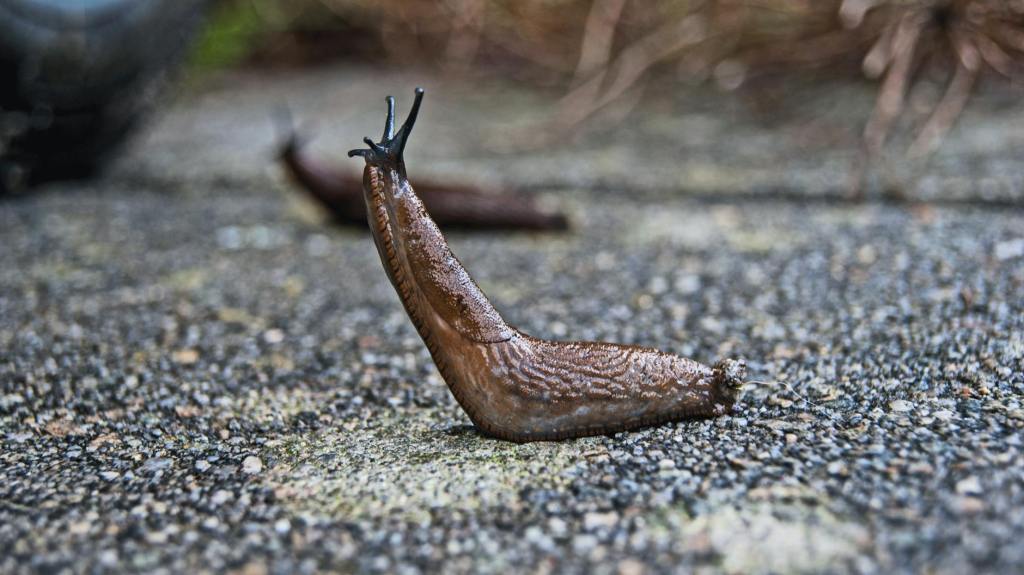
Two recent discoveries give us an exciting picture of what two of those may have been like: the first arthropod (ancestor of insects, spiders, shrimps, scorpions etc) And the first mollusc (ancestor to the amazing world of slugs, snails, clams and cephalopods). Researchers at Durham University have used advanced microscopical techniques to look at a tiny fossil [1] named Youti yuanshi which lived in what is now Yunnan about 520 million years ago. Details of its internal organs suggest it is close to the ancestors of all those jointy, segmented arthropods, probably the most successful and diverse group of animals on the planet. And not to be outdone, the molluscs have come up with their own Ur-ancestor, called Shishania aculeata, a kind of spiny slug which lived at around the same time. [2]

We will leave you to explore the details in the links which we have provided. We hope you will jump off from these to find out more. We will marvel at the skills and techniques of scientists who wring so much fresh learning from intricate new techniques. And above all at the window provided to the lives simple creatures in a warm sea half a billion years ago, who stood at the start of so much life.

[1]https://phys.org/news/2024-07-million-year-worm-fossil-mystery.html

[2]https://www.msn.com/en-gb/news/world/half-a-billion-year-old-spiny-slug-reveals-the-origins-of-molluscs/ar-BB1r2wNG?ocid=msedgntp&pc=HCTS&cvid=d0f78bd5cd7

#genetics #embryology #evolution #arthropod #mollusc #yunnan

A Round-up of Hope: Cancer,antibiotics, green energy and life on the red planet

A few science and health stories which prove there are still few intelligent people out there working for the common good

Mouth Bacteria may protect against cancer To beat cancer we need to think laterally at times, and take bits of luck when they come from unexpected discoveries. According to Xantha Leatham of the Mail, Scientists at London’s prestigious St Thomas Hospital may have done just that. It looks like the organism Fusobacterium may protect against certain types of neck cancer. We love these serendipitous discoveries by lab scientists-real shades of Alexander Fleming!

https://www.dailymail.co.uk/health/article-13676291/Common-mouth-bacteria-melts-cancer-scientists-explain-patients-better-survival-odds.html

Antibiotics for sepsis We scraped this straight from Nature Briefings, that most worthy source of scientific information Definitely a sign of progress, we think:

A method to quickly identify the bacteria involved in life-threatening sepsis — and which antibiotics will kill them— could save patient lives. Key to saving precious time are magnetic nanoparticles with bacteria-capturing molecules. They fish out the usually tiny number of microbes from a blood sample, so testers don’t need to wait for the bacteria to grow and multiply. “I think that this technology can be in one box within three years, and… within four years, it can be in the clinic,” says bioengineer and study co-author Sunghoon Kwon.Nature Podcast | 35 min listen
Subscribe to the Nature Podcast on Apple PodcastsSpotify or YouTube Music, or use the RSS feed.

EU powers ahead on renewables Like other big power blocks such as India and China, the EU is rapidly achieving crossover on renewable energy generation, as this article by Ajit Naranjan for the Guardian makes clear. Smaller countries like the UK are doing well too. That’s the way the whole world is moving. And therein lies our real problem with Mr Donald Trump. “Drill, baby drill!” is a policy based on the psychology of nostalgia, not science. One day it will have to be reversed. At what cost?

https://www.theguardian.com/environment/article/2024/jul/30/renewables-overtake-fossil-fuels-to-provide-30-of-eu-electricity

Life on Mars? Well David Bowie’s eponymous song was a long time ago. But not so long as these billions-of-year-old spots discovered by the Perseverance rover at Mars’ Neretva Vallis formation. Were they alive? Scientists are being very cautious, as Ian Sample explains for the Guardian. But when Bowie released his ditty back in 1971, it was almost heresy to suggest life anywhere in our star system. Now Mars, Europa, and Enceladus head a list of real hopefuls. Wahttps://www.theguardian.com/science/article/2024/jul/26/nasa-rover-discovery-hints-at-ancient-microbial-life-on-marstch this space, as they say.

Well, we won’t be rounding up every week. But every so often we hope to bring you these little clutches of news which show our side is still out there-and keeping busy.

#cancer #fusobacterium #sepsis #antibiotics #reneables #global warming #donald trump #mars #astrobiology #david bowie

Thanks for all the likes to that (slightly peevish) last post

Well…..we weren’t expecting that. After publishing out last little post Six Mysteries which could do us all in, or whatever, we had our doubts. Was the tone all a bit …..admonitory? A bit peevish, like someone who had risen too early and really wanted to go back to bed. Too late! And we set off on our little rounds, you know, shopping, a few scaffolders to chase up, that sort of thing.

Imagine thereby our surprise at the flood of warm and approving comments we got, not only from the usual sources, however welcome the latter are. Many of you who put out serious multimedia websites in far-away America, on any number of serious subjects, took time to notice this one.

We must have got something right. Maybe our species really does need to stop trying so hard, and to think a bit more.

Anyway, as the say in the readers letters columns in the Financial Times Saturday magazine : “Keep ’em coming” We were quite impressed by some of your sites and blogs. Keep them coming too. We few, we happy few, may yet make a difference

THE EDITORIAL BOARD