Photo by MART PRODUCTION on Pexels.comPhoto by u0410u043bu0435u0441u044c u0423u0441u0446u0456u043du0430u045e on Pexels.com
We don’t often blow our own trumpet here. Modesty is out style, and humility our method (really?-ed) So on those occasions when we actually do give you a hot tip, and it is confirmed by the respected wisdom of others, we feel the right to point to our own chest and cough: quietly, but with a certain calm sense of rectitude, A prophet honoured and all that.
In this case the tip was for that brilliant podcast Narco Warriors(LSS 3 2 26), which narrates the saga of the war on illegal drugs from the testimonies of first hand witnesses and participants [1] And the independent verification has come from the Radio Times no less. Which just happens to be the UK’s foremost source of TV radio and all other media listings.[2] There’s confirmation of our judgement if ever you needed it.
So without further ado, set the dial on your laptop, or whatever you do and take in another episode from veteran journalist Lindsay Charlton and his team of brilliant participants, researchers, designers and whoever makes the tea. As for ourselves , we will humbly paraphrase the words of the late great Elvis Presley “If you’re looking for prognostic acumen, you’ve come to the right place”
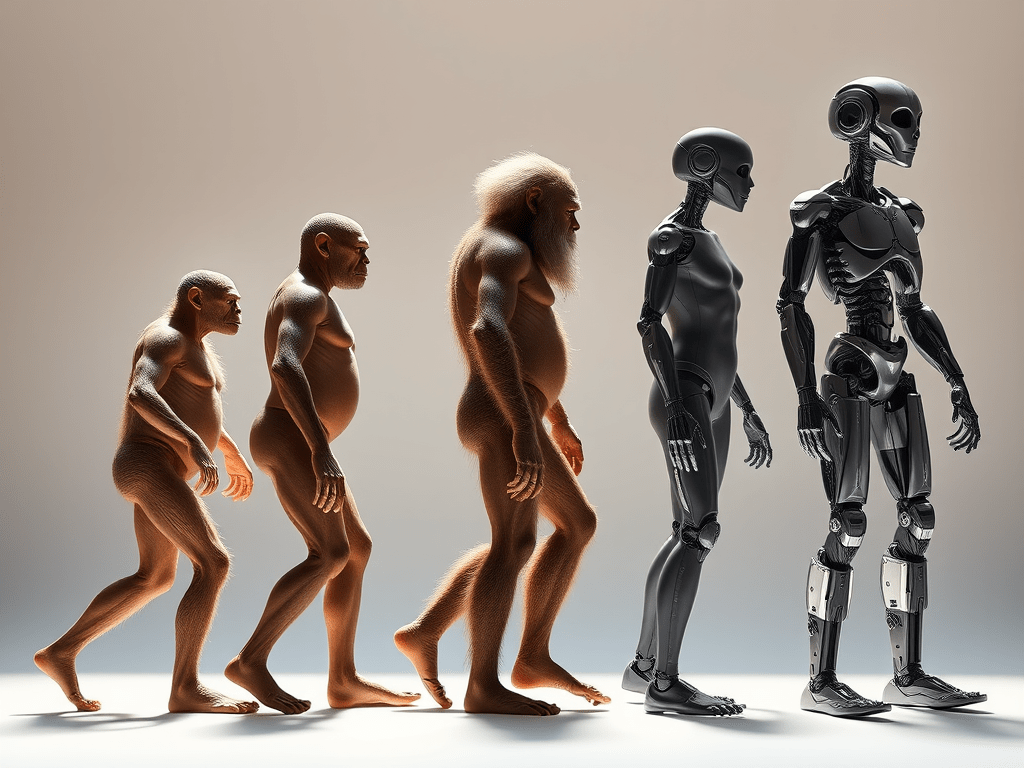
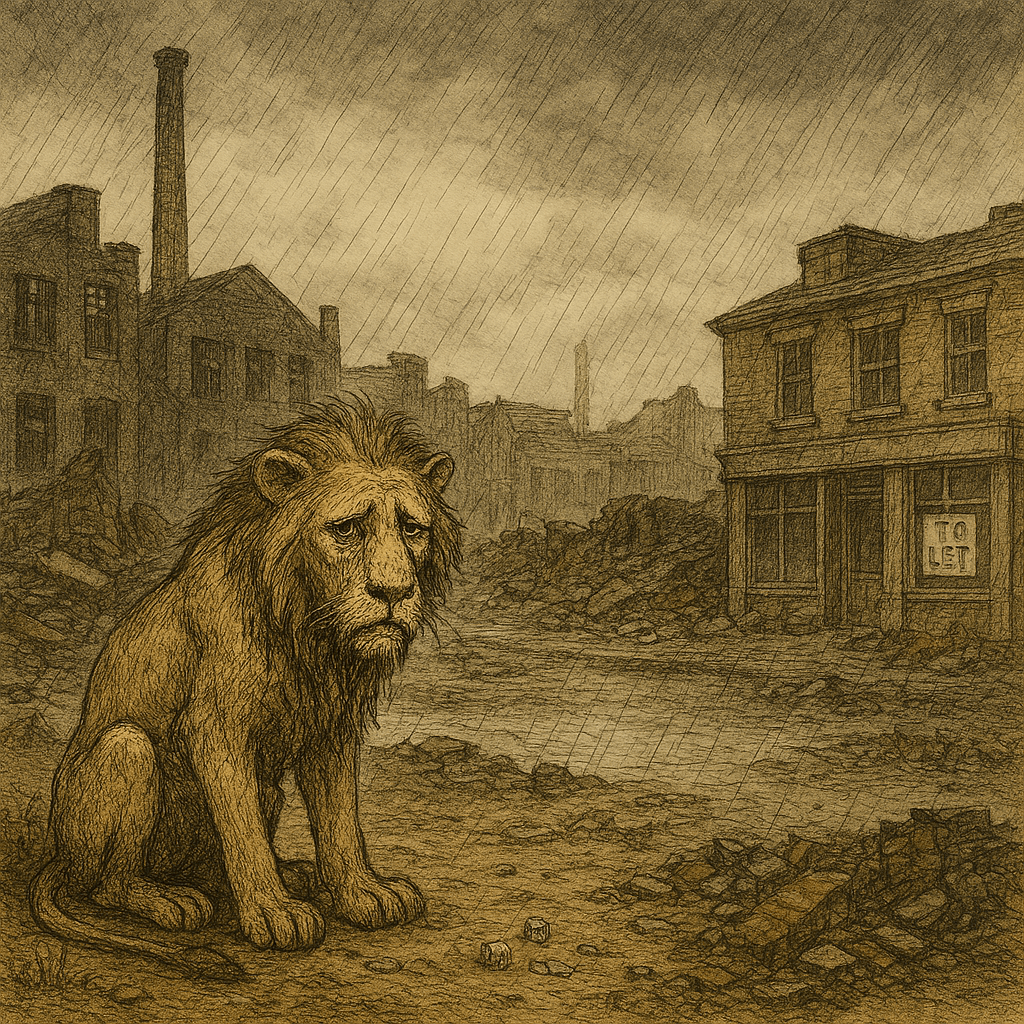
The following is a specimen answer to a History examination question set for GCSE students of the species Homo emergens in the year 2126 (year 76 NSE of the New Species Epoch)
Discuss the extinction of our predecessor species Homo sapiens in the middle of the 21st century and its replacement by Homo emergens
The factors that led to the downfall Homo sapiens, sometimes called humans, were in fact biological. Their cognitive capacities were no longer able to match the complexity of the world which their own technology had created.
Homo sapiens emerged from a group of similar hominin species such as Homo erectus and Neanderthals. It had evolved a brain structure which gave it an edge in cognitive reasoning. This allowed it not only to drive its competitor hominins to extinction: it allowed it to become, briefly, the biologically and ecologically dominant life form on this planet. And to form huge interconnected networks of information, trade and energy exchange called “cities”. Yet the brains of these creatures had not evolved beyond those of their ancestors. Who were adapted for survival in small hostile competing groups. The neurological architecture which had been so adaptive for that period was utterly inadequate for the complicated world which had been created in the last century of their existence. These cognitive inadequacies included confirmation bias, the sunk cost fallacy, motivated reasoning and a tendency to divide quickly into mutually jealous hostile groups. The primitive institutions which this species evolved were therefore plagued by short term bias, institutional inertia and deep patterns of hierarchical loyalty which left them unable to adapt to the rapidly changing complexities in which they operated. And none of these cognitive failures could be overcome, because they were part of the inherited biological adaptations of the species.
Thus the complications of the late human era such as climate change, Artificial Intelligence and disease pandemics represented a new environment to which this species could no longer adapt. Instead of solutions they caused economic decline, political polarisation and eventually The Great Final War of 2046. The massive falls in human population and its reduction to technological impotence provided the ecological niche into which our own species, Homo emergens, was able to move. Our current thriving is due to the same superior intellectual capacity which had allowed H sapiens to exterminate Homo erectus: as it in turn had done to the preceding Australopithecines. It is a mark of our intelligence that we have not exterminated our own predecessors but have confined their remnants to zoological parks where they may continue to be objects of scientific study and public amusement. Their fate shows that no species can survive if it is not well adapted to its environment: a lesson our own would do well to learn.
Photo by Aleksandr Neplokhov on Pexels.comPhoto by Martin Damboldt on Pexels.com
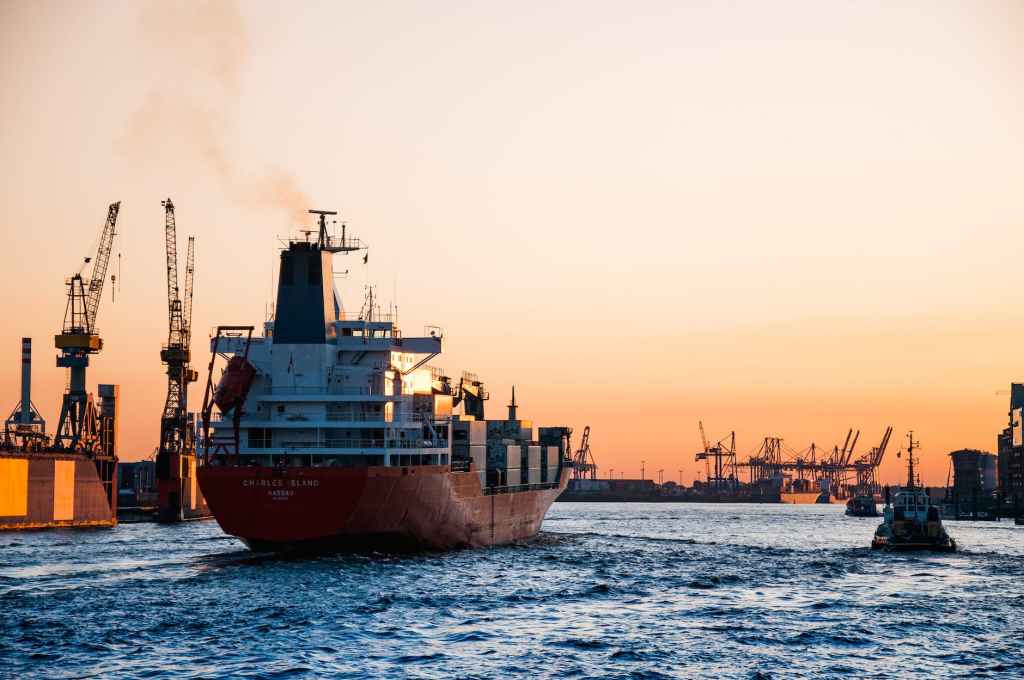
Despite everything you read, America still counts. So when it makes a move on something as big as tariff reform, as President Trump did almost a year ago, the rest of the world is affected, Big time: and responds accordingly. Veteran readers will recall our coverage of this trope (LSS 19 5 20) and subsequent riffs on the same theme. Our misgivings were pretty clear. But, how is the world really coping with all these tariffs, counter-tariffs and all the other red tape which has appeared in the last year or so?
At first sight: it’s coping: just. In an excellent article for the Conversation Umair Choksy cites reports from both the IMF and the WTO that world trade actually increased last year. But let’s not get carried away, he warns. In the short term companies can adapt, briefly, by dipping into reserve stock or changing supplier(always to a more expensive one) But both for companies and nations, this can only last so long:
But if costs and availability remain in doubt, these temporary fixes stop working. Stock runs out. Emergency suppliers cost more. And when margins are squeezed for long enough, businesses respond by raising prices, freezing hiring, cutting hours, delaying pay rises or shedding jobs altogether.
The long term consequences are admirably summarised by this report from the Word 360 {2] In a nutshell, they are reduced trade volumes, higher inflation and reduced business confidence, which really does chime with the message of our earlier blogs. It’s quite simple really: if tariffs are such a good idea would Scotland do better by imposing them upon England? Or Kansas upon Arkansas? It was David Ricardo who summarised the benefits of free trade when he wrote:
Under a system of perfectly free commerce, each country naturally devotes its capital and labour to such employments as are most beneficial to each. This pursuit of individual advantage is admirably connected with the universal good of the whole.” [3]
We have written before on the possible advantages of a World Government. One would be the immediate abolition of all trade tariffs for they would be no longer necessary. The world would function as a single unit, with all the same internal tariff-free advantages currently enjoyed by the nations mentioned above. Time for serious consideration?
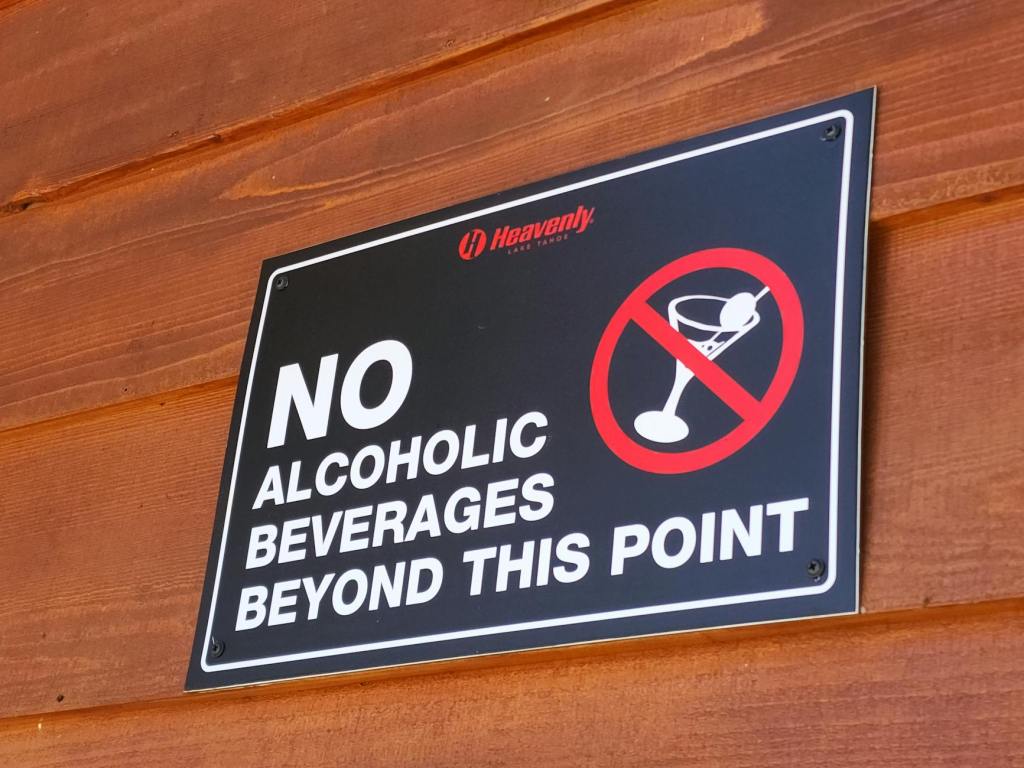
The first cocktail we ever saw prepared-or drunk- was almost exactly fifty years ago in a pub in West London where we worked for a summer job. The drink was lovingly prepared by one of the barpersons, a kindly soul, for her daughter who was visiting the pub on her birthday. Back then alcohol came in two forms-beer, and lager. We knew some middle class folk drank wine-but what was this curiously complicated concoction, assembled with such reverence? And which the daughter drank with due appreciation, we are happy to report.
The drink in question was the Brandy Alexander, a smooth creamy cocktail with a hidden kick. To make it, add a number of ice cubes to your shaker, one measure of brandy (yes, the cheap stuff from Malaga duty free will do fine), one of crême de cacao and, for la pièce de résistance, two of double cream. Shake vigorously and pour to an open martini-style glass. A sprinkle of nutmeg makes a good decoration, but not too much, we always say.
The original Alexander cocktail was gin-based, dating back to the early 20th century. The Brandy Alexander emerged later, gaining popularity during Prohibition when brandy was more palatable than bathtub gin The memory of those days is preserved in the gin based Alexander No 2 and there are variations based on spirits such as Tequila, Rum or Bourbon
Since that long ago summer, our knowledge of cocktails has blossomed and grown. Obviously- or we could not write this column. But we will always remember the care with which this kind but not too wealthy woman, made a special treat for her daughter. Look for kindness where you can find it, gentle readers. Even in cocktails.
#brandy alexander #cocktails #friday night #entertaining #drinks
As we write. the current troubles of UK Prime Minister Sir Keir Starmer are profound. One of the reasons they are so bad is that, almost before he took office, almost no one has warmed to him: many evince active dislike. Meaning this serious, intelligent man can draw on no reserves of public goodwill in the way that a more raffish character like say Boris Johnson could. Why?
We think part of the answer lies in this article by Larry Elliott. For it charts Britain’s fall from manufacturing powerhouse to fragile services-led house of cards in a few punchy paragraphs, while noting China’s almost inverse trajectory to high tech manufacturing superpower. How so? Elliott compares the policies of two politicians who took power at around the same time in their respective nations: Deng Xiaoping and Margaret Thatcher. While the former did everything he could to foster manufacturing, the latter, a true disciple of unfettered free markets, believed:
…… market forces should determine which businesses thrived. If Britain excelled in financial and business services……… That’s what the country should concentrate its efforts on, while other nations made the ships and the machine tools
Underwritten by the short term unearned bonanza of North Sea Oil, this catechism was applied unchecked. With the results we see today. No British Government will ever again have the resources to satisfy the clamours of its citizens-for hospitals, for thriving high streets and clean water, nor create the booming economy they crave. But, used to abundant wealth and easy answers, these citizens still think like spoiled heirs burning through the last remains of the family patrimony. So any sensible family lawyer like Starmer, who tries to utter the self-earned nature of their plight, will pass unheeded, or worse, actively scorned. Such people will always prefer a story teller to a truth teller. And for a way forward? Restore manufacturing, to which end Elliott has some policy recommendations of course . But his real answer is psychological, not economic.
The bottom line is that to rebuild manufacturing Britain has to see the world through the prism of a developing country not a developed one.
Photo by Journal of Studies on Alcohol and Drugs on Pexels.comPhoto by Vlada Karpovich on Pexels.com
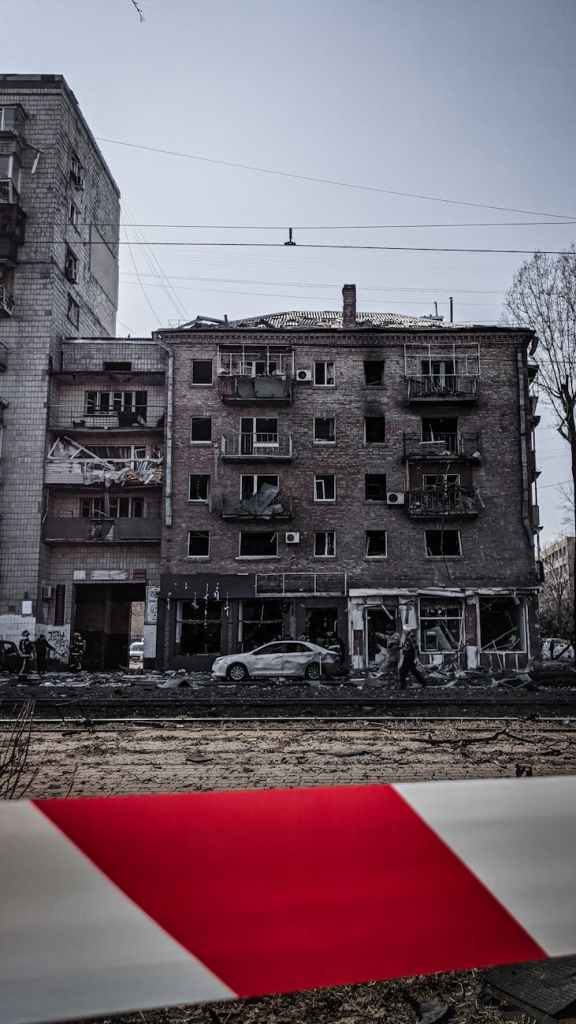
We’ve always been pretty much against the illegal drugs trade, if that is still a safe thing to say. For its reach and power give it the heft of many a nation. Its turnover is estimated to be between $300-$600 billion per year. If you throw in all the deaths-from assassinations, associated diseases and economic disruption, then these at 500 000 a year are more than many nations’ mortality statistics. And like any State, it has organised armed soldiers, trained and ready to kill. No wonder so much effort has gone in to controlling the sale and distribution of illegal drugs since the nineteenth century. when the Chinese attempted to control the illegal importation of opium. Narco Warriors, a podcast series from highly experienced journalist Lindsay Charlton is the latest attempt to chronicle the long decades of this deadly and interminable war.
Charlton and his team of researchers have assembled hardened veterans of the war-customs officers, investigators, police officers- as well as those who operate in its shadowy intelligence led nooks and corners. The listener is taken on a vast sweep of lands and seas, of shootings, confrontations, agency turf wars and many earnest intelligent brave people trying to do the best jobs they can for their countries. And we salute them, above all for their endless dedication to the public good: for its clear that people of this calibre could have made a lot more money a lot more safely in many other walks of life. And there we might end it. Except for one thought, which that old Devil has just come round and whispered into our ear.
What is a drug anyway? If you say that cannabis, cocaine and heroin are highly dangerous and addictive substances, then you must say the same for alcohol and nicotine. But these are sold openly on the streets in many western countries. Indeed the attempt by the United States to prohibit alcohol from 1919 to 1933 was one of the most unhappy and unsuccessful enterprises which that country ever undertook . For one thing, it was an object lesson in facilitating the rise of violent organised crime, a historical irony not without relevance to present policy. The real problem is that the appetite for cocaine, heroin and alcohol are all driven by human demand. Gangsters are simply those capitalists who supply the illegitimate part and operate according to the same laws of supply and demand as their peers in legal sectors of the economy. As for that demand -there is strong evidence that it is fuelled by rampant economic inequality and the associated poor housing and social and economic insecurity which that entails. In which case the State’s resources would be better spent on building homes, schools and raising the minimum wage rather than on all those flashy speedboats and burly types in uniforms. But: society made its choices long ago, and who are we to call them wrong? If you want to know the consequences of those choices, told by the people who were there, then listen to the first episode [1] And all the subsequent ones of course!
Food is everywhere these days. Shelves groan with glossy cookbooks, restaurants and gastropubs queue up for tax breaks, and the airwaves are thick with chirpy kitchen‑dwellers—some dropping their aitches with theatrical enthusiasm, others sounding as if they’ve just strolled out of a rowing club bar. Everywhere you look, there’s another beaming evangelist waving a saucepan and assuring us that their latest ‘blend’ is nothing short of a revelation. One could be forgiven for thinking that food itself has become a national moral project, a jolly good thing in which we are all expected to take an interest.
However the readers of our little blog being a thoughtful lot, we thought we’d put up two stories which might provide a little counter-balance to the general merriment. The first from the indefatigable Kat Lay of the Guardian (clearly she knows about more than just antibiotics) does not suggest food is bad per se. But it does suggest that being extremely careful about what you eat, and who is selling to you might be a very good idea[1] Her headline tells you exactly what we mean: Ultra-processed foods should be treated more like cigarettes than food– study
“OK, OK”. you say, “but wot I eat is my choice, innit, guvnor? If I ain’t doin’ no one else no ‘arm, wosser problem?” Well according to Nature Briefing, Eating Well is about more than your health, this might be:
Debates over what to eat — more protein, say, or less ultra-processed food — often neglect any mention of how our food systems affect the biosphere that keeps us alive. But nutrition doesn’t exist in a vacuum, notes Earth-systems scientist Johan Rockström. He co-chaired the latest update to the Planetary Health Diet, which aims to optimize human health globally and reduce environmental and social harms. It notes that “global greenhouse-gas emissions could be cut by 20% by 2050 by eating healthily, reducing food waste and adopting sustainable production practices”, writes Rockström. “If diets remain unchanged, however, emissions will increase by 33%.”Nature | 7 min read Reference: The EAT-Lancet Commission on healthy, sustainable, and just food systems report
We want humanity to survive, really we do. If you went extinct there would be no one to man the check out tills at supermarkets and we’d have to use those ghastly check-out-yourself tills that are so slow, complicated and inconvenient. Yeah food is alright, sometimes. But as the old saying goes-be careful what you wish for.
Two stories give us hope of real progress in understanding and treating cancer. The first from the excellent Emma Gritt of the Mail [1] concerns the work of the great Dr Mariano Barbacid whose work has been so crucial in elucidating and developing the whole theory of oncogenes and the role they play in cancer. His team has been studying the effects of three drugs on the KRAS gene, deeply implicated in the development of the pancreatic form of the disease. But: don’t read us, read Emma-she knows a lot more than we do
The second story, from the inimitable Ian Sample of the Guardian [2] concerns the application of the Google Deep Mind AI tool to study genetic drivers of cancer-and other diseases too. To quote Ian:
“We see AlphaGenome as a tool for understanding what the functional elements in the genome do, which we hope will accelerate our fundamental understanding of the code of life,” Natasha Latysheva, a DeepMind researcher, told a press briefing on the work.
Once again click!. You’ll get a lot more from Ian than you will from us.
Both stories blend into two of our old LSS favourites. Firstly, the use of AI to look at complex biological patterns which humans alone struggle to perceive. (LSS 1 12 20 et seq) Secondly, that repeatable frequencies in DNA may be tied, probabilistically, to repeatable patterns of symptoms. Veteran readers will recall our hopes that this methodology may apply to psychiatric disorders too: (LSS 18 12 25 and 29 12 25). Of course, we expect to learn of environmental and epigenetic factors as well. But if we are right, these genetic advances may provide a firmer starting point for future investigations than we have now. How much more is achieved when facts are sacrosanct, not convenient entities to be selected and disposed according to the immediate convenience of their user! A lesson which certain US politicians and the news channels which so fanatically support them would do well to learn.
With the current tensions in the Middle East flooding the channels, you could be forgiven for thinking that benighted region is the only part of the planet that counts. It isn’t. It soon won’t count for much at all. And once again we are indebted to that most erudite of writers, George Monbiot of the Guardian[1] for telling us why. George has got hold of a report called the UK National Security Assessment, written by some of the sharpest minds in the country- MI5, GCHQ, that lot. And when we say they’re bright, trust us -they are. We won’t deprive you of the pleasure of reading all of George’s article. But the essence is simple: rapidly accelerating climate change is completely upending the normal relationships between nations, and taking us all to a dark and dangerous place
Let’s take one example. The glaciers of the mighty Himalaya-Karakoram system supply the water to some of the largest and most economically important rivers in the world. Among them are the Yangtse, the Mekong, the Brahmaputra and Ganges. All in all, they are the lifeblood of about 2 billion people in some of the world’s most progressive economic areas. And now those glaciers are melting-fast.[2] Leading to both short term floods and long term water shortages. At the moment this region is divided among three major powers_ Pakistan, India and China. All are nuclear-armed. All, being nations will attempt to defend their own local interest and local potentials, for that is what nations do. Each will reach for the water it must have to survive. And sooner or later these interests will clash. Mightily.
Now there will be a temptation among some of our readers, particularly those who hang out in the Dog and Duck, to say “let them get on with it- we can just sit it out” (That is a very polite way of conveying what they will say). But you can’t, gentle readers. As you may have noticed from your History, world wars are like beach parties, they tend to draw everyone in. Powers like Russia the USA and the EU will be forced to choose sides if only to protect their supply chains. Add to that the effects on migration numbers from all those refugees, world prices, supply chains and collapsing currencies and you have a mess to make the financial crash of 2008 look like, like-well one of those beach parties we alluded to above, really. Here then at last will come the consequences of doing nothing serious or substantail about global warming. And it will be well deserved by us all.
If any one writer gets showcased more than any here, it’s probably Professor Devi Sridhar. Over the years we’ve showcased some pretty brainy sorts-Larry Elliott, Simon Kuper, Gillan Tett to name but a few, and we admire them all. But as this is still primarily a medicine and science blog, and because that’s Devi’s manor, she takes the biscuit. To say nothing of her acuity, which nowhere is more sharply displayed than in today’s article for the Guardian about the mortiferous effects of Air pollution.[1]
Once again we will do little more than hand you over to the Sage of Edinburgh, who will tell you all you need to know in just the right amount of words; not too many and neither too few. But check out this killer quote , for that is exactly what it is:
According to the World Health Organization, 99% of the global population is exposed to air-pollution levels that exceed its health-based guidelines and air pollution is now the world’s single largest environmental risk, linked to nearly 7 million premature deaths each year
Thanks Devi. You were a real breath of fresh air during the COVID-19 pandemic. You’re even more so now










 Learning, Science and Society