Best Time to be alive: California 1960-1980

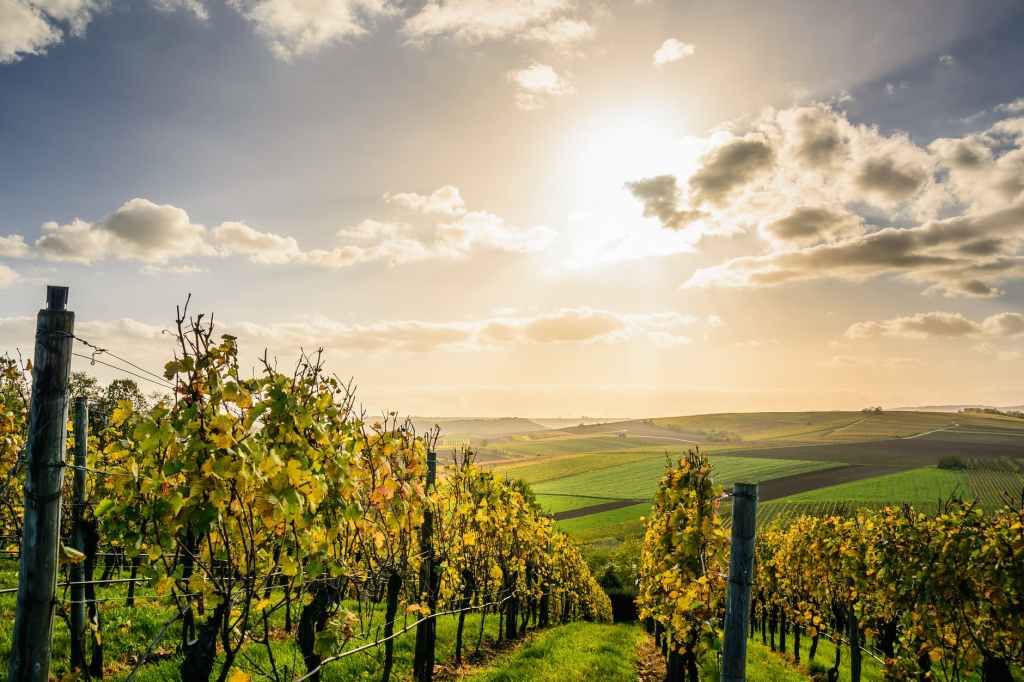
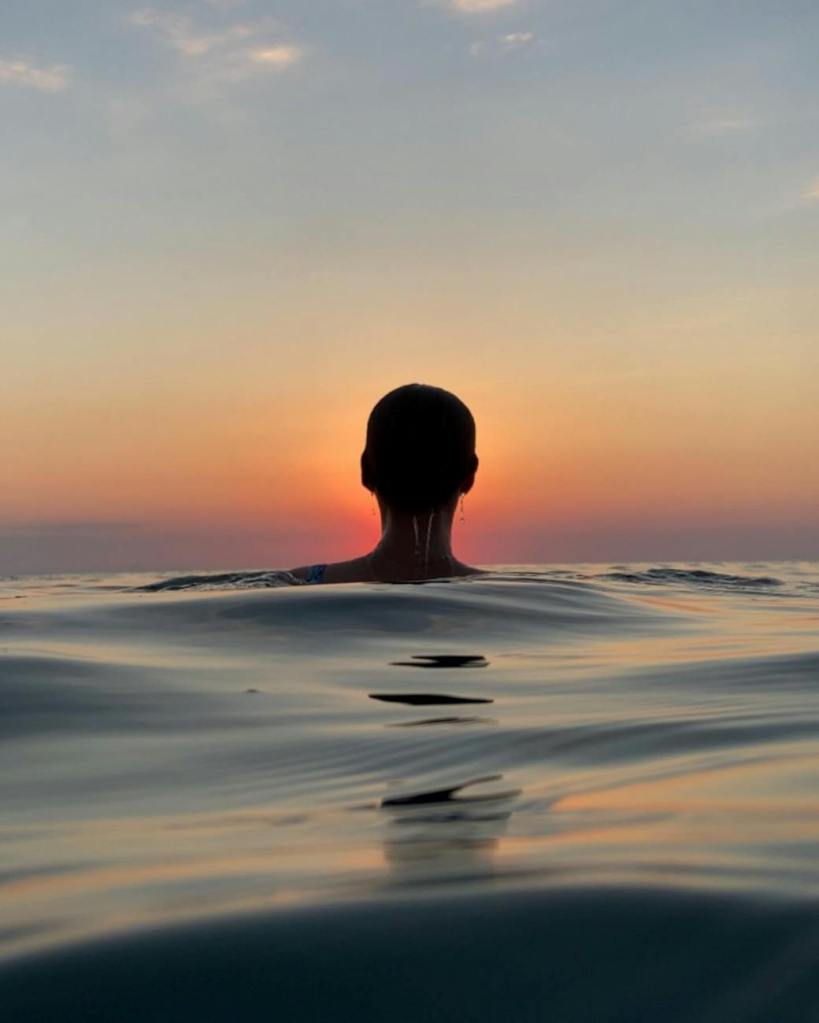
California dreaming. A tumultuous, fractal, sub-infinite series of images. Deep green forests and rugged mountains. Sun-drenched coasts with surfers riding unfeasibly large waves. Burning deserts and fertile valleys. Vast sprawling townscapes scattered with deep blue pools linked suburb to suburb by enormous, mustang-filled freeways. UCLA. Berkeley. All those funny people camped out in VWs around Mt Shasta. La Jolla and the Scripps Institute,  Everything the good life could be, democratically arrived at, and mass produced for ordinary people. Which made this State, in the peak years 1960-1980 the cultural and social centre of the world.  Our hope, our dream, our shimmering light.

It was defence that caused California to boom as the USA began its long tilt towards the Pacific after 1945.   The US Government’s act of undeclared Keynesianism funded Cold War icons such as  Lockheed (Burbank) North American (Inglewood) McDonnell Douglas(Santa Monica, Long Beach), Hughes(Culver City)  and Northrop (Hawthorne). As the money flowed through these companies and out the other side, it funded not only the great learning institutions, but also one of the most comfortable and agreeable lifestyles that had ever been known. Everyone, potentially, was in, although if you were black or Hispanic, your share of the pot was going to be much, much smaller.  Hollywood, to its credit, was self-funding.  But its endless output of iconic films and TV shows afforded the USA a soft power capability that was equal to at least ten carrier battle groups. All of this in turn grew the next generation of industry: Information, games and now AI. For this was a culture built not on oil, or gold or military power, but in the last resort on brains. In places, it still is.

You will by now,  gentle reader, have intuited your own huge list of favourite films, TV shows, books  popular musical singers, foods and brands which are your California. Yet it is poets who see  most clearly, capturing  the distilled essence of time and place most of all  when they set their thoughts  to music. Those poets were  Eagles Don Henley and Glenn Frey, whose songs such as Tequila Sunrise, Hotel California, The Last Resort and others managed to capture the crazy contradictory kaleidoscope  of hopes, dreams, indulgences and despairs in  a land and place at the  leading edge of our species’ experience.  Perhaps the shimmering light it is now growing dim. . But for us the word “California” carries the hope that somewhere out there still lies the possibility of a prosperous, future.

#california #cold war #JM Keynes # The Eagles #Los Angeles #hollywood
Heroes of Antibiotics: Liam Shaw and his Dangerous Miracle

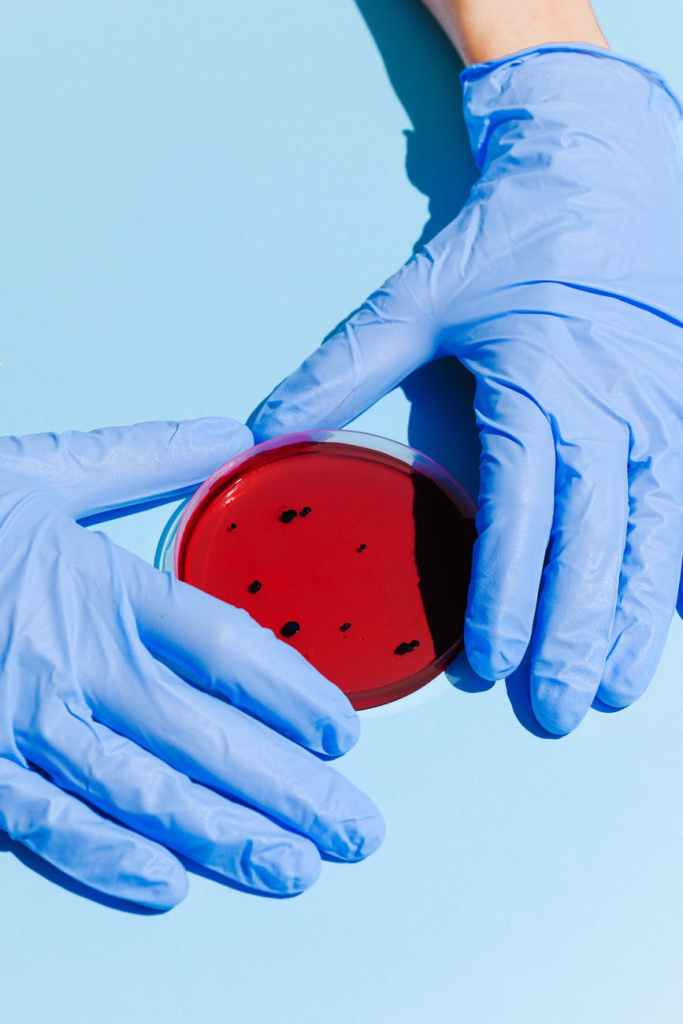
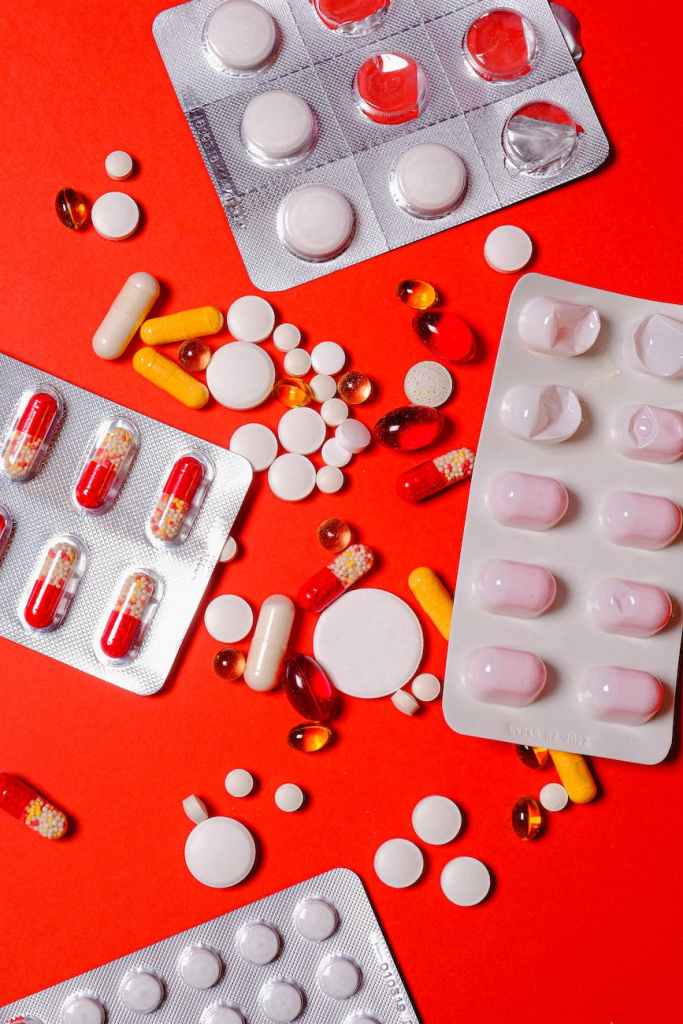
Today, gentle readers, we combine two of the favourites topos of this blog: Heroes of Learning and Antibiotics research latest. For Liam Shaw is a mighty contributor in both fields. Who is he? Well here is a brief summary of his life ant times from Penguin Books, the publishers of his book Dangerous Miracle: (which of course we urge you to rush out and buy) [1]

Liam Shaw is a biologist researching the evolution and spread of antibiotic resistance. For the past four years he has been a Wellcome funded research fellow at the University of Oxford, and he is also currently an honorary research fellow at the University of Bristol.
His writing has appeared in the London Review of Books, Morning Star, and Private Eye. Dangerous Miracle is his first book
.

That’s quite a CV for a very learned man, and we take all he says most seriously indeed. So seriously in fact that we direct your earnest attention to his further thoughts laid out in this admirable article which he has just penned for the Guardian[2] For Liam has a key insight: antibiotics are like fossil fuels. They are OK in themselves: they may even bring great benefits to the comfort and quality of our lives. But both have fallen into the hands of a group of reckless, short term, pleasure seeking, greedy, violent hominins that call themselves Homo sapiens ( a laughable act of vanity) with all the disastrous consequences we face today. Rather wickedly, he points out the hypocrisy of rich nations, who have benefitted so abundantly from a surplus of both fossil fuels and antibiotics now earnestly entreating the poorer nations of the world to be good chaps and cut down on their use. Nice one!

We at LSS still think there is room for hope on the antibiotics question, as out recent blogs have hinted. If the situation has indeed improved since we started, much is due to the work of Liam, Professor Sally Davies and others whose tireless research and campaigning has done so much to slow the decline and possibly turn us around. But we can see no reason to slack up yet, gentle readers. Neither should you.

[1]https://www.penguin.co.uk/books/455232/dangerous-miracle-by-shaw-liam/9781847927545

[2] https://www.theguardian.com/books/2025/aug/17/why-antibiotics-are-like-fossil-fuels

#microbial antibiotic resistance #medicine #health #microbiology #fossil fuels #global warming #pandemic

Friday Night: Madeira Wine

When we sat down to prepare this week’s  Friday article, one of our researchers suggested” why don’t you do  Madeira wine?” Which created rather a problem: How can we praise Madeira wines without sounding like one of those  articles you find among the pages of in-flight magazines or tourist guides, which seem increasingly to have been written by something other than a human intelligence?

Our first decision was let the experts do the heavy lifting. on subjects such as heritage, production, availability and so on. We have posted two links here, one to the Wine Society[1] and a second  to the indefatigable Blandys [2], more of whom below. There are actually many types of wine produced on this famous subtropical island: But the sort  everyone talks about, the eponymous Madeira is a fortified wine which comes in four types Sercial, Verdelho, Boal and Malvasia.  And the angle we want to take is history, not of the wine which our links cover, but of our own first experience of it when we visited the Madeira wine lodge, still run by the Blandy family in Funchal, 34 long years ago

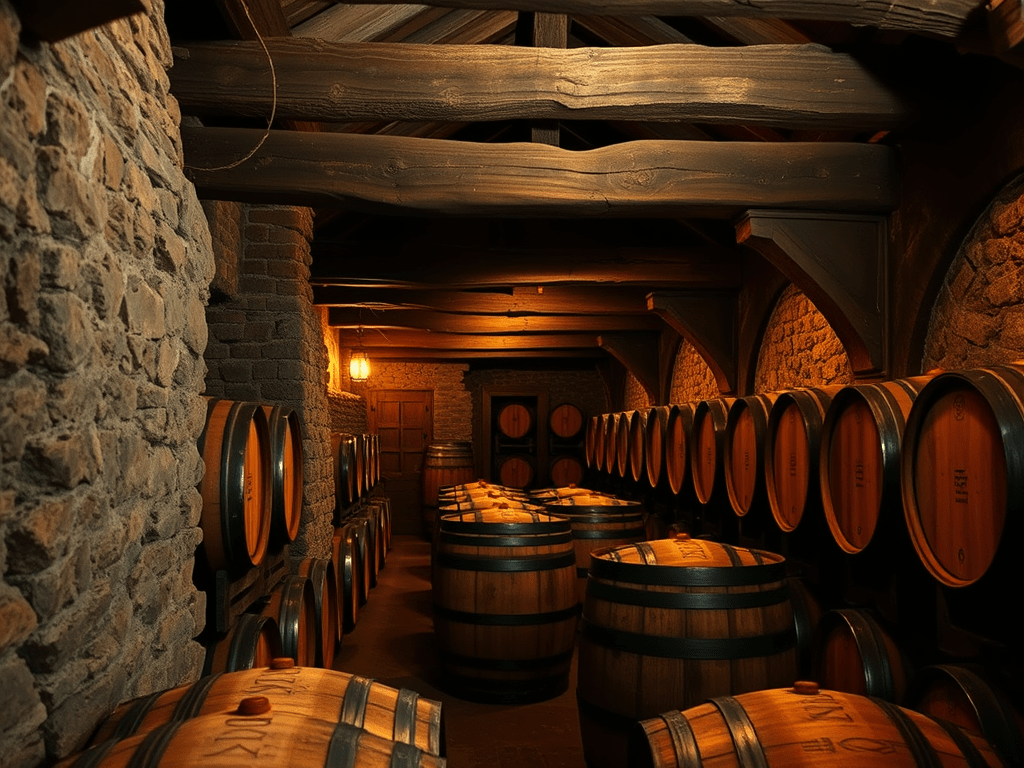
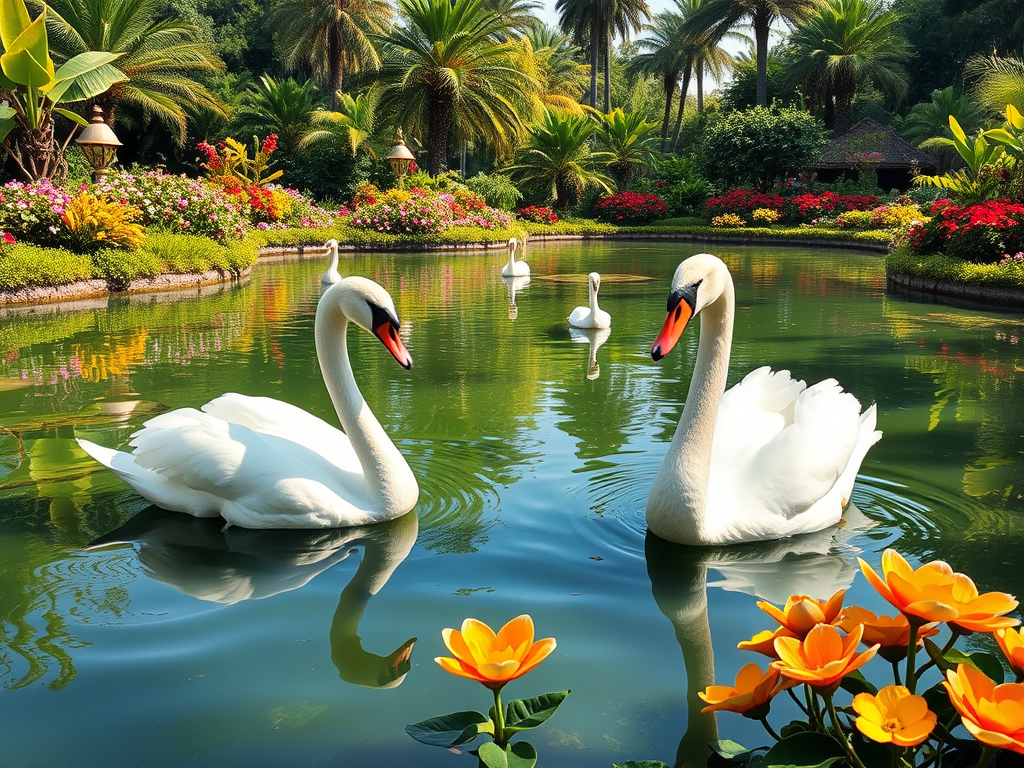
We will not detain you long with the excellence of the place, the helpfulness of the guides nor the dark wood beams and casks, the rich aroma of grape, all of  which are the same today. Rather it was our arrival, post tour,  at  the tasting session, where we learned that not only does the wine come in four types(see above) but that each type was produced by one of four traditional families: Blandy’s , Cossart Gordon, Miles and Leacock. A truly scientific  tasting would therefore require an array of 16 (4×4) glasses, as any expert in the mathematics of set theory could quickly tell you. What we had not realised was the potential wallop carried by even a small glass of the stuff. With the result that our tasting rapidly descended into a blur of ill-remembered labels, mixed tastes, and a growing feeling of confused  tiredness inconducive to sustained intellectual effort. Eventually our companion was forced to take us to recover in a nearby park with some friendly swans upon its lake. Which kept us pretty well occupied until her return from some serious shopping.

And the moral is? Blandy’s  Wine Lodge is a first rate tourist spot, which you must visit if you are ever on the island. Madeira wine is delicious, but strong. We have visited the lodge often on our subsequent six voyages to the island. But now a single glass, often the the slightly sweet Bual, is more than enough to content us. . But we steadfastly urge you to try one too.

[1]https://www.thewinesociety.com/discover/explore/regional-guides/madeira-ultimate-guide

[2] https://blandys.com/en/about-madeira-wine/?doing_wp_cron=1755271440.1276309490203857421875

#Madeira #Blandys #tourism #wine #holiday

AI-designed antibiotics: more good news to report

This is getting to be a habit. About a year ago we showcased a story about the redoubtable Professor de la Fuente and his team at the University of Pennsylvania who were starting to use AI for the development of new antibiotics. (LSS 6 6 2024). Since when our optimism has been justified seven fold over and seven, to coin a phrase. For today we are genuinely excited to bring you this story from James Gallagher of the BBC which takes things up to the next stage. [1]

Because another redoubtable Professor, one James Collins and his team at MIT have now used AI not only to identify potential new antibiotics, but also to synthesise them and prepare them for testing. What’s more, they’re going to try them out on MRSA and gonorrhoea, two recalcitrant old lags which have long frustrated researchers, as our long term readers will recall

The story ticks quite a few more LSS boxes with institutions like Imperial College and the Fleming Fund getting quotes. At last, things seem to be coming together. When we started our antibiotics obsession, ten long years ago, we foresaw the current civilisation collapsing under unstoppable plagues, just like the Roman one before us did. But if it does, it may not be for lack of new antibiotics: we feel we can say that much now. Plenty of lethal threats still confront us, from Global warming to the threat of nuclear war. And the recent collapse of the talks designed to limit plastic pollution is a shameful reminder of the cognitive limits of our species..[2] But: just occasionally, something can be done about something. Maybe that’s hope , for all we know.

[1]https://www.bbc.co.uk/news/articles/cgr94xxye2lo

[2]https://www.bbc.co.uk/news/articles/cvgpddpldleo

#artificial intelligence #antibiotics #antibiotic resistance #MRSA #MIT

Co-LAB-oration, or why its good news UK is back in Horizon

Science is good for economic growth. It’s theme we’ve touched on before in this blog(LSS 4 10 23; 1 3 24) So any initiative that builds on this incontrovertible fact will meet with our approval. if only because we want a higher standard of living next year. Which is why we showcase this article by Lisa O’Carroll of the Guardian [1] which reviews progress of the UK’s revived membership of the EU administered Horizon Programme, which tries to bring together the efforts of scientists technologists and scholars from across many countries.

It may soothe the objections of our more rabid eurosceptic readers, to learn that almost half the members (20:27) are not in the European Union, but are located as far afield as Canada and New Zealand (“is that Bri’ish Empoire enuff fer yer, Guv?”) But because science is a collaborative process it helps if you can recruit your teams from close neighbours, if only because it saves on things like travel costs on the day of the interview. We need not discourse long on close financial and technological links as Lisa covers them well in her article. It’s a cultural link of a different stripe which makes us think that rejoining was the right decision.

For what the UK and its fellow members have in common is that they are open societies, where information and people flow freely. The other possible partner, the USA, is showing strong signs of both damaging the free flow of information as well as launching major attacks on both the funding and the very work of scientists, as our readers well know. The Horizon programme and the countries that contribute, are the genuine heirs of both the Renaissance and Enlightenment. Societies that abandon the practice of truth and reason soon fall into cultural and economic stagnation. Just as being in UEFA is a sound bet for British Football Clubs, so is Horizon for British Universities. A good news day forr once

[1]https://www.theguardian.com/science/2025/aug/12/uk-recovers-position-horizon-europe-science-research-eu-brexit

[2]https://commission.europa.eu/funding-tenders/find-funding/eu-funding-programmes/horizon-europe_en

#science #technology #economics #EU #UK #renaissance #enlightenment #donald trump

Round up and a thank you

First the Round-Up:

Lifestyle and vaccines against cancer A succinct little article offering multiple approches to the growing problem of liver cancer. Yes hepatitis vaccines will help. But our opinion is: cut down on the booze! Cut down on the fatty grub! You’ll live much longer. It’s the Guardian‘s too:

https://www.theguardian.com/society/2025/jul/28/lifestyle-changes-and-vaccination-could-prevent-most-liver-cancer-cases

Climate change coming to a garden near you No more Wimbledon and Lords Cricket ground lawns, according to The Conversation We are already moving in this direction in our humble little garden

https://theconversation.com/as-climate-change-hits-what-might-the-british-garden-of-the-future-look-like-261608?utm_medium=email&utm_campaign=Latest%20from%20The

Covid and Flu can wake up cancer Well, according to Nature Briefings the can. Old LSS hands will recall our musings on stress and other major life events triggering disease. Is this another straw in the wind perhaps?

Common respiratory illnesses such as COVID-19 or flu can awaken dormant cancer cells in mice. When a tumour grows, some cells can detach, travel round the body and ‘hide’ in tissues such as the lungs after treatment. Researchers found that the release of an immune molecule called interleukin-6, triggered by respiratory illnesses, wakes up these dormant cells — but only for a short time. This means that the infections do not directly cause cancer, but make it more likely that a future threat could revive the disease.Nature | 5 min read
Reference: Nature paper

And finally- a big thank you to all readers, contributors, ideas persons, signers up and commentators. it is a privilege to work with you all

#cancer #health #diet #nutrition #global warming

Exclusive: We reveal the only definite finding from quantum physics(and you can be certain of it)

Always believe someone who tells you that they don’t know what’s going on. Especially when that someone is one of the best trained and most intelligent people in the world. That’s why this story from Nature Briefing caught our attention as the week-ender for this session of blogs: What Does quantum Physics Mean anyway?

First sketched out a century ago, the equations at the heart of quantum mechanics underpin technologies from computer chips to medical-imaging machines. But no one seems to agree on how best to describe the physical reality that lies behind the maths. A Nature survey of more than 1,100 researchers — the largest ever on the subject — has revealed just how widely researchers vary in their interpretations of the most fundamental features of quantum experiments, and their confidence in their answers. [1]

The survey asked questions like “is there a real quantum world behind – or does all this work we’ve done only represent what’s inside our heads? What are the most favoured explanations for quantum theory? What is a wavefunction anyway? Is there a boundary between classical objects and quantum objects (i.e ,between the table you’re sitting at and the atoms it’s made from) And the answers that came back-and remember who gave them-read more like the responses to political opinion polls or market surveys about the best brands of instant custard.

From all of which we concluded the following.

1 If the brightest and the best think like this about something they have studied for decades, it suggests the rest of us might do well to be a little less opinionated on many things

2 Above all this includes certain journalists who think they know it all on things like climate change, vaccines and global warming

3 Watch the last episode of Jacob Bronowski‘s TV spectacular The Ascent of Man on You Tube. or one of the other streamers. It’s still good after 52 years [2]

4 There is still much out there to discover-as we tried to hint with our little blogs on Euler’s number and π(LSS 14 3 22; 16 4 24)

5 All knowledge exists within certain limits, and is probable. Of this last point, you may be certain

[1]https://www.nature.com/articles/d41586-025-02342-y?utm_source=Live+Audience&utm_campaign=a8d315930b-nature-briefing-daily-20250730&utm_medium=email&utm_term=

[2]https://www.dailymotion.com/video/x20p9h4

#quantum physics #uncertainty principle #knowledge #reason #science #nature

Here is the weather forecast: there will be a World government, soon

We at LSS might not want a world government: we might be quite happy with the State we’re in. But you can’t avoid the inevitable. And the hard data, the ineluctable facts from the weather forecasters, suggest that this inevitable may come sooner rather than later, But before we draw our conclusions: what are these facts?

If we break 1.50C global warming (and all the evidence suggests we shall) the effects will be dramatic. There will be alternating cycles of fires and floods in many countries, and for the first time the trend of ever rising food production will go into reverse. The loss of land, and the beginning of floods in coastal cities will lead to rapidly increasing migration pressures. Many would say that is already happening. But it’s as nothing compared to smashing the 20C limit. At that point, sea levels will rise by 40cm by the end of this century, displacing hundreds of millions and wrecking the pattern of the world economy. The surviving lands, wracked by floods and droughts, will start to lose their capacity to produce food at all . The resulting migration pressures will make todays numbers look negligible. As for 30C? It’s too scary to give the full details. But its got something to do with complete collapse of the seasons, fires in the tundras, and social unrest brought about by massive flows of refugees.

In such circumstances a World Government would form very quickly. Because it would be the only body capable of addressing the multiple threats at a global level; Which is the only level at which they can be tackled. History shows that sudden changes in ecology (usually plagues or climate changes) produce truly massive, paradigmatic changes in politics and society . The ending of the Roman Climatic Optimum meant the end of the Ancient world. All its customs, norms and beliefs were washed away in a new Medieval Europe. Similarly it was the Black Death that nailed the coffin of Feudalism, and an utterly new capitalist world was born. The nation state has served us well for hundreds of years. But then-so did cathode ray TVs, plastic musical records and steam trains. So-do we cling to what we’ve got? Or replace it it in anticipation, saving everybody time in the long run?

Further reading:

LSS 3 1 25 et al.

Anatole Lieven Climate Change and the Nation State Penguin 2021

Harriet Bulkeley and Peter Newell Governing Climate Change Routledge 2033

John Vogler Climate Change in World Politics Springer 2016

#black death #climate change #global warming #ecological collapse #capitalism #world government #nation state

The Best Time to have been alive #2: Rome under Augustus

Imagine a group of friends sitting in the late afternoon in the square of a little town in northern Italy. A retired soldier, perhaps. A few successful traders-builders. metal workers, maybe a small-scale farmer or two. In the shade of some cypress trees they nibble at bread and olives, sip the deep red wine of the region, and discuss the latest news. But this is not modern Italy: this is a town like Bolonia1 or Mutina2 in the Age of the Emperor Gaius Julius Caesar Augustus. And the news they discuss is simple. The profound peace that has settled over the whole world from the northern shores of Gaul to the deserts of Syria.

Augustus’ political settlement has ended the long decades of war and instability that tore the old Roman Republic to pieces. It’s one man rule now, and no elections are truly contested. But the legions are fully paid up and back on the frontiers. Behind them, a network roads links towns like this to an almost uncountable number of similar ones. There is increasing uniformity of architecture, arts , language as Latin and Greek spread even into the forests of Germany. Above all the seas are open again, with a single Roman fleet dominating the whole Mediterranean basin. There is a universal system of laws and money, all well enforced. No wonder trade is picking up and everything seems to be getting better year by year. It’s unlikely anyone in our group were literate. But maybe one or two of their sons will go on to study law or engineering in one of the cities like Rome or Mediolanum3. In which case they may well encounter the works of writers Livy, Ovid and Horace, or architects like Vitruvius, all active in this time. Compared to previous generations, this group has a lot to be thankful for.

There were deficiencies of course: the facade of a golden age always hides them. The position of women and slaves was not to be envied. Even non-Roman provincials were very much second class. All power was, in the last resort, concentrated in the person of one man, which made i things potentially very unstable. And, though they could not have known it, the empire was living through a very favourable era called the Roman Climatic Optimum (200 BC-200AD). Its breakdown would produce some very uncomfortable consequences for Augustus’ distant successors. But that is to anticipate. Augustus was a first rate political genius, whose settlement brought over two hundred years of peace and prosperity, with a single brief exception. To have been there, at the beginning, must have made it a very good time to live indeed.

1 Bologna 2 Modena 3 Milano

#roman empire #augustus #peace #ovid #pax romana

Bacteriophages v Bacteria: this arms race offers opportunities

We’ve always hymned the praises of bacteriophages here (LSS passim): that they will be a vital second option to supplement the next generation of antibiotic drugs. But we have a confession. We didn’t understand them. We didn’t appreciate that they are biological systems (viruses) interacting with other biological systems (bacteria). And as such, will obey all the usual rules of all such systems, such as arms races between predator and prey, Now a new article by Franklin Nobrega for the Conversation puts that right. [1]

Bacteria have evolved some fascinating defence mechanisms to ward off the relentless attacks of their phage enemies. These involve cutting the nuclear material of the viruses: building up strong cell walls and cellular shutdown mechanisms which act a bit like your IT Department does when it detects a global virus attack on your building’s systems. Recently Franklin and his team have investigated an early warning system called KIWA which gives the bacteria advanced notice that an attack is imminent. To which phages have in turn responded by their own mutations, and so it goes on, etc etc.

There’s a lot to encourage us here. Firstly, human knowledge of bacteriophages and their ways is deepening all the time, always a good thing. In fact Franklin is part of the University of Southampton phage collection project which we showcased here a few weeks ago (LSS 1 7 25) More strikingly, as two systems attack each other in an arms race, they leave little gaps, tiny vulnerabilities, which outsiders can exploit. The promise of new drugs and new bioengineering techniques looks very real indeed. Especially, we suggest if information scientists and complexity theorists are brought in to work alongside the biological teams. All in all, a rather good day for those of us interested in the problems of microbial antibiotic resistance. Go boldly, gentle readers, and be of good cheer.

[1]https://theconversation.com/how-ancient-viruses-could-help-fight-antibiotic-resistance-261970?utm_medium=email&utm_campaign=Latest%20from%20The%20Conversation%20

#microbial antibiotic resistance #bacteria #bacteriophage #health #medicine #phage collection project