

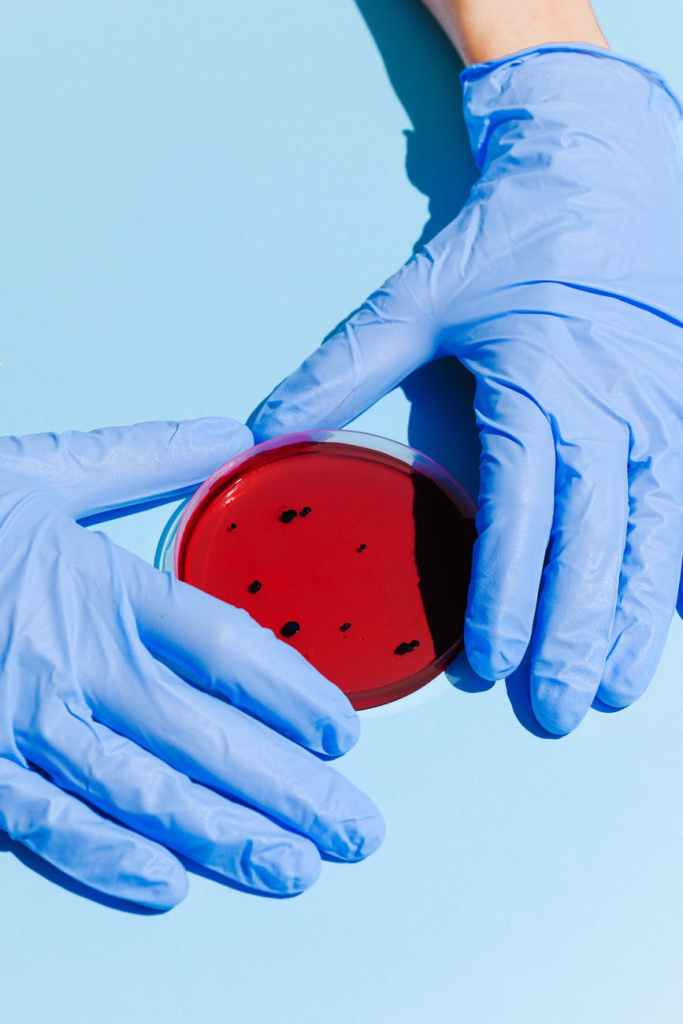
Well. We never thought we’d be writing this one, not in our wildest dreams. And you, gentle reader, never thought you’d be reading it. But thanks to the resourceful Deborah Linton of the Guardian[1] we bring you news that someone out there has written a musical about our number one Favourite subject antibiotic resistance.
The show is called Lifeline and it’s the work of an extremely experienced composer and lyricist called Robin Hiley. One of his masterstrokes was to recruit the help and counsel of the great Professor Dame Sally Davies, whom long standing readers will recall as a tireless campaigner and advocate of our Great Cause. Like many shows, it has been evolving since its first apparition at the Edinburgh Fringe in 2018. Since when Its played in places as diverse as Washington and the UN General Assembly building in New York. Now it has a five-week run in London at the Southwark Elephant Playhouse. We hope the links to Deborah’s story and the others we have provided will give you more than enough. Suffice for us this astounding detail
Performing alongside the regular cast in the production is a rotating chorus of 60 real-life scientists – including doctors, nurses, vets, dentists, a researcher from San Francisco and a former Pfizer executive paying his own way – who break the fourth wall to explain their real-life work. “They give us an integrity,” says Hiley, who considers Lifeline “a heartfelt love letter to the medical community past, present and future”.
Regular readers, new readers, antibiotic fans everywhere: we needed a new approach. Something quite radical and different, because we are still not breaking through properly. Maybe this will be it. We think that all our readers will join with us to wish Robin and his collaborators-singers, musicians, scientists, the people who sell the half time drinks, whoever-the most tremendous success.
[3] Lifeline – Southwark Playhouse Elephant
#robin hiley #southwark playhouse #antibiotic #antibiotic resistance #dame sally davies #microbiology #health #theatre #medicine
















 Learning, Science and Society