Antibiotic Resistance and Sexually Transmitted Infections: Why the Office party will never be the same

Fancy someone at work, do you? Hoping to try your luck at the office party, when that Special Christmas Punch kicks in, and all inhibitions start to drop. Well, before you make your move, read this.

Because many of the commonest sexually transmitted infections are now starting to show real signs of antibiotic resistance. And we’re not making this up. Have a read of this from peer reviewed, intellectually impeccable journal Medicine: [1]

Antimicrobial resistance (AMR) in bacterial sexually transmitted infections (STIs) is a global public health concern. Neisseria gonorrhoeae and Mycoplasma genitalium are emerging ‘superbugs’ that have developed AMR to all antimicrobials used in their treatment, and treatment failures have been reported. There is a very real threat that these infections could become untreatable in the future. Although syphilis and chlamydia infections are easily treated with first-line antimicrobials, macrolide resistance has emerged in Treponema pallidum, and there is a concern that AMR could potentially develop in Chlamydia trachomatis. [2]

What this means is that once you’ve got it, you won’t get rid of it. Gone are the carefree days of the Wolf of Wall Street, who could cheerfully treat a dose of clap with penicillin before he consummated his marriage. Your post party hangover won’t last a morning-it’ll be there for life. A few generations ago, people lived in constant fear of syphilis and other STI. Now those days a coming back. So before you plot a little expedition for two to the Cleaner’s cupboard up on the top floor, remember what could happen to you. And serve you right if it did.

[1]https://www.medicinejournal.co.uk/article/S1357-3039(22)00050-0/fulltext

[2] https://www.antibioticresearch.org.uk/patient-support/specific-infections/sexually-transmitted-infections-stis/

#sexually transmitted infections #Neisseria gonorrhoeae #Mycoplasma genitalium #Treponema pallidum #Chlamydia trachomatis #Antimicrobial resistance

White Lung Wave: Is this Antibiotic Resistance in Action?

Article of the week

What would the world look like if microbial resistance to antibiotics really took hold? A possible glimpse was afforded by Luke Andrews of the Mail, [1]citing the work of Frontiers in Microbiology (although we think the latter are paywalled to ordinary mortals). Luke’s article is balanced and judicious. He admits that the current wave of lung infections that’s worrying authorities in China may have several causes. But he zeroes in on one particular trope: the rise of a strain of Mycoplasma pneumoniae that is becoming almost entirely resistant to antibiotics, especially azithromycin. The cause? Over prescription and overuse. But according to an excellent graphic in Luke’s article, resistance rates in this organism are running at close to 100% in China, compared to 10-15% rates in Europe and the USA.

We hope the outbreak can be controlled, and that the children of China can lead happy, healthy lives. However, the fact that articles like this are now being written shows a world teetering on the edge of mass outbreaks. And there are many, many organisms which will prove more lethal, and faster spreading, than M. pneumoniae. To imagine that this is a Chinese problem is to indulge fatuous nationalism at its worse. Bacteria do not choose between nations. Nor between fools and the wise. They just kill.

Chineseshttps://www.dailymail.co.uk/health/article-12854847/china-white-lung-superbugs.html

#microbial resistance to antibiotics #china #Mycoplasma pneumoniae #azithromycin #white lung
Intelligence: It’s not the size, it’s what you do with it that counts

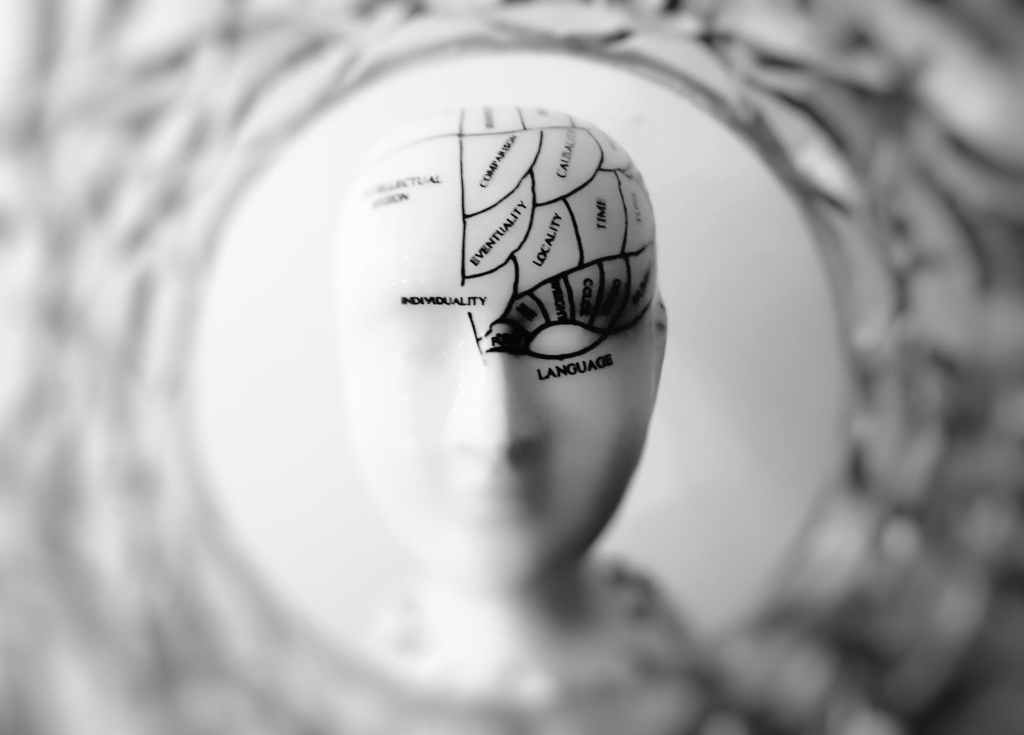
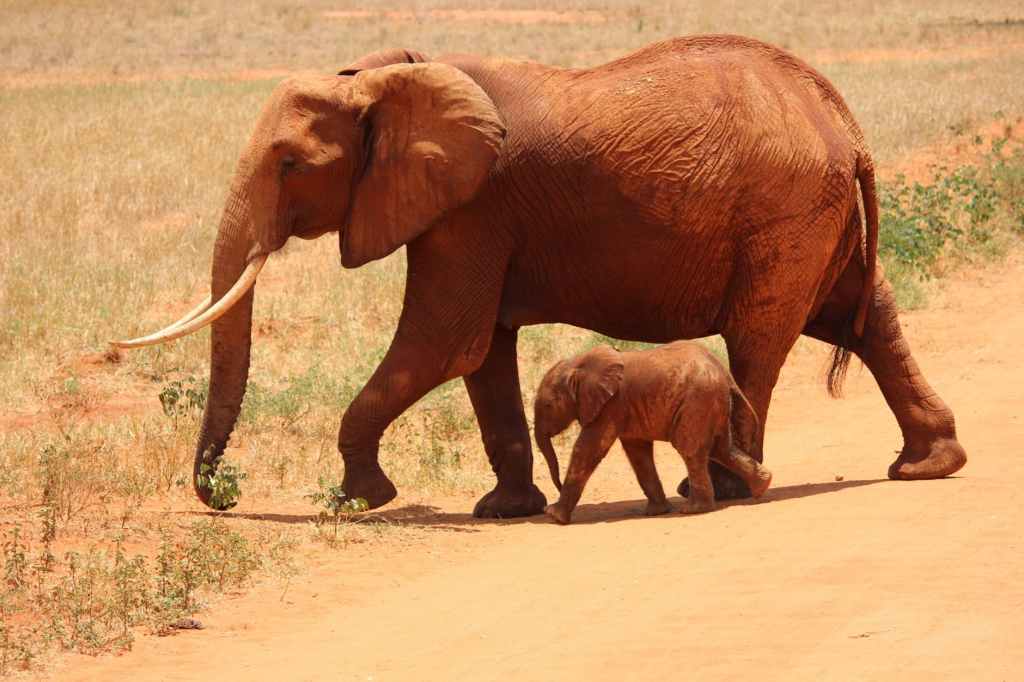
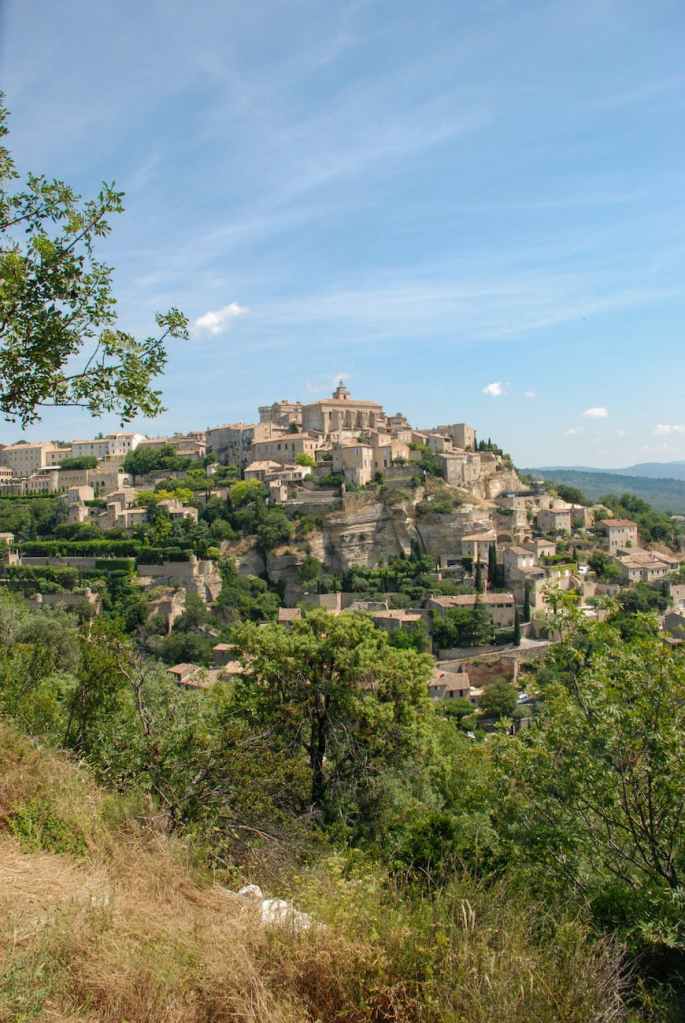
Ever since the Theory of Evolution was first mooted, the nature of human intelligence (and our self-ascribed success) have been contentious talking points. At first it seemed clear: creatures with bigger brains were more intelligent. Thus bigger-brained mammals did for those dim-witted dinosaurs, and so on. There’s something here: bigger animals like elephants and whales tend to be brighter than smaller ones. And there is discernible trend in brain size in hominin evolution. More subtle analyses suggested comparing the ratio of brain size to body mass. But if this was the answer, Capuchin monkeys would be the most intelligent beings on the planet.

One school of thought has always concentrated on quality and areas of the brain which are involved in thinking. Now a recent study gives strong support to this approach. Writing in the Conversation, Robert Foley and Marta Lahr describe how the neocortex burns up far more energy than the “ordinary” neurons in other regions of the brain. And that this area is precisely the one most developed when we compare human brains with those of our brightest mammalian relatives.

Now, we never think that one discovery, how ever well researched, is the be-all answer to a problem. But like all the best work, this one provides substantial grounds for further work, and above all guidelines for well funded investigation. 

And one more sly thought, prompted by yesterday’s blog: if our ancestors were getting bright, could they have built a nifty little raft and got to Socotra after all.?

thanks to mr p seymour

[1]https://theconversation.com/human-intelligence-how-cognitive-circuitry-rather-than-brain-size-drove-its-evolution-219669?utm_medium=email&utm_campaign=Latest%20f

#evolution #cognition #neocortex

The mystery tools of Socotra remain unfathomable

Here’s a little mystery to get you thinking. How did ancient tools-no, really ancient tools, of the second most primitive type ever made,[1] get on to the Indian Ocean island of Socotra? Before you read any further go to Google Maps and check out just how far that is from any land, even tiny neighbouring islands. Then ask yourself the following questions, to which we have supplied our own conjectures, but solely as a starting point for your own thoughts:

1 Who found them, and when? Russian scientist Valery A Zhukov (illustrious name) The write up was in Russian, but that is no reason not to doubt the veracity of the reports.

2 How old are they? The Tools are of the Oldowan type,[2] traditionally made between 2.6 and 1.2 million years ago Now , we have no formal training in Paleoanthropology, but we have followed the sport for 55 years, and the pictures (best seen via our reddit link) look pretty good to us.

3 Who made them? The fashion for linking particular cultures to particular types of hominin is now mercifully past us. Two possibles are Homo habilis and Homo erectus; but don’t hold your breath.

4 Could the makers have walked there? The sea around the island is incredibly deep. It’s true the ocean levels fell at different times during the ice ages; but that was generally after the Oldowan culture, and anyway, not by the 200 or so metres necessary.

5 So-did they have boats? There is absolutely no evidence of boat building technology at that time, nor even of the cognitive skills, including languages, that might have been necessary. Anyway it raises two paradoxes. You can’t see Socotra from land, so why build a boat to get there? And if you don’t know Socotra exists, why build a boat? Or even a raft?

6 In any case, the idea that “they must have had boats or how else did they get there?” is a logical fallacy, as intelligent readers will have already noted. (post hoc, ergo propter hoc)

7 Did they have gliders? Oh, please!

8 Did they swim it? See #7 above

9 Is there anything like this anywhere else? Well, the Homo floresiensis remains on that eponymous island are associated with a strong lithic culture. And again, the channels between Flores and neighbouring islands must have remained too deep to have dried out even in the driest glacial lows. So the short answer is-yes.

So-what is the answer? We have absolutely no idea. Normally we steer clear of all that anomalous artefact stuff you find in the more outre corners of the Interweb. We spent too much of our early years believing daft stuff. But this one certainly has us puzzled, and we would love to know more.

This posting, like all the others, would not have been possible without Wikipedia. Now they are desperate for money. Please could you at least think about donating, to keep them from the clutches of billionaires and distators, a sure candle of free enquiry and learning?

https://donate.wikimedia.org/wiki/Ways_to_Give

[1]https://www.reddit.com/r/AskAnthropology/comments/3ap4fw/when_and_how_did_hominids_reach_socotra/?rdt=42727

[2]https://humanorigins.si.edu/evidence/behavior/stone-tools/early-stone-age-tools

[3]https://www.bing.com/search?q=socotra&form=ANNTH1&refig=6c3d9e48de4a4e58bd0d9158b4dd1332&pc=HCTS

#socotra #tools #oldowan #homo erectus #paleolithic

Told You So (pick of the week)

We don’t like to use the words “Told you so” here at LSS. Well, not very often, anyway. But sometimes the temptation to do so is overwhelming. Especially when a prediction made comes true.

A few years ago we used to meet those wordly-wise types of johnnies in pubs and clubs who used to declare “climate change is all very well, but we can’t afford to do anything about it. Cost us too much money!” We tried to say that the cost of doing nothing would soon be very great indeed. That it would soon exceed all the money in the world, and more, as societies collapsed and vast numbers of refugees started trekking across the planet, while wars erupted over tiny scraps of land. But our concerns were dismissed with an airy wave of the hand, and our interlocutors moved on to more tangible subjects, such as the UK’s trading relationships after Brexit. About which they were serenely confident as well.

Well, today we had news of a tangible event which illustrates the economic damage caused by Climate Change. Because the mighty Panama Canal is now running so dry that ships cannot pass through it.[1] Instead, vessels pile up outside in long queues, like shoppers outside a car park. While the owners and the charterers run up enormous costs in delays and rotting cargoes at this vital pinch-point on the trade routes.

Okay, it’s one corner of the world economy. And it’s an El Niño year, so eventually the rains will come and the blockage will clear. For now. But there’s no doubt that this must be a sign of things to come-and they will get bigger. Told you so.

And by the way, those same types in the pub miscalculated on trade and immigration after Brexit as well. Dare we say it again?

Spoiler alert: todays link is dated November, but we assure you, gentle readers, that we have heard this twice as a live story today.

[1]https://www.bbc.co.uk/news/business-67281776

#climate change #global warming #panama canal #economics #mitigation

What the tragic case of Ruth Perry tells us about the immigration debate

Overseas readers may be forgiven for not knowing, but in these islands we have become a little exercised by the tragic death of Head Teacher Ruth Perry who took her own life after an OFSTED inspection went against her school[1] (OFSTED is the body charged with maintaining standards in our schools) Now, there are OFSTED inspections a-plenty, and not everyone inspected shares Ruth’s tragedy. But for us, the whole affair is the tip of an iceberg.

Because the lives of teachers, both State and Private sector is a frazzle of overwork. Not just inspections; but lesson preparation, form filling, marking, tutorials, staff meetings, behaviour issues, angry parents, pushy parents, sports, nativity plays, out-of- hours clubs, indifferent parents, indifferent buildings, and far below indifferent IT. As well as endless directives from Government, local Government, Health and Safety.,,,and the rest. For most, it’s a 24/ 7 job; they don’t even get Sundays, and the profession is leaching staff because they are burned out and finished. And it’s not just teachers-ask any professional. Police Officers, Social Workers, Health Care Professionals will all say the same. Because for more than forty years, English management philosophy has been: keep costs low; invest as little as possible; and whip, whip, whip until the staff have nothing left to give.

Now our rulers are complaining about a ghost army of workers in their fifties who have dropped out of the workplace altogether. Thereby occasioning the need for large numbers of immigrants to fill the vacant posts. And these same rulers grumble and look to force these supposed missing millions back to the sweatshops, whatever their state of health. Which makes us beg the question; why have they gone missing in the first place? Why was work so obnoxious that they would be so keen to avoid it? Did it really require such an awful event to bring it to light?

[1]https://www.theguardian.com/education/2023/mar/17/headteacher-killed-herself-after-news-of-low-ofsted-rating-family-says

#ruth perry #ofsted #teaching #long hours culture #overwork #investment

Tipping Points are now close indeed: what’s your survival plan?

Long term followers of this blog (surely long-suffering? -ed) will recognise our predilection for two feeds in particular: Nature Briefings and The Conversation. You know why. Without going on for hours, it boils down to their use of the most intelligent sources, combined with a simple honesty of purpose. They don’t put out scare stories to sell newspapers, or to further the commercial interests of their owners. It’s because it is the truth.

And this time it really is scary, as both agree.[1] [2]. It seems that the Climate Crisis is now so acute that the world is now close to the points where the behaviour of natural systems, such as ice caps and rain forests, becomes non linear. In other words they suddenly break down chaotically and catastrophically. In which case, most of the systems which we rely on to keep us alive-food distribution, power networks, clean water and so on-will fail with them.

What will you do to ensure that your family survives?

[1]https://www.nature.com/articles/d41586-023-03849-y?utm_source=Live+Audience&utm_campaign=7579767eac-briefing-dy-20231206&utm_medium=email&

[2]https://theconversation.com/climate-tipping-points-are-nearer-than-you-think-our-new-report-warns-of-catastrophic-risk-219243?utm_medium=email&utm_cam

#global warming #climate change #tipping point #ice cap #rain forest #fossil fuel

Doing something is better than nothing. Here’s one way

“You’re always telling us how bad we are!” It’s a small, but steady complaint from a certain group of readers. “Telling us how we’re wasting antibiotics! Polluting the skies and the oceans! Squandering our money in fruitless luxury , dissipation and depravity!” We take exception to the last, as we have never scolded anyone for Depravity. If done with due regard to Health and Safety, it can be a valuable method of weight loss. But as for the other charges- yes. we can be a bit over-censorious and pessimistic. And if we tell you all is lost, why try at all?

There’s nothing like having a sense of agency, a sense that you can actually make a difference, to restore morale. Even if that difference is small. Which is why we offer a chance to do One Thing. And that thing is to help out with a beach clean. We don’t need to tell you just how bad the situation in the oceans is. The Marine Conservation Society [1] has an excellent site for all matters oceanographic. But if you click further into their webpage you’ll find a section on Beach Cleans. Where groups of volunteers are co ordinated to go out, collect and record the vast mountains of debris which wash up on our beaches

Now this has several advantages over doing it by yourself. Firstly, it’s safer because there will be people around. Beaches and shores of any kinds can be dangerous places. Secondly collection and disposal can be jointly organised, making them much more efficient. Thirdly, the MCS and can make real use of the data you throw up. And last-think of the exercise and weight loss, with none of the drawbacks that Depravity brings. Is this becoming a no-brainer, or what?

[1]https://www.mcsuk.org/become-a-member/?msclkid=e17c2371dce010064ef7461ecd176756&utm_source=bing&utm_medium=cpc&utm_campaign=TE%20-%20ME

[2]https://www.mcsuk.org/what-you-can-do/join-a-beach-clean/

#pollution #beach clean #plastics #environment

Friday Night: Melonade

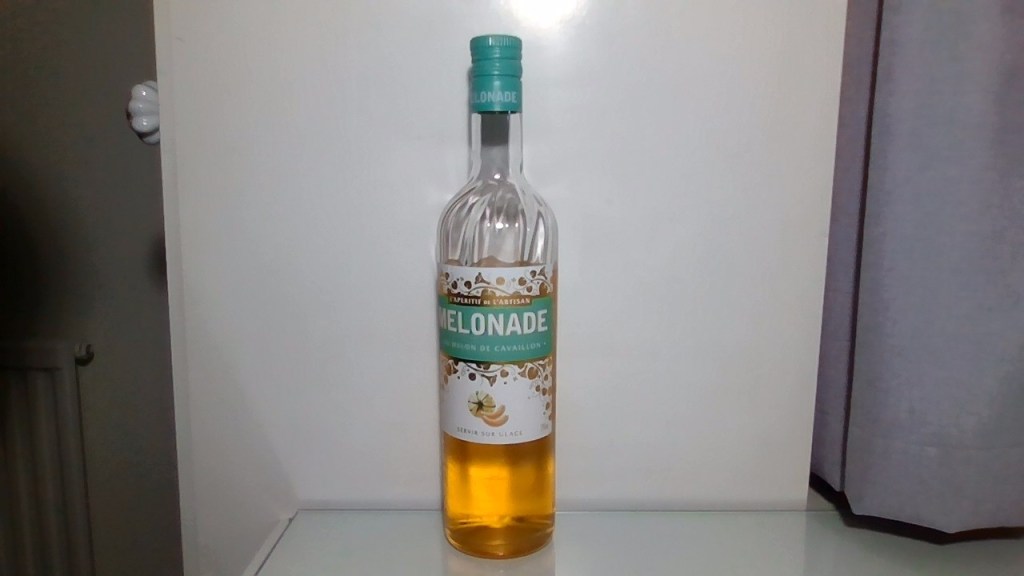
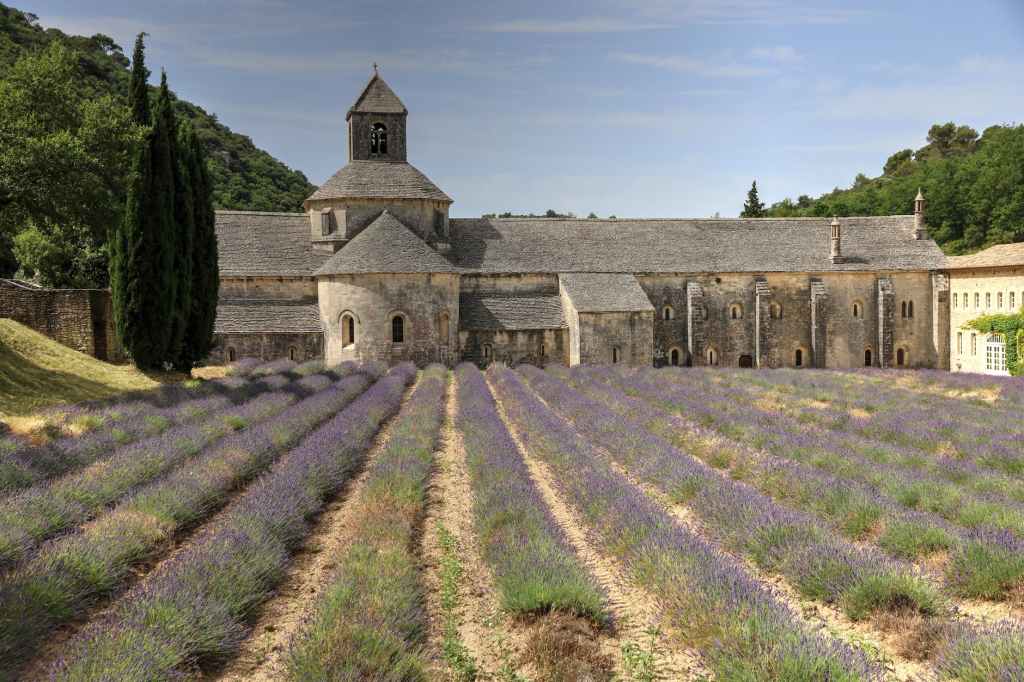
Anyone who has visited Provence, as we have often, could fill two paragraphs with its delights: scenery, history, cities, cuisine and fine wines. Yet we never suspected a further hidden secret: its own delightful aperitif to rival the recently-fashionable Aperol as well as longer-established brands such as Campari or the Martinis.

For, in company recently with two Ladies in the fashionable resort of Worthing in the UK (well, Dominic the Builder thinks it resembles Nice) we were at first surprised when they demanded this Melonade as the basis of their pre-lunch cocktails. “What is it?” we enquired. And we were delighted to learn that:

Melonade is a craft aperitif born under the sun of Provence. It’s made from Cavaillon melons, grown in the unique soil of Provence in the South of France, and harvested at maturity for an intensity of taste and optimal flavours.

 Richly aromatic, this fruity aperitif is the ideal base for a laid-back, Southern French-inspired spritz. Alternatively, drink it neat over crushed ice or mix with sparkling water, lemonade, tonic or in cocktails. source/www.melonadeaperitif.com

As you will have guessed, these are the words of the Melonade home site. And we advise you to click on it forthwith, for it goes on to list some delightful recipes which anyone would be proud to mix for guests. Especially with Christmas parties coming up. Of course we can’t list them all. But one of our interlocutors swears by this easy to make Melospritz, which comprises:

60ml sparkling wine (most of you will choose Bolly, no doubt; but Prosecco will do at a pinch)

40ml Melonade

20ml soda water

All poured over ice and garnished with a slice of orange

Now what could better partner the life style of a Cote d’Azur flaneur, relaxing in a pavement cafe in Old Nice and observing the passing tides of humanity? We can’t wait to jump on a plane at Gatwick and try it out. When Spring comes, of course.

#melonade #spritz #Provence #cocktails

Article of the week: Fascinating Rhythm and the origins of language

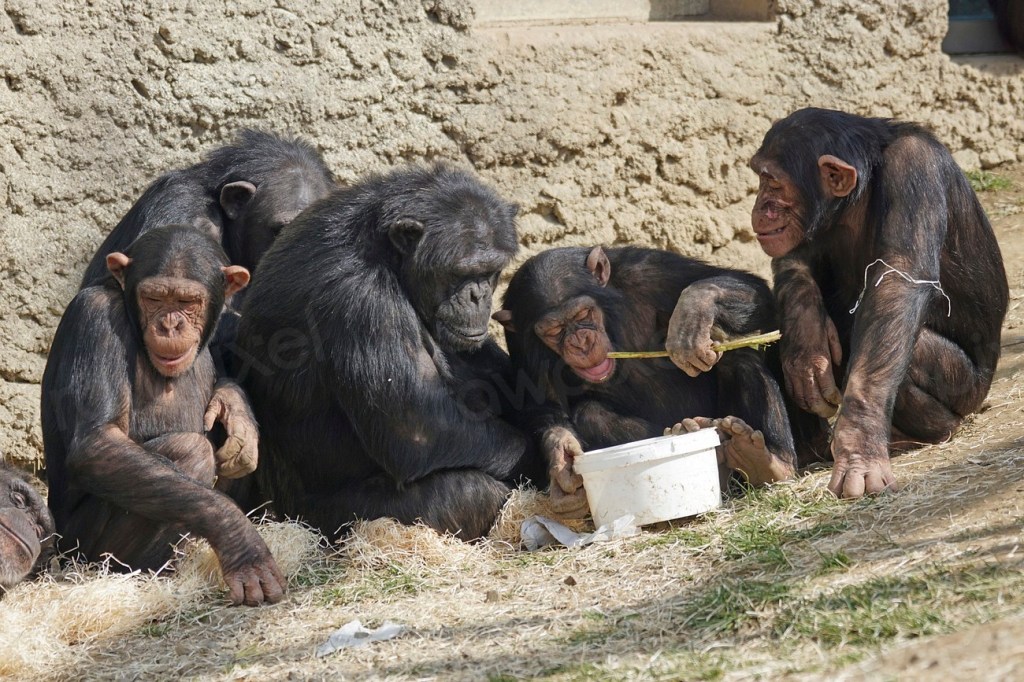
Any attempt to study the origins of language faces one huge, almost insurmountable, problem. At one end are the utterances of our nearest relatives, such as Chimps and Bonobos. At the other; fully formed, lexical and syntactic languages which only humans speak. What happened in between? And how long did it take?

The study of language acquisition in infants provides a possible model for how early hominins extracted meaningful patterns from the sounds around them. It even hints at the way protolanguages could have functioned, usefully, before the development of discrete units such as phonemes or systems such as syntax. Jamie Grierson of the Guardian [1] reports on how a Cambridge team has studied the neural response of infants of various ages when presented with songs and nursery rhymes.[2] For us, the key feature is:

The study concluded that infants learn languages from rhythmic information – the rise and fall of tone – as seen in nursery rhymes or songs, such as the ubiquitous alphabet song.

The team at Cambridge also discovered that babies do not begin to process phonetic information – the smallest sounds of speech – until they are about seven months old.

The team think that infants study the rhythm of their interlocutors to determine where words begin and end, and slowly begin to recognise and store a lexicon of repeatable, meaningful phonemes. Words, in other words.

The first hominin to use words faced major problem; none of his/her companions could understand them. However, if protolanguages developed slowly through a series of mutually intelligible codes, they would still be of adaptive use. Especially in certain areas, such as child rearing. The discoveries of the Cambridge team hint, tantalisingly, that such neural pathways may slowly have evolved, and would have been selected for. A worthy winner of Article of the Week.

[1]https://www.theguardian.com/science/2023/dec/01/singing-to-babies-is-vital-to-help-them-understand-language-say-scientists

[2]https://www.nature.com/articles/s41467-023-43490-x

#origin of language #humans #hominins #protolanguage #chimpanzee #phoneme #syntax #natural selection