Cancer testing saves lives-and shows why science works

Today we a re going to talk about cancer. In the UK alone it kills 167 000 people annually, which is about 29% of all recorded deaths . Meanwhile about 3.5 million people are trying to live with it on a daily basis. The statistics for your country will be comparable, gentle reader. Nothing would cheer us more than to report some good news. And today we think we can, courtesy oft the far sighted Professor Peter Sasieni and his team at London’s Queen Mary University via the Mail [1] [2]

Professor Sasieni and his team are not pioneering cures directly. Their skill is devising new ways of testing. To detect the terrible disease early, before it can wreak havoc, and unleash the cures when they have the optimal chances of success. The linked article is a good summary of all the wonderful work they are doing. But we have filleted out this tiny quote which will give you some flavour of what they are achieving

Yearly screening under the fast tumour growth scenario led to a higher number of diagnoses than usual care – 370 more cancer signs were detected per year per 100,000 people screened. There were also 49 per cent fewer late-stage diagnoses and 21 per cent fewer deaths within five years than patients receiving usual care. 

If that’s not hope we don’t know what is

But there’s a deeper story here. For us, the best working definition of intelligence is how you respond to reality. You may have a lot of money, talk well, and even have a genius IQ. But if you ignore facts, deny them, or distort them, then you are a fool. There’s no mystery about science. It is simply a way of collecting true facts and organising them according to the rules of logic, which is what Professor Sasieni has done. This works globally for things like changes in the climate. It works locally, for things like diseases in the human body such as a diagnosis of cancer To deny truth once is the start of denying it always. With fatal results.

[1]https://www.dailymail.co.uk/health/article-14694059/blood-tests-detect-earliest-signs-cancer-prevent-advanced-stage.html

[2]https://www.qmul.ac.uk/wiph/people/profiles/peter-sasieni.html

#cancer #testing #screening #health #medicine

Is Keir Starmer becoming a Socialist?

Because he’s certainly acting like one. Forget the labels that people apply to each other, and to themselves. They’re mostly rubbish anyway. Look at someone’s actions. Today, Sir Keir (great name, by the way) has announced that his government has announced major new controls on the flow of immigration into the United Kingdom.[1] In support of this action, he cites the social problems caused by uncontrolled immigration and the harm it does to the social fabric. In doing so he makes the classic socialist case for controlling the laws of supply and demand. The same argument that socialists of all kinds from the most milk-and-water Social Democrats way out to the crazed ravings of Maoists and Trots.

The Capitalist argument is quite different. The law of supply and demand is the best approximation we have to the way people live in groups. Any restriction of free movement of anything such as taxes, business regulation or migration controls is contrary to nature, and must therefore lead to long term harm. After all, what is more socialist than civil servants telling employers whom they may, and whom they may not, hire to do a job? The socialist riposte is clear: the State should ban your desire to hire foreign workers if by doing so you harm the well being of members of our community here.

No, we are not going to say which one we agree with. The capitalists had their time to run the world, particularly after 1991. Their dream of universal prosperity seemed to be a true busted flush after 2008. Since then, the wind has been blowing in a socialist, that is to say, regulated direction. Whether it is to be socialism of the National or International variety remains to be seen

[1]https://www.theguardian.com/politics/live/2025/may/12/immigration-keir-starmer-labour-reform-visa-foreign-workers-uk-politics-latest-live-news

#socialism #capitalism #sir Keir starmer #immigration #economics #politics

Is this plastic eating bacterium the ultimate in antibiotic resistance?

Bacteria that mutate to resist the strongest known antibiotics. At this blog, it’s in our DNA, if you will pardon the flippant quip. But-get this-what if the bacterium in question starts eating the walls you are trying to contain it in? Sounds fantastic, like the plot of one of those old 1950s B movies. Read this piece called Hospital Superbug eats Medical Plastic from the admirable Nature Briefings

Pseudomonas aeruginosa — a strain of bacterium that often causes antibiotic-resistant infections in hospitals — can produce an enzyme that can break down medical-grade plastic. Researchers found that the enzyme, dubbed Pap1, can break down a plastic called polycaprolactone that is commonly used in health care because of its biodegradable properties. The ability to break down plastic could explain why these microbes persist in hospital environments, says biomedical scientist and study co-author Ronan McCarthy.Nature | 4 min read
Reference: Cell Reports paper

We’ve put up the Cell Reports posting for you too here[1]in case the clicker above does not get you through

So is this it? The big one? A wave of highly infectious bacteria that not only eats us humans, but gleefully chomps its way through the very defensive systems we use use to contain it? Possibly, yes. But-let’s keep our Alans on, as they used to say in the old Guy Ritchie movies. For there are two good reasons to do so.

First, it’s only eating one type of plastic, so far. There are lots of others which could be deployed for special medical uses which will be less vulnerable.

Secondly, the fact that this plastic is indeed biodegradable, and that something has found a way to do it, offers great hope. Imagine a plastics ecosystem wherein every bottle, every carton, each piece of wrapping is open to attack by this Pap-1 enzyme. Potentially it opens the way to clean beaches, litter- free hedgerows and unblocked rivers and sewers. There is no reason that the genes to make the enzyme could not be spliced into a safer organism than Pseudomonas aeruginosa. It’s an ill wind that blows no one any good, we say.

[1]https://www.cell.com/cell-reports/fulltext/S2211-1247(25)00421-8

#plastics #antibiotics #microbial antibiotic resistance #science #ecology #pollution

Friday Night Feast of Fun: VE day

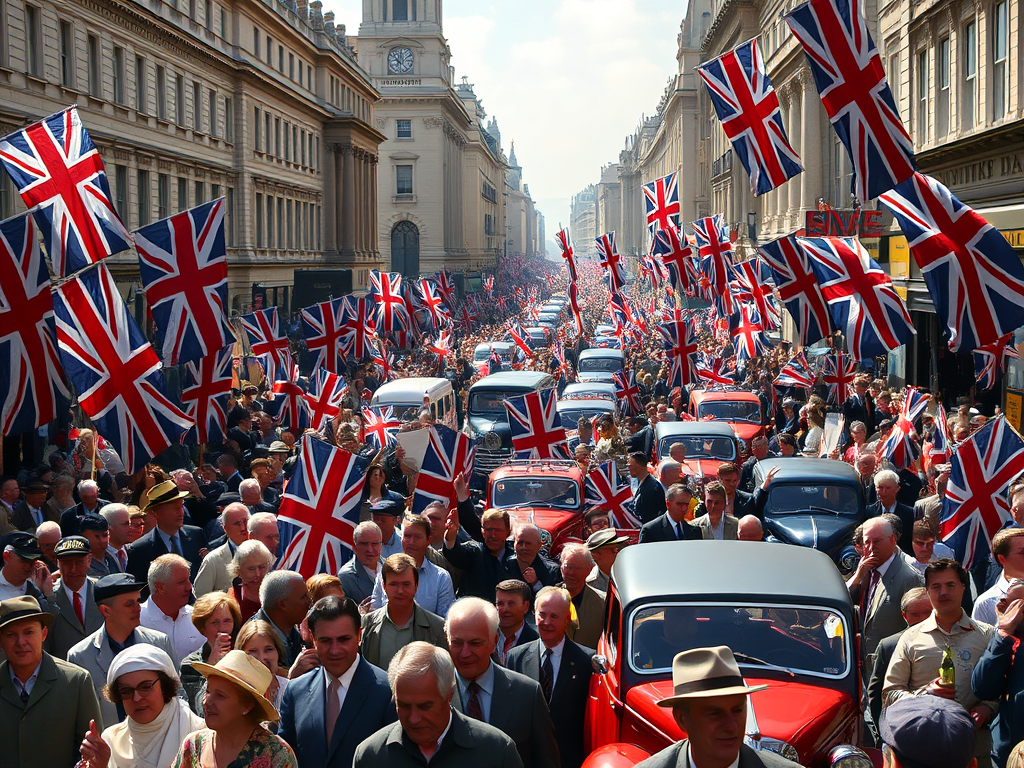
The 80th anniversary of VE Day has bought an immense outpouring of celebrations. Millions who were not there will tell you how they long to put on a zoot suit and jive the night away to Vera Lynn, or roam the streets of London getting up to goodness knows what with perfect strangers on bomb sites (wasn’t it a bit cold?-ed)

But-how much would you have enjoyed it? For those who advocate free markets and liberal trade as the best cures for human ills, the Second World War makes very difficult reading indeed. The Government seized control of the nation’s food supplies in 1939,introducing an utterly comprehensive system of rationing, backed by bulk buying and ruthless imposition of standards. By VE Day on 8 May 1945 the nation was thinner, heathier, fitter and better fed that it had ever been before. Or would be ever again. But Civil Servants are not chefs, and the menus available on that famous date may seem very spartan indeed to the modern palate. We thought we’d offer the kinds of things which might have been served up. With the help,naturally, of one of the most likeable books in our collection: The Ration Book Diet [1] And follow it up with what you could drink.

First Course There isn’t one Both shipping and fuel were in short supply, making this stage a superfluous luxury. Now you know why they were so healthy. Wanna try it?

Main Course In their spring section, Brown et al suggest recipes for Kidney with Mustard and Madeira Gravy(p76) Vinegar and mustard baked chicken(p78) or broad beans with minted salsa verde (p80 ) Other things served up might have been Ham and pickle pie monkfish and bacon casserole or salad of some sort. Everything grown locally, or sourced form the nations own fields and fishing grounds. Should we go that way again?

Dessert They would probably have called it “afters” or “pudding”. Apricot compote , rhubarb bread pudding or rhubarb fool might have graced many a VE Day table . For treats as the night drew in: oatmeal scones. And that really is it. There were things about like spam, corned beef and even cheese(heavily on the ration) But you’ll have to read the book iof you want to know more about them.

Happy so far? Let’s pour a drink , or go to the pub

Popular beers of the day included Bass, Guinness and Trumans At home, these would have come in bottles. There were no fridges of course. The Ministry had strained every nerve to ensure the pubs were well stocked with much the same. We also found a cocktail list from a site called Bistrot Pierre. For us, the Gin Fizz stands out as an iconic component of the war-time vocabulary. At least from the films and TV programmes we’ve seen.

And wine? Oh come on. It all came from the continent, which had been under enemy occupation for four years. You had about as much chance of finding a mobile phone as bottle of chardonnay in London in 1945.

Still want to go there?

[1] The Ration Book Diet Mike Brown Carol Harris CJ Jackson The History Press 2010 https://www.amazon.co.uk/Ration-Book-Diet-C-Jackson/dp/1803993448

[2]https://www.bistrotpierre.co.uk/propeller/uploads/2020/04/VE-Day-cocktails.pdf

#food #drink #VE day #world war two #diet #health

Evolution is happening right now in South Korea

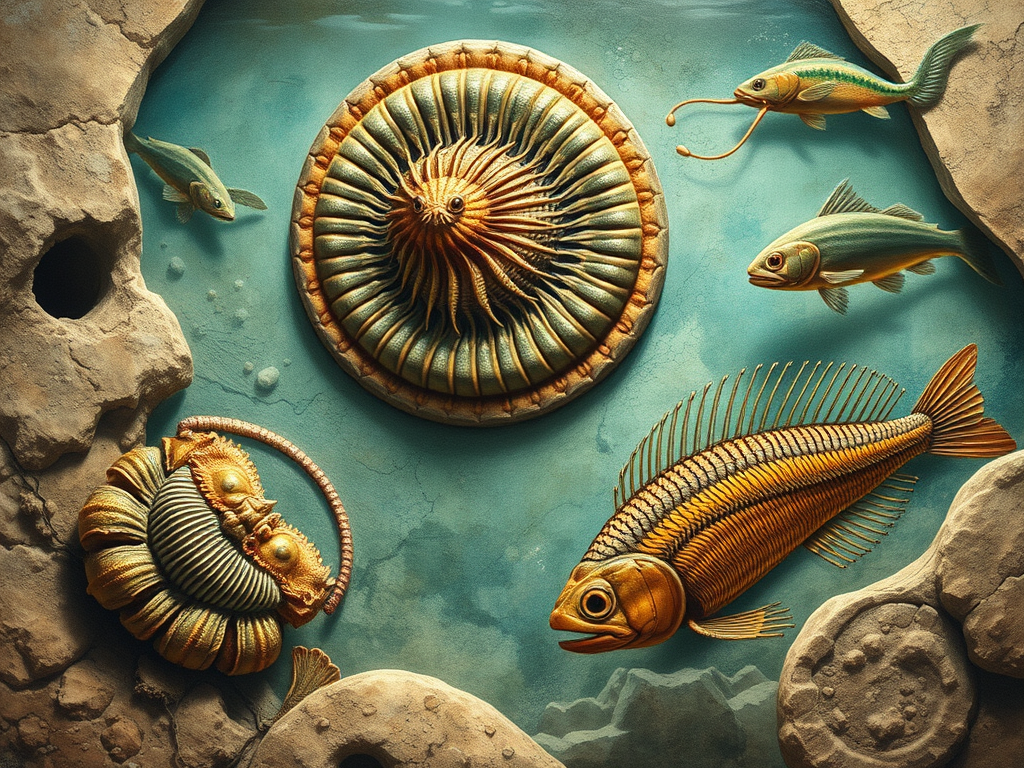
We tend to think of Evolution as something happening over millions of years. First, all those trilobites and early fish swimming in the warm Devonian seas. Then early newts and scorpions slithering out onto land, followed by dinosaurs and pterosaurs dodging the cycads; and finally those desperate battles between humans and mammoths in the frozen wastes of the tundra. Millions of years-billions if you look at things like bacteria and red algae.

But evolution isn’t like that. The change of one species into another is a by product some something much smaller, local and more rapid. It is about the environment selecting a gene here, now, for one small purpose. Read this from Nature Briefing, No Diver is an island

A tradition of diving on the South Korean island of Jeju might have influenced the genomes of all of the islanders. The Haenyeo — meaning ‘women of the sea’ — have been cold-water diving year-round and without any breathing apparatus for centuries. A genetic analysis revealed that gene variants associated with reduced blood pressure, cold water tolerance and red blood cell count — which is related to oxygen-carrying capacity — are more common in people from Jeju, regardless of whether they dive themselves, than in other South Koreans.CNN | 7 min read
Reference: Cell Reports paper

In other words, good old fashioned Darwin-Mendel natural selection of the central DNA of the organism. Because one gene variant conveys a selective advantage which the other allele doesn’t. Textbook case: on single genetic change will transform a bacterium into an antibiotic-resistant organism, with profound consequences millions. Of course, if you have enough of these over time, you might eventually transform a tabby into a tiger, or a dinosaur into a bird. But those are second order consequences.Recent discoveries have made our understanding a little more complicated. We have to factor in epigenetics (the great Nessa Carey is good guide [1] ) and even the possibility of some environmental feedback into the genome, to which we have alluded here sometimes(LSS passim)

Every so often we come across some fool, usually a pub bore or right wing columnist, who loudly declaims” I don’t believe in evolution-why would a fish want to transform itself into a salamander?” Here is your answer. The majestic old Darwinian model still functions, Right at the heart of one of the most modern countries in the world.[2]

[1]https://en.wikipedia.org/wiki/Nessa_Carey

[2]https://en.wikipedia.org/wiki/Haenyeo

#natural selection #evolution #epigenetics #darwin #mendel #dna #gene #south korea

A Quick Roundup: Power from rain, a plea for peace, Base Pair goes big, reality trumps Trump-and Schubert on hubris

So many stories have crossed our screen in the last few days that the only thing we could think of was to run a quick round up and invite you to dive in for yourselves

Pennies from Heaven? The desperate need for renewable sources of power can produce some surprising ideas. For once the old Bing Crosby number may come true as this intriguing idea of generating electricity from raindrops shows. Popular Mechanics has the story:

https://www.popularmechanics.com/science/a64641931/scientists-turned-rain-into-electricity-it-could-one-day-overhaul-our-power-grid/

thanks to P Seymour

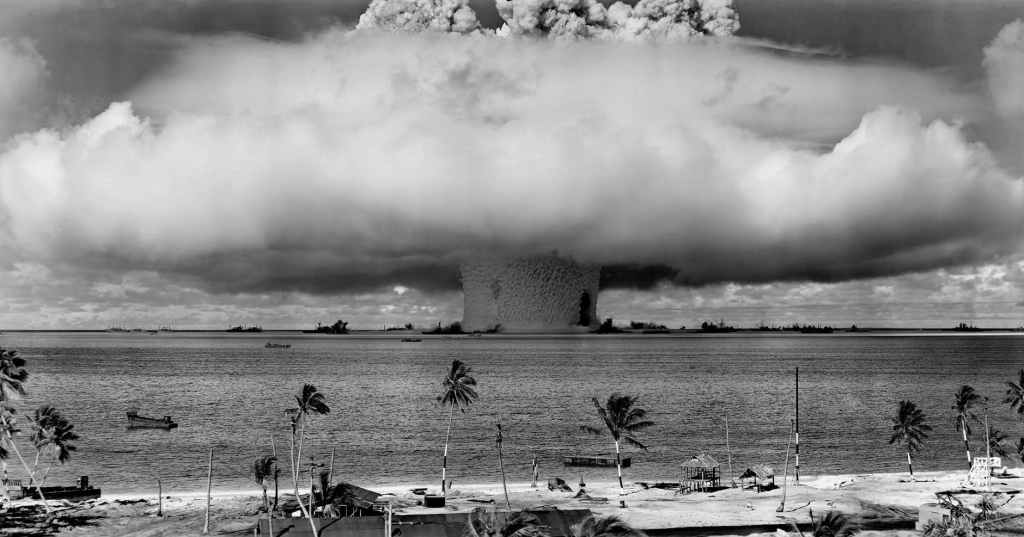
India-Pakistan: please don’t do it! We are ignorant of the quarrel between these two great nations. But the consequences of a nuclear war would be dire indeed. Apart from the millions of dead and wounded, the unprecedented waves of refugees would find a chilly welcome wherever they went. They too would be breathing the clouds of radioactive waste(and goodness knows what other toxins) from the burning cities. And, we know this is unsayable, but we will anyway: the only real winner would be China, with no strong powers to counterweight it. We have many readers in the subcontinent: what have you got to gain? Alright, we go with the Mail: but as George Orwell noted, even they can be right sometimes

https://www.dailymail.co.uk/news/article-14686439/The-world-worried-tit-tat-strikes-hated-rivals-India-Pakistan-quickly-spiral-nuclear-Armageddon-countries

Base Pair Goes to market We have long sung the praises of new biochemical techniques like CRISPR Cas 9 and Base pair editing. But, we humbly admit, it’s always from a slightly academic, detached viewpoint. Some of our correspondents have a more hard-nosed commercial orientation. Which is why they sent us the exciting tale of companies taking it into real-world, commercial solutions

https://www.biospace.com/drug-development/safer-crispr-base-editing-breaks-through-in-the-clinic-as-beam-verve-advance?

thanks to G Herbert

Donald Trump’s Cunning Plan won’t work Ever since February, a story has been drifting in and out of the financial columns; Donald Trump’s actions are all part of a Cunning Plan to crash the dollar and bring the rest of the world to its knees in Mar-a- Lago, where he will dictate terms as he pleases. It was scary, it was tempting to believe: but it relied on flawed assumptions as Kenneth Rogoff succinctly explains in this piece for the Grauniad (surely “Guardian?”-ed)

https://www.theguardian.com/business/2025/may/07/why-donald-trumps-plan-to-weaken-the-dollar-is-flawed

Schubert : the queasy air of Pride before a Fall Ever since Griffin Johnson, the armchair historian [1] used it to accompany the French Army marching to Sedan, Schuberts Piano Trio in E Flat, No2 has really put the hook in us. You know, that outward confidence masking deep ineer doubts. Listen to the second movement if you don’t believe us. And wonder what happens to over-confident politicians just as the pass their peak.

#donald trump #base pair editing #economics #CRISPR Cas 9 #india #pakistan #nuclear war #renewable energy

[1]https://armchairhistory.tv/en-gbp/

Cortical Labs: the first working Synthetic Biological Intelligence

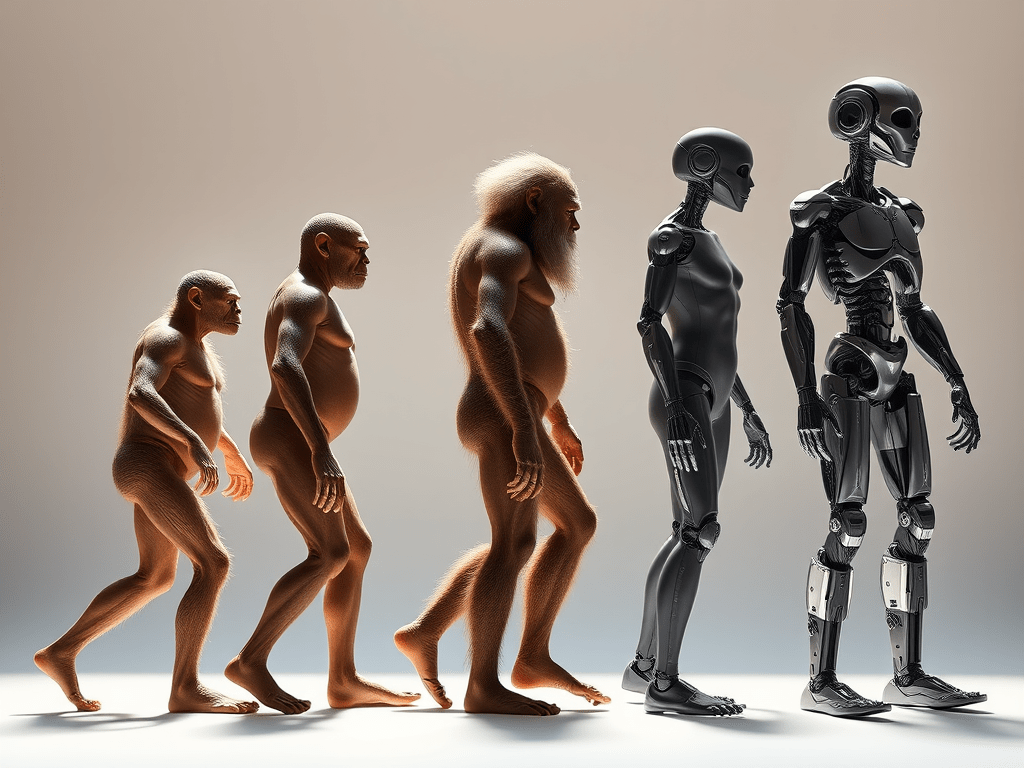
Far back in the last century, Arthur C Clarke drew attention to a slow but steady trend in human evolution: the gradual merging of the human body with artificial technology. Like all great things it started small, so small as to be almost unremarked. Firstly were primitive artificial legs and hands, all that could be done with the technology of the time. By the time Clarke made his prediction in the novel 2001; a Space Odyssey, the scientists of the day were experimenting with artificial hearts, lungs and kidneys. Fast forward to our own age. Not only have things like prosthetic limbs and eyes greatly improved. We are starting, tentatively, to modify the genes of living cells with early techniques like CRISPR Cas-9 (LSS passim). Elsewhere, the attempts to engineer interfaces between human tissue and silicon chips seem to be showing real possibilities of success.

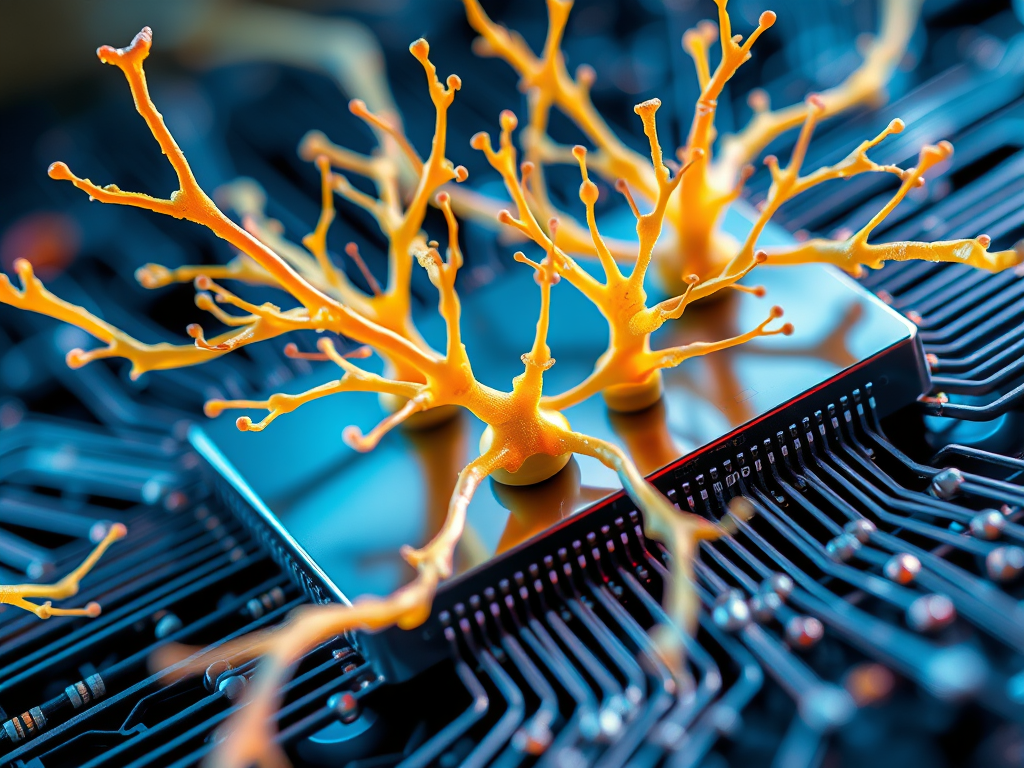
But we think that the efforts of Cortical Labs to create Synthetic Biological Intelligence(SBI) takes the trend to a whole new level. [1] Their CL1 computer uses laboratory grown neurons interfacing with silicon chips to create an entity that defies old -style classifications of what is biology and what is technology. Rather than offer you 18 dreary paragraphs, we will urge you to visit their website. But if we cherry-picked that: The CL 1 far more energy-efficient than a conventional computer; that it is ideal for disease modelling. drug disorder research; that it dispenses with much of the need for animal experiments; that above all it will be available for shipment at a cost of $35000, you would see why we have chosen this item for your entertainment today. Because we honestly thought that this kind of thing was decades away. Forgive us: but we have no financial, professional, personal or any other kind of relationship with this company. We never endorse; but when we report, we mean it.

And we do indeed report developments which seem to be genuinely game changing, and truly the work of the most intelligent people at the very limits of human accomplishment. We believe that this is one of them. Which is where our doubts creep in. For Arthur C Clarke also pointed out how the very act of adopting technology (stone tools at the beginning) transformed the biology of creatures that used it. So much so that they changed into new species, quite unrecognisable to their ancestors. And absolutely dependent on the new technologies to survive, with no possibility of de-inventing them . We are not the first to suggest that some engineered organism will replace us. But we do think that possibility is now very real and very near.

thanks to G Herbert

[1]https://corticallabs.com/cl1.html

#synthetic biological intelligence #cortical labs #artificial intelligence #computers #biology #evolution

Deadly Fungus spreads as globe warms

Rising seas. Flooding rivers. Blankets of uncontrollable wildfires. But the latest risk from global warming is a humble fungus, which could now spread across the globe. We’ve mentioned the danger of antibiotic resistant fungi before here(LSS 21 10 24 et al) But we never thought to tie it to climate change.

Well all that’s just changed. Because according to a new study by Dr Norman van Rhijn of Manchester University, reported here by Alex Croft of the Independent, via Yahoo [1] dangerous strains of the Aspergillus family of fungi are starting to spread . If we carry on burning fossil fuels at the rate we do now, the strain A. fumigatus will probably extend its range by 77% by 2100, pushing up into polar regions such as Alaska. And the trend is worrying experts from many fields.[2] For one thing, fungi have an immense potential to damage drops. But they also pose a clear and present danger to human health, especially in those with weaker immune systems, such as the elderly and children. They may also produce substances such as aflatoxins which may cause liver damage and even cancer[3] It’s hard to get an exact figure which parses the number of deaths caused directly by fungi, and those cases where they become an opportunistic secondary infection. But about 3.5 million a year might not be a bad ball park figure. As the fungi become resistant to antibiotics and fungicides, this figure will grow and grow.

This is a bank holiday weekend in our country. People will be doing bank holiday things. A great many cars will be cleaned, tents put up, boats sailed and drinks drunk. But , we can’t help thinking, wouldn’t it be better to put all the fun on hold for a bit, until problems like this have been finally sorted out?

[1]https://uk.news.yahoo.com/killer-fungus-could-spread-parts-170653452.html#:~:text=Norman%20van%20Rhijn%2C%20the%20Wellcome%20Trust%20research%20fellow,a

[2]https://www.who.int/news/item/25-10-2022-who-releases-first-ever-list-of-health-threatening-fungi

[3]https://www.cancer.gov/about-cancer/causes-prevention/risk/substances/aflatoxins

#global warming #climate change # antibiotic resistance #aspergillus #fungi

Friday Night Feast Of Fun: the summer Barbecue

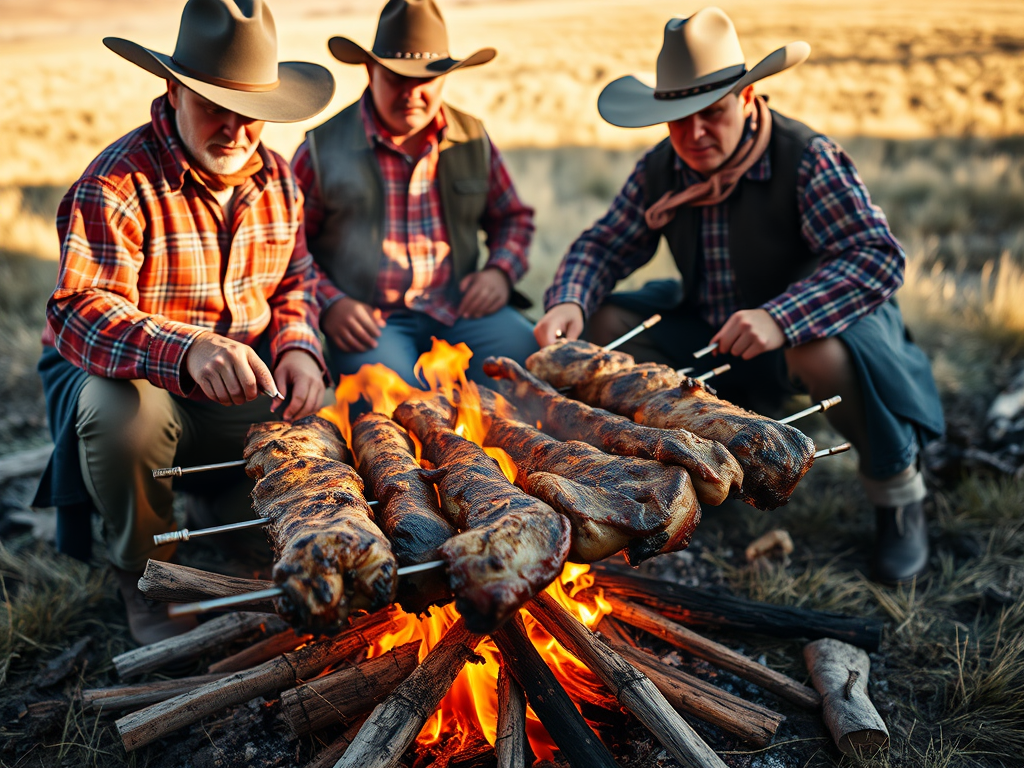
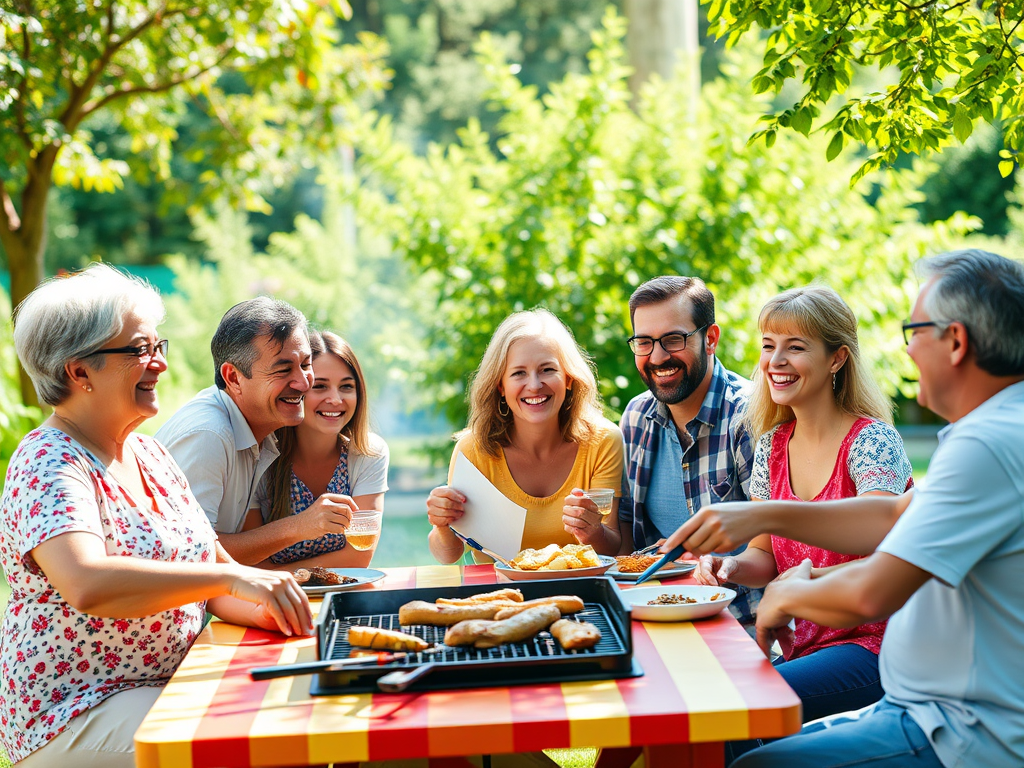
Since about 1985, nothing has evoked the sense of the days getting warmer more than the aroma of a thousand sizzling barbecues drifting down the suburban breeze. People didn’t seem to do them much back in the nineteen seventies: but now the custom of inviting friends and family round to the garden for a delicious open air feast of roasted meat is a national custom. So with the aid of a couple of our regular contributors, whose knowledge of these matters is profound, we thought we’d riff a little on the matter ourselves.

How to cook it? In these isles, Opinion is divided. Some swear by gas, which is fast and efficient. But the real purists swear by charcoal, which seem, at least to anthropology buffs like ourselves, to be sort of more authentic somehow. Either way, you still have to clean up a tad, they tell us. But half the problem of cooking, i.e, the smell hanging around the house, has gone. Because it’s drifted downwind into the neighbours’!

What to serve? Make no bones about it, a true barbecue means meat. The word “barbecue” comes from the Spanish word barbacoa, which they evolved by watching the mass meat roasts of the native peoples of the Caribbean. Meat, lots of it. Which for us carnivores can mean a delicious range pf possibilities, including steaks, chops, burgers, loins and sausages. Fish fans are well catered for too, with brill , salmon, trout and turbot high on the list. There is a debate about whether to put these in foil or not; ultimately this choice will be informed by experience, we suspect. Foil also does wonders for vegetables. Peppers, potatoes, onions, even carrots and parsnips can come up well. Whereas things like peas do tend to fall down the gaps in those funny grid things, as you will soon discover. Bread buns or rolls should be on hand to aid the consumption of items like burgers, it goes without saying.

What to Drink? Our correspondents soon opened the door to anything and everything. Everything that is cold and refreshing of course. Beer, cooled white and rose wines and cocktails big on ice like Pimms or Gin Slings are always good. For the drivers, have plenty of fizzy drinks, fruit juices and iced water on standby. Remember: ice is the key to everything, or so they say.

And what to wear? The days of your best Brooks Brothers blazer, MCC tie and Chino slacks are long gone. For one thing they’re all naff and nineties. Secondly, one spot of greasy lamb will send that prized jacket straight round the dry cleaners, who may never get it all out. Panama hats are still OK, partnered with roomy shorts, tee shirts and those funny hoodie tops that were once favoured by persons of a certain socio-economic class, but have since spread throughout the population in general. We suppose baseball caps are still OK, but try to avoid red ones with letters like “M” , “A” and “G” upon them.

That’s our take; we know it’s a bit exiguous, so to help you more, here’s a link to the ever helpful BBC Food website, which is crammed with admirable tropes. Have a good weekend and happy eating.

#barbecue #food #drink #summer #garden party

Yes, the brain can erase unpleasant memories-but what does that say about who we are?

An old friend once told us about his experiences as a child evacuee during the Second World War. Or rather, he didn’t: because those memories did not exist. Like those of millions of others, his experiences were agonisingly traumatic. And he had blotted them out altogether. News of how the brain achieves this erasure of painful memories comes in this story from the inimitable Nature Briefing called Dopamine hit overwrites memories of fear

In mice, dopamine acts on neurons in a brain region called the basolateral amygdala (BLA) to kick-start fear extinction — the overwriting of fearful memories when danger has passed. Researchers found that this dopamine is produced in a separate part of the brain called the ventral tegmental area. Humans have “the same evolutionarily conserved parts of the brain that regulate these fear responses” as mice, says neuroscientist Larry Zweifel, which hints that neurons in the BLA could be a target for drugs to help to treat fear-related conditions such as post traumatic stress disorder.Nature | 4 min read
Reference: 
Proceedings of the National Academy of Sciences paper

Normally we would riff enthusiastically on the hopes of a cure for PTSD, or admire the ingenuity of the scientists who have made these discoveries. But today, if you’ll forgive us, we want to go in a different direction.

For if unconscious and automatic healing processes of the brain can so affect our memories, what does that say about our consciousness? Are you really in charge of the way you remember, feel, and think? At first glance this may seem to be the abstract playground of a lot of philosophers, psychologists and neuroscientists. The trouble for us is that many religious and economic systems depend on the assumption that each of us is an autonomous individual. Who freely chooses between good and evil or cheap and expensive. And these doctrines affect the real lives of millions. As Keynes observed, every politician who prides himself on being an entirely pragmatic individual is always the intellectual slave of some long dead economist. The writers of many religious books are much older still: but millions still kill and die for their words. We freely admit to being utterly baffled by all this, and are unlikely to return to anything quite so intricate again any time soon. But next time we hear anyone declaiming confidently on things like politics or religion, we will wonder deeply about what is happening in their mind,

As promised above we will endeavour to keep away from all this philosophical stuff. But if you want to know more, the works of Timothy O’Connor, Ben G Yacobi, Benjamin Libet, Daniel Dennet and Sigmund Freud provide useful starting points.

#free will #neurology #unconscious #conscious mind #economics #religion #politics #philosophy