

LSS is a science post, by and large. The clue’s in the title. But it tends to be an applied science post. You know, this new antibiotic will do so and so, that new advance in power generation will save that many tonnes of carbon dioxide. And so on. Which is why, sometimes, we like to raise our eyes to some of the more abstract advances in pure science. After all, how long before they become applied?
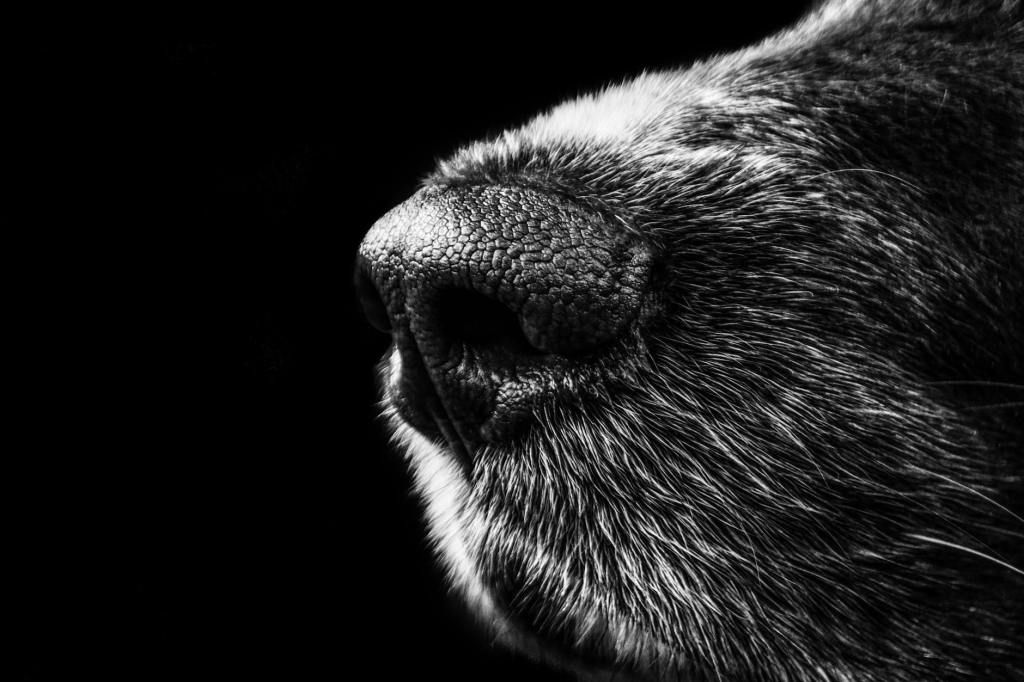
Which is why we liked this one from Nature Briefings: Sniffing out the mysteries of how we smell. Someone once described the nose as ” a special kind of Gas Chromatograph” But how does it work? Is it the shape of the incoming molecules? Their weight? Something else? Remember some animals such as dogs, are much better at it than we are. And, by the way, what about taste? Before we leave you to the link, there’s this too. Like all the best modern studies, this one is multidisciplinary. Which implies a lot of different people collaborating, from lots of different countries. Could there just, possibly, be something in this multiculturalism after all?
We smell by detecting molecules around us — but knowing the chemical structure of a molecule tells you almost nothing about its odour. Even categorizing what we perceive is difficult: there is no palette of scent ‘primary colours’ as there is for vision. And olfactory receptor proteins are hard to work with, so what they look like and how they function has mostly been guesswork. But that isn’t stopping scientists from trying, with help from innovations in structural biology, data analytics and artificial intelligence.Nature | 12 min read
#olfaction #smell #taste #biology #life sciences #AI #data analytics

 Learning, Science and Society