
Successful science in one area can produce unexpected benefits all round. That’s always been our doctrine at LSS. Think of how the slightly esoteric discoveries of Franklin, Watson and Crick spawned whole new areas of learning and achievement from medical science to Crime Scene Investigation. Today we’ve got two stories which nicely demonstrate our little hypothesis in action.
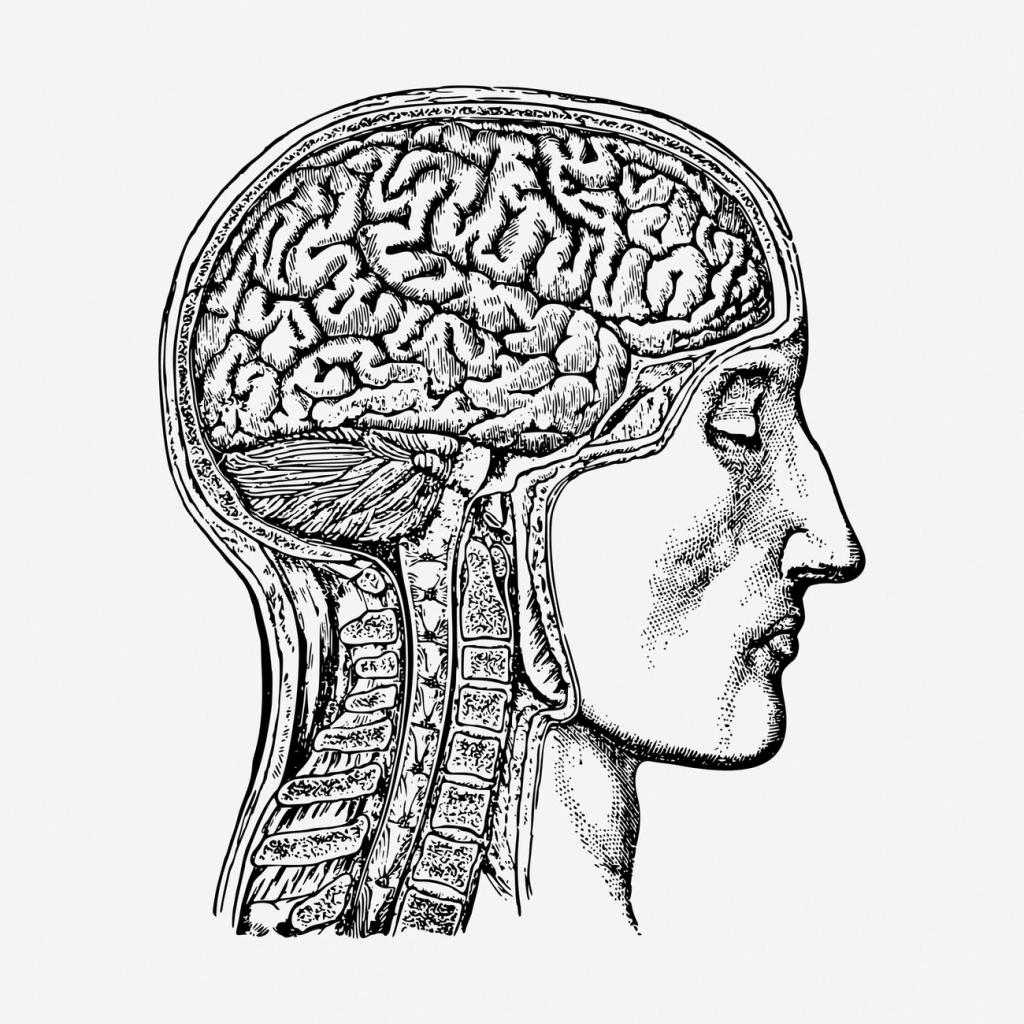
The first by Maiya Focht of the Mail describes the intriguing way that a class of drugs called prostanoids, normally used to help women in labour, may actually help with brain conditions such as Alzheimers and Parkinsons. [1] It seems they may act by clearing the progressive accumulation of cellular debris, proteins and so on which seem to impede brain function as the years pass. It’s early days still, but it’s fascinating how a surprise arrival from one area of investigation can suddenly game-change a different one.
So, more power to multidisciplinary teams? Could be a way forward in the dreadful condition of inflammatory bowel disease, which can make life miserable for untold numbers of sufferers. Have a look at this Hope for Inflammatory Bowel Disease from Nature Briefings( with deep link for all you intellectuals) Look at the way it combines genetics, immunology and population studies. Some kind of lesson in there, maybe, huh?
| Several recent studies offer insights into the murky and complex causes of inflammatory bowel disease (IBD). Changes in the activity of a gene called ETS2 that is important to immune activity could contribute to some cases of the disease by promoting inflammation.Some people with IBD make antibodies that disable a protein called IL-10, which has anti-inflammatory effects in the gut.An analysis of how populations of gut bacteria adapt to living in inflamed tissue could lead to ways to predict how bad a case of IBD might get, monitor its progression and identify which therapies might help.“Not every inflammatory bowel disease patient who walks in the door is the same,” says immunologist David Artis. “If we can map that difference to some extent, I think we’re going to be able to better treat those people.”Nature | 6 min read References: Nature paper, The New England Journal of Medicine paper & Cell Host & Microbe paper |
Now we don’t want to sound like the late,great Dr Jacob Bronowski (1908-1974). But we humbly observe one thing. Knowledge grows exponentially. What’s more, it’s the real driver of economic growth, not fiscal theories and econometric models. It was the refining of iron that changed the world, not the refining of gold. The right way to change the world for the better is to palce your bets on Universities, research institutes and hospital laboratories. from them alone will come the better life for us all.
[1]https://www.dailymail.co.uk/health/article-13758013/alzheimers-dirty-brain-common-drug-clean.html
#inflammatory bowel disease #alzheimers #research science #medicine #economics

 Learning, Science and Society