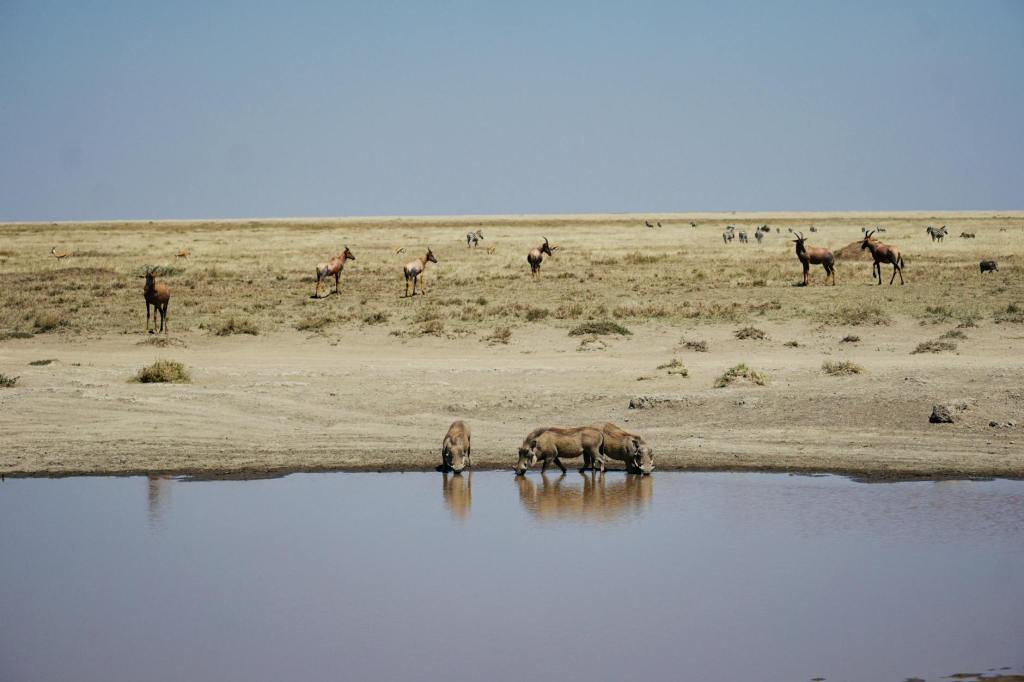
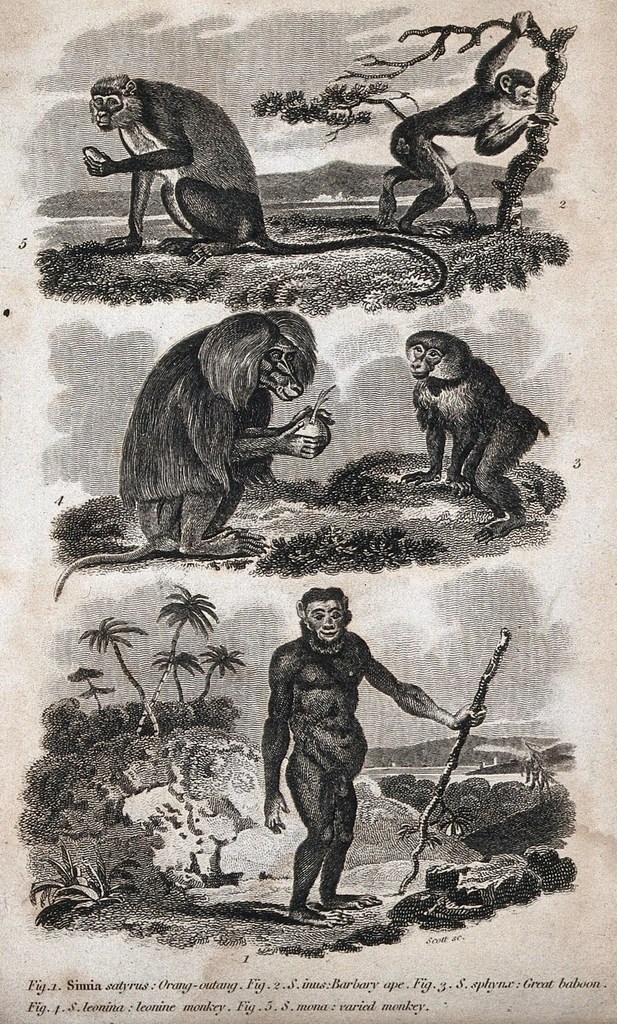
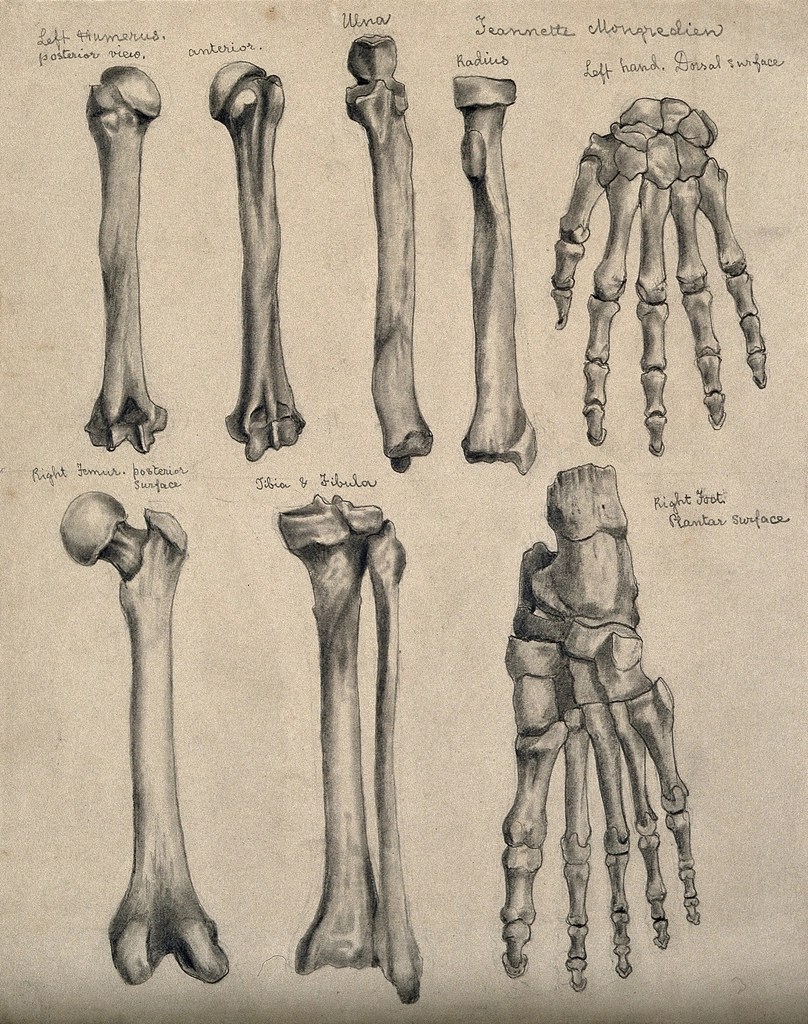
Fifty years ago, Paleontology was mired in a series of unanswered questions. When did humans first walk upright? What came first-a big brain, or two legs? Where did it happen, and above all, when? The oldest Australopithecines seemed to date less than 2 million years BP, but the first intriguing signs of molecular evidence (it was proteins, bless ’em!) suggested origins back before 5 million. Then one day in 1974 a team led by Don Johannsen in the Afar region of Ethiopia changed everything.
The excellent Robin McKie in the Observer tells the story much, much better than we can, and you should read it here [1] Suffice to say that they had stumbled on a tiny, erect walking creature with a brain the size of a chimpanzee. And apart from the bipedal gait it was an ape in all essential respects. They named the species Australopithecus afarensis for science. It it lived at was was, for then, the startlingly early date of 3.2 million years BP. Other specimens have been found subsequently, both of this species and others. Some are older. But nothing sits quite so squarely in the middle of our paradigm of human evolution, around which all other thoughts must revolve.
And the name? Well if you call something Australopithecus afarensis, it doesn’t exactly trip off the tongue of the public. But as the researchers returned exalted to camp and spread out the bones, they turned on their tape recorder. It began to blast out a song called Lucy in the Sky with Diamonds by a musical group called The Beatles, who were popular around that time.[2] As the skeleton was clearly female, they named their little lady “Lucy” And it has stuck, in all but the most formal scientific publications. And so we hail one of the great finds of all time. And remember a lesson from 1974. Whatever you think you know, there’s something buried in the ground that will completely up end it. It’s a lesson we could all learn.
#paleontology #human evolution #don johannsen #afar hominins #molecular biology #rift valley

 Learning, Science and Society