
Gibbon had a remarkable passage describing the behaviour of the Romans in the age of the Emperor Theodosius (d.395 AD), the last to rule over a single undivided and intact Empire. They seemed to sense that within a few years the Empire would divide, the barbarians swarm over the frontiers and the whole structure would collapse. And so they went on a spending spree, squeezing the last drops of comfort and pleasure from a system that was already reaching tipping-point. Sound familiar?
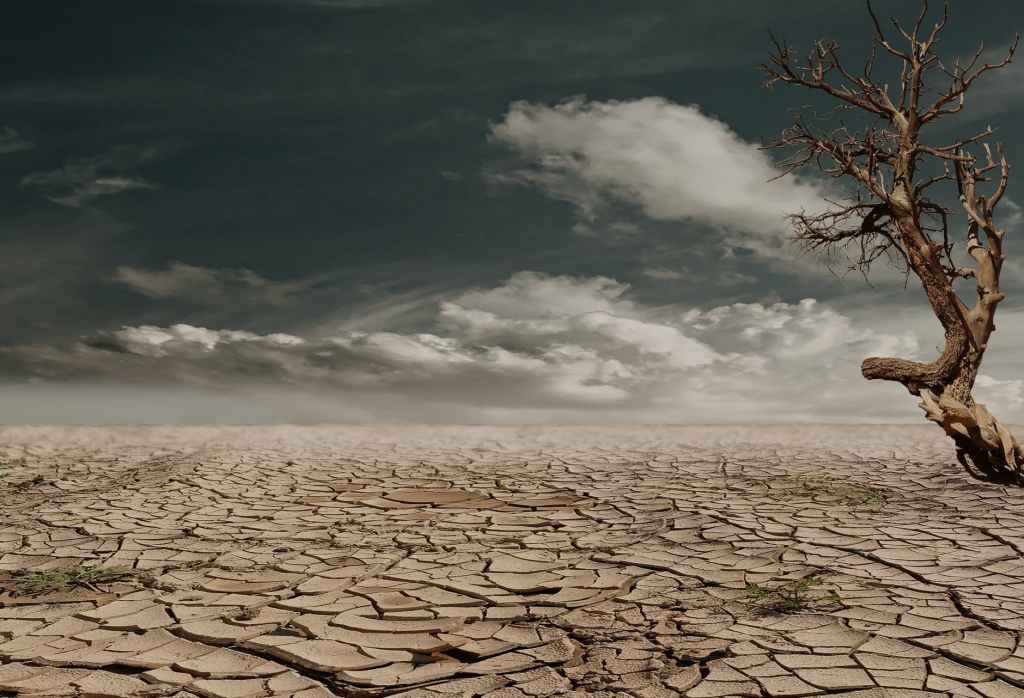
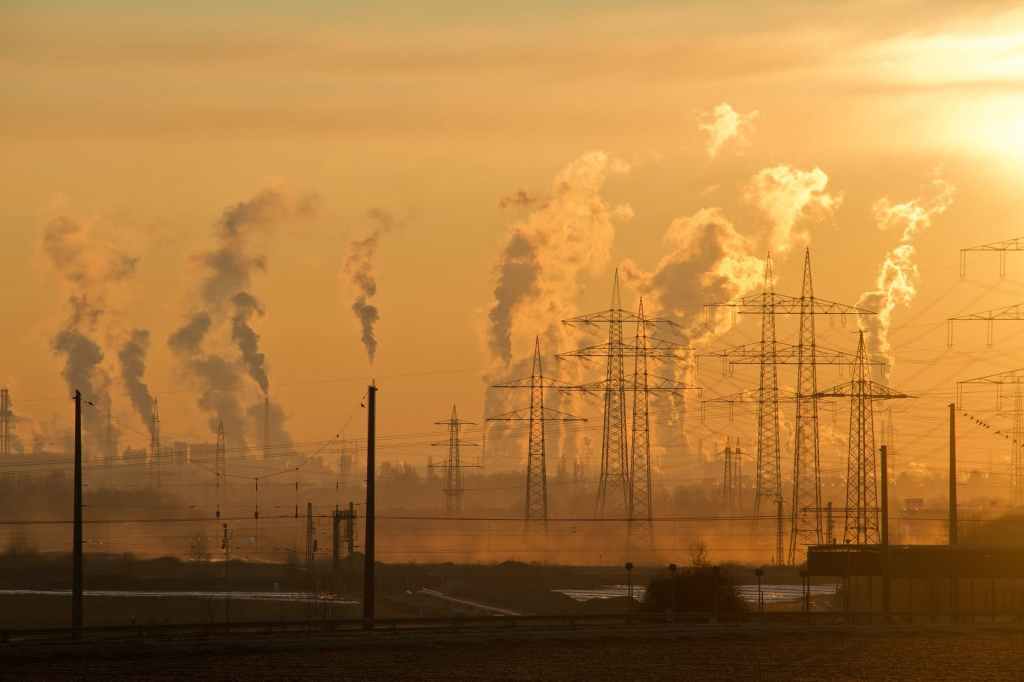
Two stories today raise the shades of Gibbon and Theodosius. The first, from Scott McGrane and Christopher White of the Conversation records how we have just passed through the hottest autumn ever, and the effect it ‘s already having. The second, from Nature Briefings, just says it all. There is now a major US Climate Disaster every three weeks. Is that more than mass shootings?
The fifth US National Climate Assessment has determined that global warming causes US$150 billion in direct damages across the country each year, and the costs are rising. From 2018 to 2022, the country experienced 89 major climate disasters — equivalent to one every three weeks. The country is also falling short on its goal to slash greenhouse-gas emissions. There are signs of hope: alongside the report, the government announced more than $6 billion in funding for infrastructure, clean energy and climate resilience. “This is not about curling up in a corner in despair,” says climate economist Rachel Cleetus. “There are very concrete steps we can take to cut our emissions and to promote climate resilience.”Nature | 6 min read
Reference: Fifth National Climate Assessment

 Learning, Science and Society