

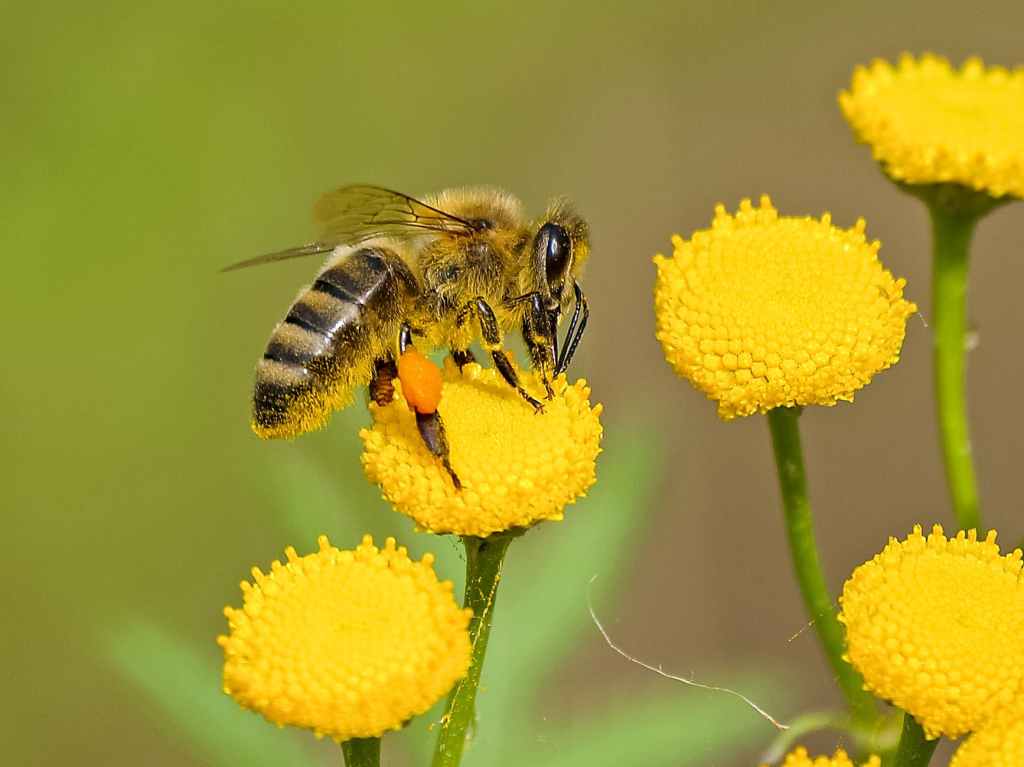
A few weeks ago (LSS 1 6 23) we published a short piece in which we bemoaned the lack of bees, who should have been busily pollinating our brand new lavender crop.
We were right to be worried, because a lack of the little buzzing creatures suggests there may be something wrong with the ecological chains which support life around here. Yet some slight alleviation is offered by this piece from Nature Briefings, which suggests that moths may be taking up some of the strain at night. We certainly hope so!
| Moths are the unsung heroes of pollination in cities, accounting for one-third of pollinator visits in a study of moths and bees in Leeds, UK. “The whole reason why they’re overlooked is because bees, you see them in the day, but moths are obviously out at night,” says pollinator ecologist Emilie Ellis. Her team collected bees and moths in the city and examined the DNA of the pollen that they carried. Not only did the moths have a bigger role than expected, but the insects’ preferences differed: bees visited more wildflowers, whereas moths chose woody plants, such as trees and shrubs.Wired | 6 min read Reference: Ecology Letters paper #pollination #climate change #ecology #bees #moths |

 Learning, Science and Society