
A prominent member of the Editorial Board has requested that we inscribe the following at the start of today’s blog:
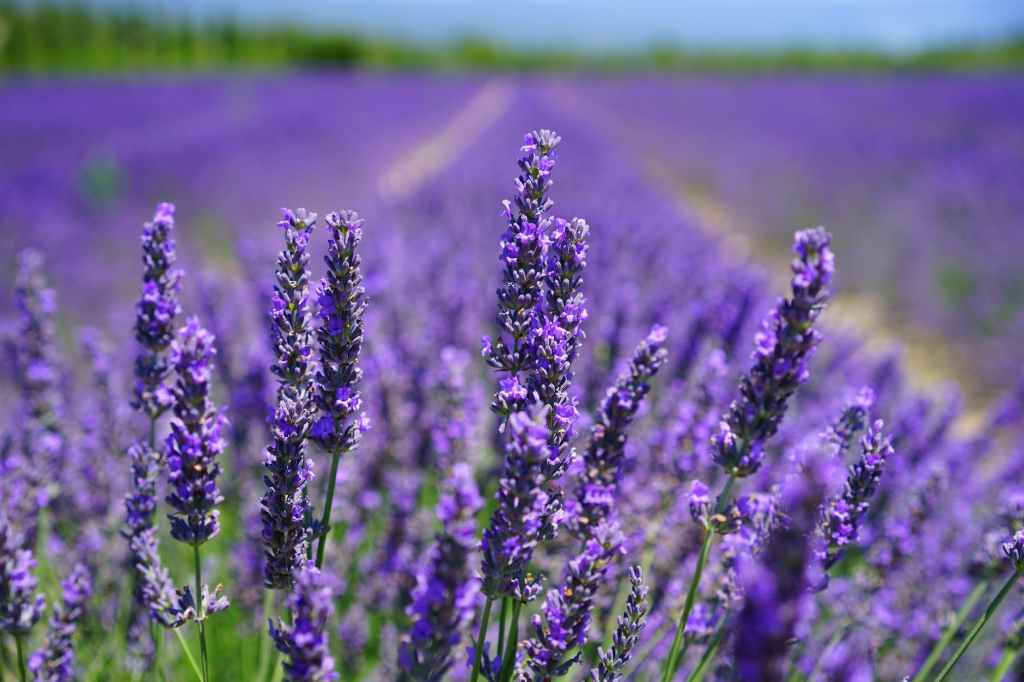
Where are all the [expletive deleted] bees this year? I’ve set up the best[expletive deleted] lavender crop ever down here in my Sussex hideaway, and there’s no sign of the little [expletive deleted]! When we lived in Kingston they used to swarm over the lavender like flies on [expletive deleted] Do you know how much time and money it cost me to put those plants in? What the [expletive deleted] is going on?
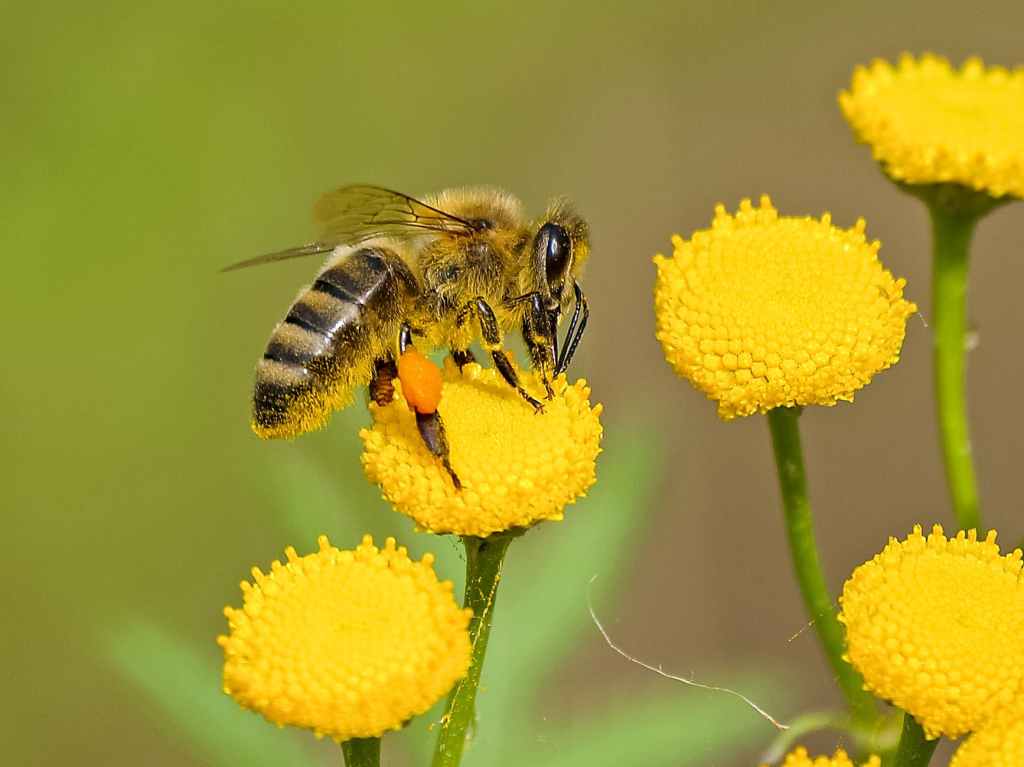
Up here in the concrete canyons of Croydon we see very little wildlife. The only signs of bird life are a few bones clinging to the outsides of abandoned takeaway meal cartons. The only flowers are glimpsed as decorative ornaments on things like greetings cards and fashionable wellington boots. Yet what happens to the bees out there in the sticks is of vital interest to us all. Because with out these seemingly humble creatures, all the ecological chains that support us would collapse. Then there would be something to swear about.
Is this a local thing? A quick telephone poll of friends suggest numbers really are down in England (although with some reports of sudden swarms in parts of the country) But we get the impression that other indicator species like beetles and birds are down as well. A practising entomologist of long acquaintance reports that his surveys for things like moths and beetles are also well down. Preocupante, as the Spanish say.
LSS is not a website that jumps to conclusions. There are many possible explanations, including unseasonable cold weather, natural population fluctuation, disease and so on. Which is why we would like YOU, gentle readers to share your observations of this phenomenon with us. Because if bees die out we are all of us, well and truly [expletive deleted].
#bees #ecology #pesticide #wildlife #pollinator

 Learning, Science and Society
Our lavender isn’t flowering yet. Too early for most parts of England. We all need to plant early flowering plants and shrubs so that when the bees come out of hibernation there is a plentiful food source. This is why many council’s have joined in No Mow May. Looks a mess but those meadow flowers (weeds to some) perform a vital function.
LikeLike
I’ve only seen 1 bee this year so far in WI, USA. We have a bustling garden of bee specific flowers and have only had 1 visitor. Normally, we get lots of wasps in the area and even those have been less. Same with our yearly infestation of mayfly. My windowsills and garage door haven’t been covered in them. What’s going on?? Wildfires? Or thanks to the UN spraying the skies with poison?
LikeLike